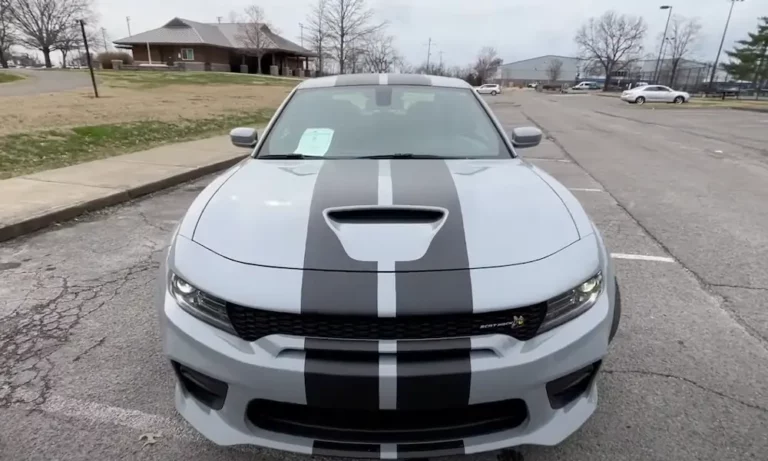
Thinking about buying a Dodge Charger but worried it’ll die before you finish paying it off? Here’s the truth: with proper care, you’re looking at 150,000 to 250,000 miles—roughly 10 to 15 years. That’s not bad for a muscle sedan that can still smoke tires at 100,000 miles. Let’s dig into what actually determines how long these cars last.
What’s the Real Lifespan of a Dodge Charger?
Multiple studies confirm Chargers stick around longer than most people expect. iSeeCars analyzed over 300 million vehicles and found the average Charger lasts 148,869 miles or about 10.4 years. Better yet, there’s a 16.2 percent chance yours will hit 200,000 miles.
RepairPal gives the Charger a reliability rating of 3.5 out of 5.0, landing it tenth among 12 full-size vehicles. J.D. Power rated the 2020 model an impressive 83 out of 100—second place among all sedans.
But numbers only tell part of the story. Real owners tell the rest.
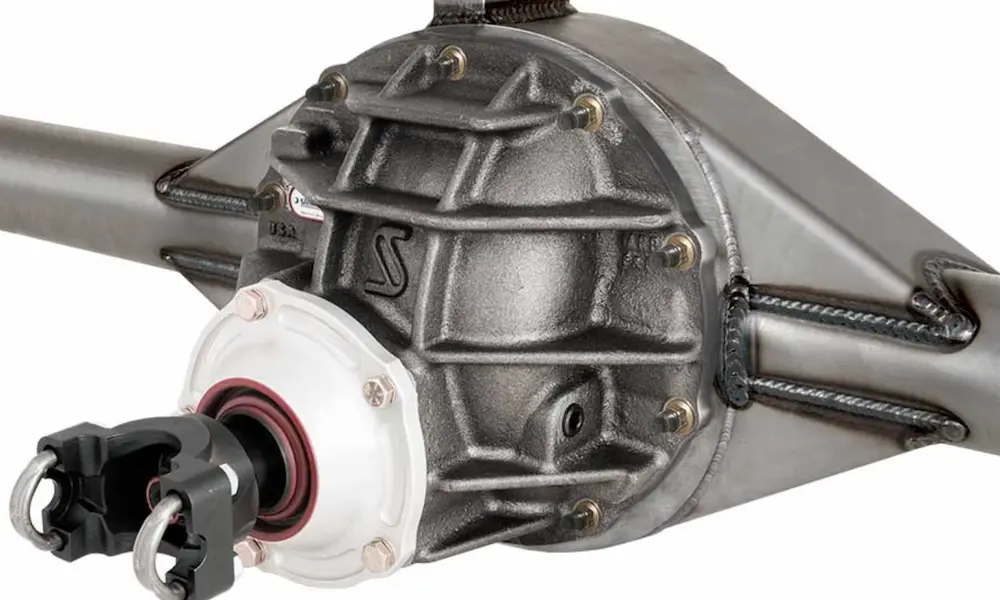
One guy’s 2016 Scat Pack hit 240,000 miles and eventually crossed 300,000. His secret? Oil changes every 5,000 miles, transmission fluid swaps every 50,000, and rear differential changes every 60,000. Nothing fancy—just consistent maintenance.
Police departments provide even more evidence. A 2014 Charger Pursuit with the 3.6L V6 racked up 167,000 actual miles plus 7,900 idle hours. That’s equivalent to roughly 325,000 miles total. Original transmission. Near-zero oil consumption. Still running.
Which Engine Lasts Longest?
Your engine choice makes or breaks longevity.
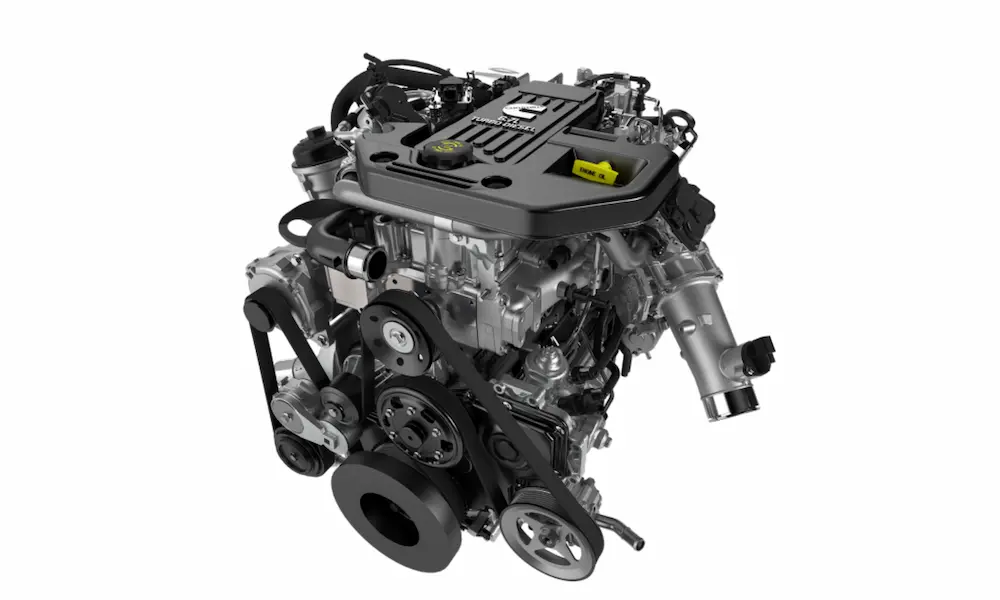
The 3.6L Pentastar V6: The Workhorse
This engine produces 300 horsepower and earns top marks for reliability. It’s standard in GT and SXT models, delivers up to 30 MPG highway, and costs less to maintain than V8 options.
Police fleets love this engine. They regularly push these V6s past 150,000 miles with minimal drama. If you’re buying a Charger as a daily driver rather than a weekend warrior, the V6 makes sense.
The 5.7L HEMI V8: Powerful But Problematic
The R/T’s 370-horsepower HEMI sounds glorious and can reach 250,000 miles when treated right. Many owners cruise past 200,000 without major issues.
But there’s a catch: the infamous “HEMI tick.” Failed lifters damage pushrods and cam lobes. It’s most common in 2011 and 2012 models, particularly in Ram pickups, though some Chargers from those years suffer too.
Regular oil changes using quality synthetic oil help prevent this. Skip oil changes? You’re asking for trouble.
The 6.4L HEMI V8: Built Tough
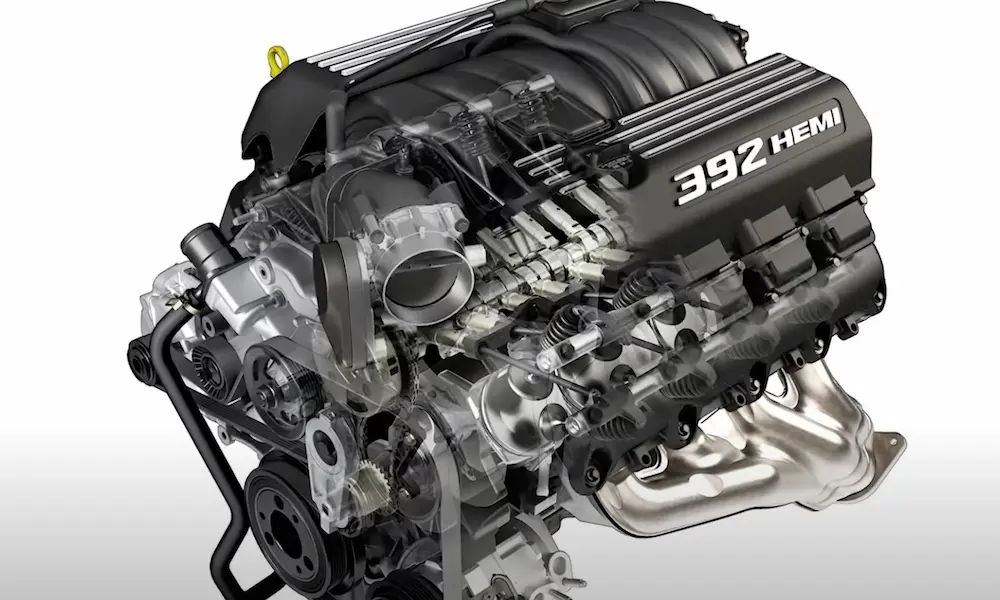
Scat Pack models pack 485 horsepower from this beast. Despite the brutal power, multiple owners report exceeding 200,000 miles with only routine maintenance.
Sure, you’ll change 16 spark plugs instead of 4, and fuel economy tanks. But the engine’s robust construction handles abuse better than you’d expect.
The 2.7L V6: Run Away
Avoid any 2006-2008 Charger with the 2.7L V6. This engine suffered catastrophic reliability issues, often requiring complete replacement. Dodge killed it after 2010 for good reason.
Best and Worst Model Years
Not all Chargers age equally. Some years are bulletproof. Others are money pits.
Buy These Years
2009 and 2010 represent the sweet spot of the sixth generation. Dodge had worked out early bugs, and prices remain affordable for used buyers. These years deliver solid performance with fewer complaints.
2013 marked a turning point with improved reliability, comfortable interiors, and better safety features. Some minor HVAC issues pop up, but nothing major.
2015 through 2018 show fairly good track records. You might encounter abrupt transmission shifting, cruise control hiccups, or electrical gremlins, but serious problems are rare.
2019 through 2023 represent the most reliable Chargers ever built. The 2020 model specifically stands out with its 83/100 J.D. Power score and second-place ranking among all sedans.
Avoid These Years
2006 is the worst year, period. It accumulated the most owner complaints and experienced widespread premature engine failure. Problems occur at lower-than-average mileage with higher-than-average repair costs.
The entire 2006-2008 range suffers from engine failures, transmission problems, electrical issues, and braking defects. Stay far away, especially if it’s got that cursed 2.7L V6.
2011 and 2012 bring alternator failures accompanied by burning rubber smells before total shutdown. The 2011 model also throws “Battery Power Saver” warnings before other lights activate. Chrysler issued a recall in 2014 to address this mess.
The 2012’s new 8-speed transmission generated complaints about rough shifting and reliability concerns. Electrical problems continued plaguing owners.
2014 experienced electrical issues and airbag deployment problems.
2019 suffered brake system defects including erratic service brakes, increased vibration, ill-fitting rear brake pads, and broken rotors. Replacement pads are cheap ($20 to $100), but constant brake work gets old fast.
What’ll It Cost to Maintain?
Here’s some good news: the average annual maintenance cost sits at $652 per year according to RepairPal. That’s below the $792 industry average.
Regular Maintenance Schedule
Dodge’s oil change indicator monitors driving conditions and alerts you when service is needed. Don’t exceed 10,000 miles, 16,000 km, or 12 months between changes.
At each oil change, inspect your battery, exhaust system, CV/universal joints, engine air filter, brake components, cooling system, and rotate tires if they’re wearing unevenly. This inspection typically costs $150 to $250. Oil changes run $137 to $152.
Major Milestones and Costs
Here’s what to expect at key intervals:
| Mileage/Time | Services Required | Estimated Cost |
|---|---|---|
| 10,000 miles / 1 year | Oil change, tire rotation, visual inspections | $202-$232 |
| 30,000 miles / 3 years | Transfer case fluid inspection (AWD), coolant replacement, brake fluid change, air filters | $406-$441 |
| 50,000 miles / 5 years | Rear axle fluid change, front axle fluid (AWD, towing, police use) | $204-$235 |
| 100,000 miles / 10 years | PCV valve replacement, axle fluid changes, spark plugs, coolant flush, brake inspection | $540-$624 |
| 120,000 miles / 12 years | Front suspension, boot seals, park brake adjustment, fluid changes | $674-$733 |
| 140,000 miles / 14 years | Brake pads, rotors, tires, belts | $299-$345 |
One owner with a 2012 Charger SE at 135,000 miles changed all fluids at 100,000 miles using Royal Purple synthetic products. He’s only dealt with alternator replacement, electrical fuses causing limp mode, exhaust problems, and suspension upgrades.
That Scat Pack owner who hit 240,000 miles? He used Castrol Edge 0w-40 oil every 5,000 miles, Motul ATF VI for transmission changes every 50,000, spark plugs every 90,000, and serpentine belts roughly every 90,000 miles.
Consistency matters more than expensive parts.
Common Problems You’ll Face
Even reliable Chargers develop issues. Here’s what breaks.
Brake System Headaches
The 2019 Charger received tons of complaints about erratic brake behavior, excessive vibration, ill-fitting rear pads, and broken rotors.
Early police models (2006-2008) wore through brake pads every 4,000 to 8,000 miles until Dodge fixed the pad compound around 2008.
Suspension Wear and Tear
Aggressive driving or rough roads accelerate suspension deterioration. The 2013 model got multiple complaints about weird noises and sudden power steering loss from damaged tension struts, worn bushings, and unstable steering wheels. At least two crashes resulted.
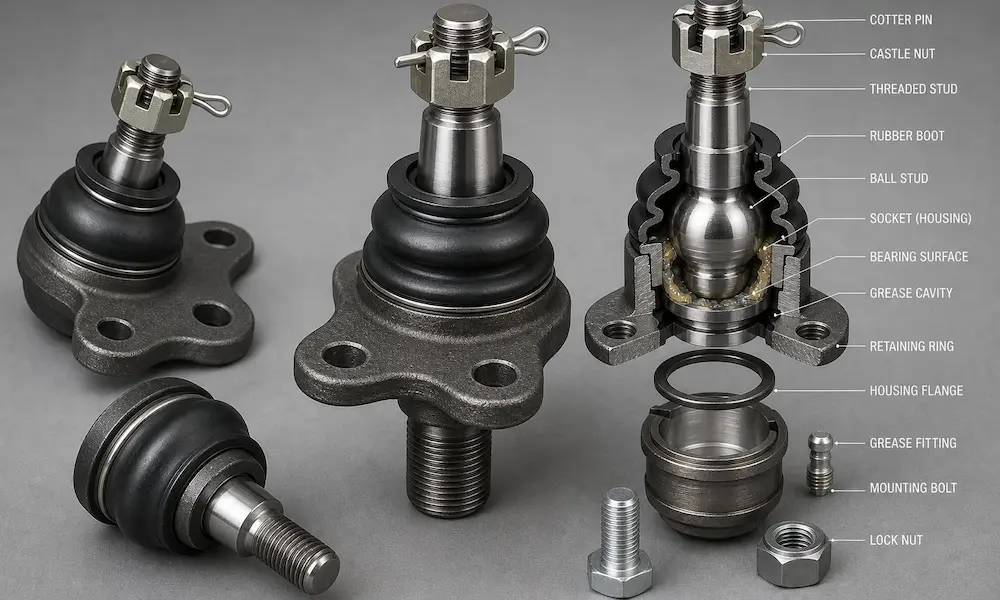
Suspension components typically last 100,000 miles, but faulty parts fail earlier. Regular professional inspections catch problems before they strand you.
Electrical Gremlins
This is the Charger’s Achilles heel across multiple generations.
The 2011 model experienced widespread alternator failures with burning rubber smells before everything died. Alternator replacement costs $100 to $400 for parts, with total costs between $930 and $991.
Other electrical issues include instrument clusters resetting when you exit with the engine running, poor radio reception when the rear defroster runs, and random accessory malfunctions.
Transmission Troubles
Both sixth-generation (2006-2010) and some seventh-generation (2011-present) models suffer transmission complaints: slippage, hard shifting, decreased acceleration.
Many issues stem from software in the powertrain control module (PCM) and transmission control module (TCM) rather than mechanical failure. Chrysler addressed numerous cases through software updates.
Higher-mileage Chargers might need mechanical transmission repairs.
Interior Quality Issues
Seventh-generation Chargers (2011-2021) develop melting and warping door panels where they meet windows. Some fall off completely—owners initially thought someone tried breaking in.
Poor installation and cheap materials created such widespread problems that nationwide parts backorders occurred.
Other cosmetic complaints include loose center console panels, dashboard cracking from heat on older models, and Uconnect screen delamination on 2018 models.
Engine-Specific Concerns
The HEMI tick affects 5.7L V8s when lifters fail and damage cam lobes and pushrods. 2011-2012 engines in Ram pickups show particular susceptibility.
Early models (2005-2006) experienced stalling and hesitation after refueling, triggering numerous recalls.
That awful 2.7L V6 in 2006-2008 models suffers complete engine failure, often requiring full replacement.
Water pump leaks pop up across various years. Catch them early or face engine damage.
What Makes Chargers Last (or Die Early)
Your Driving Habits Matter
Frequent burnouts, hard acceleration, and aggressive braking destroy tires, brakes, suspension, and drivetrain components.
Smooth acceleration, gentle braking, and proper warm-up before demanding performance significantly extend component life.
Environmental factors count too. Harsh winters, extreme heat, coastal salt air, and rough roads accelerate deterioration compared to garaged cars in moderate climates.
Maintenance Consistency Is Everything
Chargers receiving regular oil changes with quality synthetic oil (every 5,000-7,500 miles), timely fluid replacements, scheduled inspections, and prompt attention to warning lights consistently reach or exceed 200,000 miles.
Neglect oil changes and you’ll develop HEMI tick in V8s, transmission problems, and premature engine wear.
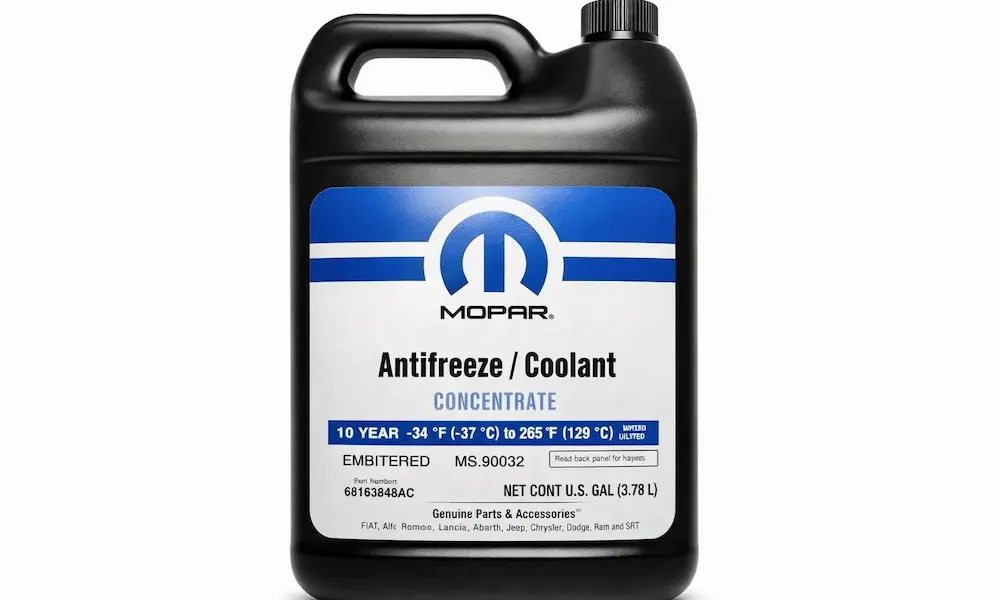
Using manufacturer-recommended or premium fluids and parts (like Mopar coolant and components) prevents recurring issues like water pump failures.
Usage Patterns Tell the Story
Chargers averaging 33,000+ miles annually reach critical wear points faster than those driven 10,000-12,000 miles yearly.
Check the relationship between age and mileage when evaluating used Chargers. 100,000 miles over ten years indicates typical usage. The same mileage over three years suggests intensive use that stressed components.
Police pursuit vehicles offer extreme examples: 40,000+ miles annually plus extensive idle hours (each idle hour equals roughly 20 driving miles). Many still reach 150,000-200,000 miles through proper fleet maintenance.
Previous Ownership Quality
Comprehensive maintenance records documenting consistent oil changes, major repairs, recall completion, and warranty work provide invaluable information.
Gaps in service history, missed oil changes, or deferred repairs often hide problems that surface shortly after purchase.
Physical condition offers clues too. Dents, scratches, worn interiors, and cosmetic neglect suggest rough use or inadequate care extending to mechanical components.
How Chargers Stack Up Against Rivals
The Charger’s reliability positions it competitively, though comparisons depend on specific years and powertrains.
Muscle Car Competition
The Ford Mustang and Chevrolet Camaro generally offer comparable or slightly better reliability ratings. But both come as two-door coupes rather than four-door sedans, limiting practicality for families and daily use where the Charger excels.
Full-Size Sedan Rivals
Against other full-size sedans, the Charger demonstrates above-average durability. Its 3.6L Pentastar V6 earns particular praise for reliability, with police fleet data showing minimal issues under extreme duty cycles.
Some Reddit users noted they encounter numerous broken-down Nissans, GM SUVs, and Kias on highways, but Chargers rarely appear stranded roadside.
The Charger’s combination of V8 muscle car performance in a practical four-door package creates a unique market position competitors struggle to match.
Police Fleet Validation
Police departments nationwide have validated Charger durability through fleet adoption since the mid-2000s. Pursuit models get upgraded suspensions, enhanced cooling, and specific tuning for extended idling, high-speed chases, and demanding duty cycles.
Early brake pad compounds (2006-2008) wore excessively quickly, requiring changes every 4,000-8,000 miles. Dodge fixed this around 2008 with revised formulations extending service life while reducing noise.
Current police Chargers typically serve about 3.5 years before retirement—short, but involving extremely harsh use including wide-open-throttle testing at 160+ mph, continuous idling, aggressive maneuvers, and 24/7 operation.
The proven track record of police Chargers under extreme conditions proves fundamental engineering robustness.
Don’t buy retired police vehicles though. They’ve been “beat to hell” from constant hard use, crashes into curbs and medians, and aggressive driving. Civilian-owned examples with documented maintenance histories are far better choices.
Final Thoughts
Dodge Chargers can realistically deliver 200,000-250,000 miles of reliable service. Some dedicated enthusiasts even reach 300,000 miles.
The key? Consistent care, prompt repairs, and respecting the vehicle’s limitations while enjoying its substantial performance.
Choose the right model year (2009, 2010, 2013, or 2015-2023), avoid problematic years (2006-2008, 2011-2012), pick a reliable engine (3.6L V6 or 6.4L V8 over the temperamental 5.7L HEMI), and maintain it properly.
Do that, and your Charger won’t just last—it’ll thrive.