Looking to upgrade your car’s window tint but wondering if ceramic tint is worth the extra cost? You’re facing a common dilemma. With prices ranging from $400-$1,000 for ceramic versus $150-$300 for regular tint, it’s natural to question the value. This guide breaks down exactly what ceramic tint offers, how it compares to cheaper alternatives, and whether the investment makes sense for your specific situation.
What Makes Ceramic Tint Different?
Ceramic window tint isn’t just a marketing gimmick—it’s genuinely different technology. Unlike regular dyed films or metallic alternatives, ceramic tint contains microscopic ceramic particles embedded within multiple layers of polyester film. These particles are invisible to the naked eye but work hard to block heat while maintaining clarity.
The science is pretty fascinating. These nano-ceramic particles specifically target infrared radiation—the primary source of heat from the sun—while allowing visible light to pass through. This means you can get excellent heat rejection without making your windows excessively dark.
Key Ceramic Tint Features:
- Non-metallic composition: Won’t interfere with electronics, GPS, or cell signals
- Microscopic ceramic particles: Block heat without compromising visibility
- Multi-layer construction: Provides durability and consistent performance
- No dyes: Won’t fade, purple, or change color over time
The Performance Difference: Ceramic vs. Regular Tint
When you’re considering paying 2-3 times more for ceramic tint, you need to know exactly what performance benefits you’re getting. Let’s compare the numbers:
| Feature | Ceramic Tint | Regular Dyed Tint | Carbon Tint |
|---|---|---|---|
| Heat Rejection | 85-95% | 35-50% | 55-70% |
| UV Blocking | 99% | 95-99% | 99% |
| Lifespan | 10-20+ years | 3-5 years | 5-7 years |
| Signal Interference | None | None | Minimal |
| Fade Resistance | Excellent | Poor | Good |
| Typical Warranty | Lifetime | 1-5 years | 5-10 years |
The numbers tell a clear story. Ceramic tint blocks significantly more heat than standard options, often reducing interior temperatures by 10-25 degrees compared to untinted windows.
What’s even more impressive is that ceramic tint can reject more heat even when it’s lighter in shade. A 70% VLT (visible light transmission) ceramic tint often outperforms a much darker 35% regular tint in heat rejection tests. This means you can maintain better visibility while getting superior heat protection.
Real-World Heat Protection: Does It Really Work?
Independent testing confirms the performance claims. In controlled experiments using infrared heat lamps, ceramic tint reduced transmitted heat from over 200 BTUs to just 25-30 BTUs—a 90-95% reduction in heat transfer.
What does this mean in practical terms? On a 95°F day:
- A car with no tint might reach interior temperatures of 140°F+
- With regular tint, you might see 120-125°F
- With ceramic tint, interior temperatures typically stay under 110°F
This isn’t just about comfort—it’s about:
- Reducing AC usage and improving fuel economy
- Protecting your dashboard and upholstery from cracking and fading
- Creating a safer environment for children and pets
- Decreasing driver fatigue on long trips
One parent noted, “After installing ceramic tint, I no longer have to worry about my child’s car seat being too hot to touch, even after hours in the parking lot.” This practical benefit alone justifies the cost for many families.
Durability: The Long-Term Value Proposition
The initial sticker shock of ceramic tint becomes much more reasonable when you consider longevity. High-quality ceramic films can last 10-15 years or even the lifetime of your vehicle with proper care.
Regular dyed tint typically needs replacement every 3-5 years due to:
- Purple discoloration from UV exposure
- Bubbling and peeling
- Diminished heat rejection performance
Let’s do the math:
- Regular tint: $250 initial cost + $250 replacement in 4 years = $500 over 8 years
- Ceramic tint: $600 initial cost, no replacement needed = $600 over 8+ years
The cost difference narrows significantly over time, especially considering most premium ceramic tints come with lifetime warranties that cover fading, bubbling, or peeling.
Warranty Protection: What You’re Really Paying For
When you invest in ceramic tint, a significant portion of what you’re paying for is the warranty. Most premium ceramic tint manufacturers offer comprehensive lifetime warranties that cover:
- Color stability (no purpling or fading)
- Adhesive failure
- Bubbling or peeling
- Performance degradation
Many of these warranties are transferable and nationwide, providing protection regardless of where you move. This contrasts sharply with cheaper tints that typically offer limited warranties of 1-5 years, if any.
Before installation, always verify:
- Warranty length and coverage
- Transferability
- National coverage network
- Required maintenance documentation
Signal Reception: A Hidden Benefit
If you’ve ever had metallic window tint, you might have experienced dropped calls, GPS glitches, or radio interference. This happens because metallic particles used in these tints can block electromagnetic signals.
Ceramic tint’s non-conductive nature means no interference with electronics. This is particularly important in modern vehicles loaded with connectivity features:
- Satellite radio
- Keyless entry systems
- GPS navigation
- Mobile phone reception
- Toll transponders
For professionals who depend on constant connectivity, this benefit alone can make ceramic tint the only practical choice.
Installation Considerations: Professional vs. DIY
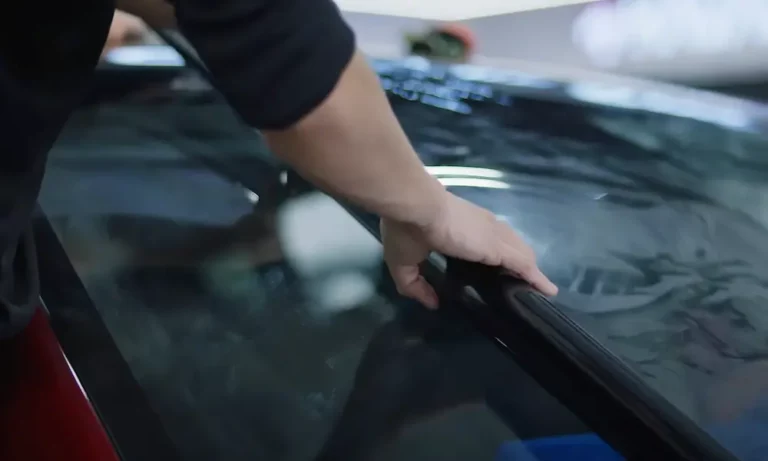
While DIY ceramic tint kits exist, professional installation is strongly recommended. The precision required for proper application of ceramic film exceeds what most amateurs can achieve, especially on curved rear windows.
A professional installation includes:
- Computer-cut patterns for perfect fitting
- Professional-grade tools and techniques
- Dust-free environment
- Proper heat shrinking around curves
- Warranty validation
Poor installation can result in bubbling, debris trapped under the film, or improper adhesion—negating the benefits you’ve paid for. The extra cost for professional installation is justified through proper performance and warranty protection.
Climate and Usage: When Ceramic Makes the Most Sense
Your geographic location and driving habits significantly impact the value proposition of ceramic tint. Consider these scenarios:
High-Value Scenarios:
- You live in Arizona, Texas, Florida or other hot, sunny climates
- You park outdoors most of the time
- You drive daily for long periods
- You plan to keep your vehicle for 5+ years
- You have children or pets who regularly ride in your car
- You’re sensitive to heat or have medical reasons to avoid UV exposure
Lower-Value Scenarios:
- You live in cooler, cloudier regions
- You have covered parking at home and work
- You drive infrequently or for short trips
- You plan to sell your vehicle within 2-3 years
- You’re on an extremely tight budget
In hot climates, ceramic tint often pays for itself through reduced AC usage and the preservation of your vehicle’s interior. As one Arizona driver put it, “Ceramic tint isn’t a luxury here—it’s practically a necessity.”
Regional Cost Variations
Installation costs vary significantly by location and installer expertise. Urban areas generally command premium prices, with luxury vehicle installations often exceeding $1,000 for top-tier ceramic films.
Typical ceramic tint pricing by vehicle type:
- Compact car: $400-$600
- Mid-size sedan: $500-$800
- SUV or truck: $600-$1,000
- Luxury vehicle: $800-$1,200+
Prices in hot-climate states like Arizona, Florida, and Texas tend to be more competitive due to higher demand and installer volume. Shopping around can save you money, but be wary of prices that seem too good to be true—they often indicate lower-quality film being misrepresented as ceramic.
Maintaining Your Ceramic Tint
One of ceramic tint’s advantages is its low maintenance requirements. However, proper care ensures maximum longevity:
- Wait 3-7 days after installation before washing windows to allow proper curing
- Use ammonia-free cleaners to prevent film degradation
- Clean with microfiber cloths to avoid scratching
- Avoid abrasive materials and harsh chemicals
- Don’t roll windows down completely during the first week
With proper care, ceramic tint typically requires no special maintenance beyond regular cleaning. The ceramic particles won’t degrade over time like dyes, maintaining performance throughout the film’s lifespan.
Potential Drawbacks to Consider
Despite its advantages, ceramic tint isn’t perfect for everyone. Potential drawbacks include:
- Higher initial cost: The primary barrier for budget-conscious consumers
- Installation complexity: Requires skilled technicians with ceramic film experience
- Limited availability: Not all shops offer genuine ceramic options
- Slight color variations: Some users report color shifts when viewed with polarized sunglasses
- Legal restrictions: Some states limit tint darkness, regardless of type
Some shops may also try to upsell “ceramic” products that don’t contain true ceramic technology. Verify you’re getting genuine ceramic tint by requesting the manufacturer’s specification sheet and checking online reviews.
Real Customer Experiences
Customer feedback consistently validates the performance claims of ceramic tint:
“After installing ceramic tint on my Tesla, the difference in cabin temperature was immediate and dramatic. The car is noticeably cooler when parked in the sun, and I use less energy on climate control.”
“I initially balked at the price, but three years later, my ceramic tint looks exactly the same as day one—no fading, no bubbles. My previous car with regular tint started purpling after just two summers.”
“Living in Phoenix, I can say ceramic tint is absolutely worth every penny. My kids no longer complain about the heat in the back seat, and I don’t have to blast the AC at maximum anymore.”
Parents particularly value the UV protection for children and the cooler cabin temperatures that reduce discomfort during hot weather.
Is Ceramic Tint Worth It for You?
After analyzing the performance, longevity, and value proposition, ceramic tint emerges as a worthwhile investment for most vehicle owners—especially those in sunny climates or who spend significant time in their vehicles.
Ceramic tint makes the most sense if:
- You live in a hot, sunny climate
- You’re keeping your vehicle for 5+ years
- You value comfort and interior protection
- You use electronics that require signal reception
- You want the best possible UV protection
Regular tint might be sufficient if:
- You’re on a tight budget in a moderate climate
- You plan to sell your vehicle within 2-3 years
- You have covered parking most of the time
- Heat rejection isn’t your primary concern
The price premium for ceramic tint is justified through superior performance, exceptional durability, and meaningful long-term value. For most drivers, ceramic tint provides benefits that significantly outweigh the additional expense compared to regular tinting options.
Remember: quality varies significantly between brands and installers. Research local shops, read reviews, and verify warranty details before making your decision. The right ceramic tint, properly installed, is an investment that will enhance your driving experience for years to come.