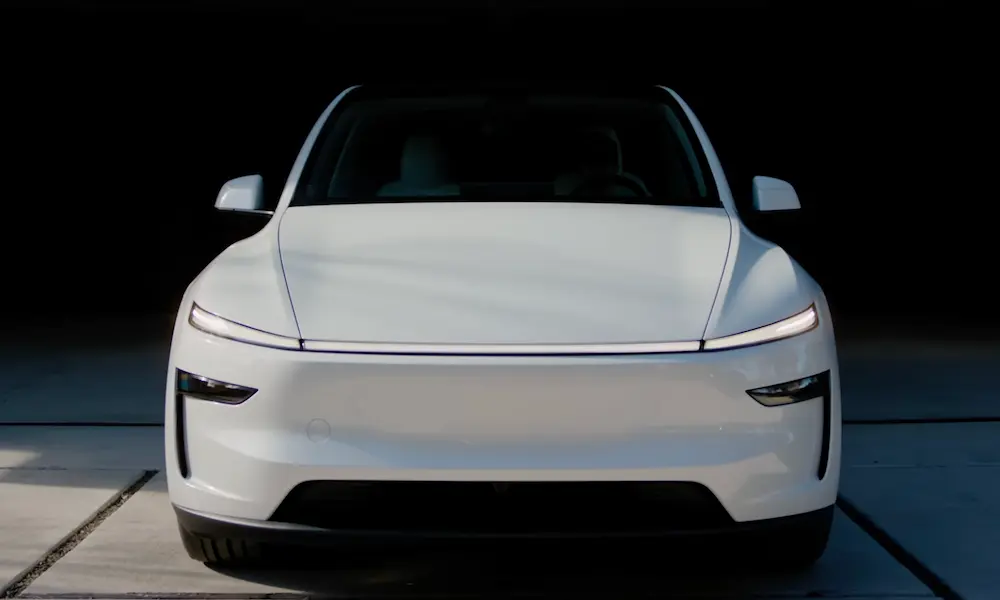
Thinking about taking the plunge on a Tesla? You’re not alone. With their sleek designs and tech-forward approach, Tesla has revolutionized how we think about cars. But with premium price tags and mixed reviews about reliability, you might be wondering if the investment actually makes sense for your situation. Let’s break down the real costs, benefits, and considerations to help you decide if a Tesla belongs in your driveway.
The True Cost of Tesla Ownership
When you’re considering a Tesla, the sticker price is just the beginning of the story. The 2025 lineup starts with the Model 3 Long Range at $44,130 and the Model Y Long Range at $56,089. These aren’t small investments, and they position Tesla firmly in the luxury vehicle category.
Let’s get real about what you’ll actually pay over time:
Model 3 vs. Honda Accord: 5-Year Cost Comparison
| Expense Category | Tesla Model 3 Long Range | Honda Accord EX |
|---|---|---|
| Purchase price | $44,130 | $31,000 |
| Energy/Fuel | $2,200 (electricity) | $9,000 (gas) |
| Insurance | $18,180 | $15,000 |
| Maintenance | $1,500 | $4,500 |
| Depreciation | $27,400 | $18,000 |
| Total 5-Year Cost | $93,410 | $77,500 |
The numbers don’t lie – you’ll spend about $15,910 more on the Tesla over five years. That’s a significant premium, even after accounting for the lower energy and maintenance costs.
When comparing the Tesla Model Y to the BMW X3 (a more appropriate luxury comparison), the gap narrows to about $7,744 over five years – still more expensive, but perhaps more justifiable if you’re already shopping in the luxury segment.
The Federal Tax Credit Countdown
If you’re on the fence, here’s something to consider: The full $7,500 federal tax credit for Tesla vehicles expires on September 30, 2025. This effectively creates a deadline for maximizing your savings. Without this credit, the total cost gap between Teslas and traditional vehicles widens considerably.
The tax credit can make a huge difference in the value equation, potentially reducing that five-year cost difference by nearly half in some cases. If you’re eligible for the full credit and planning to buy soon, the timing couldn’t be more critical.
Tesla’s Operational Advantages
Where Tesla truly shines is in day-to-day operation. The savings are substantial:
Fuel/Energy Costs
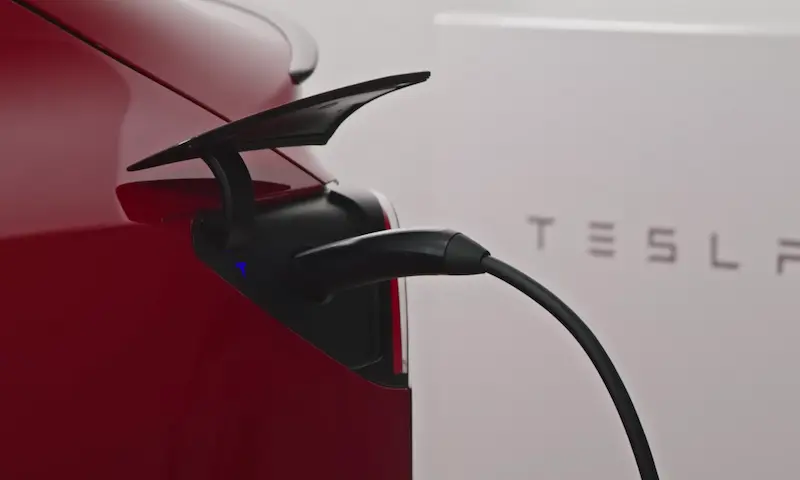
Home charging a Tesla typically costs between $8.28 and $14.40 for a full charge, depending on your local electricity rates. Over five years, most owners spend around $2,200 on charging – a dramatic savings compared to the $9,000 you might spend on gas for a comparable vehicle.
Even using Tesla’s Supercharger network costs significantly less than filling up with gas, typically around $0.25 per kWh.
Maintenance Simplicity
With no oil changes, fewer moving parts, and regenerative braking that reduces wear on brake pads, Tesla maintenance is remarkably simple. Most owners need only:
- Tire rotations
- Cabin air filter replacements
- Wiper blade changes
This simplicity translates to 30-50% lower maintenance costs compared to gas vehicles. No more scheduling oil changes or dealing with transmission issues – that peace of mind has real value.
Reliability: The Improving Story
Tesla’s reliability has been a mixed bag, but there’s good news in the latest data. The 2025 J.D. Power Vehicle Dependability Study shows Tesla scoring 209 problems per 100 vehicles – a substantial improvement from 252 in 2024. Tesla now outranks luxury brands like Mercedes-Benz (218 PP100) and Audi (275 PP100).
That said, build quality issues persist, particularly in early production models. Owners frequently report:
- Panel gaps
- Paint defects
- Rattles
- Door alignment issues
The service experience remains a challenge too. Tesla’s service network isn’t as extensive as traditional dealers, resulting in longer wait times for appointments and sometimes limited parts availability.
Tesla’s Technology Edge
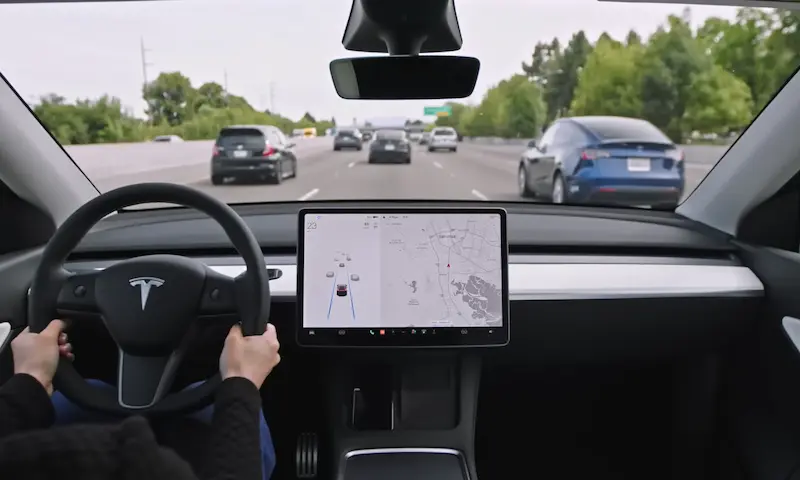
Tesla’s tech features represent both its greatest strength and potential weakness. The Full Self-Driving (FSD) package ($8,000 or $99/month subscription) continues to improve with each update. Version 12.5 has made significant strides, though it still requires constant driver attention.
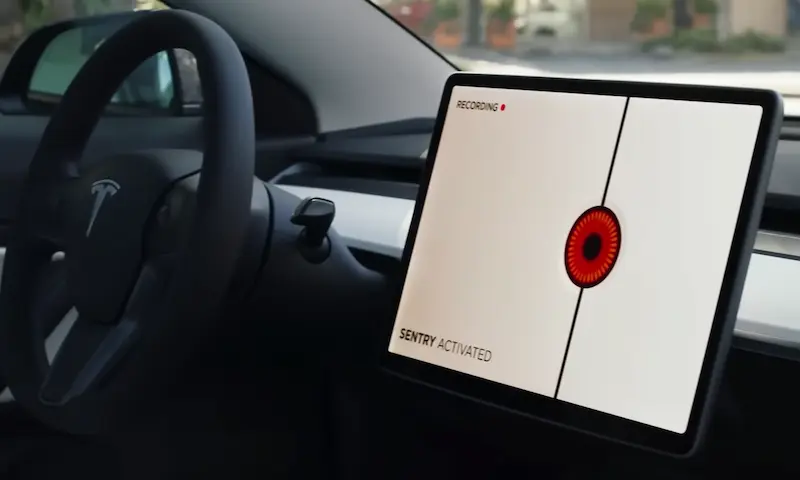
The minimalist interior centered around a large touchscreen is divisive – tech enthusiasts love it, while others miss physical controls. The learning curve can be steep, and there’s always the concern of what happens if that central screen fails.
Resale Value: A Changing Picture
Historically, Teslas held their value exceptionally well, but this picture is changing. Recent data shows a concerning 27% year-over-year drop in Tesla resale values. The Model Y is projected to depreciate about 60.4% over five years – significantly more than in previous years.
This depreciation trend represents a major shift in the market dynamics. The Model 3 currently retains about 43% of its value after five years, which is better than many luxury vehicles but worse than traditional reliable brands.
Environmental Considerations
If environmental impact is a priority, Tesla delivers clear benefits:
- Zero tailpipe emissions
- Potential for zero-emission operation when charged with renewable energy
- Lower overall carbon footprint over the vehicle’s lifetime
The environmental math improves dramatically if you:
- Drive high annual mileage
- Have home solar panels
- Live in an area with clean electricity generation
Who Should Buy a Tesla in 2025?
A Tesla Makes Financial Sense If You:
- Drive 15,000+ miles annually to maximize fuel savings
- Have easy home charging access with reasonable electricity rates
- Qualify for the full $7,500 tax credit before it expires
- Plan to keep your vehicle for 7+ years
- Value technological innovation and performance over luxury appointments
Traditional Vehicles May Be Better If You:
- Drive fewer than 10,000 miles annually
- Lack convenient home charging options
- Prioritize lowest possible total ownership cost
- Need extensive service network availability
- Plan short-term ownership (less than 5 years)
Compelling Alternatives to Consider
The EV market has matured significantly, offering compelling Tesla alternatives:
- Hyundai Ioniq 6: Offers 324 miles of range at about $5,000 less than the Model 3
- BMW i4: Delivers luxury refinement with comparable electric performance
- Ford Mustang Mach-E: Provides a more traditional automotive experience with dealer support
- Kia EV9: A three-row SUV alternative to the Model X at a much lower price point
- Cadillac Lyriq: Combines traditional luxury with electric performance
The Intangible Tesla Experience
Despite the cost premium, Tesla maintains extraordinary owner satisfaction scores. An impressive 99% of Model 3 owners report they would recommend their vehicle to friends and family, and Tesla boasts a Net Promoter Score of 97 – practically unheard of in the automotive industry.
This satisfaction stems from factors that transcend simple financial calculations:
- The instant torque and smooth acceleration
- Quiet, vibration-free driving experience
- Regular software updates that add features and improvements
- The feeling of driving something innovative and forward-thinking
Making Your Tesla Decision
The Tesla question ultimately comes down to personal priorities. Yes, you’ll likely pay a premium of $7,000-$16,000 over five years compared to alternatives. But for that premium, you get cutting-edge technology, environmental benefits, and a driving experience that continues to delight owners.
If you value innovation, performance, and environmental benefits over pure cost savings, a Tesla might be worth every penny. If you’re primarily focused on minimizing total costs, traditional vehicles or alternative EVs will likely serve you better.
With the federal tax credit expiring soon, prospective buyers face a rapidly closing window to maximize savings. For those on the fence who qualify for the full credit, acting before September 30, 2025, could significantly improve the value equation.
A Tesla isn’t just transportation – it’s a technology purchase, a statement, and an experience. Whether that package is “worth it” depends entirely on what you value most in your vehicle ownership journey.