Worried that your frequent Supercharger visits might be killing your Tesla’s battery? You’ve probably heard conflicting advice about how Tesla’s fast charging affects your car’s most expensive component. Let’s cut through the noise and look at what the data actually shows about Supercharging effects on Tesla batteries.
What Tesla’s Data Shows About Supercharging Impact
Recent analysis of over 160,000 data points from real-world Tesla vehicles revealed something surprising: there’s no statistically significant difference in range degradation between cars that frequently use Superchargers and those that primarily charge at home.
Tesla vehicles that used Superchargers for more than 70% of their charging sessions showed nearly identical capacity loss curves compared to those that primarily used slower AC charging. A study found that after 5 years:
| Charging Type | Avg. Degradation | 95% Confidence Interval |
|---|---|---|
| Frequent Supercharging | 11.8% | ±1.2% |
| Rare Supercharging | 12.1% | ±0.9% |
This data directly contradicts the common belief that regular Supercharging significantly harms Tesla batteries. Tesla’s advanced battery management system (BMS) appears to effectively mitigate potential damage from fast charging.
How Tesla’s Battery Management System Protects Your Battery
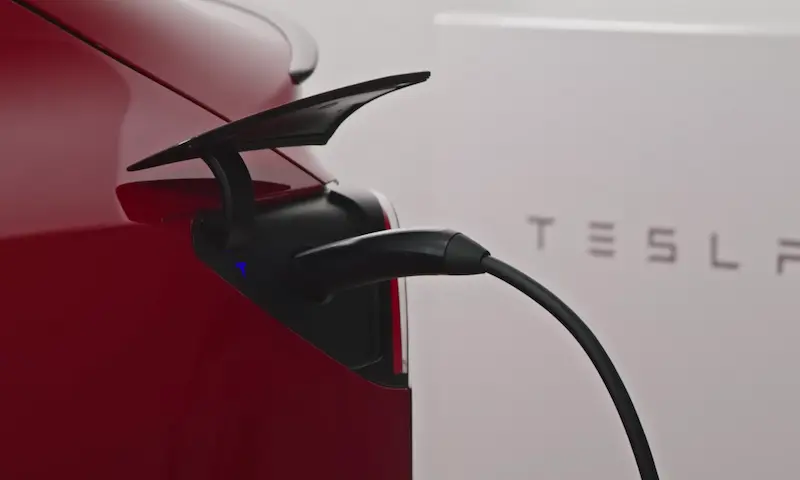
Your Tesla’s sophisticated BMS works behind the scenes to preserve battery health during Supercharging through several key mechanisms:
Active Thermal Management
Unlike some early EVs, Tesla vehicles use liquid cooling systems that maintain optimal battery temperatures even during rapid charging. This thermal management system prevents the heat-related degradation that can occur during fast charging.
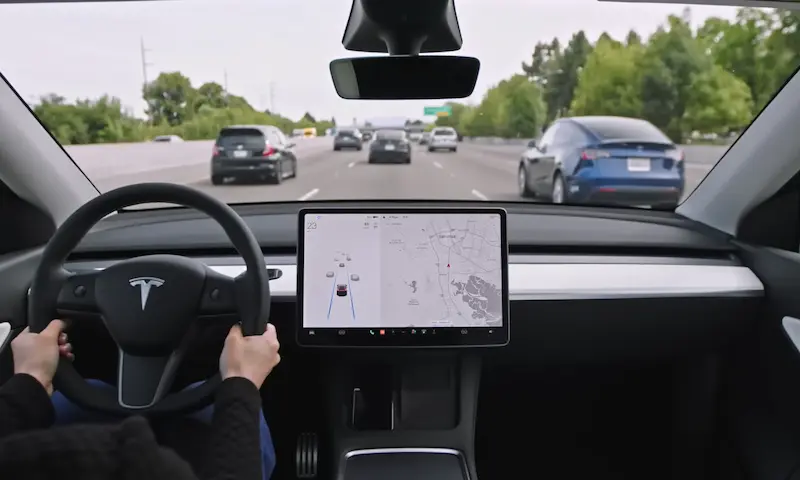
When you navigate to a Supercharger using Tesla’s navigation system, your car will actually precondition the battery en route, warming it to the ideal temperature for fast charging while minimizing stress.
Intelligent Charge Rate Adjustment
Your Tesla doesn’t charge at maximum power throughout a Supercharging session. The car automatically reduces the charging rate as your battery fills up:
- 0-50%: Fastest charging (up to 250kW on V3 Superchargers)
- 50-70%: Moderately fast charging
- 70-80%: Reduced power
- 80-100%: Significantly slower charging
This “charge tapering” is by design, protecting your battery during the stages where fast charging would cause the most stress.
Battery Chemistry Matters: Different Tesla Batteries React Differently
Not all Tesla batteries respond the same way to Supercharging. The type of battery in your specific Tesla model affects how it handles fast charging:
NCA/NMC Batteries (Most Model S, X, 3, Y)
These nickel-based batteries are found in most Tesla vehicles manufactured before 2021. They offer high energy density but are somewhat more sensitive to charging conditions. For these batteries:
- Daily charging to 80-90% is ideal
- Occasional Supercharging to 100% for road trips is fine
- Limit time spent at 100% charge
LFP Batteries (Standard Range Model 3, Y after 2021)
Lithium Iron Phosphate batteries are more tolerant of full charging. According to Tesla’s manual:
- Can be regularly charged to 100%
- Less sensitive to frequent Supercharging
- Still benefit from avoiding prolonged periods at 100%
Real-World Tesla Owner Experiences With Supercharging
Tesla owners who regularly use Superchargers report minimal issues with battery degradation. On Tesla forum discussions, many owners with 100,000+ miles report only 5-7% capacity loss despite frequent Supercharging.
One owner shared: “I’ve Supercharged my Model 3 almost exclusively for three years (apartment dweller). After 60,000 miles, I’m seeing around 6% degradation, which is within normal range regardless of charging method.”
This real-world feedback aligns with the formal research showing that Supercharging itself doesn’t significantly accelerate battery degradation.
Best Practices for Healthy Supercharging
While Supercharging isn’t inherently harmful, following these guidelines will help maximize your Tesla battery’s lifespan:
Optimal State of Charge (SoC) Ranges
- For daily use: Maintain your battery between 20% and 80% for regular driving
- For NCA/NMC batteries: Avoid staying at 100% for extended periods
- For LFP batteries: Tesla recommends charging to 100% at least once weekly
Supercharging Strategy
- Use Tesla navigation to precondition your battery before arriving at a Supercharger
- During road trips, charge to 80-85% for optimal time efficiency (charging slows significantly above 80%)
- Only charge to 100% when necessary for your journey
- Avoid multiple back-to-back Supercharging sessions when possible
Temperature Considerations
- The National Highway Traffic Safety Administration recommends avoiding repeated Supercharging in extreme temperatures
- If possible, schedule Supercharging during moderate temperatures
- Allow the car’s thermal management to run after Supercharging in hot weather (don’t immediately power off)
When Supercharging Might Actually Cause Issues
While modern Teslas handle Supercharging well, there are specific scenarios where frequent Supercharging might contribute to accelerated battery degradation:
Older Tesla Models
The earliest Model S vehicles (pre-2015) used a different cooling system that was less effective at managing heat during Supercharging. These vehicles may show more degradation with frequent Supercharging compared to newer models.
Extreme Usage Patterns
A study found that extremely frequent Supercharging (multiple times daily) combined with routinely charging to 100% may eventually impact battery health, particularly in hot climates.
Combined Stress Factors
Supercharging itself may not cause significant degradation, but when combined with other stress factors, the cumulative effect can be greater:
- Frequent Supercharging + consistently charging to 100%
- Frequent Supercharging + exposure to extreme heat
- Frequent Supercharging + regularly depleting below 10%
Long-Term Considerations and Future Improvements
Tesla continues to improve battery technology and charging protocols with each model year. According to data from EV charging experts, newer Tesla models actually handle Supercharging better than older ones.
Preliminary data suggests that 2022+ Model 3/Y vehicles with updated battery management firmware experience lower peak temperatures during Supercharging compared to 2019-2021 models, potentially extending battery life even further.
The Bottom Line on Supercharging Your Tesla
The data is clear: regular Supercharging doesn’t significantly harm your Tesla’s battery when used in accordance with basic best practices. Tesla’s sophisticated battery management system effectively mitigates the potential stress from fast charging.
For most Tesla owners, the convenience of Supercharging outweighs any minimal impact on battery longevity. You can confidently use the Supercharger network for road trips and occasional charging needs without significant concerns about battery degradation.
Rather than avoiding Supercharging, focus on these more important battery health factors:
- Keeping your battery within the recommended state of charge range
- Avoiding extended periods at very high or very low charge levels
- Using your Tesla regularly rather than leaving it unused for long periods
- Following Tesla’s official charging recommendations for your specific model
By understanding how your Tesla actually handles Supercharging, you can enjoy the convenience of Tesla’s extensive fast charging network without unnecessary battery anxiety.