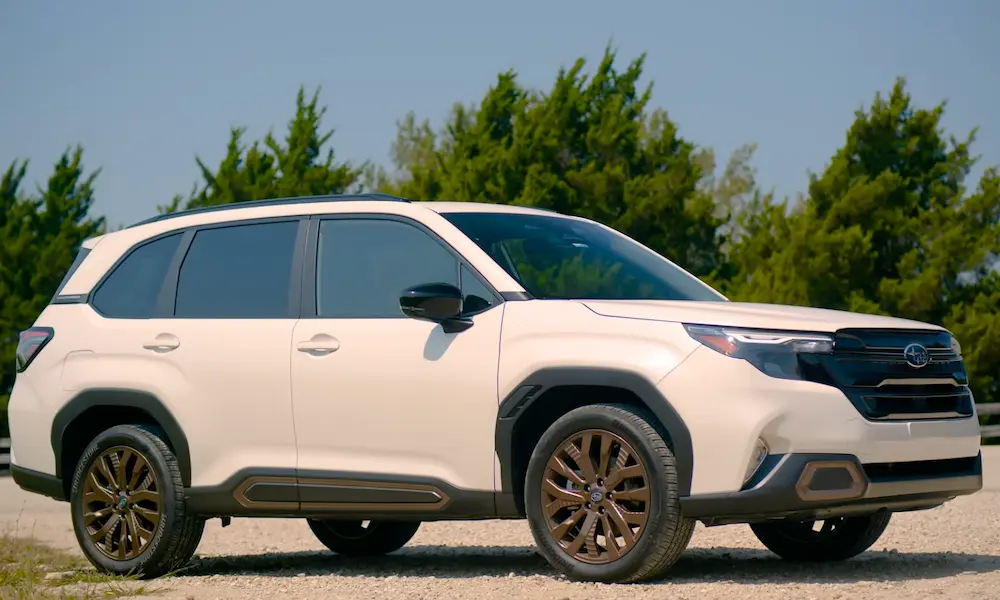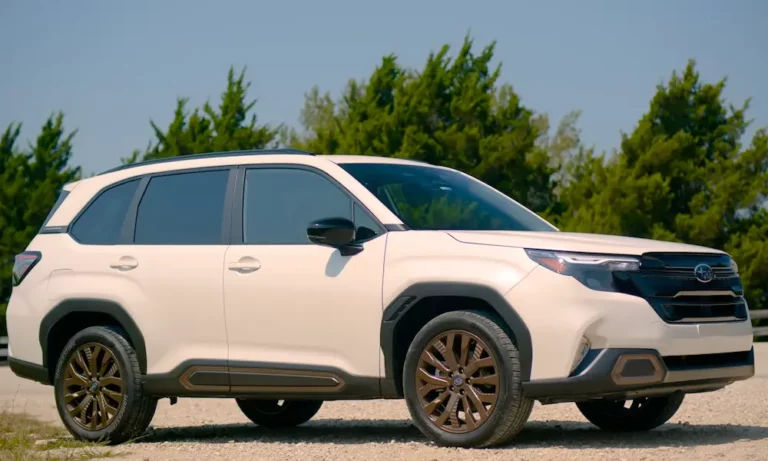
Noticing dark spots under your Subaru Forester? You might be facing one of the most common issues with these otherwise reliable SUVs: oil leaks. Whether you drive a 2005 or 2023 model, understanding these leaks can save you thousands in repair bills and prevent more serious engine problems. Let’s dive into everything you need to know about Subaru Forester oil leaks, common culprits, and what you can do about them.
Why Subaru Foresters Develop Oil Leaks
Subaru Foresters are fantastic vehicles for all-weather capability, but they have some design characteristics that make them prone to specific oil leak problems. The horizontally-opposed “boxer” engine layout creates unique pressure points and sealing challenges.
The most common reasons for oil leaks include:
- Age and heat degradation of gaskets and seals
- Specific design issues in certain generations
- Regular pressure fluctuations in the boxer engine
- Temperature extremes that accelerate gasket deterioration
Let’s examine the most common leak sources by engine design and model year.
Most Common Subaru Forester Oil Leak Locations
Valve Cover Gasket Leaks
Valve cover gasket leaks are the number one culprit for oil leaks in Subaru Foresters. These gaskets create a seal between the valve cover and cylinder head, preventing oil from escaping. Over time, they break down from heat exposure and constant contact with engine oil.
When valve cover gaskets fail, you’ll typically notice:
- Oil dripping onto the exhaust manifold
- A distinct burning oil smell entering the cabin through air vents
- Oil around spark plug tubes
- Small puddles under your parked vehicle
The good news? This is one of the more affordable Forester oil leak repairs, typically costing between $200-$400 for both sides. Many DIY-inclined owners tackle this repair themselves with basic tools and new gaskets from a reputable parts supplier.
Head Gasket Issues
While less common in newer models, head gasket failures were notorious in Subaru Foresters built between 1996-2005 with the 2.5L naturally aspirated engines. The original single-layer gaskets with graphite coating simply weren’t durable enough.
Modern Foresters use multi-layer steel head gaskets that are much more reliable. But if you own an older model, watch for these symptoms:
- External oil leaks at the seam between the engine block and cylinder head
- Oil mixed with coolant
- Coolant consumption without visible leaks
- Overheating, especially during hot weather or long drives
Head gasket repairs are expensive, typically $1,700 or more, since the engine often needs to be removed from the vehicle.
Timing Cover Leaks
Subaru’s FB-series engines (2011-2013 Foresters) are particularly prone to timing cover oil leaks. These engines use RTV silicone sealant around the timing cover, which can fail over time.
The symptoms include:
- Oil accumulation at the front of the engine
- Leaks that seem to worsen after the engine heats up
- Oil drips near the crankshaft pulley
Unlike the older EJ engines with timing belts, the newer engines with timing chains require complete engine removal for timing cover repairs, making this a costly repair averaging $1,000-$2,000.
Cam Carrier and Camshaft Seal Leaks
Modern FA/FB series engines (2011-present) commonly develop cam carrier oil leaks. The camshaft seals sit behind the timing cover and can deteriorate over time.
Many owners mistake these for valve cover gasket issues, but they require more extensive repairs, including engine removal in most cases. Repair costs range from $200 for simple seal replacement to $1,000 if the engine needs to be removed.
Engine-Specific Oil Leak Patterns
Different Forester generations have different weak points when it comes to oil leaks. Understanding what to expect from your specific model year can help you anticipate and prevent issues.
2009-2010 Foresters (EJ25 Engine)
These models primarily suffer from:
- Head gasket leaks (most common issue)
- Oil pan gasket leaks
- Valve cover gasket deterioration
The EJ25 naturally aspirated engines had well-documented head gasket problems that typically appeared between 120,000-150,000 miles.
2011-2013 Foresters (FB25 Engine)
The transition to the FB25 engine reduced head gasket issues but introduced new leak patterns:
- Timing cover leaks (primary concern)
- Cam carrier leaks
- Valve cover gasket issues
These engines use silicone sealant rather than traditional gaskets in many areas, which fails over time, causing leaks.
2014-2024 Foresters
Modern Foresters continue to use FB-series engines with similar leak patterns to the 2011-2013 models:
- Timing cover leaks
- Cam carrier seepage
- Valve cover gasket deterioration
- Oil pan gasket leaks
The good news is that head gasket issues are now rare in these newer models.
How to Spot a Subaru Forester Oil Leak Early
Early detection is critical to prevent expensive repairs. Here’s what to watch for:
Visual Indicators
- Oil spots or puddles under your parked vehicle (check after overnight parking)
- Oil residue on engine components (look for wet, shiny areas)
- Smoke from the engine bay, particularly during startup
- Oil buildup on the underside of your engine
Performance Symptoms
- Low oil pressure warnings on your dashboard
- Need to add oil between scheduled changes
- Oil consumption of more than 1 quart per 1,000 miles
- Burning oil smell, especially when heater/AC is running
DIY Inspection Tips
- Park on clean concrete or cardboard overnight
- Check engine oil level weekly (frequent drops indicate a leak)
- Look for oil around valve covers, timing cover, and oil pan seams
- Clean engine areas with degreaser, then check a week later for new oil spots
Repair Costs Breakdown
Oil leak repair costs vary greatly depending on the leak source and whether you’re going to a dealer, independent shop, or DIY.
Minor Repairs
| Leak Source | Parts Cost | Labor Cost | Total Average Cost |
|---|---|---|---|
| Valve Cover Gaskets | $30-$80 | $170-$320 | $200-$400 |
| Oil Pan Gasket | $67 | $238 | $305 |
| Oil Pressure Switch | $15-$40 | $50-$60 | Under $100 |
Major Repairs
| Leak Source | Parts Cost | Labor Cost | Total Average Cost |
|---|---|---|---|
| Head Gasket Replacement | $200-$400 | $1,500-$2,600 | $1,700-$3,000 |
| Timing Cover Repair | $200-$300 | $800-$1,700 | $1,000-$2,000 |
| Full Engine Reseal | $500-$800 | $2,500-$5,200 | $3,000-$6,000 |
Most shops charge $100-$200 for oil leak diagnosis. Professional diagnosis using UV dye can help pinpoint exact leak locations, preventing unnecessary repairs.
Preventing Oil Leaks in Your Subaru Forester
Regular Maintenance Matters
- Use high-quality synthetic oil and change at recommended intervals
- Keep the positive crankcase ventilation (PCV) system clean and functional
- Regular coolant changes help prevent head gasket issues in older models
- Follow Subaru’s maintenance schedule religiously
Early Detection Strategy
- Monitor oil levels weekly, especially after your Forester passes 100,000 miles
- Check for oil spots under the vehicle each morning
- Address small leaks before they become major problems
- Consider using thicker oil (10W instead of 5W) in higher-mileage vehicles to reduce seepage
Professional Tips
For vehicles approaching 70,000-100,000 miles, schedule regular professional inspections to identify potential leak sources before they become costly repairs.
Some owners report success with oil additives designed to rejuvenate seals, but these are temporary solutions at best. The proper repair is almost always replacement of the failing gasket or seal.
Driving With an Oil Leak: What You Need to Know
Minor oil leaks can often be monitored temporarily, but you should understand the risks:
Safe to Drive With:
- Slight seepage from valve covers (no drips)
- Minor oil pan seepage that doesn’t create puddles
- Slow consumption (less than 1 quart per 1,000 miles)
Unsafe to Drive With:
- Active dripping when engine is running
- Large puddles under the vehicle
- Oil on hot exhaust components (fire hazard)
- Rapidly dropping oil levels
- Oil pressure warning light
Never ignore an oil pressure warning light—this indicates dangerously low oil levels that can cause catastrophic engine failure within minutes.
Oil Leak vs. Oil Consumption: Understanding the Difference
Many Forester owners confuse oil leaks with oil consumption. They’re different issues with different causes:
Oil leaks are visible escapes of oil from the engine that create external stains, drips, or puddles.
Oil consumption happens when oil burns in the combustion chamber without visible external leakage. This is common in some Forester engines, particularly the 2011-2013 models that were subject to a class action lawsuit for excessive consumption.
Some Foresters experience both issues simultaneously, making diagnosis more complex.
Real Owner Experiences
Forester owners consistently report valve cover gasket leaks as the most common issue. On forums like Reddit, owners describe discovering these leaks during routine maintenance, often around 70,000-120,000 miles.
One 2018 Forester owner shared on Reddit that their dealer quoted $650 for a valve cover gasket replacement, but they found an independent shop that did the job for $350.
Another owner of a 2007 model reported on CarTalk that they noticed a burning oil smell before discovering their valve cover gaskets were leaking onto the exhaust manifold.
Final Thoughts
Oil leaks are common in Subaru Foresters but shouldn’t discourage ownership of these otherwise reliable SUVs. Understanding the common leak points, watching for early warning signs, and addressing issues promptly will help you maintain your Forester’s reliability and value.
Regular maintenance by Subaru-experienced technicians remains your best defense against expensive repairs. Many independent shops specialize in Subaru vehicles and offer more competitive rates than dealerships for these common repairs.
Remember that older Foresters (pre-2010) are more prone to head gasket issues, while newer models (2011+) tend to develop timing cover and cam carrier leaks. Budgeting for these potential repairs is wise for any Forester owner planning to keep their vehicle beyond 100,000 miles.