Thinking about joining the Tesla club without paying the full sticker price? You’re not alone. Used Teslas offer an enticing gateway into electric vehicle ownership, but they come with unique considerations that don’t apply to traditional used cars.
The Financial Picture: Depreciation Works in Your Favor
Tesla vehicles experience significant depreciation in their first few years—and that’s good news for used buyers. The Tesla Model 3 loses approximately 59% of its value over five years, dropping from around $53,047 to $21,542 for base models. Even more dramatic, the Model S depreciates about 71% over the same period, falling from $88,880 to $26,024.
What does this mean for you? Purchasing a two-year-old Model 3 could save you nearly $24,000 compared to buying new. That’s substantial enough to offset many of the concerns about buying used.
Depreciation varies by model, though. The Model Y tends to retain more value (about 40% after five years), making it less of a bargain on the used market compared to the Model S or Model 3.
Battery Health: The Heart of Your Used Tesla
The battery is the most expensive component of any Tesla, so understanding its condition is crucial when evaluating a used purchase.
Tesla batteries perform impressively over time, retaining about 93% of their original capacity after seven years, with an average degradation rate of just 1% annually. For perspective, a 2018 Model 3 will likely still have 82.5% of its original range by 2028.
But what if you encounter a battery with serious degradation? Replacement costs range from $13,000 to $20,000 depending on the model—which is why warranty coverage is so important.
Tesla’s original battery warranty covers:
- 8 years or 100,000-150,000 miles (model dependent)
- Guaranteed to maintain at least 70% capacity during warranty period
When examining a used Tesla, check the vehicle’s estimated range at 100% charge and compare it to the original EPA rating. A discrepancy greater than 10-15% warrants further investigation.
Warranty Considerations: Your Safety Net
A used Tesla with remaining factory warranty provides significant peace of mind. Tesla’s original warranty includes:
- Battery & Drive Unit: 8 years/100,000-150,000 miles
- Basic Vehicle Warranty: 4 years/50,000 miles
If buying a Tesla Certified Pre-Owned vehicle, you’ll receive an additional 1-year/10,000-mile bumper-to-bumper warranty. This additional coverage typically commands a $5,000+ premium over similar vehicles from third-party sellers, but provides protection against unexpected repairs.
For out-of-warranty vehicles, third-party extended warranties from companies like Xcelerate Auto can provide coverage, though they typically exclude the battery and certain high-tech components.
Maintenance Costs: Less Than Gas Cars, But Not Zero
Tesla’s electric drivetrain eliminates many traditional maintenance items—there’s no oil to change, fewer moving parts to break, and regenerative braking reduces wear on brake pads.
Annual maintenance costs for Teslas range from $587 to $832, which includes:
- Tire rotations ($35–$100)
- Cabin air filter replacements ($60–$200)
- Brake fluid checks
- General inspections
However, when things do go wrong outside of warranty, repairs can be costly:
| Repair Type | Typical Cost Range |
|---|---|
| Touchscreen replacement | $1,300–$1,800 |
| Sensor malfunctions | $200–$750 |
| Suspension repairs | $1,500–$3,500 |
According to owner reliability surveys, about 26% of Model 3 owners reported issues, primarily related to bodywork and electrical systems. The good news is that Tesla covered 97% of these repairs under warranty.
Where to Buy: Your Options Compared
Tesla Certified Pre-Owned (CPO)
- Pros: Rigorous inspection, extended warranty, latest software
- Cons: $5,000+ premium over third-party listings, limited selection
- Best for: Risk-averse buyers who value peace of mind
Traditional Dealerships
- Pros: Opportunity for negotiation, trade-ins accepted
- Cons: Limited EV expertise, potential for hidden fees
- Best for: Bargain hunters comfortable with negotiation
Private Sellers
- Pros: Lowest prices, direct communication with previous owner
- Cons: No warranty, requires thorough due diligence
- Best for: Tech-savvy buyers who can verify vehicle condition
Regardless of where you buy, always get a CARFAX report to check accident history and have a pre-purchase inspection that focuses on battery health, panel gaps, paint quality, and software functionality.
Common Issues to Watch For
While Teslas lack many traditional problem areas (no transmission to fail, for example), they have their own unique concerns:
- Build Quality: Early production models often had panel gaps, paint defects, and trim issues. Many Tesla owners report minor but annoying cosmetic problems.
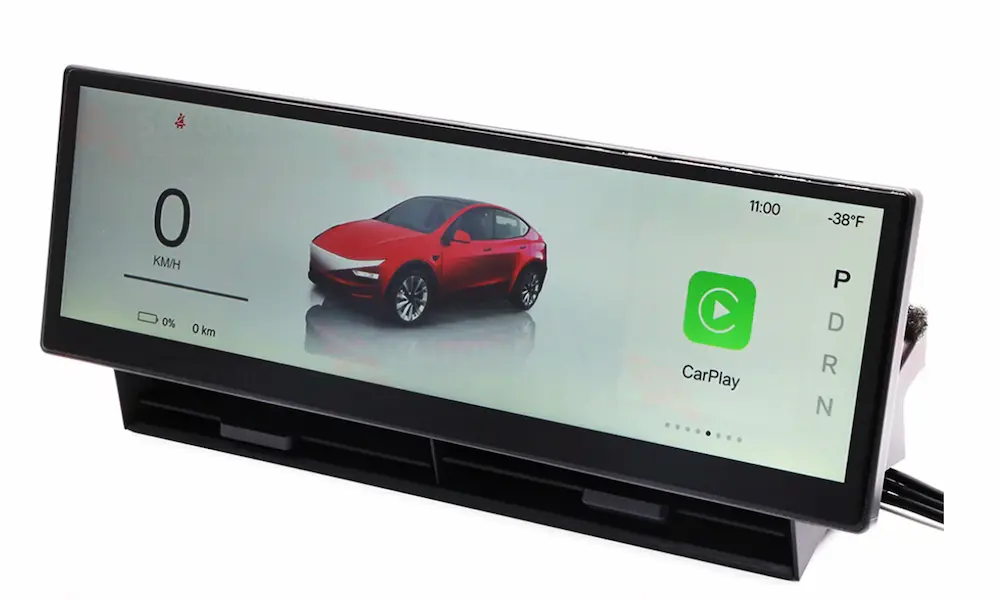
- Infotainment System: The touchscreen is your primary interface with the vehicle. Unresponsive screens or “phantom touches” are reported issues, especially in older models.
- Sensor Malfunctions: Autopilot functions rely on numerous sensors that can fail or become misaligned. Replacements typically cost $200-$750 per sensor.
- Door Handles: Particularly on the Model S, the automatic door handles can fail, requiring replacement at $150-$300 per handle.
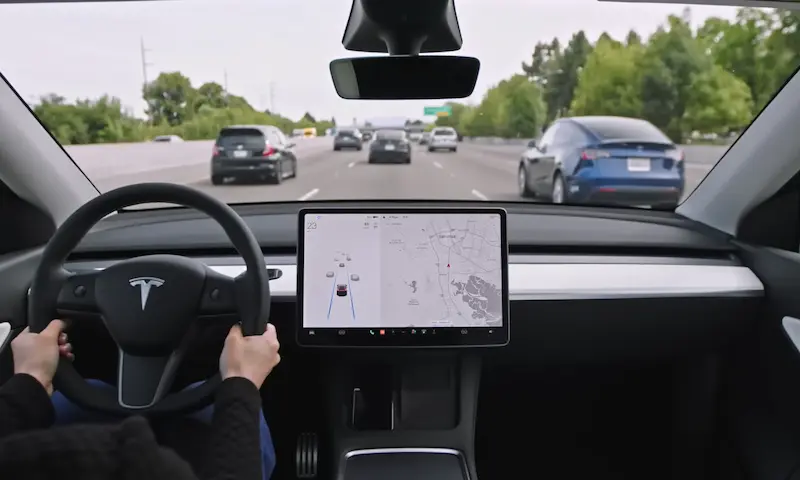
Always test all features during your inspection, including Autopilot (if equipped), climate control, and all physical buttons/controls.
Software Updates: Old Hardware, New Tricks
One of Tesla’s unique advantages is that even older models receive over-the-air software updates that can add features and improve performance. A 2018 Tesla might have received dozens of updates improving range estimation, charging speeds, and adding entertainment features.
However, older hardware does have limitations. For example, models built before 2019 lack some sensors required for the latest Full Self-Driving capabilities. Used Tesla buyers should understand which features their specific model year supports.
Evaluating Battery Health Before Purchase
Battery health is the single most important factor when buying a used Tesla. Here’s how to check it:
- Range Check: Compare the displayed range at 100% charge to the original EPA rating for that specific model and year.
- Battery Degradation Rate: Ask to see the battery health screen (accessible through service menus) or request that the seller provide screenshots.
- Charging History: Frequent use of Superchargers can accelerate battery degradation. Ask about the owner’s charging habits.
- Climate Exposure: Batteries degrade faster in extreme heat. A Tesla from Arizona may have more degradation than an identical model from Oregon.
- Professional Inspection: Tesla service centers can perform a comprehensive battery diagnostic for a fee.
A battery showing more than 10-15% degradation with low mileage could indicate problems, while 5-10% degradation after 50,000 miles is considered normal.
Insurance and Registration: Higher Than You Might Expect
Tesla insurance costs tend to be higher than comparable gas vehicles due to:
- Specialized repair requirements
- Higher replacement part costs
- Limited number of qualified repair shops
Get an insurance quote before finalizing your purchase. Annual premiums for used Teslas can range from $1,500 to $3,000 depending on your location, driving record, and specific model.
Additionally, some states have special EV registration fees to compensate for lost gas tax revenue, which can add $50-$200 to your annual registration costs.
The Model-by-Model Breakdown
Each Tesla model has its own characteristics on the used market:
Model 3
- Most affordable used Tesla
- Good reliability after 2019 model year
- Best depreciation value for buyers
Model Y
- Newest mainstream Tesla model
- Higher retention value means smaller discounts
- Fewer used examples available
Model S
- Luxury features at steep discounts
- Higher maintenance costs than Model 3/Y
- More reports of issues with suspension, door handles
Model X
- Unique falcon-wing doors prone to alignment issues
- Highest maintenance costs of all Tesla models
- Largest depreciation creates buying opportunities
The Environmental Angle: Used vs. New EVs
Buying a used Tesla extends the vehicle’s useful life and avoids the environmental impact of manufacturing a new car. While the battery manufacturing process does have environmental impacts, studies show that extending an EV’s lifecycle through used ownership maximizes its environmental benefits.
A used Tesla with 80-90% of its original range still dramatically reduces emissions compared to a gas vehicle, while requiring no new resources for production.
Making Your Decision: Is a Used Tesla Right for You?
A used Tesla offers the best value when:
- You prioritize lower upfront costs over having the latest features
- The vehicle has verifiable battery health and some warranty remaining
- You’re comfortable with technology and can navigate Tesla’s ecosystem
- You have home charging capabilities
A used Tesla might be the wrong choice if:
- You need the absolute latest technology
- You’re unable to verify battery condition
- You lack access to reliable home charging
- You’re uncomfortable with potential out-of-warranty repair costs
Pre-Purchase Checklist
Before signing the paperwork:
- Check the vehicle’s VIN for accident history and service records
- Verify remaining warranty coverage with Tesla
- Test all features, especially Autopilot and climate control
- Examine battery health data and charge to 100% to verify range
- Look for panel gaps, paint issues, and interior wear
- Test drive at highway speeds to check for alignment and noise
- Verify software version and eligibility for future updates
- Confirm the vehicle isn’t subject to any open recalls through the NHTSA database
By taking these precautions, you’ll maximize your chances of finding a used Tesla that delivers the innovation, performance, and environmental benefits that make these vehicles special—without breaking the bank.