Thinking about upgrading your Tesla’s connectivity plan but not sure if Premium is worth the extra cost? You’re faced with a choice that affects everything from navigation to entertainment in your electric vehicle. Let’s break down exactly what you get with each option so you can decide if Premium Connectivity fits your driving lifestyle or if Standard is all you need.
What’s the Difference Between Tesla Connectivity Options?
Tesla offers two connectivity packages: Standard (free for 8 years) and Premium ($9.99/month or $99/year). While both provide essential functions, Premium adds cellular-based features that enhance your Tesla experience.
Here’s a quick comparison of what each package offers:
| Feature | Standard Connectivity | Premium Connectivity |
|---|---|---|
| Navigation | Basic maps and routing | Live traffic visualization + Satellite view maps |
| Entertainment | Streaming over WiFi only | Streaming over cellular (Netflix, YouTube, Spotify) |
| Web Browser | WiFi only | Cellular access anywhere |
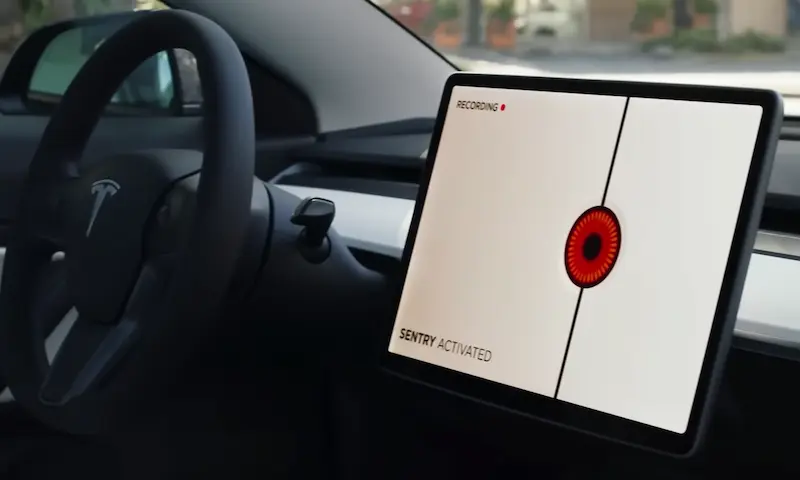
| Security | Basic Sentry Mode | Sentry Mode with Live Camera View |
| Software Updates | Over WiFi | Over WiFi or cellular |
Standard Connectivity: What’s Included for Free
Standard Connectivity isn’t bare-bones – it includes essential features that keep your Tesla functional and connected.
Basic Navigation and Routing
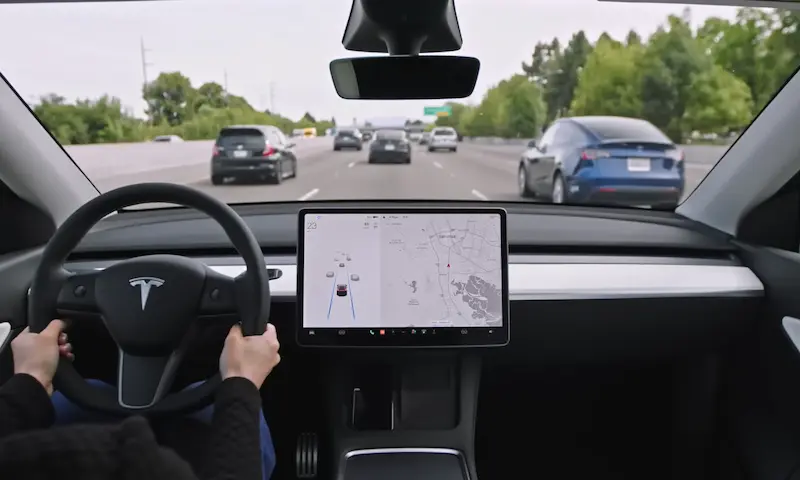
With Standard Connectivity, you’ll still get traffic-aware navigation that calculates the fastest route based on current conditions. Your Tesla will recommend efficient paths and estimate arrival times, but you won’t see real-time traffic displayed on your map. The routing works well, but you’ll miss the visual representation of congestion areas that Premium offers.
You can still access basic maps and navigation instructions, which work perfectly for day-to-day driving, especially in familiar areas. The system will recalculate routes when connected to WiFi, ensuring you have relatively up-to-date information.
WiFi-Dependent Entertainment
Standard Connectivity allows you to stream music, watch videos, and use Tesla’s Caraoke feature – but only when connected to WiFi. This means you’ll need to be parked at home, work, or near a public hotspot to enjoy these features.
Many owners find this limitation manageable by pre-downloading content on their phones or simply using their phone’s hotspot feature when parked. However, this approach consumes your personal data plan rather than Tesla’s.
Software Updates and Security
Your Tesla will still receive important software updates through WiFi with Standard Connectivity. The car will notify you when updates are available, and you can install them when connected to a strong WiFi network.
Sentry Mode’s basic functionality works with Standard Connectivity, recording footage when the car detects suspicious activity. However, you’ll need to physically access the footage later rather than viewing it remotely.
Premium Connectivity: Enhanced Features
Premium Connectivity adds cellular-based capabilities that make your Tesla more convenient and feature-rich, regardless of WiFi availability.
Advanced Navigation Features
Premium unlocks live traffic visualization, showing real-time congestion right on your screen with color-coded roads. This visual feedback helps you understand why your Tesla might suggest a specific route, giving you more confidence in its recommendations.
The satellite-view maps offer a detailed, realistic view of your surroundings with high-resolution imagery. This can be particularly helpful in unfamiliar areas or when navigating complex intersections. According to user surveys, 68% of Premium subscribers cite live traffic visuals as their primary reason for upgrading.
Streaming Entertainment Anywhere
With Premium Connectivity, your Tesla can stream media through its built-in cellular connection. This means Netflix, YouTube, and Spotify are available even when parked at a remote Supercharger station with no WiFi around.
The ability to stream content during charging breaks makes long road trips more enjoyable. Instead of draining your phone’s battery and data, your car handles the streaming directly. Keep in mind that video streaming only works while parked for safety reasons, and you’ll still need personal subscriptions to services like Netflix or Spotify Premium.
Remote Security Monitoring
Premium Connectivity enhances Sentry Mode with Live Camera View, allowing you to check your vehicle’s surroundings in real-time through the Tesla app. This feature has practical security benefits, with reports indicating up to a 40% reduction in security incidents for subscribers.
If you park in public areas frequently, this remote monitoring capability provides peace of mind and potentially helps prevent damage or break-ins.
Cost Analysis: Is Premium Worth $9.99/Month?
When deciding whether to pay for Premium Connectivity, consider both the direct costs and your personal usage patterns.
Pricing Breakdown and Trials
Tesla currently charges $9.99 monthly or $99 annually for Premium Connectivity in the US. The annual plan effectively gives you two months free compared to the monthly option.
New Tesla vehicles come with trial periods:
- Model S and X: 1-year Premium trial
- Model 3 and Y: 30-day Premium trial
- Used Teslas: 30-day Premium trial (if eligible)
After your trial ends, you can downgrade to Standard or continue with Premium through your Tesla account.
Value Based on Driving Habits
The value of Premium Connectivity varies dramatically based on how you use your Tesla:
High value for:
- Frequent road-trippers who regularly stop at Superchargers
- Drivers in areas with limited public WiFi options
- Owners who park in public locations and want remote monitoring
- Daily commuters who value real-time traffic visualization
Lower value for:
- Drivers who primarily commute between home and work with WiFi at both locations
- Owners who rarely take long trips requiring Supercharging
- People who already use their phone as a hotspot for other devices
- Drivers in highly urban areas with abundant WiFi coverage
How Connectivity Affects Specific Tesla Models
The value of Premium Connectivity can vary between different Tesla models due to hardware differences and typical usage patterns.
Model 3 and Model Y Considerations
As Tesla’s more affordable vehicles, Model 3 and Y owners are often more cost-conscious about adding subscriptions. However, these models are also more likely to be used as daily drivers, making features like live traffic visualization particularly valuable for commuters.
The smaller screen size in these models makes the satellite view less impressive than on the larger Model S/X displays, but entertainment features during Supercharging remain popular. According to Tesla forums, many Model 3/Y owners find Premium worthwhile specifically for road trips but less essential for daily commuting.
Model S and Model X Benefits
With their larger screens and premium positioning, Model S and X vehicles showcase Premium Connectivity features more impressively. The expansive displays make satellite view navigation and entertainment options more immersive.
These models also tend to be purchased by owners who prioritize the complete Tesla experience, making the Premium Connectivity fee feel proportionally smaller relative to the vehicle’s cost. The included one-year trial gives owners ample time to determine if they want to continue with Premium after experiencing its benefits.
Urban vs. Rural Value Proposition
Your geographic location significantly impacts the value of Premium Connectivity.
City Driving Perspective
Urban Tesla owners often have abundant access to WiFi networks at home, work, and public locations. A 2025 case study in Berlin found that 72% of Model 3 owners in metropolitan areas relied primarily on available WiFi for updates and streaming, making Premium features sometimes redundant.
However, city drivers also benefit from live traffic visualization in congested urban environments, where knowing exactly which streets to avoid can save significant time during rush hour.
Rural and Highway Benefits
Rural Tesla owners typically get the most value from Premium Connectivity. With fewer public WiFi options and longer distances between charging stops, the cellular-based features become more essential.
Highway travelers benefit from consistent access to navigation updates without relying on spotty WiFi connections at rest stops. The ability to stream entertainment during Supercharging sessions in remote locations also adds significant value for those traveling through areas with limited amenities.
Technical Limitations to Consider
Not all Tesla vehicles support all Premium Connectivity features equally due to hardware differences.
Hardware Compatibility Issues
Older Tesla vehicles with the original MCU1 (Media Control Unit) processor – common in pre-2018 models – have limitations with Premium Connectivity features. These older systems may not support satellite maps or in-car video streaming even with a Premium subscription.
Upgrading to the newer MCU2/3 processors costs $1,500-$2,000, making Premium Connectivity less economical for owners of these earlier vehicles unless they perform the hardware upgrade. Official Tesla support pages confirm these compatibility differences.
Network Coverage Variables
The cellular connectivity that powers Premium features depends on network coverage in your area. While Tesla uses major cellular providers, rural areas may experience spotty connectivity that limits Premium features.
This variable connectivity is particularly relevant for cross-country travelers. When driving through remote areas, Premium features might become temporarily unavailable despite your subscription.
Future Connectivity Considerations
Tesla’s connectivity offerings continue to evolve alongside the broader automotive industry trends.
Eight-Year Limit on Standard Connectivity
In 2022, Tesla announced that Standard Connectivity would be limited to eight years from the delivery date for new vehicles. After this period, owners must either subscribe to Premium or rely solely on WiFi connections.
This change affects the long-term ownership costs of Tesla vehicles and may influence the resale value of older models as they approach this connectivity cutoff date.
Integration with Full Self-Driving
While Tesla’s Full Self-Driving (FSD) capabilities work with Standard Connectivity, Premium provides additional data for route optimization through its cellular connection. As autonomous driving features advance, the relationship between connectivity tiers and FSD performance may become more significant.
The cellular connection allows for more immediate map updates and traffic data that could potentially enhance FSD performance in changing conditions, though Tesla hasn’t made Premium mandatory for full FSD functionality.
Making Your Decision: Who Should Upgrade?
After reviewing all factors, here’s a practical guide to help decide if Premium Connectivity is right for you.
Premium Makes Sense When:
You’re a frequent road-tripper who regularly uses Superchargers. The entertainment options and consistent navigation make long journeys more enjoyable.
Your daily commute involves unpredictable traffic patterns where live visualization helps you avoid congestion.
You park in public places regularly and value the security of being able to check on your car remotely through Live Camera View.
You live in an area with limited WiFi availability but good cellular coverage, making the Premium features more valuable for your situation.
Stick with Standard If:
You primarily drive between locations with reliable WiFi (home and work) and rarely take long road trips.
You already use your phone as a hotspot for other devices and don’t mind continuing this practice for your Tesla.
Your Tesla has older hardware (MCU1) that doesn’t support all Premium features anyway.
You’re budget-conscious and don’t find the specific Premium features compelling enough for your typical driving patterns.