Trying to decide whether to lease or buy a Tesla? You’re facing one of the bigger financial decisions in the EV world. With Tesla’s recent policy changes and shifting market conditions, the answer isn’t as straightforward as it once was. Let’s break down exactly what you need to know to make the choice that’s right for your wallet and lifestyle.
The Financial Breakdown: Upfront Costs and Monthly Payments
When you first look at Tesla ownership options, the numbers tell a clear story. Leasing requires significantly less money upfront.
For a 2024 Model 3, expect to pay $299-$499 monthly with around $1,000-$4,500 due at signing when leasing. This makes getting into a Tesla much more accessible for many drivers.
In contrast, buying the same vehicle typically demands a heftier down payment of $4,500-$6,000 with monthly payments between $600-$1,200 when financed over 5-7 years.
Why such a difference? When you lease, you’re only paying for the vehicle’s depreciation during your lease term, not the entire car’s value.
Here’s how the numbers compare for a typical Model 3:
| Option | Upfront Cost | Monthly Payment | 3-Year Total Cost |
|---|---|---|---|
| Lease | $3,000 | $450 | $19,200 |
| Buy | $5,500 | $750 | $32,500 |
But these numbers only tell part of the story. The true financial picture emerges when you look at the long term.
Long-Term Value: The 5-Year Ownership Horizon
If you plan to keep your Tesla for 5+ years, buying generally wins the financial battle. While leasing means perpetual payments without building equity, buying means you’ll eventually own an asset.
Consider this: a Model Y Long Range purchased at $54,130 with a 60-month loan at 5.59% APR would cost around $62,864 total. But after those five years, you’d own a vehicle still worth $28,000-$35,000.
Meanwhile, leasing the same vehicle for $499/month over three consecutive 3-year terms would cost roughly $57,000 with zero equity to show for it.
The financial breakeven point typically occurs around year five of ownership. Before that, leasing might seem cheaper month-to-month, but afterward, buying proves its value.
Tax Credits: A Game-Changer in the Equation
The $7,500 federal EV tax credit has dramatically changed the Tesla lease vs. buy calculation. Here’s what you need to know:
When buying a new Tesla outright, you can claim the full $7,500 credit on your taxes if your income is below $150,000 (single) or $300,000 (joint filing). This tax credit availability for EVs effectively reduces your purchase price by $7,500.
For leasing, Tesla now applies this credit at the dealership level, reducing your capitalized cost. This can lower your monthly payment by approximately $208 over a 36-month lease.
The credit effectively narrows the gap between leasing and buying costs, especially for those who qualify. If you’re unsure about your tax credit eligibility, it’s worth checking before making your decision.
Mileage Limitations: A Hidden Cost for Some Drivers
For high-mileage drivers, leasing comes with a significant hidden cost. Tesla lease agreements typically cap annual mileage at 10,000-15,000 miles, with hefty overage fees of up to $0.30 per mile.
This means if you drive 20,000 miles annually on a 12,000-mile lease, you could face $2,400 in overage charges annually. For frequent commuters or road-trippers, these fees can quickly erase any leasing advantages.
Buyers face no such restrictions and can drive as much as they want without financial penalty. The National Highway Traffic Safety Administration notes that EVs like Teslas are particularly well-suited for high-mileage drivers due to their lower operating costs.
Tesla’s Technology Cycle: Staying Current vs. Long-Term Value
Tesla updates its vehicles frequently, with both software updates and major hardware refreshes every few years. This rapid innovation cycle plays a big role in the lease vs. buy decision.
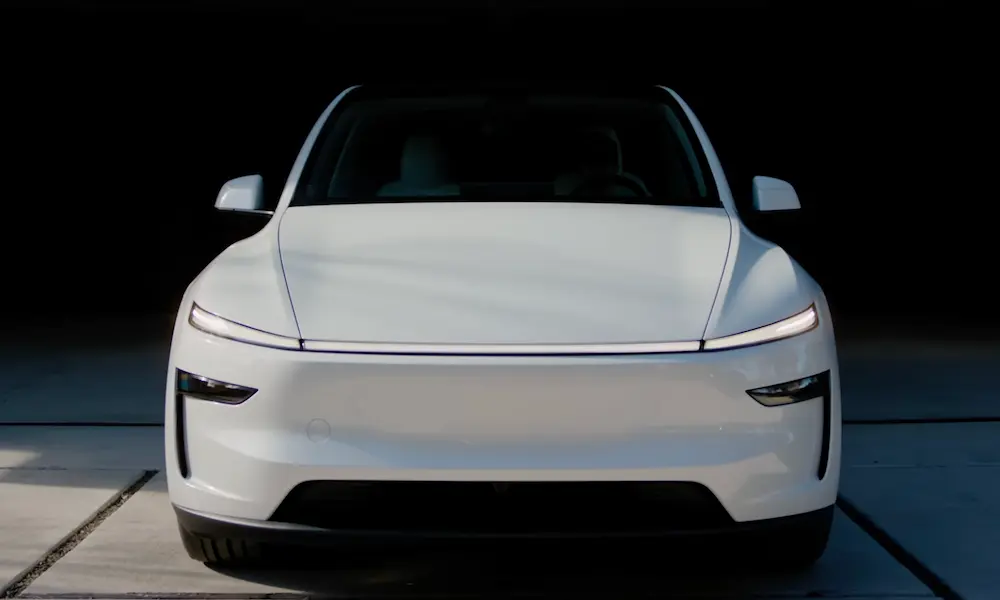
Leasing lets you upgrade to the newest technology every 2-3 years without worrying about selling your existing vehicle. For example, leasing would have allowed you to move from a pre-refresh Model 3 to the newer “Highland” design without hassle.
Buying means you’re committed to the technology package you purchased, though you’ll still receive software updates throughout ownership. However, major hardware changes like improved batteries, new motors, or structural improvements require purchasing a new vehicle.
Residual Value: Tesla’s Changing Market Position
Tesla’s residual values have shifted significantly in recent years, which affects both leasing and buying economics.
In 2021, a 3-year-old Model 3 typically retained about 65% of its value. By 2024, that figure dropped to around 55% as competition increased and production expanded. This changing residual value dynamic affects both buyers and lessees.
For buyers, lower resale values mean greater depreciation costs if you sell within a few years. For lessees, Tesla may adjust future lease terms to account for these shifts, potentially resulting in higher monthly payments or more restrictive conditions.
The New Lease Buyout Option: Changing the Game
One of the biggest changes in Tesla’s approach came in late 2024, when the company introduced a lease buyout option. Previously, Tesla prohibited purchasing your leased vehicle at the end of the term.
With this new lease-end option, you can now lease with the option to buy at a predetermined price when your lease ends. This creates a hybrid approach that combines leasing’s low initial costs with buying’s long-term equity benefits.
This option is particularly valuable when Tesla vehicles hold their value better than predicted, allowing you to purchase at the pre-set residual value even if the market value is higher.
Customization and Freedom: The Ownership Experience
Beyond pure finances, the ownership experience differs significantly between leasing and buying.
Buying a Tesla gives you complete freedom to customize your vehicle—whether that means wraps, aftermarket wheels, performance modifications, or software tweaks. You can also drive cross-country without mileage concerns or travel with pets without worrying about excess wear charges.
Leasing comes with restrictions on modifications and requires maintaining the vehicle in excellent condition to avoid end-of-lease charges. The standard $350 disposition fee and potential wear-and-tear charges can add unexpected costs at lease-end.
Real-World Scenario: New Lease vs. Used Purchase
Let’s examine a practical example comparing two approaches: leasing a new 2024 Model 3 Highland at $479/month or buying a used 2022 Model 3 for $25,000.
Over three years, the lease would cost approximately $16,144 total. Purchasing the used Model 3 would cost about $15,600 when accounting for the opportunity cost of the cash outlay.
While the used purchase saves $544, the lease provides:
- Newer technology and features
- Full warranty coverage
- No unexpected maintenance surprises
- The latest safety features
This narrow financial gap explains why many drivers find leasing attractive despite the long-term cost advantage of buying.
Maintenance and Repair Considerations
Tesla vehicles generally require less maintenance than traditional cars, but there are still costs to consider.
When leasing, your vehicle remains under warranty for the entire lease term, eliminating concerns about major repair bills. If something breaks (excluding damage you cause), Tesla covers it.
When buying, your warranty coverage might expire while you still own the vehicle. The standard warranty includes:
- 4 years/50,000 miles for basic vehicle coverage
- 8 years/150,000 miles for battery and drive unit
Potential out-of-warranty repairs like battery replacement ($8,000-$16,000) or drive unit replacement ($3,000-$7,000) represent significant risks for long-term owners. However, Tesla’s excellent battery durability (typically 2-3% degradation annually) means these concerns may be overblown for most owners.
Who Should Lease a Tesla?
Leasing makes the most sense if you:
- Want lower monthly payments and minimal upfront costs
- Prefer driving the latest technology every 2-3 years
- Drive fewer than 12,000-15,000 miles annually
- Enjoy the security of full warranty coverage
- Don’t want to worry about future resale values
Many technology enthusiasts and early adopters prefer leasing because it allows them to experience Tesla’s rapid innovation cycle without commitment to aging hardware.
Who Should Buy a Tesla?
Buying is generally better if you:
- Plan to keep your vehicle for 5+ years
- Drive more than 15,000 miles annually
- Want to build equity instead of making perpetual payments
- Enjoy customizing your vehicle
- Qualify for the full $7,500 federal tax credit
The buying advantage grows stronger the longer you keep your vehicle, especially if you maintain it well and avoid excessive mileage that accelerates depreciation.
The Hybrid Approach: Lease with Intent to Buy
With Tesla’s new lease buyout policy, a third option has emerged: lease now with the intention to purchase at lease-end. This approach offers:
- Lower initial payments than traditional financing
- The option to walk away if you don’t like the vehicle
- Protection against unexpected depreciation
- The ability to convert to ownership if you love the car
This strategy works particularly well for those uncertain about long-term Tesla ownership or waiting to see how the EV market evolves in the coming years.
Making Your Decision: Next Steps
To make the smartest Tesla lease vs. buy decision:
- Use a dedicated Tesla lease vs. buy calculator to run your specific numbers
- Check current Tesla financing rates and lease offers
- Verify your tax credit eligibility based on income and vehicle choice
- Honestly assess how long you typically keep vehicles
- Consider your annual mileage needs
- Determine how important having the latest technology is to you
Remember that Tesla’s policies and offers change regularly, so get the latest terms before making your final decision.
The Bottom Line on Tesla Lease vs. Buy
When you strip away all the complexity, the Tesla lease vs. buy decision comes down to your priorities and timeline.
Leasing provides accessibility, flexibility, and technological currency at the cost of long-term value. Buying delivers equity, freedom, and potentially lower lifetime costs but requires greater commitment and upfront investment.
With Tesla’s new lease buyout option and shifting market conditions, the decision isn’t as clear-cut as it once was. By understanding both the immediate financial picture and long-term implications, you can make a choice that aligns with both your economic realities and automotive preferences.