You’re driving your Ford Explorer when suddenly that dreaded “Check Fuel Fill Inlet” message pops up on your dashboard. Don’t panic! This common issue affects many Explorer owners and is often simpler to fix than you might think. In this guide, I’ll walk you through what this warning means, why it happens, and how you can often solve it yourself in just a few minutes.
What Does “Check Fuel Fill Inlet” Actually Mean?
When your Ford Explorer displays this warning, it’s telling you that the vehicle’s computer (ECM) has detected a problem with your fuel filling system. Specifically, there’s likely an issue with the capless fuel fill inlet system that Ford calls “Easy Fuel®.”
This system replaces the traditional gas cap with a spring-loaded, self-closing flap assembly. When working properly, it creates a perfect seal that keeps fuel vapors contained. When that seal is compromised, your Explorer’s computer throws the warning light.
How the Ford Explorer’s Capless Fuel System Works
Unlike older vehicles with screw-on gas caps, your Explorer uses a more convenient system with:
- A spring-loaded inlet door that automatically closes after fueling
- Rubber seals that maintain pressure and prevent vapor leaks
- Two internal flaps that open when you insert the gas pump nozzle
- Sensors that monitor pressure in the system
When you remove the nozzle after filling up, everything should automatically close and seal. If something prevents a proper seal, the system detects an evaporative emissions (EVAP) leak, triggering your warning light.
Common Causes of the Fuel Fill Inlet Warning
1. Dirt and Debris Buildup
The most common cause is simply dirt, sand, or other debris preventing the flaps from closing completely. Living in dusty areas or on gravel roads increases this risk dramatically.
2. Damaged or Worn Seals
The rubber seals around the inlet can degrade over time, especially in extreme temperatures. Cracks, tears, or hardening of these seals create tiny gaps where fuel vapors escape.
3. Improper Fueling Practices
Using aftermarket funnels, forcing the nozzle, or regularly overfilling your tank can damage the delicate components in your fuel fill system.
4. Sensor or EVAP System Problems
Sometimes the issue isn’t with the physical inlet but with the sensors or other EVAP components that monitor the system.
Signs You Have a Fuel Fill Inlet Problem
Beyond the dashboard warning, you might notice:
- A persistent check engine light with EVAP codes (P0455, P0456, or P0457)
- Gasoline smells around the vehicle, especially near the fuel door
- Difficulty when refueling (hissing sounds, nozzle clicking off repeatedly)
- Failed emissions testing due to EVAP system faults
DIY Solutions: Fix It Yourself in 15 Minutes
Most fuel fill inlet issues can be resolved without a trip to the mechanic. Here’s how:
Step 1: Inspect the Fuel Fill Area
- Park on level ground and open your fuel door
- Look carefully at the inlet for obvious debris or damage
- Shine a flashlight into the inlet to check for visible obstructions
- Examine the rubber seals for cracks, tears, or hardening
Step 2: Clean the Inlet System
- Use a clean microfiber cloth lightly dampened with denatured alcohol
- Carefully wipe around the inlet opening and visible seals
- If you have compressed air, use it (gently!) to blow out any debris
- Use the factory-provided plastic funnel to clean deeper into the system
Many Explorer owners have shared a simple cleaning technique that works wonders:
- Insert the factory funnel that came with your Explorer
- Rotate it gently in both directions to dislodge debris
- Remove and reinsert several times to “exercise” the flaps
Step 3: Apply Light Lubrication
After cleaning, a very light application of silicone lubricant can help restore flexibility to dried rubber seals:
- Spray a tiny amount of silicone lubricant onto a clean cloth (never spray directly)
- Wipe the visible edges of the inlet seal
- Insert and remove the funnel several times to distribute the lubricant
Step 4: Reset the System
After cleaning and lubricating:
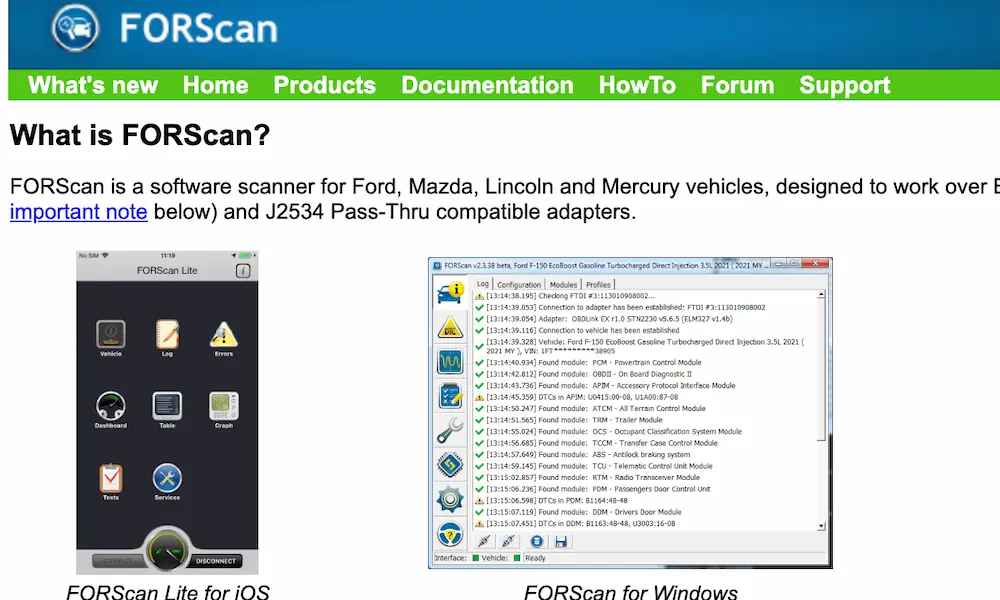
- Clear the codes using an OBD-II scanner if you have one
- Alternatively, disconnect your negative battery terminal for 10-15 minutes
- Drive for at least 10 miles after reconnecting to let the system run a self-test
Preventing Future “Check Fuel Fill Inlet” Warnings
Keep your fuel system happy with these prevention tips:
- Clean your fuel inlet at least twice yearly or with every oil change
- Always use the factory-provided plastic funnel for portable gas cans
- Don’t overfill your tank (stop when the pump clicks off the first time)
- Avoid forcing the fuel nozzle or inserting it at extreme angles
- Consider applying silicone lubricant to the seals seasonally
Cost of Professional Repairs
If DIY methods don’t work, you may need professional service. Here’s what to expect:
| Repair Type | Typical Cost | Notes |
|---|---|---|
| Cleaning service | $50-$100 | Basic service with specialized tools |
| Seal replacement | $100-$200 | Parts and labor for just the seals |
| Complete inlet replacement | $200-$400 | Full replacement of the filler neck assembly |
| EVAP system diagnosis | $80-$150 | If the problem extends beyond the inlet |
According to repair cost data, a full fuel filler neck replacement for a Ford Explorer typically costs between $200-$400 including parts and labor.
Real-World Solutions from Explorer Owners
Explorer forums reveal many creative solutions. One owner reported:
“After two trips to the dealer with the same warning returning, I took matters into my own hands. I thoroughly cleaned the inlet with alcohol wipes, then used a cotton swab with silicone spray to lubricate the inner seal. It’s been six months without a single warning light!”
Another owner discovered that using compressed air to blow out the inlet area completely solved their recurring warning issue.
Understanding EVAP Codes Related to Fuel Fill Inlet
If you scan your Explorer with an OBD-II reader, you’ll likely find one of these codes:
- P0455: Large EVAP leak detected (most common with fuel fill issues)
- P0456: Small EVAP leak detected
- P0457: Fuel cap loose or missing (with capless systems, this indicates inlet problems)
Recognizing these codes helps confirm the fuel fill inlet is indeed your problem.
Year-Specific Ford Explorer Fuel Fill Issues
Different Explorer model years have shown slightly different patterns:
- 2011-2015 models: More prone to debris blockage issues
- 2016-2019 models: Improved design but still vulnerable to seal wear
- 2020+ models: Better sealing but can still develop problems in dusty environments
Regardless of your Explorer’s age, the cleaning and maintenance approach remains similar.
Emergency Fuel Filling When the System Fails
If your Explorer’s fuel inlet is causing problems while you’re away from home, you can still refuel safely:
- Locate the plastic funnel in your cargo area (usually with the spare tire tools)
- Insert the funnel fully into the fuel fill inlet
- Pour fuel carefully to avoid spillage
- Remove the funnel and store it properly after use
- Clean the system thoroughly when you return home
This emergency method is only recommended when necessary, as frequent funnel use can accelerate wear on the system.
The Environmental Impact of Fuel Fill Inlet Problems
A malfunctioning fuel fill inlet isn’t just an inconvenience—it’s an environmental issue. The EPA estimates that evaporative emissions from faulty fuel systems contribute significantly to air pollution.
By keeping your Explorer’s fuel fill inlet clean and functional, you’re not just avoiding warning lights—you’re also doing your part for cleaner air.
Technical Upgrades and Solutions
For those experiencing repeated issues, some Explorer owners have found success with:
- Applying aftermarket seal conditioners designed for fuel systems
- Installing protective covers that shield the inlet from road debris
- Following specialized cleaning regimens during extreme weather changes
Remember that your Explorer’s fuel system is designed to work best with factory components, so avoid “improving” it with non-Ford parts that might actually make the problem worse.
By understanding what triggers the “Ford Explorer Check Fuel Fill Inlet” warning and following these maintenance steps, you’ll save time, money, and frustration. Most owners find this issue can be permanently resolved with proper cleaning and prevention techniques—no expensive dealer visits required.