Thinking about buying a Tesla and wondering if you’ll get free charging? Here’s the truth: Tesla Superchargers aren’t free for most owners, but there are some limited programs that might score you complimentary charging. Let’s break down what you’ll actually pay and when you might catch a break.
The Real Cost of Tesla Supercharging
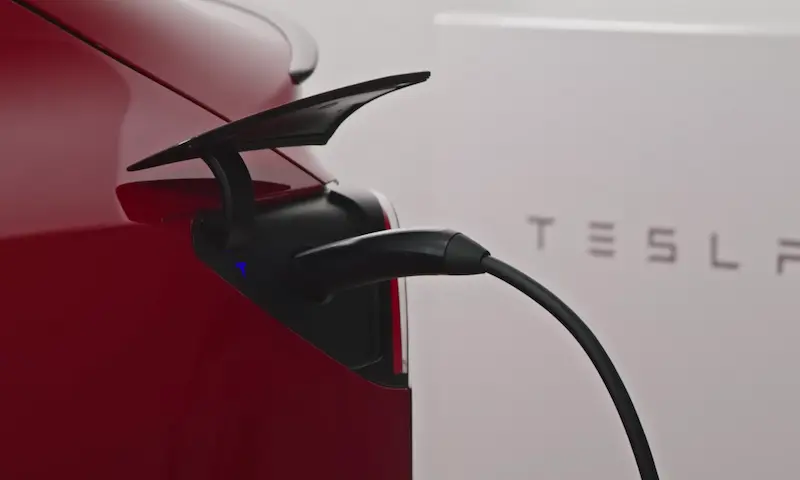
Tesla ditched free Supercharging for most buyers years ago. Today, you’re paying between $0.11 and $0.60 per kilowatt-hour, depending on where you charge and when you plug in.
The average rate sits around $0.25 per kWh across most locations. That means filling up a Model 3’s 57.5 kWh battery will run you anywhere from $6 to $33. Got a bigger Model S or Model X with a 100 kWh battery? You’re looking at $10 to $57 for a full charge.
Here’s what really matters: these prices bounce around like crazy. Location, time of day, and how busy the station is all factor into what you’ll pay.
Peak Hours Hit Your Wallet Harder
Tesla uses dynamic pricing at select locations to manage demand. Charge during peak hours (11 AM to 9 PM), and you might pay $0.54 to $0.60 per kWh. Wait until off-peak times, and that same charge could cost half as much.
Smart Tesla owners check the app for live pricing before heading to a Supercharger. Some stations now show a “Find Lower Price Charging” feature that points you to cheaper nearby options.
Who Actually Gets Free Supercharging?
Don’t get too excited, but some Tesla owners do score free charging. Here’s how.
Model S and Model X Owners Might Get Lucky
Tesla brought back lifetime free Supercharging for Model S buyers in December 2024. They expanded it to the Model X in February 2025.
But there’s a catch (isn’t there always?). This benefit is non-transferable. It’s tied to your Tesla account, so when you sell the car, the free charging doesn’t go with it. You also can’t use it for commercial stuff like Uber or delivery gigs.
Model 3 Promotions Pop Up Sometimes
Tesla’s been throwing free Supercharging deals at Model 3 buyers, especially outside the U.S. In Canada, they’ve offered free lifetime Supercharging on Model 3 inventory vehicles through 2025. The sweet part? It works in the United States too.
Some cash purchase promotions have included 18 months of free Supercharging. These deals come and go, usually when Tesla needs to clear inventory.
Inventory and Demo Cars Sometimes Include Perks
Shopping for an inventory vehicle or demo car? You might snag 6 to 12 months of free Supercharging thrown in as a sweetener. Demo vehicles used for test drives typically include complimentary charging during the test period.
The Referral Program (Don’t Get Too Excited)
Tesla’s current referral program isn’t exactly generous. You’ll earn $250 in Tesla Credits for each person who buys a Tesla using your referral code. You can use these credits toward Supercharging costs, but it’s not the gold mine it used to be.
Old-school Tesla owners remember when referrals could score you thousands of free Supercharging miles. Those days are gone.
What Tesla Used to Offer (And Why It Matters)
From 2012 to 2017, Tesla handed out transferable lifetime free Supercharging on Model S and Model X vehicles. This was huge because the benefit stuck with the car, not the owner.
Used Teslas with transferable free Supercharging became collector’s items. People paid premiums for them. Tesla killed the program in January 2017, saying it wasn’t sustainable as the network grew.
Now, free Supercharging mostly shows up as a sales tactic when demand drops.
How Supercharging Stacks Up Against Other Options
Let’s talk real numbers. Home charging costs between $0.06 and $0.20 per kWh depending on your local electricity rates. That’s $10.98 to $18 for a full charge at home versus $17.81 to $70.12 at a Supercharger.
Do the math: home charging wins every time for daily use.
| Charging Method | Cost per kWh | Model 3 Full Charge | Model S/X Full Charge |
|---|---|---|---|
| Home Charging | $0.06-$0.20 | $10.98-$18.00 | $18.00-$30.00 |
| Supercharger (Average) | $0.25 | $14.38 | $25.00 |
| Supercharger (Peak) | $0.54-$0.60 | $31.05-$34.50 | $54.00-$60.00 |
Free Supercharging makes more sense for road warriors who rack up highway miles. Conservative estimates put annual savings at $800 to $1,500 for heavy Supercharger users. But if you mostly charge at home? That benefit barely moves the needle.
Watch Out for Extra Fees
The per-kWh charge isn’t the only cost you’ll face. Tesla slaps on idle fees of $0.50 to $1.00 per minute if you leave your car plugged in after it’s done charging. These fees double when the station’s completely full.
Some locations also hit you with congestion fees during rush periods. Here’s the kicker: these fees apply even if you’ve got free Supercharging.
Regional Price Differences You Should Know
Where you charge makes a huge difference. In Singapore, Tesla charges about $0.51 per kWh, which they market as one of the cheapest fast-charging options around.
European prices vary by country, with rates converted to local currencies and adjusted for regional electricity costs. Canadian Tesla owners have scored some of the best recent deals, including lifetime free charging on Model 3 inventory that works across the border in the U.S.
Is Free Supercharging Worth Paying Extra For?
Here’s the honest truth: it depends on how you drive.
Do you take lots of road trips? Free Supercharging could save you serious cash over time. Planning to charge mostly at home? Don’t let free Supercharging sway your buying decision.
The new non-transferable structure changes everything. Used to be, free Supercharging added resale value to your car. Now it’s just a personal perk that dies when you sell.
Breaking Down the Value
Let’s say you drive 15,000 miles annually, and 30% of that charging happens at Superchargers. At average Supercharger rates, you’re spending about $600 to $900 per year on public charging. Free Supercharging eliminates that cost.
But if only 10% of your charging happens at Superchargers? You’re saving maybe $200 to $300 annually. Not exactly life-changing money.
| Annual Miles | % at Superchargers | Estimated Annual Savings |
|---|---|---|
| 15,000 | 10% | $200-$300 |
| 15,000 | 30% | $600-$900 |
| 15,000 | 50% | $1,000-$1,500 |
What’s Happening Right Now
Tesla’s treating free Supercharging as a promotional tool, not a standard feature. They roll it out when sales slow down or inventory piles up, then pull it back when demand picks up.
The company’s focus has shifted to expanding charging capacity and implementing smarter pricing to manage demand. They’re building more stations and adding features like live pricing displays and price comparison tools.
For 2025, the trend’s clear: expect limited free Supercharging offers tied to specific models or purchase conditions. Don’t count on widespread free charging coming back anytime soon.
Making Your Decision
Shopping for a Tesla? Here’s what you need to know about free Supercharging:
Check current offers directly with Tesla. These promotions change constantly, and what’s available today might vanish tomorrow.
Read the fine print. Is it lifetime or time-limited? Transferable or tied to your account? Are there restrictions on commercial use?
Calculate your actual usage. Be honest about how much you’ll realistically use Superchargers versus home charging.
Don’t overpay for the perk. If a model with free Supercharging costs significantly more, crunch the numbers. You might save more buying the cheaper model and paying for charging as you go.
The bottom line? Free Supercharging is a nice bonus, but it shouldn’t be your main reason for choosing one Tesla over another. Most owners charge at home most of the time, where electricity’s cheaper anyway. Unless you’re planning serious road trip mileage, free Supercharging probably won’t save you as much as you think.
Tesla’s current approach means these perks are temporary sales tools, not permanent features. Make your buying decision based on the car itself, not the charging freebies that might disappear in the next model year.