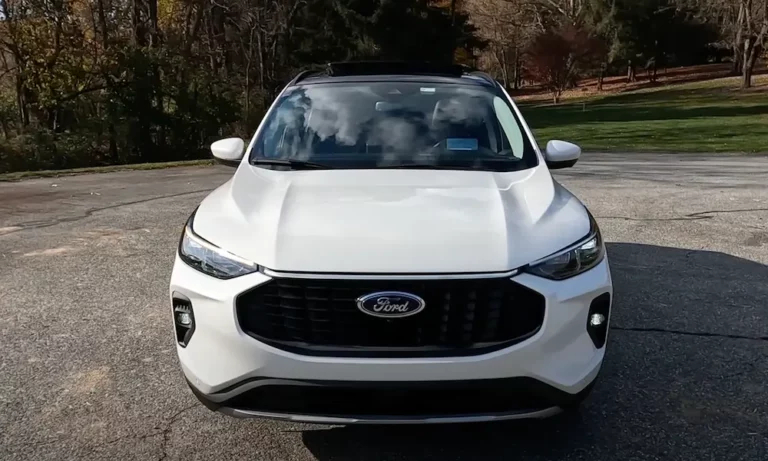
Thinking about buying a Ford Escape but worried about potential reliability issues? You’re not wrong to question – Ford’s compact SUV has had a complicated reliability history that varies dramatically by generation and model year. I’ve analyzed expert ratings, owner experiences, and repair statistics to give you the complete picture of Escape reliability.
Ford Escape Reliability Scores: The Numbers Don’t Lie
The Ford Escape presents a mixed reliability picture depending on which model year you’re considering. Recent models have shown improvement, with the 2023 Escape earning an 81/100 quality and reliability score from J.D. Power, ranking seventh in its competitive class.
RepairPal gives the non-hybrid 2022-2023 Escapes an above-average reliability rating of 4.0/5, with annual repair costs averaging around $600 – slightly higher than segment leaders like the Toyota RAV4 ($429) and Honda CR-V ($407). When assessing probability of major repairs, Escape owners face an 11% chance compared to RAV4’s 8% and CR-V’s 9%, according to RepairPal data.
Here’s how the Escape compares to key competitors:
| Feature | Ford Escape | Toyota RAV4 | Honda CR-V |
|---|---|---|---|
| Annual Repair Cost | $600 | $429 | $407 |
| Major Repair Probability | 11% | 8% | 9% |
| J.D. Power Reliability Score | 81/100 | 84/100 | 82/100 |
Reliability By Generation: Know Which Years to Avoid
Fourth Generation (2020-Present): Improving But Not Perfect
The current generation shows promise but has experienced growing pains. The 2020-2021 models faced early issues, with Consumer Reports giving the 2021 Escape a disappointingly low 1/5 predicted reliability score. However, 2022-2023 non-hybrid models have shown notable improvement in dependability ratings.
The hybrid models tell a different story – the 2025 Escape Hybrid scored just 21/100 in Consumer Reports’ reliability rankings due to hybrid battery failures, electrical problems, and infotainment lag. A 2023 recall affected 86,656 Escapes with 2.5L hybrid engines due to potential oil leaks and fire risks, according to the NHTSA.
Third Generation (2013-2019): Problematic Years
This era represents the Escape’s reliability low point. The 2013-2019 models were plagued by coolant intrusion in 1.5L and 2.0L EcoBoost engines, often leading to catastrophic engine failures requiring costly repairs. The 2013 Escape had 945 NHTSA complaints primarily for overheating and transmission issues, while the 2017-2018 models suffered from stalling and power steering failures.
Earlier Generations (2001-2012): A Mixed Bag
The first two generations had their own issues. The 2005 Escape is widely considered one of the least reliable, with severe rust problems in wheel wells and shock mounts, alongside PCM failures costing over $2,000 to repair. The 2008-2012 models showed modest improvements but still faced transmission slippage and electrical issues.
Most Common Ford Escape Problems and What They Cost
Engine Coolant Intrusion
This issue predominantly affects 2017-2022 models with 1.5L EcoBoost engines. Coolant leaks into cylinders cause overheating and potential engine seizure. Repairs often require complete engine block replacements costing between $4,000-$6,000.
Transmission Issues
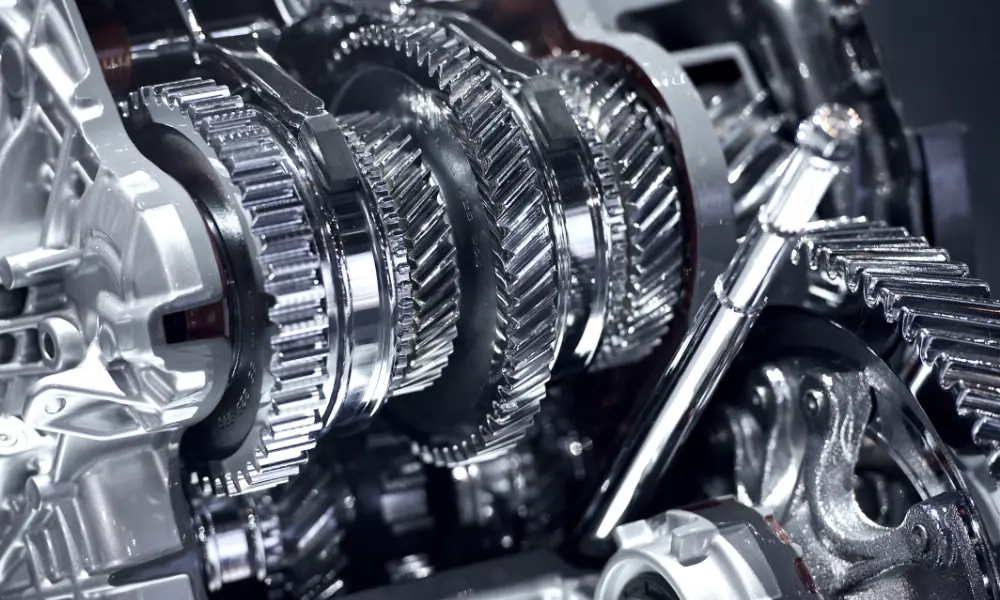
The 8-speed automatic in 2020-2023 models sometimes exhibits jerky shifts and delayed responses, while the 6-speed units in 2013-2019 Escapes are prone to shuddering. Transmission repairs typically range from $1,800-$3,500 depending on severity.
Hybrid Battery Problems
The 2023-2025 Escape Hybrids have faced premature battery deterioration, with replacement costs exceeding $8,000. This reliability concern led Consumer Reports to drop the Escape Hybrid from its recommended list.
Electrical and Infotainment Glitches
Many owners report frustrating problems with SYNC 4 systems, including unresponsive touchscreens and faulty Bluetooth connectivity. The newer hybrid models’ laggy infotainment systems—which control essential functions like HVAC and audio—have received particular criticism.
Structural Issues
Pre-2010 models often develop serious rust corrosion that can compromise subframes and brake lines, with repair costs averaging $1,500-$3,000. This goes beyond cosmetic concerns and can affect safety and longevity.
How Maintenance Affects Your Escape’s Lifespan
Proper maintenance significantly extends the Escape’s lifespan. Models with consistent oil changes every 5,000 miles, coolant flushes every 30,000 miles, and transmission servicing every 60,000 miles often surpass the 150,000-mile mark.
Neglecting maintenance dramatically accelerates common issues:
- Skipping coolant flushes can accelerate corrosion in EcoBoost engines
- Infrequent transmission fluid changes lead to clutch degradation in older models
- Irregular software updates and deep battery discharges can shorten hybrid battery lifespan
Recent Improvements in Ford Escape Reliability
Ford has been addressing reliability concerns in newer models:
- Ford climbed 10 spots in the 2025 J.D. Power dependability study, citing stricter quality controls
- A 2023 Technical Service Bulletin (TSB 24-2288) resolved 12V battery drain issues in Hybrid/PHEV Escapes via software updates
- The 2022-2023 non-hybrid models show measurable reliability improvements over previous years
Which Ford Escape Models Are Most Reliable?
Based on comprehensive data analysis, these are the most reliable Escape model years:
- 2022-2023 Non-Hybrid EcoBoost Models: These show the best balance of modern features and improved reliability
- 2010-2012 Models: The later years of the second generation had fewer issues than the problematic third generation
- 2002-2004 First-Generation Models: Simple mechanicals lead to fewer complex failures
Worst Ford Escape Years to Avoid
These model years have shown the most significant problems:
- 2013-2019 Models: Plagued by engine coolant intrusion and transmission problems
- 2005 Model Year: Severe rust issues and costly PCM failures
- 2023-2025 Hybrid Models: Battery failures and infotainment issues have led to poor reliability ratings
How Many Miles Can a Ford Escape Last?
A well-maintained Ford Escape can last between 150,000 to 200,000 miles. However, this varies significantly by generation, maintenance history, and whether it’s a hybrid or gasoline model. Owners report:
- Non-hybrid models with proper oil changes and transmission services typically reach 150,000+ miles
- Pre-2013 models with regular rust protection often exceed 175,000 miles
- Newer EcoBoost engines require strict maintenance schedules to reach high mileage
- Hybrid battery replacement may be necessary around 100,000-125,000 miles, representing a significant expense
Is the Ford Escape Worth Buying?
The Ford Escape can be worth buying if you choose the right model year and maintain it properly. Here’s my honest assessment:
Consider an Escape if:
- You want a spacious, tech-forward compact SUV with good driving dynamics
- You can afford a 2022-2023 non-hybrid model, which shows improved reliability
- You’re committed to following the maintenance schedule rigorously
- You prefer Ford’s styling and features over competitors
- You find a good deal with comprehensive warranty coverage
Look elsewhere if:
- Long-term reliability is your absolute top priority (Toyota RAV4 or Honda CR-V may be better choices)
- You’re considering an Escape from the problematic 2013-2019 generations
- You’re looking at hybrid models, which currently show concerning battery and electrical issues
- Your budget doesn’t allow for potentially higher maintenance costs compared to segment leaders
Final Verdict: Are Ford Escapes Reliable?
Ford Escapes demonstrate average to slightly below-average reliability compared to class leaders. Their reliability varies dramatically by model year and generation, with recent non-hybrid models showing promise while the hybrid variants continue to struggle with technical issues.
For the best reliability experience with a Ford Escape:
- Choose a 2022-2023 non-hybrid model
- Avoid the problematic 2013-2019 generation entirely
- Follow maintenance schedules religiously
- Budget for potentially higher repair costs than you’d face with Japanese competitors
With the right model year selection and proper care, a Ford Escape can provide satisfactory reliability. However, if maximum dependability is your primary concern, competitors like the Toyota RAV4 and Honda CR-V maintain stronger track records with fewer serious issues and lower lifetime ownership costs.