Thinking about tinting your windows yourself and wondering if Gila tint is actually worth it? You’ve probably seen it at AutoZone or Home Depot and thought, “Is this legit, or will it look terrible in six months?” This post breaks down exactly what Gila delivers, where it falls short, and whether it’s the right call for your car or home. Stick around — the answer depends on a few key details.
What Is Gila Window Film, Exactly?
Gila isn’t some random shelf brand. It’s made by Eastman Performance Films, the same company behind professional-grade names like LLumar and FormulaOne. That’s a big deal. It means Gila has serious manufacturing DNA behind it, even if it’s priced for the average weekend warrior.
Gila sells two main categories:
- Automotive window tint — for cars, trucks, and SUVs
- Residential window film — for home windows and glass doors
You can pick it up at AutoZone, Walmart, or Home Depot, which tells you exactly who it’s built for: DIYers who want results without the professional price tag.
Is Gila Tint Good for Your Car?
Short answer: it depends on which product you pick. Gila’s automotive lineup ranges from basic dyed film to nano-ceramic technology. The jump in quality between the entry-level and flagship options is significant.
Basic Heat Shield: Looks Good, Limited Heat Rejection
The entry-level Heat Shield series uses deep-dye technology. The dye runs through the film rather than sitting on the surface, which helps prevent the dreaded purple fade. These films block over 99% of UV rays and cut glare noticeably.
The catch? They absorb heat rather than reflect it. So the glass itself gets warm, and the heat rejection compared to ceramic films is lower. It’s a solid starter film, but don’t expect it to keep your car dramatically cooler on a July afternoon.
Heat Shield Plus: A Real Step Up
The Heat Shield Plus line adds metallic layers to the dye construction. This hybrid approach both absorbs and reflects solar energy, pushing heat rejection higher than the basic line. The 5% VLT version blocks up to 94% of glare and provides a noticeable cooling difference.
One thing to watch: metal layers can occasionally interfere with GPS, cellular signals, or satellite radio. It’s not a dealbreaker for most people, but if you’re heavily reliant on onboard electronics, keep reading.
Heat Shield Elite: The Best DIY Ceramic Film You Can Buy
The Heat Shield Elite is where Gila gets genuinely impressive. It uses a two-layer dyed and ceramic construction. Ceramic particles are non-metallic, so they target infrared radiation (the stuff that makes your skin feel hot) without touching your signal reception.
Here’s how the Elite line stacks up across shades:
| Product | TSER (Heat Rejection) | UV Rejection | Glare Reduction |
|---|---|---|---|
| Heat Shield Elite 5% VLT | Up to 55% | 99%+ | 95% |
| Heat Shield Elite 20% VLT | Up to 47% | 99%+ | 80% |
| Heat Shield Elite 35% VLT | Up to 47% | 99%+ | 65% |
The big win with ceramic is that you can go lighter and still reject serious heat. You don’t need to go pitch black to keep your car cool. For most drivers asking “is Gila tint good?”, the Elite is the honest answer: yes, for a DIY film.
Is Gila Tint Good for Your Home?
Gila’s residential line solves three real problems: high cooling bills, fading furniture, and privacy during the day. But the right product depends on your window type.
Titanium and Platinum: Maximum Heat Blocking
These are Gila’s heavy hitters for home windows. Both use highly reflective metallic materials to bounce solar energy away before it enters your home.
| Film | Heat Rejection (TSER) | Privacy Level |
|---|---|---|
| Titanium Heat Control | Up to 72% | High (Daytime Mirror) |
| Platinum Heat Control | Up to 71% | High (Daytime Mirror) |
| 3-in-1 Heat Control | Up to 59% | Moderate |
The Titanium film is Gila’s strongest residential option and works even in intense desert sun. But it creates a mirror effect on your windows. During the day, that means strong privacy. At night, it flips — interior lights make your windows transparent from outside. Some HOAs also restrict the mirrored look, so check your community rules before you buy.
3-in-1 Film: The Low-Drama Option
If you want heat control without the mirror look, Gila’s 3-in-1 Heat Control film is the smart pick. It rejects 59% of solar energy, cuts glare, and stays nearly invisible from the outside. It won’t win any performance trophies, but it handles everyday heat and glare without changing how your home looks.
The Dual-Pane Window Warning — Read This Before You Buy
This is where a lot of homeowners run into trouble. High-absorption or high-reflectivity films can cause dual-pane windows to overheat. When the air space between the panes gets too hot, you risk seal failure or cracking the inner pane.
Gila recommends the Platinum film over Titanium for dual-pane windows because it absorbs less heat. If you have Low-E coated glass, be even more careful — these windows already manage solar energy, and adding film can conflict with that. In those cases, Gila suggests applying glare control films to the exterior glass surface instead of interior.
Gila vs. 3M, LLumar, and XPEL: How Does It Compare?
Let’s be real about the gap between retail and professional films.
| Feature | Gila Heat Shield Elite | 3M Ceramic IR | LLumar IRX / XPEL XR Plus |
|---|---|---|---|
| Typical TSER | 47–55% | 50–59% | 65–75%+ |
| Warranty | 3-Year Limited | Limited Lifetime | Lifetime Transferable |
| Installation | DIY-Focused | Professional Only | Professional Only |
| Availability | Retail Stores | Authorized Dealers | Authorized Dealers |
Professional ceramic films like LLumar IRX or XPEL XR Plus push heat rejection past 65–75%, compared to Gila’s 47–55%. 3M Crystalline uses over 200 nano-layers to hit up to 97% infrared rejection without going dark at all.
The warranty gap is even wider. Gila offers 3 years on the Elite line. Professional brands offer lifetime warranties covering bubbling, peeling, and color change for as long as you own the vehicle. Some, like LLumar FormulaOne, offer transferable warranties that even follow the car when you sell it.
Gila’s warranty covers film replacement only — not labor to remove old film or reinstall new film. Removing failed adhesive is genuinely grueling work, often requiring steam and specialty chemicals. Factor that in if you’re deciding between DIY and pro.
The DIY Reality: Installation Isn’t Easy
The most honest thing to say about Gila is this: the film is only as good as the installation. Even quality film looks terrible if it’s badly applied.
Side Windows vs. Rear Windows
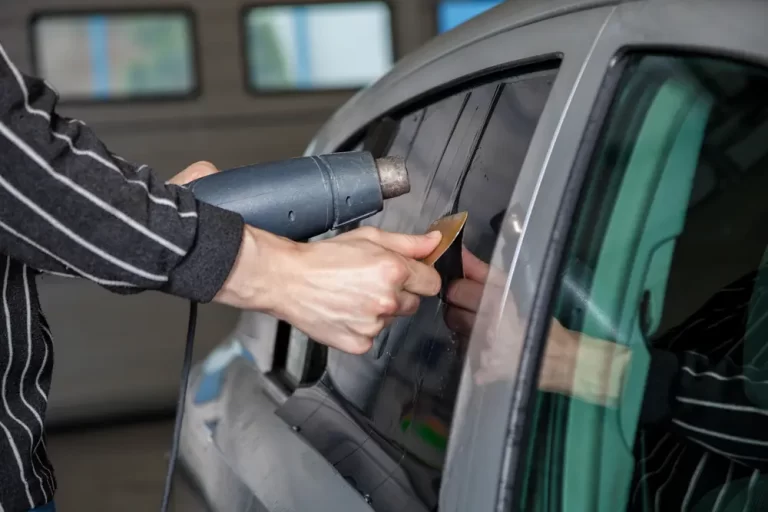
Flat side windows are manageable for a patient first-timer. Rear windows are a different story. Most rear windows curve in two directions at once. Professional installers use heat guns to shrink a single sheet of film to the glass shape before applying it inside — a skill that takes real practice.
Gila’s own instructions for rear windows recommend the “strip method” — cutting film into horizontal strips and overlapping them slightly. It’s much easier than a single-sheet install, but it leaves visible seam lines. If clean, seamless tint matters to you, this is a real limitation of the DIY approach.
Clean Glass or Don’t Bother
Dust is the enemy. Pros work in controlled indoor environments. If you’re in a driveway with the breeze blowing, even a perfect technique will trap debris under the film as permanent white specks. Clean your glass obsessively, work indoors if you can, and use Gila’s application solution — not random glass cleaners that can contain chemicals that fight the adhesive.
The Curing Phase
Once the film is down, it needs 7–10 days to cure. During that time, it may look hazy or show small water bubbles. That’s normal — it’s the application solution evaporating out. Don’t roll your windows down during this period. Rolling the window down before the film cures can peel the edges or bunch the film, and at that point, you’re starting over.
Will Gila Tint Turn Purple and Bubble?
This is the biggest fear people have about budget tint — and it’s a fair one. The purple-shift happens when UV light breaks down the organic dyes in cheap film, leaving only the blue-purple pigment behind.
Gila’s deep-dye process is a real improvement over surface-dyed films. But in high-sun states like Florida, Texas, or Arizona, even quality dyed film can show signs of fade within 3–5 years. The Heat Shield Elite’s ceramic construction avoids this problem entirely — ceramic particles are inorganic and don’t degrade under UV the way dyes do.
Bubbling usually signals adhesive failure. Retail films use pressure-sensitive adhesives that help DIYers get the film down, but they’re less durable under sustained heat than the dry adhesives in professional films. Once the adhesive starts failing, air pockets form, and those pockets expand with every hot day.
The Cost Breakdown: Is Gila Worth It?
Here’s where Gila makes its strongest case:
| Item | DIY Cost | Professional Cost |
|---|---|---|
| Window Film Rolls | $30–$60 | Included |
| Application Solution | $8 | Included |
| Tool Kit | $14 | Included |
| Labor | $0 (4–6 hours of your time) | $200–$600 |
| Total | $52–$82 | $350–$800 |
A full professional ceramic tint job can run $350–$800. Gila lets you do the same car for under $100. For an older car, a daily driver with 150k miles, or any vehicle where you’re not chasing perfection, that math makes Gila a genuinely smart call.
For a brand-new car or a luxury vehicle, the superior clarity, longer warranty, and higher heat rejection of a professional install likely justify the higher cost. Reddit’s window tint community consistently notes that pro installs look noticeably cleaner on high-end vehicles, especially when comparing the rear window.
Quick Recommendations Based on Your Situation
For your car:
- Go with the Heat Shield Elite (ceramic). It gives you the best heat rejection Gila offers (up to 55% TSER) without messing with your phone signal or GPS.
- Use the strip method for rear windows if you’re a first-timer.
- Be patient. Don’t rush the cure time.
For your home:
- Single-pane windows? Titanium or Platinum will give you dramatic heat rejection (up to 72% TSER).
- Dual-pane or Low-E windows? Stick with the Platinum line or the 3-in-1 to avoid thermal stress and potential glass damage.
- Don’t want the mirror look? The 3-in-1 Heat Control film is your cleanest option.
For both:
- Clean the glass like your life depends on it.
- Work in a dust-free environment, ideally indoors.
- Invite a second person to help with anything larger than a side window.
Gila tint is good — genuinely good — when you match the right product to your situation and put in the effort to install it properly. It won’t outlast a professional ceramic install, and the warranty doesn’t come close to competing with lifetime coverage. But for most people weighing a Saturday afternoon against a $600 shop bill, Gila delivers real, measurable results at a price that’s hard to argue with.