Ever faced that dreaded “check engine” light only to discover your catalytic converter needs replacing? With costs running into thousands of dollars, you’re probably wondering if it’s even worth fixing. The truth is, there’s no one-size-fits-all answer. Your vehicle’s age, value, and your local laws all play crucial roles in this expensive decision.
What Does a Catalytic Converter Actually Do?
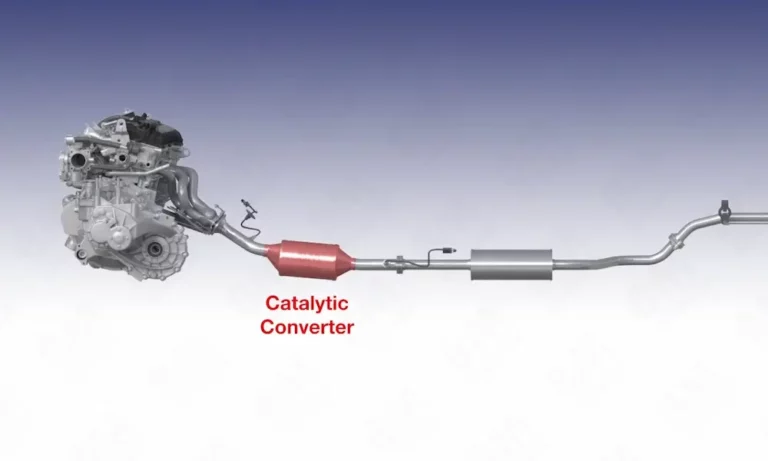
Catalytic converters are vital emission control devices that transform harmful exhaust gases into less dangerous substances. Located between your engine and muffler, these devices contain precious metals like platinum, palladium, and rhodium that trigger chemical reactions converting:
- Carbon monoxide → Carbon dioxide
- Nitrogen oxides → Nitrogen and oxygen
- Hydrocarbons → Carbon dioxide and water
These essential components aren’t just environmental protectors—they’re legally required in vehicles manufactured after 1974, making them impossible to ignore when they fail.
How to Tell If Your Catalytic Converter Is Failing
Modern catalytic converters typically last around 100,000 miles, often intended to function for your vehicle’s lifetime. However, several issues can cause premature failure. Here’s how to spot trouble:
Performance Problems
The most obvious sign is a noticeable drop in engine performance. When your converter gets clogged, it restricts exhaust flow, essentially suffocating your engine. You’ll likely experience:
- Sluggish acceleration
- Reduced power, especially when climbing hills
- Decreased fuel efficiency (expect to pay more at the pump)
Warning Lights and Sounds
Your vehicle will often try to alert you to converter problems through:
- Illuminated check engine light (the most common first indicator)
- Rattling noises from the exhaust area (suggesting broken internal components)
- A sulfur smell (like rotten eggs) coming from your exhaust
Emissions Test Failure
If your area requires emissions testing, a failing catalytic converter will almost certainly cause you to fail. Many states won’t allow you to renew your registration with a failed emissions test, making replacement essentially mandatory in these regions.
The Real Cost of Catalytic Converter Replacement
The financial impact of replacing a catalytic converter varies dramatically depending on your vehicle and the type of replacement you choose.
OEM vs. Aftermarket: Price Comparison
| Replacement Type | Price Range | Warranty | Lifespan |
|---|---|---|---|
| OEM (Original Equipment) | $1,000-$4,500 | 8 years/80,000 miles | 10+ years |
| Quality Aftermarket | $300-$2,000 | 5 years/50,000 miles | 5-10 years |
| Budget Aftermarket | $100-$500 | 1 year/12,000 miles | 6 months-3 years |
OEM converters from dealerships typically cost 2-3 times more than aftermarket options. For example, a Honda Civic OEM converter costs around $4,100 for parts alone, while a quality aftermarket version might run $800-1,200.
Labor Costs Add Up
Don’t forget to factor in labor costs, which typically range from $70 to $250 per hour, adding another $200-$600 to your total bill depending on your vehicle’s complexity. Luxury and European vehicles often fall on the higher end of this spectrum.
When Is Replacement Worth It?
The decision to replace your catalytic converter comes down to a simple cost-benefit analysis.
The 50% Rule
Financial experts recommend following the “50% rule” – if the repair costs exceed 50% of your vehicle’s current value, replacement might not make economic sense. For example, spending $1,500 on a converter for a car worth $2,000 probably isn’t wise.
Scenarios Where Replacement Makes Sense
Replacing your catalytic converter is typically worthwhile when:
- Your vehicle is less than 10 years old
- The car has under 150,000 miles
- Your vehicle’s market value exceeds $5,000
- The car is otherwise in good mechanical condition
- You live in an area with strict emissions testing
- The converter replacement cost is less than 50% of the vehicle’s value
When to Skip the Repair
Conversely, replacement probably isn’t worth it when:
- Your car has over 200,000 miles
- The vehicle’s market value is under $2,000
- Multiple other major systems need repair
- The engine has underlying problems causing converter failure
- The repair cost approaches 75% of the vehicle’s value
Legal Requirements You Can’t Ignore
Before deciding to skip a replacement, understand the legal implications.
Federal and State Laws
Driving without a catalytic converter is federally prohibited for vehicles manufactured after 1974. Removing one intentionally can result in significant fines under the Clean Air Act.
Emissions Testing Requirements
Many states require emissions testing for vehicle registration. Without a functioning converter, your vehicle will fail these tests, preventing registration renewal. States with particularly strict requirements include:
- California
- Colorado
- Connecticut
- Illinois
- New York
- Massachusetts
- And others following CARB (California Air Resources Board) standards
Even in states without regular emissions testing, local police may still issue citations for tampered exhaust systems, resulting in unexpected fines.
Alternatives to Full Replacement
Before committing to an expensive replacement, consider these alternatives:
Do Catalytic Converter Cleaners Work?
Despite marketing claims, commercial catalytic converter cleaners are largely ineffective for truly damaged converters. Here’s why:
- Modern converters operate at 95%+ efficiency when functioning
- Once clogged with carbonized deposits, commercial cleaners can’t effectively dissolve these substances
- Cleaning products mainly clean fuel injectors and combustion chambers, which may temporarily improve performance but don’t address converter damage
Professional cleaning services ($200-$300) rarely provide lasting solutions for a genuinely damaged converter.
Used Converters: A Budget Option?
Used catalytic converters from salvage yards might seem appealing, but they come with significant drawbacks:
- Their remaining lifespan is unknown
- They may have hidden damage
- Installation costs remain the same
- Many states prohibit installing used converters
- Used converters may already be partially depleted of precious metals
How to Make Your Final Decision
Step 1: Get a Proper Diagnosis
Ensure the catalytic converter is actually the problem. Faulty oxygen sensors, exhaust leaks, or engine issues can trigger similar symptoms. Get a second opinion from an independent mechanic to confirm the diagnosis.
Step 2: Assess Your Vehicle’s Overall Condition
Evaluate your car’s:
- Current market value (check Kelley Blue Book or similar)
- Maintenance history
- Other pending repairs
- Expected remaining lifespan
Step 3: Get Multiple Quotes
Prices vary dramatically between:
- Dealerships (typically highest)
- Independent mechanics (usually mid-range)
- Muffler shops specializing in exhaust (often most affordable)
Request quotes for both OEM and quality aftermarket converters to compare your options.
Step 4: Consider Long-Term Plans
If you’re planning to keep the vehicle for many years, a quality replacement makes more sense than if you’re planning to sell soon.
Aftermarket Converter Considerations
Not all aftermarket converters are created equal. Here’s what you need to know:
Federal EPA vs. CARB Compliance
Two main regulatory standards exist:
- Federal EPA: Legal in most states, these converters meet basic emissions requirements
- CARB (California): Required in California and states following CARB standards, these converters meet stricter emissions standards and typically cost 30-50% more
Using the wrong type in a CARB state can result in failed inspections and potential fines.
Quality Indicators
Quality aftermarket converters typically feature:
- Substantial warranties (3-5 years)
- Higher precious metal content
- Stainless steel construction
- Direct-fit designs specific to your vehicle model
- Proper certification stamps (EPA or CARB)
Reputable brands include Walker, MagnaFlow, Eastern, and AP Emissions, all of which balance quality with cost savings compared to OEM parts.
Preventing Future Catalytic Converter Issues
If you do replace your converter, protect your investment by:
- Addressing engine issues promptly (misfires damage converters)
- Using fuel with cleaning additives occasionally
- Avoiding short trips that don’t allow the converter to reach operating temperature
- Maintaining regular oil changes and tune-ups
- Installing a catalytic converter shield to prevent theft
Real-World Cost Scenarios
| Vehicle Example | Vehicle Value | OEM Cost | Aftermarket Cost | Worth Replacing? |
|---|---|---|---|---|
| 2018 Toyota Camry | $18,000 | $2,500 | $900 | Yes – Both options viable |
| 2010 Honda Civic | $6,000 | $1,800 | $700 | Yes – Aftermarket recommended |
| 2005 Ford Focus | $2,000 | $1,400 | $500 | Questionable – Only budget aftermarket |
| 1998 Chevrolet Malibu | $900 | $900 | $400 | No – Consider alternative options |
The Environmental Impact
Beyond legal requirements, there’s an environmental angle to consider. A functioning catalytic converter:
- Reduces harmful emissions by up to 90%
- Decreases ground-level ozone formation
- Minimizes smog in urban areas
- Reduces carbon monoxide and other toxic gases
Many vehicle owners choose replacement partly for environmental responsibility, particularly in areas already struggling with air quality issues.
The Bottom Line on Catalytic Converter Replacement
Is it worth replacing your catalytic converter? The answer depends on your specific situation, but here’s the short version:
- For newer, valuable vehicles in good condition: Yes, replace it.
- For mid-age vehicles: Consider quality aftermarket options to save money.
- For older, high-mileage vehicles: Probably not, unless required for local compliance.
The most economical approach is getting a proper diagnosis, collecting multiple quotes for both OEM and aftermarket options, and making an informed decision based on your vehicle’s value and your long-term plans.
Remember that skipping replacement in areas with emissions testing isn’t a viable long-term strategy, as you’ll eventually face registration issues that force your hand or require selling the vehicle.