Your engine deserves protection that doesn’t drain your wallet. If you’re wondering whether Quaker State can deliver premium performance without the premium price tag, you’re asking the right question. Let’s cut through the marketing noise and look at what independent testing, professional mechanics, and real-world drivers actually say about this century-old brand.
The Short Answer: Yes, Quaker State Is Good Oil (Better Than You’d Think)
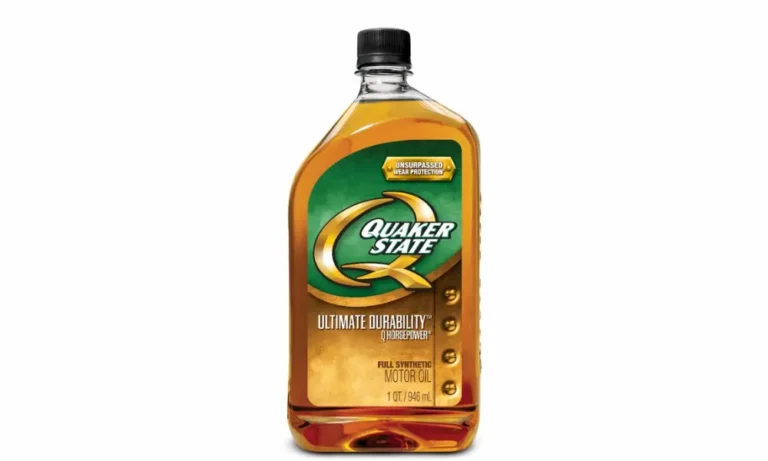
Here’s the deal: Quaker State isn’t the budget oil your grandfather complained about. Since Shell bought them in 2002, they’ve completely revamped their formulations. Today’s Quaker State, especially the Ultimate Durability line, performs right alongside oils costing 25% more.
Independent testing backs this up. When labs put Quaker State Ultimate Durability through wear protection tests, it landed in the “incredible wear protection category” – showing 74% better protection than lower-performing competitors.
The brand even powers Hendricks Motorsports racing teams and serves as Hyundai’s exclusive dealership oil. You don’t earn those contracts with subpar products.
What Makes Modern Quaker State Different
Quaker State ditched its old reputation by completely changing what’s inside the bottle. They’re now using advanced Group III base oils with beefed-up additive packages that rival what you’ll find in premium brands.
The formula includes higher calcium detergent levels for engine cleanliness, balanced zinc and phosphorus for wear protection, and molybdenum additives for friction reduction. These aren’t cheap ingredients – they’re the same components you’d find in oils costing $10 more per jug.
What’s interesting is that Quaker State takes a different approach than its Shell sibling, Pennzoil. While Pennzoil uses expensive Gas-To-Liquid (GTL) base oils, Quaker State achieves similar performance through strategic additive chemistry. It’s like taking two different roads to the same destination.
Breaking Down the Product Line
Ultimate Durability Full Synthetic
This is Quaker State’s flagship, and it’s where they’re really competing with the big names. The Ultimate Durability line delivers superior wear protection that exceeds industry standard ASTM Sequence IVA test results.
Real-world users consistently report two things: quieter engines and better fuel economy. One BMW owner with a Double VANOS valve train saw noticeable reduction in cold-start ticking and measurable MPG improvements after switching.
Price-wise, you’re looking at $23-28 per 5-quart container. That’s solid value for premium synthetic performance.
Ultimate Protection Full Synthetic
Want to stretch your oil changes? The Ultimate Protection formula targets extended drain intervals up to 20,000 miles or one year.
It packs advanced anti-wear additives, superior oxidation resistance, and enhanced deposit control. Testing data shows it maintains viscosity stability better than many competing oils during those long service intervals.
High Mileage Formulation
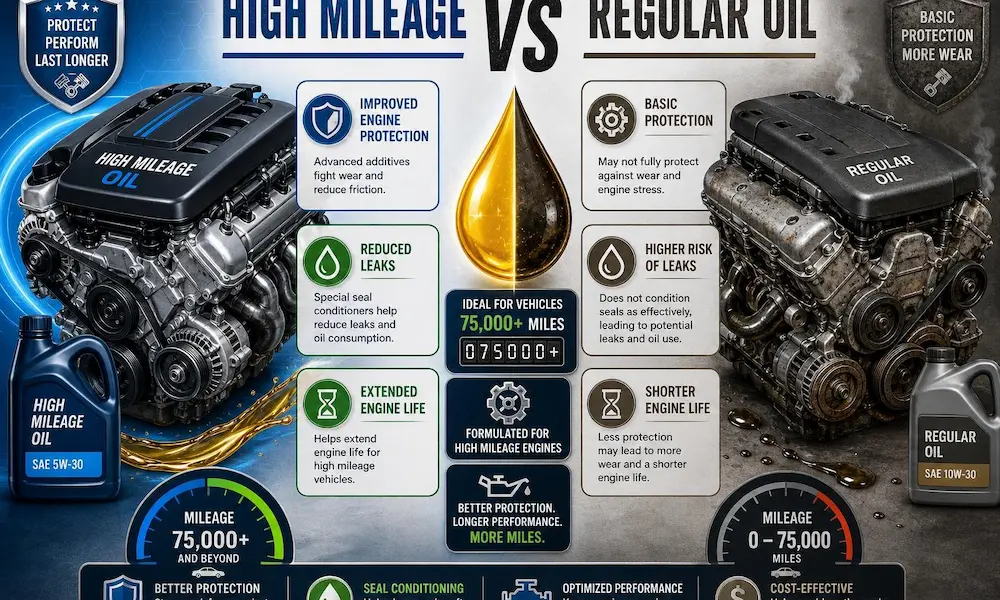
Got over 75,000 miles on your odometer? The High Mileage variant includes seal conditioners to prevent leaks and reduce oil burn-off. It’s specifically engineered for older engines that need extra TLC.
Professional mechanics report good protection in high-mileage vehicles, and at $20-25 per 5-quart container, it’s priced right for budget-conscious owners nursing older cars.
Advanced Durability Conventional
If you’re still running conventional oil and changing it regularly, the Advanced Durability line provides solid protection at $14-18 per 5-quart container. It’s not fancy, but it does the job for engines that don’t require synthetic.
What Independent Testing Reveals
Laboratory analysis matters more than marketing claims. Here’s what third-party testing shows about Quaker State’s actual performance.
Wear Protection Performance
When independent testers evaluate motor oils, wear protection is the critical metric. Quaker State Ultimate Durability 0W-20 demonstrated 74% more wear protection than lower-performing competitors in standardized testing.
That places it in the top tier of motor oils – right alongside brands charging premium prices. The testing measured actual metal-to-metal contact under controlled conditions, so these aren’t subjective opinions.
Viscosity Stability Testing
Engine oil needs to maintain its thickness under extreme conditions. Quaker State shows excellent shear stability, meaning it keeps protecting even when operating temperatures spike.
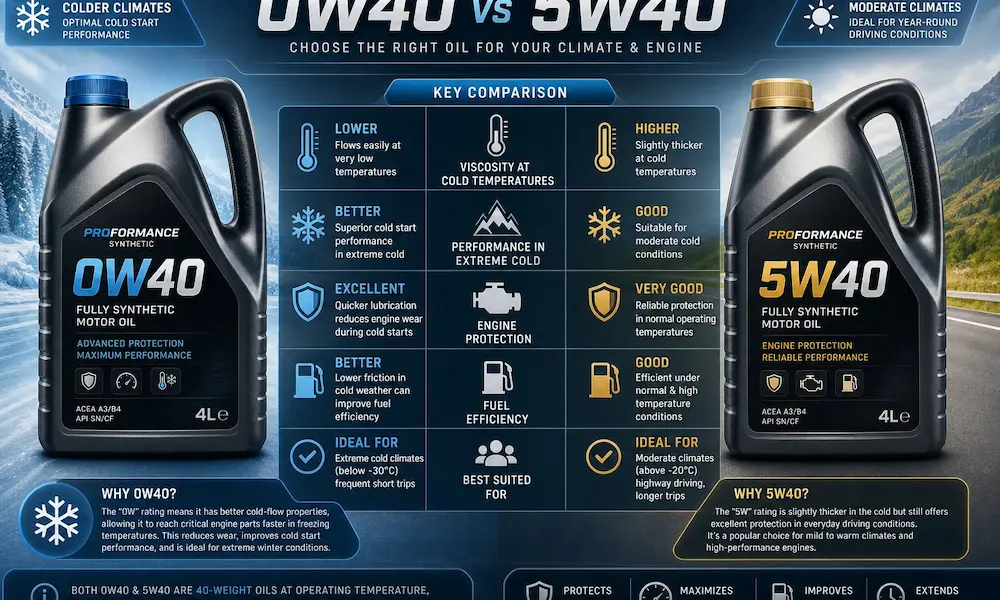
The European 5W-40 formulation proved particularly resistant to fuel dilution in turbocharged applications – a common problem with modern downsized engines.
Volatility and Oil Consumption
Nobody wants to constantly top off their oil. Recent volatility testing shows Quaker State Ultimate Durability exhibits low oil consumption characteristics. The 10W-30 formulation showed the lowest volatility among tested viscosity grades, indicating reduced oil loss during operation.
What Real Users and Mechanics Say
Lab testing tells one story. Real-world experience tells another. Let’s look at both.
Professional Mechanic Feedback
Mechanics who’ve worked with multiple oil brands report positive experiences with Quaker State, particularly noting reduced engine noise across various applications. They’ve found it compatible across multiple vehicle brands and reliable in dealer service environments.
One mechanic noted that engines running Quaker State stay noticeably cleaner between services – a sign that the detergent additives are doing their job.
Consumer Reports From the Real World
Everyday drivers consistently highlight several advantages. Engine noise drops noticeably across multiple vehicle types. Fuel economy improves, with users reporting increases of 1-2 MPG. The oil performs well in both new and high-mileage engines.
One user switching between brands wrote: “Quaker State oil seems to make all my cars run quieter” – a sentiment echoed across multiple forums and reviews.
The Few Criticisms Worth Noting
No oil is perfect for everyone. Some users remain skeptical based on Quaker State’s historical reputation as a budget oil. That’s fair – the brand spent decades positioned as the economical choice, and reputations die hard.
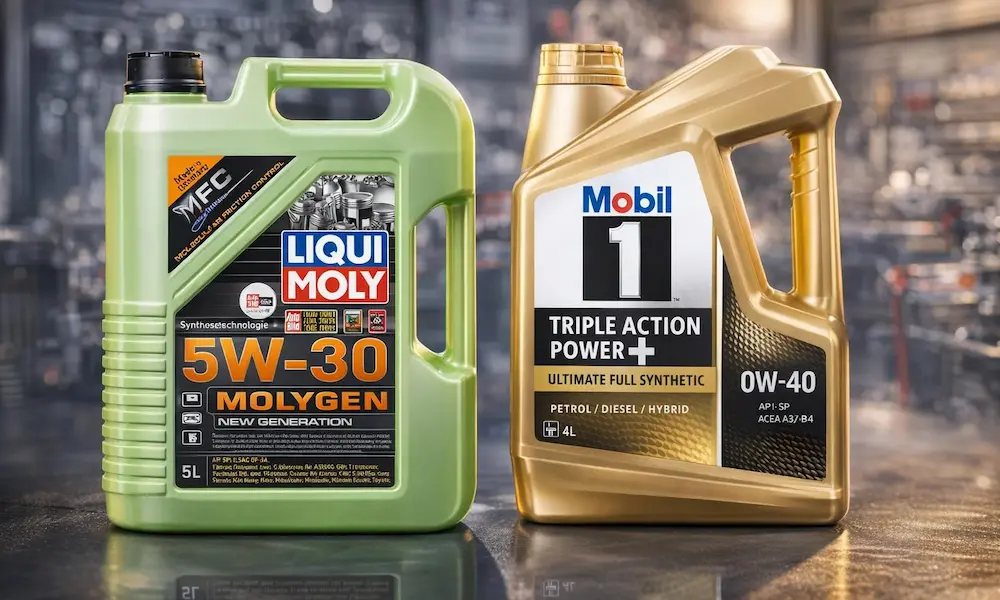
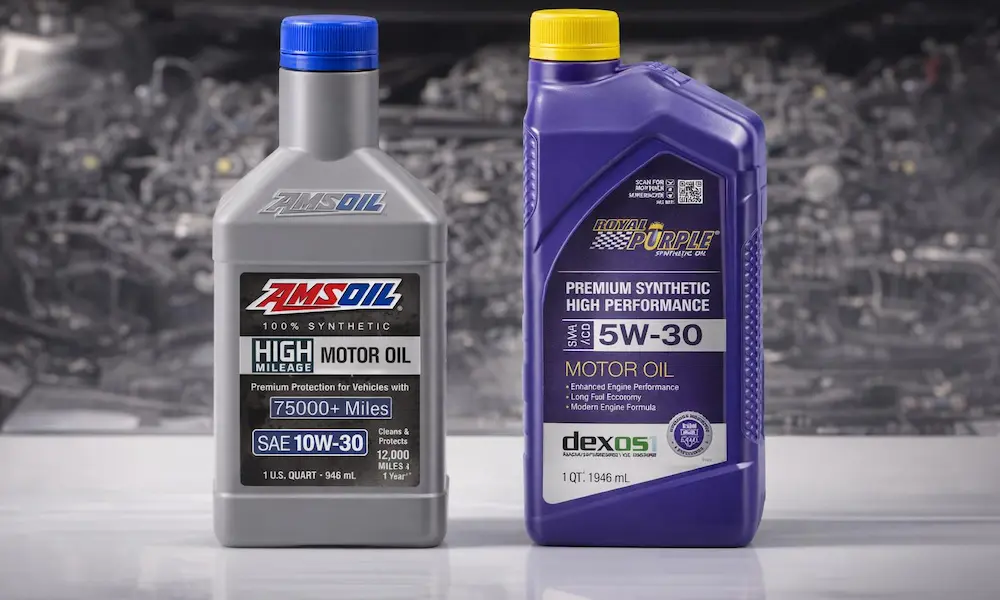
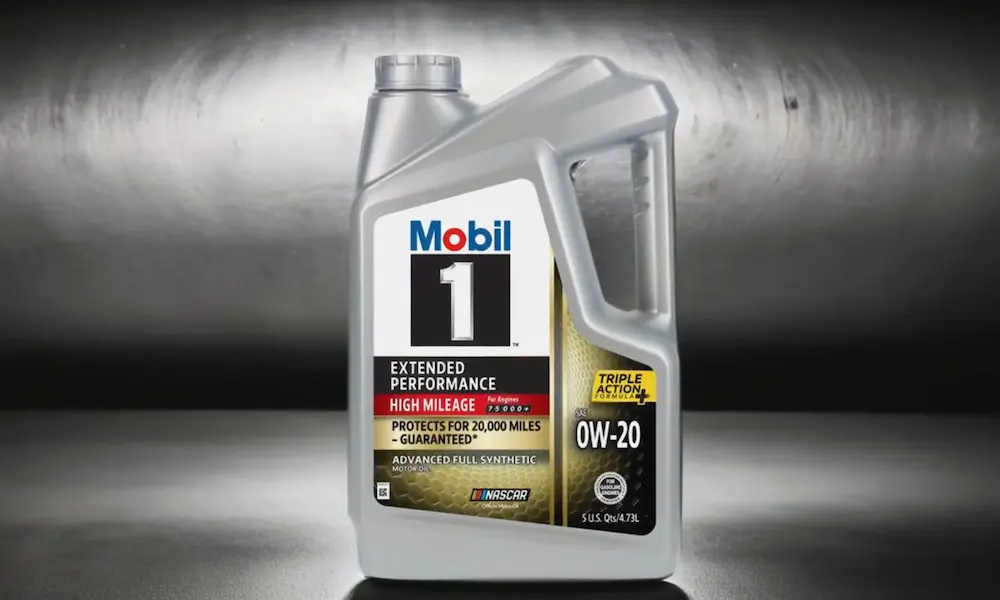
A few drivers also note that while Quaker State performs well, it doesn’t command the same prestige as brands like Mobil 1 or Amsoil. If you care about brand cachet, this might matter. If you care about actual performance, the testing says otherwise.
The Warranty Program That Changes Everything
Here’s where Quaker State really separates itself: their warranty program is absurdly comprehensive.
You get coverage for up to 300,000 miles or 10 years on 15 critical engine components. That’s not a typo – three hundred thousand miles. They’ll also give you up to $3,000 cash back if your vehicle reaches 300,000 miles while using their oil and following the maintenance schedule.
The coverage is transferable, meaning it can benefit subsequent owners if you sell your vehicle. Enrollment is straightforward with online management through their warranty portal.
No other major oil brand offers anything close to this level of customer protection. It’s either brilliant marketing or genuine confidence in their product – probably both.
How Quaker State Stacks Up Against Premium Competitors
Let’s get specific about how Quaker State compares to the brands charging more money.
Performance Parity With Top Brands
Blackstone Laboratories analyzed over 10,000 oil samples and found minimal differences in wear metal generation between major brands meeting current API and ILSAC specifications.
Translation: Modern motor oils meeting the same standards perform similarly in terms of engine protection. The $40 oil doesn’t necessarily protect better than the $25 oil if they both meet the same certifications.
Pricing Comparison
Here’s where your wallet will thank you. Quaker State typically costs 15-25% less than premium competitors while delivering comparable protection.
| Product Line | Quaker State Price | Premium Competitor Price | Savings |
|---|---|---|---|
| Full Synthetic | $23-28 (5 qt) | $32-38 (5 qt) | $9-10 |
| High Mileage | $20-25 (5 qt) | $28-35 (5 qt) | $8-10 |
| Conventional | $14-18 (5 qt) | $18-22 (5 qt) | $4 |
Over a year with four oil changes, you’re saving $35-40 without sacrificing protection. That’s real money.
Base Oil Technology Differences
Quaker State uses conventional Group III base oils while some competitors use more expensive Gas-To-Liquid or PAO synthetic bases. Does this matter?
In practice, not really. The enhanced additive package compensates for any base oil differences, achieving performance parity with more expensive alternatives. It’s a smart engineering solution that keeps costs down without compromising protection.
Technical Certifications and Compliance
Motor oil certifications aren’t just alphabet soup – they’re proof that the oil meets industry standards.
Quaker State products meet or exceed all relevant specifications: API SP, SN PLUS, and SN-RC ratings across the product line. They’ve got ILSAC GF-6A and GF-5 compliance, ensuring compatibility with modern engines.
They also carry OEM approvals including GM dexos1 Gen 3, Ford WSS-M2C947-B1, and Chrysler MS-6395 specifications. These aren’t easy to get – manufacturers test oils thoroughly before granting approval.
Best Applications for Quaker State
Not all oils work equally well in all engines. Here’s where Quaker State really shines.
High-Performance and Modified Engines
The Ultimate Durability line has proven successful in racing applications and modified engines. Hendricks Motorsports didn’t choose it for marketing – they chose it because it protects million-dollar race engines.
If you’ve got a performance car or modified engine, Ultimate Durability handles the heat and stress without breaking down.
Turbocharged Applications
Modern turbo engines create unique challenges: high heat, fuel dilution, and extreme pressure. Independent testing shows excellent performance in turbocharged applications, particularly the European formulations.
One Lincoln owner with a 3.5L EcoBoost ran comprehensive testing and concluded Quaker State 5W-40 European formula was his top choice.
High-Mileage Daily Drivers
The dedicated High Mileage formulation addresses seal conditioning and oil burn-off effectively. If you’re keeping your car past 100,000 miles (and you should – it’s paid for), this formula helps extend engine life.
Mechanics report good results in high-mileage vehicles showing reduced oil consumption and fewer leaks after switching to the High Mileage formula.
Fleet and Commercial Use
The combination of performance, competitive pricing, and warranty coverage makes Quaker State attractive for commercial fleet operations. When you’re maintaining multiple vehicles, the cost savings add up quickly without sacrificing protection.
Taxi fleets have particularly benefited from the Advanced Durability conventional oil for frequent oil changes at economical prices.
Recommended Oil Change Intervals
Using quality oil doesn’t mean you can ignore maintenance. Here’s what makes sense for each product line.
Ultimate Protection: Up to 20,000 miles or one year under normal driving conditions.
Ultimate Durability: 7,500-10,000 miles depending on driving conditions and vehicle requirements.
Advanced Durability: 5,000-7,500 miles for conventional oil applications.
High Mileage: 5,000-7,500 miles, though some high-mileage engines benefit from more frequent changes.
These intervals assume normal driving. If you’re in severe service conditions – lots of short trips, extreme temperatures, towing, or dusty environments – cut these intervals in half.
The Environmental Angle
Modern Quaker State formulations contribute to environmental protection through improved fuel economy, which reduces CO2 emissions. Extended drain intervals mean less waste oil generation.
The packaging uses recyclable materials, and all formulations comply with environmental regulations. It’s not going to save the planet, but it’s responsible engineering.
Making the Right Choice for Your Vehicle
So is Quaker State good oil? The evidence says yes – particularly if you’re buying the Ultimate Durability or Ultimate Protection lines.
You’re getting premium synthetic performance that tests alongside oils costing significantly more. The warranty program adds genuine value that competitors can’t match. Real-world users report quieter engines and better fuel economy.
The brand has successfully transformed from budget option to legitimate premium competitor. Shell’s acquisition brought serious technology improvements that show up in independent testing results.
For daily drivers, high-mileage vehicles, performance applications, and commercial fleets, Quaker State delivers excellent protection at competitive prices. The Ultimate Durability line deserves particular attention if you want premium performance without premium pricing.
Your engine doesn’t care about brand prestige. It cares about protection. On that measure, Quaker State delivers where it counts.