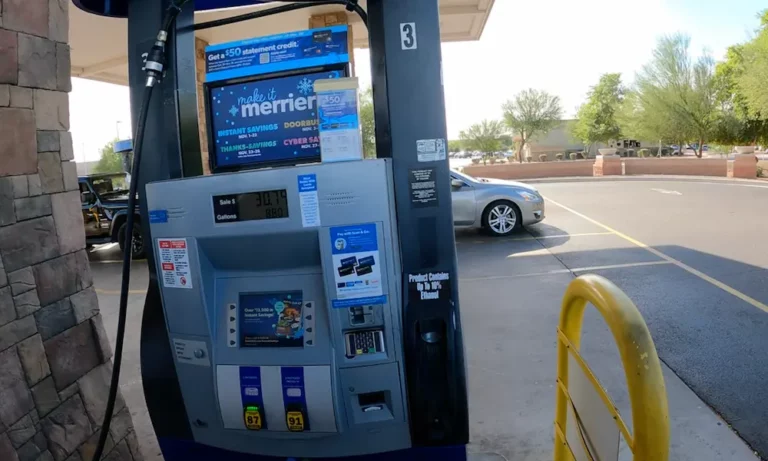
Wondering if you’re getting premium-quality fuel when filling up at Sam’s Club? With gas prices constantly fluctuating, warehouse clubs offer tempting discounts, but fuel quality matters just as much as price. Let’s dive into what you should know about Sam’s Club gas and whether it meets Top Tier standards that could affect your vehicle’s performance.
What Is Top Tier Gas and Why Does It Matter?
Top Tier gasoline isn’t just marketing hype—it’s a fuel specification developed by major automakers including BMW, General Motors, Ford, Honda, Toyota, and Mercedes-Benz. These manufacturers created this standard in 2004 when they found that the EPA’s minimum detergent requirements weren’t enough to keep modern engines running their best.
Simply put, Top Tier gas contains more cleaning agents than the government requires. These extra detergents help prevent carbon deposits from building up in your engine. According to AAA testing, Top Tier gasoline keeps engines 19 times cleaner than non-Top Tier alternatives after just 4,000 miles of driving.
These cleaning benefits translate to real-world advantages:
- Better fuel economy
- Reduced emissions
- Smoother engine performance
- Fewer maintenance issues over time
Is Sam’s Club Gas Top Tier Certified?
No, Sam’s Club gasoline is not Top Tier certified. While Sam’s Club fuel meets all federal EPA requirements for quality and safety, it doesn’t contain the enhanced detergent packages required for Top Tier certification.
This stands in contrast to Costco, Sam’s Club’s main warehouse competitor, which does offer Top Tier certified gasoline at all its fuel stations.
Sam’s Club Gas Quality: What to Expect
Even without Top Tier certification, Sam’s Club gas isn’t “bad” fuel. Here’s what you should know:
- It meets all federal EPA minimum requirements for detergent additives
- Sam’s Club offers a “100% Satisfaction Guarantee” on their fuel
- The company typically sources base fuel from major regional refineries
According to various consumer reports, Sam’s Club often purchases fuel from major suppliers including Shell, Mobil, and Chevron, depending on your location. However, it’s important to understand that while the base gasoline might come from these suppliers, it likely doesn’t contain the same additive packages found in their branded retail products.
Sam’s Club vs. Costco Fuel: Key Differences
When comparing warehouse club fuel options, here’s how they stack up:
| Feature | Sam’s Club Gas | Costco Gas |
|---|---|---|
| Top Tier Certified | No | Yes |
| Enhanced Detergents | Minimum EPA levels | Higher than minimum |
| Membership Required | Yes | Yes |
| Price Competitive | Yes | Yes |
| Fuel Guarantee | 100% Satisfaction | Yes |
The primary difference lies in the detergent additive packages. Costco has committed to Top Tier standards across all locations, while Sam’s Club has not pursued this certification.
Potential Impact on Your Vehicle
Using non-Top Tier fuel like Sam’s Club gas might have some long-term effects on your vehicle:
- Reduced Fuel Economy: Tests suggest non-Top Tier fuels may result in 2-4% lower MPG over time
- Carbon Buildup: Increased deposits on intake valves and fuel injectors
- Emissions: Potentially higher emissions as engine efficiency decreases
- Maintenance Needs: Possibly more frequent fuel system cleaning services
However, these effects develop gradually and may not be noticeable in the short term. Many drivers use Sam’s Club fuel for years without reporting issues, particularly with newer vehicles that have more robust fuel systems.
Who Currently Offers Top Tier Gas?
If you’re looking for Top Tier certified options, here are some major retailers that meet the standard:
- Costco
- Shell
- Chevron
- Exxon
- Mobil
- 76
- ARCO
- Citgo
- Sunoco
- Texaco
For a complete list of certified retailers in your area, you can check the official Top Tier website.
Is Sam’s Club Gas Right for Your Vehicle?
The decision to use Sam’s Club gas depends on several factors:
Consider Sam’s Club Gas If:
- You’re primarily focused on immediate cost savings
- Your vehicle is older or less sensitive to fuel quality
- You don’t keep vehicles long-term (less than 5 years)
- You’re supplementing with occasional Top Tier fill-ups
Consider Top Tier Alternatives If:
- You own a newer, high-performance, or turbocharged vehicle
- You plan to keep your vehicle for many years
- Your manufacturer specifically recommends Top Tier fuel
- You want to maximize fuel economy and minimize maintenance
What Automotive Experts Say
Automotive experts generally recommend Top Tier fuels for long-term engine health. According to Consumer Reports, “Using Top Tier gasoline can help keep your engine cleaner, potentially improving fuel economy and performance while reducing emissions.”
Many auto forums and enthusiast communities echo this sentiment, particularly for newer vehicles with direct injection systems that can be more susceptible to carbon buildup.
DIY Solutions for Non-Top Tier Gas Users
If you prefer Sam’s Club gas for its price but are concerned about missing Top Tier benefits, consider these options:
- Periodic Top Tier Fill-ups: Use Top Tier gas every third or fourth tank
- Fuel System Cleaners: Add quality fuel system cleaners occasionally (Sam’s Club sells fuel treatments specifically for this purpose)
- Regular Maintenance: Stay current on manufacturer-recommended fuel system services
- Monitor Performance: Pay attention to any changes in fuel economy or performance
Cost Comparison: Is Saving at the Pump Worth It?
When evaluating Sam’s Club gas versus Top Tier alternatives, consider the complete financial picture:
- The price difference is typically 5-10 cents per gallon
- For a 15-gallon tank, that’s a savings of $0.75-$1.50 per fill-up
- Over a year (assuming 26 fill-ups), savings amount to $19.50-$39
- Potential costs of reduced fuel economy (2-4%) and increased maintenance may offset these savings over time
The Bottom Line on Sam’s Club Gas
Sam’s Club gasoline meets all federal requirements and is perfectly legal and safe to use in your vehicle. However, it lacks the enhanced detergent packages found in Top Tier certified fuels that can provide long-term benefits to engine cleanliness, performance, and longevity.
For most drivers, especially those with newer vehicles they plan to keep for many years, the small premium for Top Tier gas like that found at Costco or branded stations may be worthwhile. However, budget-conscious consumers with older vehicles may find Sam’s Club fuel entirely adequate for their needs.
Whatever you choose, understanding the difference helps you make an informed decision that balances immediate savings against potential long-term vehicle health.