Thinking about using TrueCar for your next vehicle purchase? You’re probably wondering if it actually delivers on its promise of transparent pricing and hassle-free car buying. With so many options available to car shoppers today, it’s important to understand what you’re getting into before sharing your contact information or visiting a dealership.
What TrueCar Actually Is (And Isn’t)
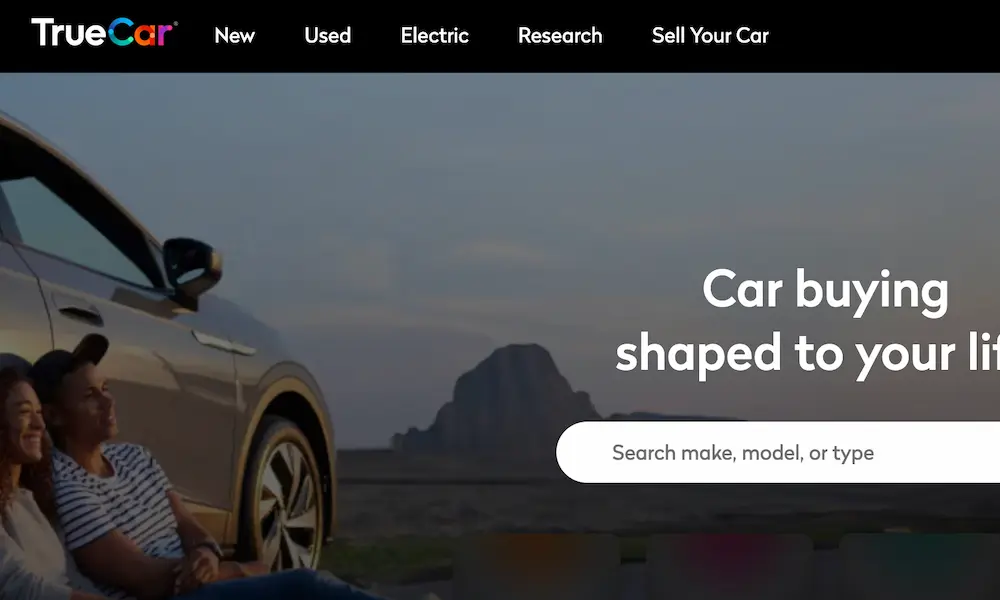
TrueCar is an automotive platform that connects car buyers with a network of over 13,000 certified dealerships across the US. Unlike CarMax or Carvana, TrueCar doesn’t sell vehicles directly – it’s an intermediary service that shows you pricing data and connects you with local dealers.
The platform’s main selling point is price transparency. TrueCar collects real transaction data from various sources including dealerships, car loans, registration information, and insurance data to calculate what they consider fair market values for vehicles. This differs from some competitors that might rely more heavily on listing prices rather than actual sales.
What TrueCar isn’t: a direct retailer, a guaranteed lowest-price finder, or a service that operates independently from dealerships.
How TrueCar Makes Money (Hint: It’s Not From You)
Here’s where things get interesting. TrueCar generates revenue by charging dealers fees for completed transactions: $299 for new car sales and $399 for used vehicle sales. This means dealers are TrueCar’s actual customers, not you.
This business model creates an inherent conflict of interest that’s important to understand. While TrueCar markets itself as consumer-friendly, it depends entirely on dealer participation and satisfaction to survive financially. This has created tensions within the automotive industry, with some dealer associations even pursuing legal action against the company.
The company’s financial performance reflects these challenges. TrueCar has struggled with profitability, consistently reporting negative profit margins in recent years. In 2024, the company generated $175.60 million in revenue but posted a net loss of $31.05 million.
TrueCar Pricing: How Accurate Is It Really?
How Their Pricing Works
TrueCar updates pricing information weekly based on regional market averages of actual transactions. This data-driven approach generally produces more accurate market valuations compared to services that rely primarily on advertised prices.
However, there are important limitations to be aware of:
- TrueCar pricing excludes taxes, documentation fees, dealer accessories, and other charges that can add thousands to your final purchase price
- Pricing accuracy depends heavily on sample size – less common vehicles may have less reliable estimates
- Prices aren’t legally binding – dealers can (and sometimes do) change them when you arrive
How TrueCar Compares to Competitors
When comparing pricing platforms, TrueCar tends to fall somewhere in the middle. Research shows that pricing differences between major platforms can be substantial, with variations of $2,000-$3,000 for the same vehicle being common. TrueCar prices typically fall somewhere between Kelley Blue Book’s higher estimates and Edmunds’ lower ones, though this varies by market and vehicle type.
Both Edmunds True Market Value and TrueCar use transaction-based data, while Kelley Blue Book traditionally relied more on advertised prices (though their methodology has evolved over time).
The TrueCar Experience: Pros and Cons
What’s Good About TrueCar
TrueCar shines in providing transparent market data without requiring extensive negotiation skills. The platform quickly shows you how a vehicle’s asking price compares to regional averages, with clear ratings like “Excellent,” “Great,” “Fair,” or “High” price. This helps less experienced buyers avoid obvious overpricing.
The no-haggle approach appeals to many people who find traditional car buying stressful. Many users report successful experiences where TrueCar pricing was honored and the process saved significant time. One user mentioned saving 6-7 hours of negotiations while still getting a competitive price.
What’s Not So Good
The biggest limitation is that TrueCar prices aren’t guaranteed. Many users have documented situations where dealers either refused to honor quoted prices or added unexpected fees and markups. Some dealers use TrueCar primarily to get your contact information while maintaining their own pricing strategies.
Coverage limitations also pose problems. Not all dealers participate in TrueCar’s network, potentially limiting your options in smaller markets. Even among participating dealers, some may set their TrueCar pricing above MSRP during high-demand periods.
The Privacy Problem
A major drawback is TrueCar’s lead generation model, which requires providing your contact information to see actual pricing and dealer details. This immediately triggers calls and emails from participating dealers, often resulting in aggressive sales tactics. Some users report receiving over 150 messages within a week after submitting their information.
The platform lacks robust confirmation systems to prevent misuse of contact information, leading to complaints about unauthorized lead generation. This makes TrueCar unsuitable for casual browsing or preliminary research unless you’re ready for dealer follow-ups.
Behind the Scenes: TrueCar’s Dealer Relationships
TrueCar has a complicated history with automotive dealers and industry associations. The company faced an antitrust investigation in 2015 (though it was eventually closed). Several major dealer groups, including AutoNation, have terminated relationships with TrueCar over data sharing requirements and fee structures.
These tensions stem from fundamental disagreements about TrueCar’s impact on dealer profitability. Many dealers argue that the platform’s price transparency reduces their profit margins, while TrueCar contends it provides valuable customer leads.
What this means for you: dealer participation varies significantly by region and brand. Some markets may have limited TrueCar dealer coverage, while others might include dealers who participate reluctantly and don’t provide their best pricing through the platform.
Alternative Car Buying Options
Similar Services
- Edmunds offers similar pricing transparency with True Market Value data, though it’s now owned by CarMax, creating its own potential conflicts of interest
- CarGurus provides AI-powered price ratings and market analysis with a larger dealer network
- AutoTrader and Cars.com offer extensive inventory access with verified dealer relationships, though they focus more on listings than pricing analysis
Different Approaches
- Costco Auto Program and credit union buying services often provide guaranteed pricing with less aggressive lead generation
- CarMax and Carvana provide no-haggle retail experiences with different trade-offs – CarMax offers higher reliability but typically charges 10-15% premiums, while Carvana provides convenience but has faced quality control issues
When TrueCar Makes Sense for You
TrueCar works best for buyers who:
- Value convenience over getting the absolute lowest price
- Lack negotiation experience or confidence
- Want reliable market data for price research
- Plan to buy from participating dealers anyway
- Don’t mind receiving multiple dealer communications
The service proves most valuable when used as a research tool rather than your primary purchasing method. You can use TrueCar pricing data to negotiate with any dealer, not just TrueCar partners.
Timing Considerations
Market conditions significantly affect TrueCar’s value proposition:
- During high-demand periods with limited inventory, dealers may set TrueCar pricing above MSRP
- During slow sales periods, TrueCar dealers may offer genuine discounts to move inventory quickly
The best times to use TrueCar align with optimal car buying periods: end of month, end of quarter, and end of year when dealers are motivated to meet sales targets. December is consistently the best month for car deals, with potential savings of 8-10% off MSRP.
The Hidden Costs You Need to Know
What’s Not Included in TrueCar Prices
TrueCar’s quoted prices exclude several significant costs that can dramatically affect your final purchase price:
- State and local taxes (typically 6-10% of vehicle price)
- Documentation and administrative fees (usually $200-800)
- Dealer-installed accessories and packages
- Extended warranties and service contracts
- Financing markups and interest rate adjustments
These exclusions mean your actual purchase price can easily exceed TrueCar quotes by $2,000-$5,000 or more.
Financing Implications
TrueCar dealers may use financing as a profit center even when offering competitive vehicle prices. The “backend” profits from financing markups, extended warranties, and service contracts can offset lower vehicle margins. You should secure independent financing options before visiting TrueCar dealers to maintain negotiating leverage.
How to Use TrueCar Effectively
If you decide to use TrueCar, follow these expert recommendations:
- Use multiple information sources: Combine TrueCar data with Edmunds, KBB, and regional dealer research for comprehensive market knowledge.
- Secure independent financing: Get pre-approved from banks or credit unions to avoid dealer financing markups.
- Verify total costs: Request detailed out-the-door pricing including all taxes and fees before committing to any deal.
- Prepare for follow-up: Use a temporary email or phone number if possible, or be prepared for aggressive dealer follow-up.
- Negotiate beyond TrueCar: Use TrueCar pricing as a starting point for negotiations with all dealers, not just TrueCar partners.
What Car Industry Professionals Say
Car sales professionals generally view TrueCar as a mixed blessing. While it generates leads, the pricing pressure reduces profit margins and creates race-to-the-bottom dynamics among dealers. Many sales professionals suggest that motivated buyers can often negotiate better deals through direct contact than through TrueCar’s standardized pricing.
Consumer advocates recommend using TrueCar as one research tool among many, emphasizing that no single service provides optimal results for all buyers. The key is understanding each platform’s strengths and limitations while maintaining realistic expectations about guaranteed savings.
Is TrueCar Worth It? The Final Verdict
TrueCar is worth using as a research and comparison tool, but not as your exclusive car-buying method. The platform excels at providing market transparency and eliminating negotiation stress for buyers who value convenience. However, its lead generation business model, potential for dealer non-compliance, and exclusion of significant costs limit its effectiveness as a comprehensive buying solution.
For automotive enthusiasts and experienced buyers, TrueCar’s value lies primarily in market research rather than transaction facilitation. The pricing data can inform negotiations with any dealer, while the convenience factor may not justify the potential limitations for buyers comfortable with traditional purchasing methods.
The service makes most sense for first-time buyers, those intimidated by negotiation, or anyone seeking quick market insights. However, serious deal-hunters should view TrueCar as one tool in a broader research strategy that includes direct dealer contact, competitive shopping, and thorough understanding of total ownership costs.
Ultimately, TrueCar’s worth depends on your individual priorities. If saving every possible dollar is paramount, traditional negotiation and comprehensive market research will likely yield better results. If convenience, transparency, and time savings are more valuable than optimal pricing, TrueCar can provide genuine benefits despite its limitations.