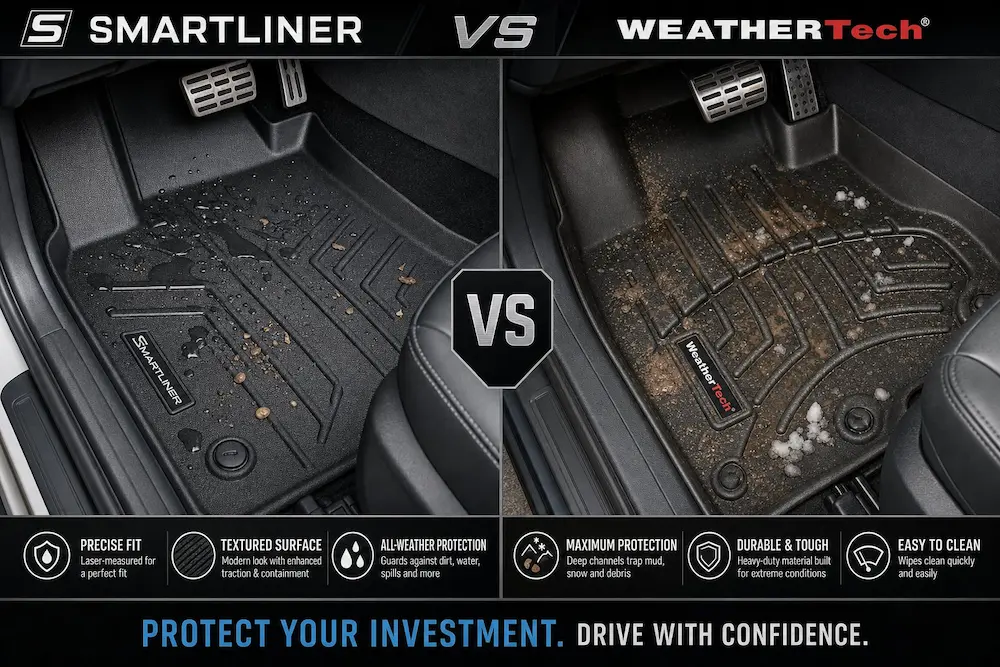
Trying to pick between MaxLiner and WeatherTech floor mats? Yeah, it can be a bit much—both brands swear up and down they’ll protect your ride like nothing else. MaxLiner’s all about affordable, custom-fit mats, while WeatherTech leans into high-end materials and a steeper price tag.
Honestly, you just need something that works for your budget and actually does the job. Here’s a breakdown of materials, fit, design quirks, and what you really get for your money—hopefully it helps you land on the right choice for your car.
MaxLiner vs WeatherTech: Key Differences
MaxLiner is the go-to if you want to save a few bucks and still get flexible floor protection. WeatherTech, on the other hand, is all about those premium, laser-measured liners. Pricing, materials, and warranty? Yeah, they’re pretty different across the board.
Brand Overview
WeatherTech’s got a reputation—some might say deserved—as the luxury floor mat brand. They use state-of-the-art laser measuring tools to get those liners to fit like a glove.
All their mats are made in the USA, and their warranties run anywhere from 3 to 10 years, depending on what you get.
MaxLiner (sometimes called Smartliner) is under Kramer Accessories—a family-run company with a global reach. People often say MaxLiner mats are way more flexible than WeatherTech and about half the price. Not bad, honestly.
They use computer modeling to dial in the fit, and their lifetime warranty actually outlasts WeatherTech’s coverage. That’s a nice perk.
Types of Floor Mats and Liners Offered
WeatherTech splits their lineup into two main types. Their DigitalFit Liners are fully custom and tailored to your exact car model.
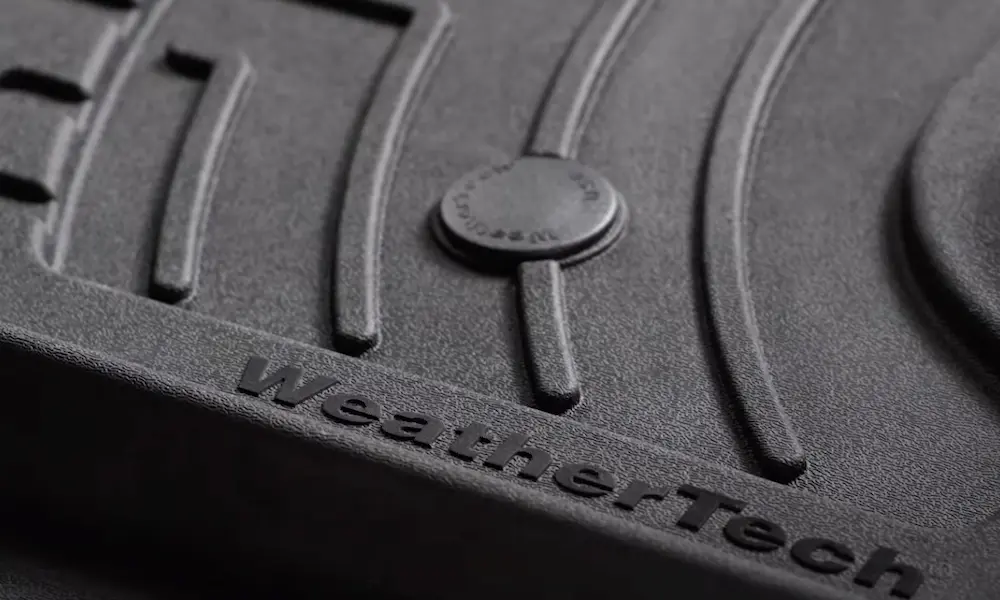
They’ve also got trim-to-fit mats for folks who want something more universal. These use high-density tri-extruded materials with those signature ridges and channels.
MaxLiner mostly sticks to custom-fit liners. Their stuff is made from low-density polyethylene, which is noticeably more flexible than WeatherTech’s stiffer material.
They’ve got smooth channels and raised edges that do a solid job of trapping mud, spills, and melted snow. Handy if you’re prone to making a mess.
Materials and Construction Quality
The biggest split between MaxLiner and WeatherTech comes down to what they’re made of and how they’re built. WeatherTech uses advanced thermoplastic elastomer (TPE), while MaxLiner goes for blended plastics. That gives each their own quirks—especially if you’re picky about your all-weather mats.
Heavy-Duty TPE Material vs HDTE Material
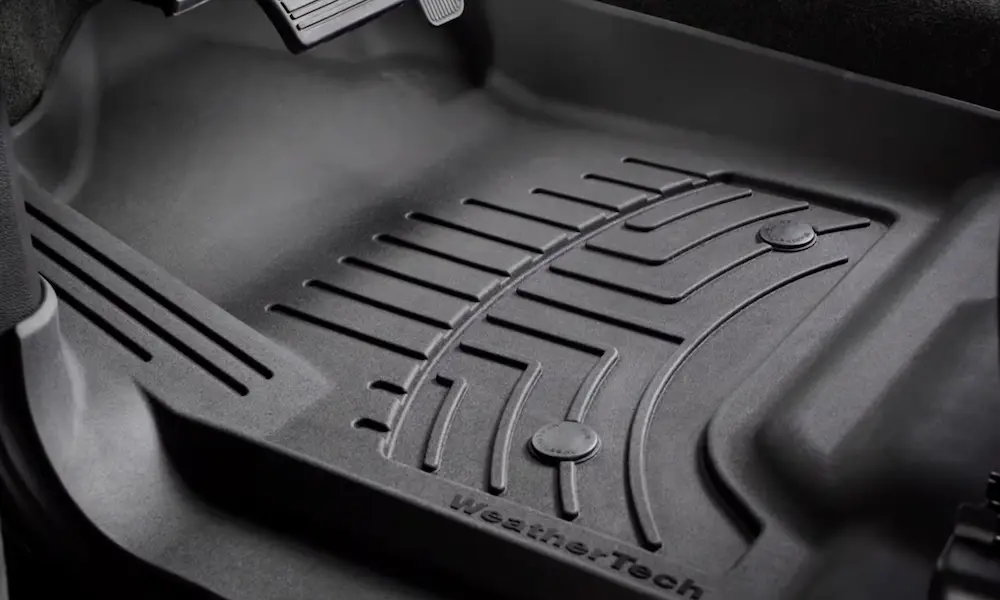
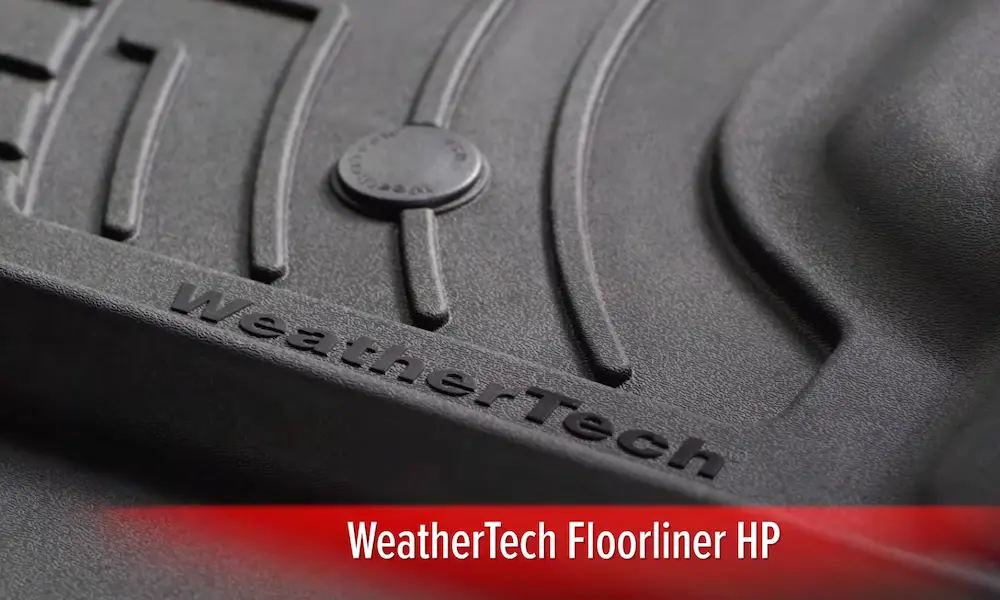
WeatherTech mats are built from high-density tri-extruded (HDTE) material, which gives them that firm, grippy feel. This thermoplastic elastomer (TPE) is supposed to be more flexible and tougher than the usual stuff.
That HDTE setup lets WeatherTech carve out deep, defined channels to guide water and debris. Their TPE really is tougher and more flexible than most competitors—at least in my experience.
MaxLiner uses 100% recyclable blended plastic polyethylene and rubber. It’s sturdy and can flex a bit, but it doesn’t quite have the high-tech feel of TPE.
The upside? MaxLiner mats are way more affordable. But some folks say the material feels a little more fragile compared to WeatherTech’s heavy-duty build.
Durability and Longevity
WeatherTech’s HDTE material is super grippy and keeps the liner anchored even if you’re rough on your car. The TPE resists cracking, and it stays flexible even when it’s freezing or blazing hot.
They can puff up a bit if they get hot, but they always bounce back to their original shape. That’s pretty reassuring if you plan to keep your mats for years.
MaxLiner’s blended plastic is durable enough for the price. It’s BPA-free and non-toxic, so you don’t have to worry about weird chemicals.
Still, some people think the material feels “flimsy” next to WeatherTech. You might see wear show up sooner, especially if you’re hard on your mats.
ISO9001 Quality Standard Certification
WeatherTech keeps things tight with quality control. Their US-made mats go through a bunch of testing to make sure they fit and last.
They use lasers and some pretty advanced manufacturing tricks to keep the tolerances close. That’s why their mats fit so well—they’re not just slapped together.
MaxLiner follows good manufacturing practices too, but they’re more about value than premium materials. Their computer modeling usually gets the fit right for most cars.
Both brands offer warranties, but WeatherTech’s premium materials usually mean you get a bit more coverage.
Precision Fit and Manufacturing Technologies
WeatherTech leans on laser measurement for their floor liners, while MaxLiner relies on computer modeling. Both aim for a snug fit, but their methods have their own vibe.
DigitalFit Technology and Laser Measurement
WeatherTech’s DigitalFit tech is all about combining laser scans with digital mapping to make perfect templates.
They start by scanning your car’s floor—every curve and weird angle gets recorded down to the millimeter.
WeatherTech liners are laser-measured to match your vehicle’s floor contours. That’s why they fit so snugly—it’s basically like they’re custom-tailored.
The DigitalFit system even takes into account:
- Where your pedals sit
- Console position
- Seat mounts
- Door sills
That’s why WeatherTech mats pretty much lock into place. Fewer gaps means less dirt and moisture sneaking through.
Computer-Generated Modeling Techniques
MaxLiner uses upgraded computer modeling to design their mats. They build out 3D models of car interiors to get the fit right.
Their process creates virtual templates based on vehicle specs. MaxLiner’s system layers on protection during the design stage.
Both WeatherTech and Smartliner make custom-fit liners for lots of vehicles, so you’ll usually get a good fit. MaxLiner’s approach is a bit more universal, though—they try to cover as many years and trims as possible with fewer unique molds.
Their modeling produces:
- Raised edges to keep spills in check
- Textured surfaces for grip
- Anchor points for mounting
- Flexible spots for the pedals
The snug fit comes from all those digital calculations. It’s not quite as obsessive as laser-measuring every nook, but it works well for most cars.
Design Features and User Experience
Both brands care about fit and looks, but they go about it differently. WeatherTech is into high-tech channels and function, while MaxLiner chases a sleeker, lighter look.
Shape, Coverage, and Custom Vehicle Compatibility
WeatherTech uses laser measuring tech for a custom fit that hugs every inch of your car’s floor. Their DigitalFit tech means each mat is made for a specific model and year.
They’ve got two options:
- Custom fit – laser-measured for your exact car
- Trim-to-fit – universal mats you can cut down
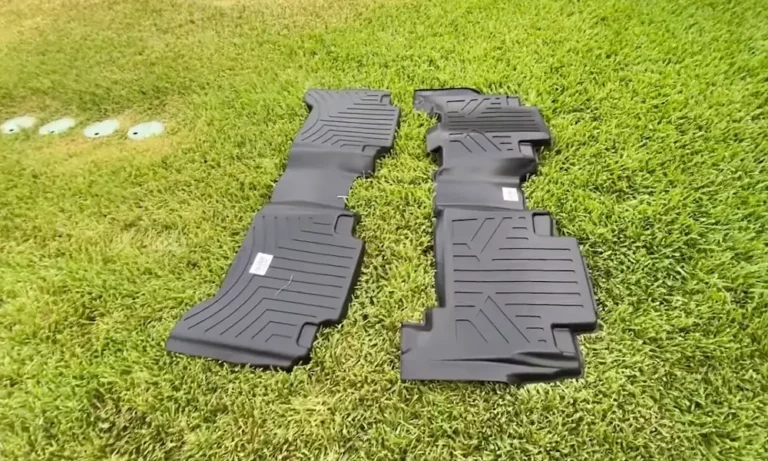
WeatherTech’s liners have tall, raised edges and deep channels to trap spills. Liquids get routed away from your feet and stay put even when you’re driving.
MaxLiner (Smartliner) uses computer modeling to get a nearly perfect fit. But you can’t trim them—they’re either right for your car or they’re not.
Their design gives you:
- Full floor coverage
- Raised lips on the edges
- Textured surface for grip
- Nibs underneath to keep them from sliding
WeatherTech covers more vehicles, especially if you’ve got an older car. MaxLiner mostly sticks to trucks and SUVs, so there are fewer options if you drive something less common.
Appearance and Aesthetic Choices
Both brands offer four classic colors: black, gray, cocoa, and tan. Easy enough to match most interiors.
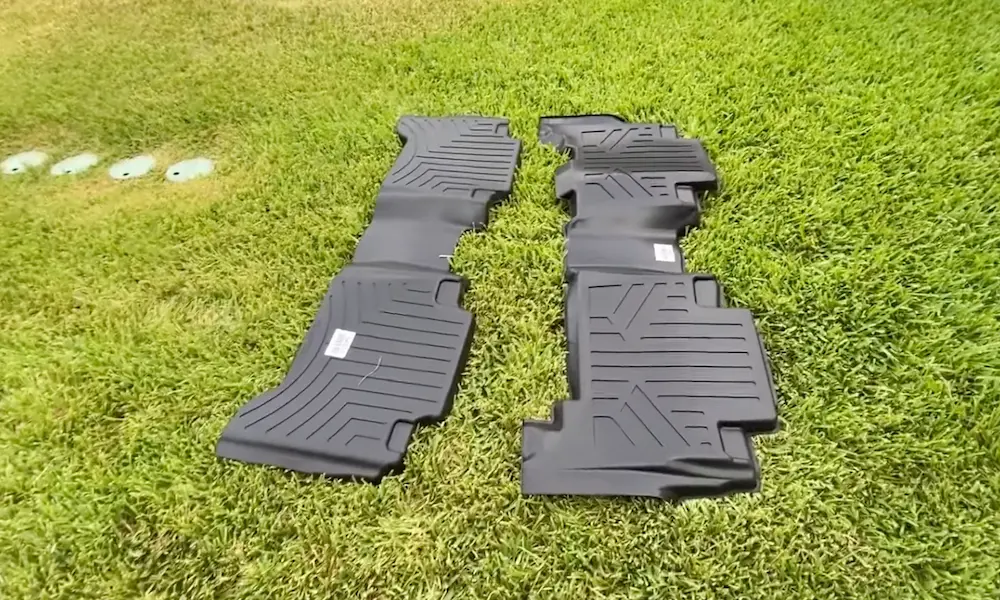
MaxLiner wins on looks with smoother, more modern 3D shapes. Their mats are lighter and honestly just easier to pop in and out for cleaning.
WeatherTech? They’re more about function than flash. Their mats are thick and heavy, with deep grooves. Not as sleek, but if you care about trapping messes, that’s the trade-off.
| Feature | WeatherTech | MaxLiner |
|---|---|---|
| Thickness | Thick, heavy-duty | Standard thickness |
| Weight | Heavier | Lighter |
| Surface | Deep channels, grippy texture | Smooth, sleek appearance |
| Edge design | Pronounced lips | Raised but streamlined |
WeatherTech’s deep channels create bigger reservoirs, but honestly, they don’t look as sharp. MaxLiner keeps things clean and simple for drivers who want low-key protection that still looks good.
Maintenance and Cleaning
Both MaxLiner and WeatherTech mats are made to be easy to clean, but they’re not quite the same when it comes to cleaning methods and what you can use on them. WeatherTech mats need a gentler touch, while MaxLiner mats can handle a bit more scrubbing if you’re in a rush.
Ease of Cleaning
MaxLiner mats are honestly just a bit easier to clean than WeatherTech’s. You can pull them out in seconds and blast them off with a garden hose—super simple.
Their textured surface lets go of dirt pretty easily. Usually, most of the mess comes off with just a little soap and water—no need to go crazy scrubbing.
WeatherTech floor mats can be a bit more high-maintenance. Some folks mention it’s tough to get road grime out of those deep, textured channels.
Those grooves are great for trapping gunk, but cleaning them out? That takes some work. You’ll probably want a brush to get into all the nooks and crannies.
On the bright side, both brands say you can toss the mats into a washing machine on a gentle cycle. MaxLiner seems to hold up a little better if you go at it with higher water pressure.
Recommended Cleaning Products
For MaxLiner mats, regular dish soap or a mild automotive cleaner is all you need. Definitely skip the harsh stuff, though—it can mess up the polyethylene.
Simple Green or any light detergent works for routine cleaning. If you’ve got a stubborn stain, a soft brush is your friend.
For WeatherTech mats, it’s probably best to stick with their own cleaner or a gentle rubber-safe auto product. Stuff made for rubber mats usually does the trick.
Just steer clear of bleach or anything petroleum-based, no matter which mats you have. Those chemicals can crack or discolor the material eventually.
Here’s a cleaning routine that works for most people:
- Weekly: Shake out loose dirt and crumbs
- Monthly: Rinse with water and mild soap
- Whenever needed: Go for a deep clean with the right products
Pricing and Value
WeatherTech floor liners are usually pricier upfront, while MaxLiner gives you almost the same level of protection for less. The difference can be close to $100, so it really comes down to your budget and how much you care about long-term durability.
Cost Comparison
WeatherTech is definitely at the premium end. You’re paying for their fancy tri-extruded material and the super-precise laser fit.
MaxLiner (sometimes called Smartliner) is more of a budget pick. Their mats are usually about $100 less than WeatherTech for the same car.
The higher price reflects WeatherTech’s premium build and reputation. But honestly, MaxLiner’s low-density polyethylene still does a solid job.
Here’s what’s behind those price tags:
- WeatherTech: Fancy HDTE material, laser-measured fit, strong brand
- MaxLiner: Eco-friendly polyethylene, custom fit, value-focused
Both brands have custom-fit mats for most vehicles. Depending on your car, prices might shift a little between the two.
Long-Term Value
WeatherTech’s steeper price might be justified if you’re after maximum durability. Their tri-extruded material really resists cracking, even in wild temperatures, and holds its shape for years.
MaxLiner still holds up well for the money. Plenty of folks say their Smartliner mats have lasted years without issues.
WeatherTech mats usually outlast in rough conditions. If you’re always tracking in mud or snow, or just generally hard on your mats, the extra spend might make sense.
MaxLiner is the better deal if you want good protection without breaking the bank. Their reinforced edges help with wear, too.
Think about how you use your car. If you’re a daily commuter, MaxLiner’s price is tempting. If you’re outdoorsy or rough on your interior, WeatherTech’s durability might be worth it.
MaxLiner vs WeatherTech: Which Should You Choose?
Both brands give you solid floor protection, but the “best” really depends on your needs and budget. WeatherTech nails it with fit and toughness, while MaxLiner gets you most of the way there for less cash.
Best Choice for Different Needs
Pick WeatherTech if you want:
- The tightest, most precise fit—thanks to laser measurements
- Super tough, thick materials for max durability
- Made in USA with domestic stuff, if that matters to you
- Extra channeling on the surface to keep liquids contained
WeatherTech uses something called DigitalFit tech. Basically, they scan your car and make liners that fit like a glove.
You can get custom-fit or trim-to-fit, so there’s some flexibility depending on your car setup.
Go with MaxLiner/Smartliner if you want:
- Affordable pricing without feeling “cheap”
- Lighter mats that are easy to handle and clean
- Sleek, modern look with those smooth 3D shapes
- Solid protection at $120–$140, compared to WeatherTech’s $170+
MaxLiner uses computer modeling for a custom fit, too. Their mats are thinner, but still do a good job keeping your car clean.
Both brands offer four color choices, raised edges, and anti-slip features—so you’re not missing out there.
Summary of Pros and Cons
| Feature | WeatherTech | MaxLiner/Smartliner |
|---|---|---|
| Price | Higher ($170+) | Lower ($120-$140) |
| Fit | Laser-measured precision | Computer-modeled, good fit |
| Weight | Heavier, more durable | Lighter, easier handling |
| Material | High-density TPE | Blended plastic rubber |
| Vehicle Range | Extensive coverage | Good but less than WeatherTech |
WeatherTech Pros:
- Honestly, the liquid retention and channeling here are top-notch
- Lifetime warranty coverage (always reassuring)
- Thicker, beefier build—just feels solid
- Fit is almost always spot-on for most vehicles
WeatherTech Cons:
- Definitely pricier than most other options
- They’re on the heavier side, so pulling them out can be a bit of a hassle
MaxLiner Pros:
- Competitive pricing—your wallet will thank you
- Lighter mats, so cleaning is honestly less of a chore
- Has a sleeker, more modern vibe to the look
- Still comes with a lifetime warranty, which is nice
MaxLiner Cons:
- The fit isn’t quite as dialed-in as WeatherTech’s laser-measured ones
- Material’s a bit thinner, so not sure it’ll last as long in rough conditions
- Vehicle compatibility isn’t as broad—something to keep in mind