Wondering what to put in your Mini Cooper at the pump? You’re not about to ruin your prized ride with the wrong fuel. Mini Coopers have specific fuel requirements that help maintain their peppy performance and engine longevity. Let’s break down exactly what your Mini needs to keep running at its best.
Mini Cooper Fuel Requirements: The Basics
Mini Coopers generally prefer premium unleaded gasoline with an octane rating of 91 or higher. This isn’t just a luxury suggestion—it’s tied directly to how these engines are designed.
Your Mini’s fuel door should have a label specifying what octane level is required, but here’s the general rule: high-performance engines need high-performance fuel.
Why Premium Fuel Matters for Your Mini
Mini engines, especially in turbocharged models like the Cooper S and John Cooper Works (JCW), run with high compression ratios. This design squeezes more power from each drop of fuel but demands higher octane to prevent engine knock.
Engine knock occurs when fuel ignites before the spark plug fires, creating a pinging sound that can damage engine components over time. Premium fuel’s higher octane rating prevents this, allowing the engine to maintain proper timing.
Think of it this way: using the wrong fuel in your Mini is like trying to run a marathon in flip-flops—you might finish, but you’ll perform better with proper equipment.
Model-Specific Recommendations
Different Mini Cooper models have slightly different fuel requirements:
Base Mini Cooper (Non-S Models)
The standard Mini Cooper with a 1.5L engine can technically run on regular unleaded (87 octane), but you’ll get:
- Better performance
- Improved fuel economy
- Smoother engine operation
…if you opt for 91 octane or higher.
Mini Cooper S
The Cooper S is more demanding due to its turbocharged engine:
- Required fuel: Premium unleaded (91-93 octane)
- Consequences of using regular: Reduced power by 5-10% and decreased fuel economy
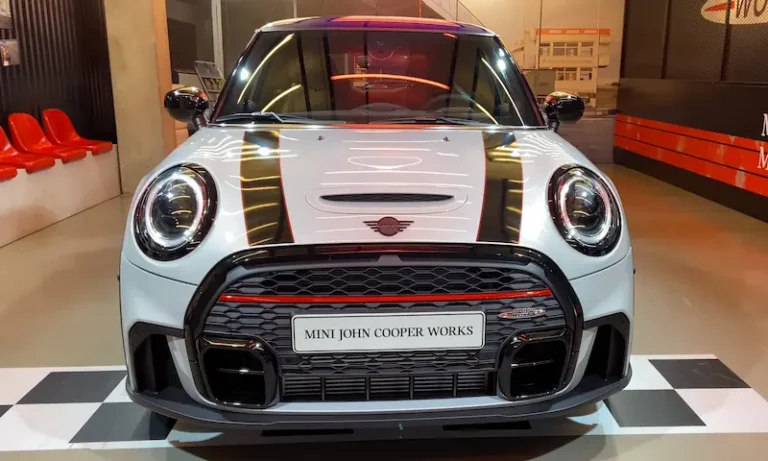
John Cooper Works (JCW)
The high-performance JCW leaves no wiggle room:
- Required fuel: Premium unleaded (93 octane)
- Consequences of lower octane: Significant performance reduction and potential long-term engine damage
A JCW owner reported that using premium fuel improved throttle response by 8-12% compared to regular unleaded.
What Happens If You Use Regular Gas in a Mini Cooper?
While your Mini won’t immediately explode if you fill it with 87 octane, there are consequences:
- Performance reduction: The engine’s computer will detect the lower octane and adjust timing, reducing power output
- Decreased fuel economy: You might save at the pump but burn more fuel per mile
- Engine knock: Modern engines have knock sensors to prevent damage, but they can only compensate so much
- Long-term wear: Consistent use of lower octane can accelerate wear on engine components
In a Cooper S or JCW, using regular gas is particularly problematic, with warranty data suggesting that engines run on lower octane experience 30% more warranty claims related to fuel systems and turbochargers.
Premium vs. Regular: Is It Worth the Extra Cost?
Let’s do some quick math to see if premium is worth it:
| Fuel Type | MPG (Highway) | Cost Per Gallon | Cost Per 100 Miles |
|---|---|---|---|
| Regular (87) | 35 MPG | $3.50 | $10.00 |
| Premium (93) | 39 MPG | $4.00 | $10.26 |
While premium costs more per gallon, the improved efficiency nearly offsets the price difference. Factor in potential repair costs from using lower-octane fuel, and premium becomes the economical choice long-term.
Ethanol Content and Mini Cooper Compatibility
Most Mini Cooper engines can handle fuels with up to 10% ethanol (E10), which is common in the US. However, higher ethanol blends like E15 or E85 should be avoided unless specifically approved for your model.
Ethanol contains less energy than gasoline, so higher ethanol blends can reduce your fuel economy by 3-4%. If you’re filling up in different regions, be aware that ethanol content varies widely.
Top-Tier Gasoline: A Smart Choice for Mini Owners
Beyond octane ratings, consider using Top Tier gasoline. These fuels contain higher levels of detergent additives that help keep your Mini’s engine clean.
Brands like Shell V-Power and BP Ultimate are particularly beneficial for direct-injection engines found in newer Mini models, as they help reduce carbon deposits that can affect performance over time.
What About Diesel Mini Coopers?
Some Mini Cooper models, particularly in European markets, come with diesel engines. If you have a Mini Cooper D (diesel), you must use diesel fuel only—putting gasoline in a diesel engine can cause catastrophic damage.
Similarly, never put diesel in a gasoline Mini Cooper. If you make this mistake, don’t start the engine and have the vehicle towed to a mechanic to have the fuel system drained.
How to Check Your Mini’s Specific Fuel Requirements
To confirm exactly what fuel your Mini needs:
- Check the inside of the fuel door for a label specifying the octane requirement
- Consult your owner’s manual (typically in the “Technical Data” section)
- Look for the Mini Cooper specifications online for your specific model year and variant
International Travel and Regional Fuel Standards
If you’re driving your Mini overseas or in different regions, be aware that octane is measured differently around the world:
- North America uses AKI (Anti-Knock Index)
- Europe and many other regions use RON (Research Octane Number)
A Mini requiring 91 AKI in the US would need 95 RON in Europe. The numbers differ, but the quality requirement remains the same.
Signs Your Mini Isn’t Happy With Its Fuel
How can you tell if your Mini doesn’t like the fuel you’re using? Watch for these symptoms:
- Engine pinging or knocking sounds
- Reduced acceleration and responsiveness
- Rough idle or hesitation during acceleration
- Decreased fuel economy
- Check engine light illumination
If you notice these issues after refueling, switch to a higher octane at your next fill-up and consider having the fuel system cleaned if problems persist.
Best Practices for Fueling Your Mini Cooper
To keep your Mini running its best:
- Stick with the recommended octane: It’s worth the extra cost
- Use Top Tier gasoline when possible for cleaner engine operation
- Keep your tank at least quarter-full to prevent fuel pump overheating
- Avoid running out of gas as it can damage the fuel pump
- Consider occasional fuel system cleaners if you sometimes use lower octane
Hybrid and Electric Mini Coopers
As Mini expands its lineup to include more hybrid and electric options, fuel concerns become less relevant for these models. The Mini Cooper SE Electric doesn’t use gasoline at all, while plug-in hybrids like the Countryman PHEV still require premium fuel for their gasoline engines when they’re running.
The Bottom Line on Mini Cooper Fuel
Your Mini Cooper was engineered for premium fuel—it’s part of the performance package you paid for. While cutting corners at the pump might seem economical in the short term, the long-term consequences to performance, efficiency, and engine health make premium fuel the smart choice for most Mini owners.
Remember: the few extra dollars you spend on each tank of premium fuel could save you thousands in repairs down the road while keeping your Mini running with the spirited performance that made you fall in love with it in the first place.