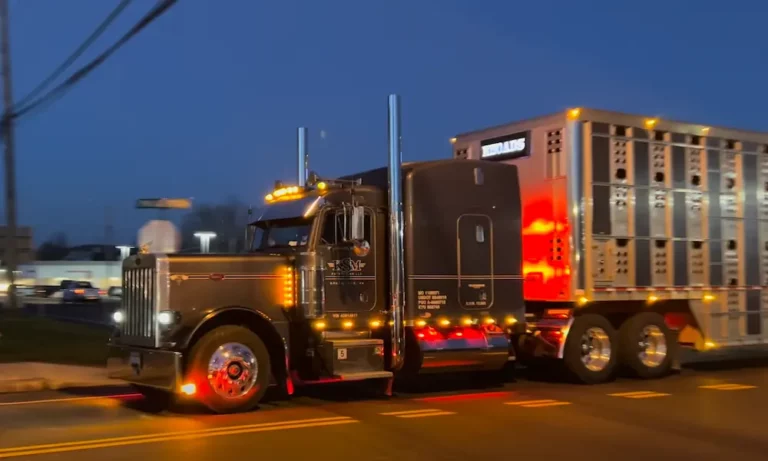
Ever hit the brakes on your Peterbilt 379 only to realize your brake lights aren’t working? That small brake light switch tucked away under your dash might be the culprit. Whether you’re a seasoned trucker or a fleet maintenance manager, knowing where to find this crucial safety component can save you time, money, and potentially prevent accidents.
Where Is the Peterbilt 379 Brake Light Switch Located?
The brake light switch on a Peterbilt 379 is located in the air manifold block under the dashboard on the cab floor, typically positioned behind or near the steering column. This location requires removing plastic panels to access the switches.
Most drivers don’t think about this component until it fails, but understanding its exact location is essential for quick diagnosis and repair.
Detailed Location Breakdown
The brake light switch is mounted in an aluminum air manifold block that sits on the floor of the cab, usually on the right side of the steering column. This manifold houses several pressure switches that control different functions of your truck.
If you’re standing outside the truck looking in, the switch is typically toward the right side of the steering column assembly, tucked under the dash where the steering column meets the floor.
How to Access the Brake Light Switch
Getting to the switch requires some disassembly of your dashboard components. Follow these steps:
- Remove the lower dash panels – Take off the plastic kick panels and covers below the steering column
- Look for the aluminum manifold block on the floor
- Identify the brake light switch among the other switches
Many drivers find that accessing this area is easier if you’re outside the truck, kneeling at the open door, and reaching under the dash.
Identifying the Correct Switch
Once you’ve exposed the air manifold block, you’ll need to identify which switch controls the brake lights. The brake light switch is typically the second switch from the left on the manifold block.
Look for these identifying features:
- A brass or metal pressure switch screwed into the manifold
- Two electrical wires connected to it
- Often marked with “NC” (normally closed)
- Larger diameter than some of the other switches
This switch is designed to activate at approximately 5 PSI of air pressure when you apply the brakes.
Important: Two Separate Brake Light Switches
An often overlooked detail is that the Peterbilt 379 has two separate switches: one for the tractor brake lights and another for the trailer brake lights. Make sure you’re addressing the correct switch for your specific problem.
The tractor brake light switch controls the lights on the truck itself, while the trailer switch activates the lights on any trailer you’re pulling.
Model Year Variations
It’s worth noting that the exact location of the brake light switch may vary slightly between different model years of the Peterbilt 379:
| Model Year | Switch Location Variation |
|---|---|
| Pre-2005 | Typically in traditional manifold block |
| 2005+ | Some models have switches inline with plastic air lines |
If you have a newer model, you might find the switch installed inline with the air lines rather than directly in the manifold block.
Tools Needed for Replacement
If you’re planning to replace the brake light switch, gather these tools before starting:
- Phillips screwdriver
- Channel lock pliers
- Basic hand tools for removing dash panels
- Electrical tape
- Replacement switch (ensure it’s the correct PSI rating)
Having everything ready will make the job go much smoother once you’re lying on your back under the dash.
Step-by-Step Replacement Process
When it’s time to replace your brake light switch, follow these steps:
- Disconnect the truck’s battery to prevent electrical shorts
- Remove the necessary dash panels to access the air manifold
- Locate the brake light switch in the manifold block
- Disconnect the electrical wires using a Phillips screwdriver to remove the terminal screws
- Use channel lock pliers to unscrew the switch counterclockwise from the manifold block
- Compare the old switch with your replacement to ensure they match
- Install the new switch by threading it in clockwise (don’t overtighten)
- Reconnect the electrical terminals
- Reconnect the battery
- Test the brake lights to ensure proper operation
Common Issues with the Brake Light Switch
Several problems can occur with the Peterbilt 379 brake light switch:
- Internal component failure – The switch contains a diaphragm that can rupture over time
- Air leaks – You might hear a hissing sound when the switch fails
- Electrical connection problems – Corroded or loose terminals
- Incorrect activation pressure – Switch activates too early or too late
If your brake lights stay on constantly or never come on at all, the switch is likely the culprit.
Testing the Switch Before Replacement
Before replacing the switch, you can perform a simple test:
- Have someone watch the brake lights while you press the brake pedal
- If the lights don’t come on, check for power at the switch using a test light
- Check the switch’s continuity with a multimeter
- Listen for air leaks around the switch when pressing the brakes
This testing can confirm whether the switch itself is the problem or if there’s an issue elsewhere in the system.
The Importance of the Correct PSI Rating
The brake light switch for a Peterbilt 379 is designed to activate at approximately 5 PSI. Using a switch with the wrong PSI rating can cause your brake lights to come on too early or too late, potentially creating a safety hazard.
Always check the specifications of your replacement switch to ensure it matches the original equipment requirements.
Additional Components in the Air Manifold Block
When working in this area, you’ll notice several other switches in the manifold block, including:
- Low air pressure warning switches
- Differential lock switches
- Traction control switches
- Cruise control cutout switches
It’s important to identify the correct switch before making any replacements. Each serves a specific purpose in your truck’s operation.
Cost Considerations for Replacement
The brake light switch itself is relatively inexpensive, typically ranging from $15 to $40 depending on where you purchase it. However, if you’re having a shop do the work, labor costs can add significantly to the total price.
DIY replacement can save you considerable money, especially since the job usually takes less than an hour once you’ve gained access to the switch.
Safety Implications of Faulty Brake Lights
Functioning brake lights are not just a regulatory requirement—they’re a critical safety feature. A malfunctioning brake light switch can lead to:
- Increased risk of rear-end collisions
- DOT violations and fines
- Failed inspections
- Potential liability issues in accidents
Never ignore intermittent or non-functioning brake lights on your Peterbilt 379.
Alternative Solutions for Emergency Situations
If you’re on the road and experience brake light failure, here are some temporary measures until you can properly replace the switch:
- Check the fuse first (often overlooked)
- Inspect wiring connections for loose terminals
- In extreme emergencies, you can bypass the switch temporarily (but address the proper repair ASAP)
Remember that driving without functioning brake lights is illegal and dangerous, so these are truly last-resort options.
Purchasing Genuine vs. Aftermarket Switches
When replacing your brake light switch, you’ll have options between genuine Peterbilt parts and aftermarket alternatives:
- Genuine Peterbilt switches ensure exact fit and function but cost more
- Aftermarket switches can save money but may vary in quality
- Some aftermarket options offer improved durability over OEM parts
Research reviews and consider your budget and long-term plans for the truck when deciding which option is best for you.
Working with Limited Space
One of the challenges of replacing the Peterbilt 379 brake light switch is the limited space under the dash. Here are some tips:
- Use a flashlight or headlamp to improve visibility
- Consider removing the driver’s seat for better access
- Use extension tools if necessary to reach tight spots
- Take photos before disconnecting anything to help with reassembly
- Label wires if you’re disconnecting multiple connections
Taking your time and planning your approach can make this job much less frustrating.
Winterizing Your Brake Light System
In colder climates, moisture in your air system can freeze and cause issues with the brake light switch. Consider these winterization tips:
- Ensure your air dryer is functioning properly
- Drain air tanks regularly to remove moisture
- Consider adding air system antifreeze in extreme conditions
- Inspect air lines for signs of moisture or ice buildup
These precautions can help prevent brake light switch failures during winter driving conditions.
By understanding where your Peterbilt 379 brake light switch is located and how to properly maintain and replace it, you can ensure your truck remains safe, compliant, and reliable on the road.