Got a pesky P0325 or P0330 code lighting up your dashboard? Finding the Chevy 5.3 knock sensor location can feel like a treasure hunt – especially when you’re not sure which generation engine you’re dealing with. This guide breaks down exactly where to find these sensors based on your truck’s year, plus the tools and techniques you’ll need.
What Makes Knock Sensor Location Tricky on 5.3L Engines
The Chevy 5.3L engine went through major design changes over its production run. The biggest headache? GM completely moved the knock sensors between 2006 and 2007 models. This wasn’t just a minor tweak – it’s the difference between a 1-hour job and a full weekend project.
Your repair strategy depends entirely on which generation you’re working with. Let’s break it down by year so you know exactly what you’re getting into.
Generation III Engines (1999-2006): The Valley Pan Challenge
Hidden Under the Intake Manifold
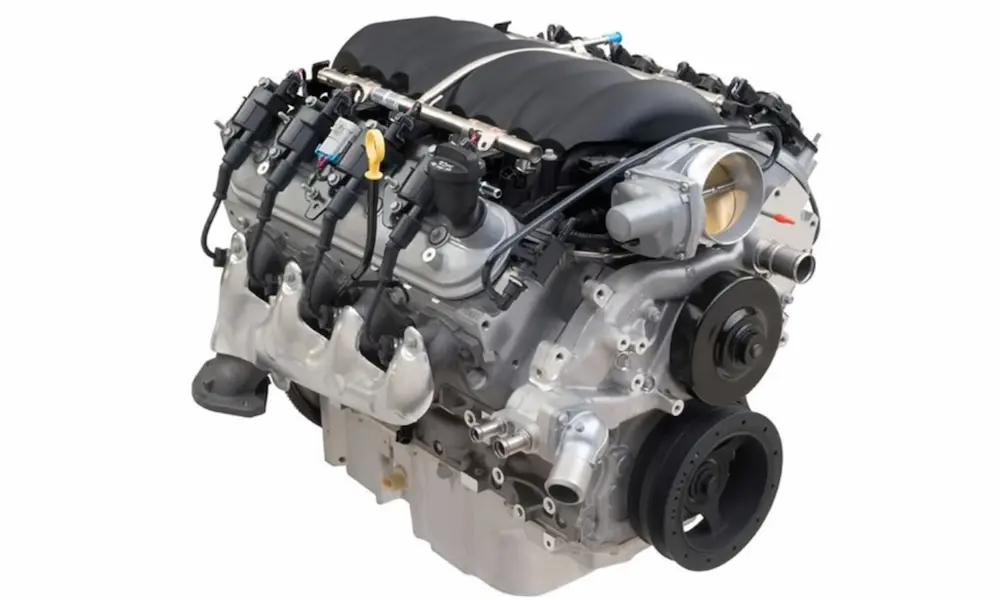
For 1999-2006 Chevrolet 5.3L engines, both knock sensors hide under the intake manifold in the valley pan area. This location seemed like a good idea for protection from road debris, but it created a maintenance nightmare.
The knock sensor placement requires complete intake manifold removal to access either sensor. You’ll find:
- Front knock sensor: Positioned toward the front of the engine valley
- Rear knock sensor: Located toward the rear of the valley pan area
Required Disassembly Process
Accessing the Chevy 5.3 knock sensor location on these early models means removing:
- Engine cover and complete air intake system
- Throttle body and all fuel lines
- Entire intake manifold assembly
- Multiple electrical connections and vacuum lines
This extensive disassembly process typically takes 4-6 hours even for experienced mechanics. The sensors use 22mm sockets for removal and require 15 ft-lbs of torque during installation.
Cost Considerations for Gen III
| Component | Typical Cost Range |
|---|---|
| Knock Sensor Pair | $80-150 |
| Labor (4-6 hours) | $400-600 |
| Gaskets/Seals | $50-100 |
| Total Repair | $530-850 |
The high labor cost makes this one of the most expensive routine maintenance items on these trucks. Many owners choose to replace both sensors simultaneously to avoid repeating the disassembly process.
Generation IV Engines (2007-2013): Much Better Access
Side-of-Block Revolution
Starting in 2007, GM moved the knock sensors to the engine block sides. This design change cut repair time by 75% and made the job accessible to DIY mechanics.
Specific Sensor Locations
Passenger Side Sensor: Located near the starter motor, just forward of it and below the exhaust manifold. You can access this sensor from underneath the vehicle or through the passenger side wheel well.
Driver Side Sensor: Mounted on the driver side of the block near the motor mount area. Most technicians prefer accessing through the wheel well after removing the front tire.
Tools and Specifications
The relocated Chevy 5.3 knock sensor location uses different hardware:
- Socket size: 13mm wrench or socket
- Torque specification: 18 ft-lbs
- Labor time: 1-2 hours for both sensors
This represents a massive improvement in serviceability compared to the valley pan location.
Generation V Engines (2014+): Continued Accessibility
The newest 5.3L engines maintain the side-of-block mounting design. GM learned their lesson from the Gen III accessibility issues and kept the sensors in easily reachable locations.
The sensor locations and access methods remain essentially identical to Generation IV engines, with sensors mounted on both sides of the engine block.
Step-by-Step Access Methods
For 2007+ Models (Recommended Approach)
The most efficient way to reach the Chevy 5.3 knock sensor location on newer trucks:
- Safety first: Engage parking brake and chock rear wheels
- Raise the vehicle: Use proper jack points and secure with jack stands
- Remove front tire: Optional but provides much better access
- Locate sensors: Check both sides of the engine block
- Disconnect electrical: Remove harness connectors before sensor removal
- Remove sensors: Use 13mm socket with extensions as needed
Working Through the Wheel Well
Many DIY mechanics find wheel well access easier than working entirely from underneath. Remove the front tire and plastic wheel well liner for clear access to the passenger side sensor.
Required Tools List
- 13mm socket and ratchet set
- Socket extensions (6″ and 12″ recommended)
- Torque wrench (10-25 ft-lbs range)
- Basic hand tools for electrical connections
- Safety equipment (jack, stands, wheel chocks)
Common Problems and Professional Tips
Harness Issues Often Overlooked
Don’t ignore the wiring harness when replacing knock sensors. The rubber connectors become brittle over time, especially on high-mileage vehicles. Cracked connectors can cause recurring codes even with brand new sensors.
Replace the harness if you notice:
- Cracked or brittle rubber boots
- Corroded electrical contacts
- Loose or damaged wiring
Quality Matters for Longevity
Cheap knock sensors often fail within 12-24 months. Stick with OEM (AC Delco) or quality aftermarket brands. The small upfront savings isn’t worth repeating this repair job.
Relocation Modifications for Gen III
Some owners of 1999-2006 trucks relocate their knock sensors to threaded bosses on the cylinder heads. This modification avoids future intake removal but requires custom wiring and may not provide identical engine protection.
Diagnostic Codes and Sensor Testing
Common Knock Sensor Codes
- P0325: Knock Sensor Circuit (Bank 1)
- P0330: Knock Sensor Circuit (Bank 2)
- P0327: Knock Sensor Low Input (Bank 1)
- P0332: Knock Sensor Low Input (Bank 2)
Quick Testing Methods
Before assuming the Chevy 5.3 knock sensor location is your problem, test the sensors:
- Resistance test: Should read 3,000-5,000 ohms at room temperature
- Voltage test: Should produce small AC voltage when tapped gently
- Visual inspection: Check for obvious damage or loose connections
When Replacement is Necessary
Replace knock sensors if they show:
- Infinite resistance (open circuit)
- Zero resistance (short circuit)
- Physical damage or corrosion
- Persistent codes after harness inspection
Cost Comparison by Generation
| Generation | Year Range | Labor Hours | Typical Total Cost |
|---|---|---|---|
| Gen III | 1999-2006 | 4-6 hours | $530-850 |
| Gen IV | 2007-2013 | 1-2 hours | $200-350 |
| Gen V | 2014+ | 1-2 hours | $200-350 |
The dramatic cost difference explains why many Gen III owners consider the sensor relocation modification.
Preventing Future Issues
Regular Maintenance Tips
- Inspect wiring harnesses during oil changes
- Address engine knock issues promptly
- Use quality fuel to prevent carbon knock
- Replace sensors in pairs when possible
Warning Signs to Watch
Don’t wait for diagnostic codes. Replace knock sensors if you notice:
- Engine pinging or knocking sounds
- Reduced power or acceleration
- Poor fuel economy
- Rough idle conditions
Model-Specific Considerations
Silverado and Sierra Trucks
The Chevy 5.3 knock sensor location remains consistent between Silverado and Sierra models within the same generation. However, some trim levels may have additional components that affect access routes.
SUV Applications
Tahoe, Suburban, and Yukon models use identical sensor locations but may require removing additional splash shields or skid plates for access.
Engine Code Variations
All 5.3L engines (LM7, L59, LMG, L83, etc.) follow the same generational patterns for knock sensor placement, regardless of specific RPO codes.
Finding the Chevy 5.3 knock sensor location doesn’t have to be a mystery. The key is identifying your engine generation first, then choosing the right approach for your specific year. While Gen III engines require significant disassembly, the newer generations offer much more reasonable repair procedures that most DIY mechanics can handle with basic tools and patience.
Remember to address wiring harness issues during sensor replacement, and don’t skimp on sensor quality. A proper repair now saves you from repeating this job in the near future.