Driving a Hyundai with engine issues can be nerve-wracking. If you’ve heard about the knock sensor recall affecting millions of Hyundai vehicles, you might be wondering if your car is impacted and what steps to take. This guide breaks down everything about Hyundai’s knock sensor detection system, how it protects your engine, and how to ensure you’re covered by the extended warranty.
What Is the Hyundai Knock Sensor Recall?
The Hyundai knock sensor recall isn’t a traditional safety recall but rather a series of service campaigns designed to prevent catastrophic engine failure. Starting with Campaign 953 in 2019 and expanding through additional campaigns in 2021-2022, Hyundai has introduced software that uses your car’s existing knock sensors to detect early signs of engine bearing wear.
This issue affects Theta II, Nu, and Gamma engines in more than two million U.S. vehicles. These engines were machined with residual metallic debris that can damage connecting-rod bearings, potentially leading to complete engine failure and, in some cases, engine fires.
The solution? A software update called the Knock Sensor Detection System (KSDS) that can identify potential engine problems before they become dangerous.
Vehicles Affected by the Knock Sensor Campaign
The knock sensor campaigns cover a wide range of Hyundai models spanning multiple years:
| Campaign | Launch Date | Affected Models |
|---|---|---|
| 953 | October 2019 | 2011-19 Sonata, 2013-18 Santa Fe Sport, 2014-15 & 2018-19 Tucson, 2019 Santa Fe, 2019 Veloster N |
| 966 | October 2021 | 2014-16 Elantra, 2014 Elantra Coupe, 2014-20 Elantra GT, 2010-12 Santa Fe, 2011-19 Sonata Hybrid, 2016-19 Sonata PHEV, 2010-21 Tucson, 2012-17 Veloster |
| 982 | April 2022 | 2017-18 Sonata Hybrid & PHEV (Nu 2.0 GDI) |
| 974 | May 2022 | 2019-21 Kona, Veloster, 2019-20 Elantra (Nu 2.0 MPI) |
If you own any of these models, you should check if your vehicle requires the KSDS update. The update is free and takes about 30 minutes at your dealership.
How the Knock Sensor Detection System Works
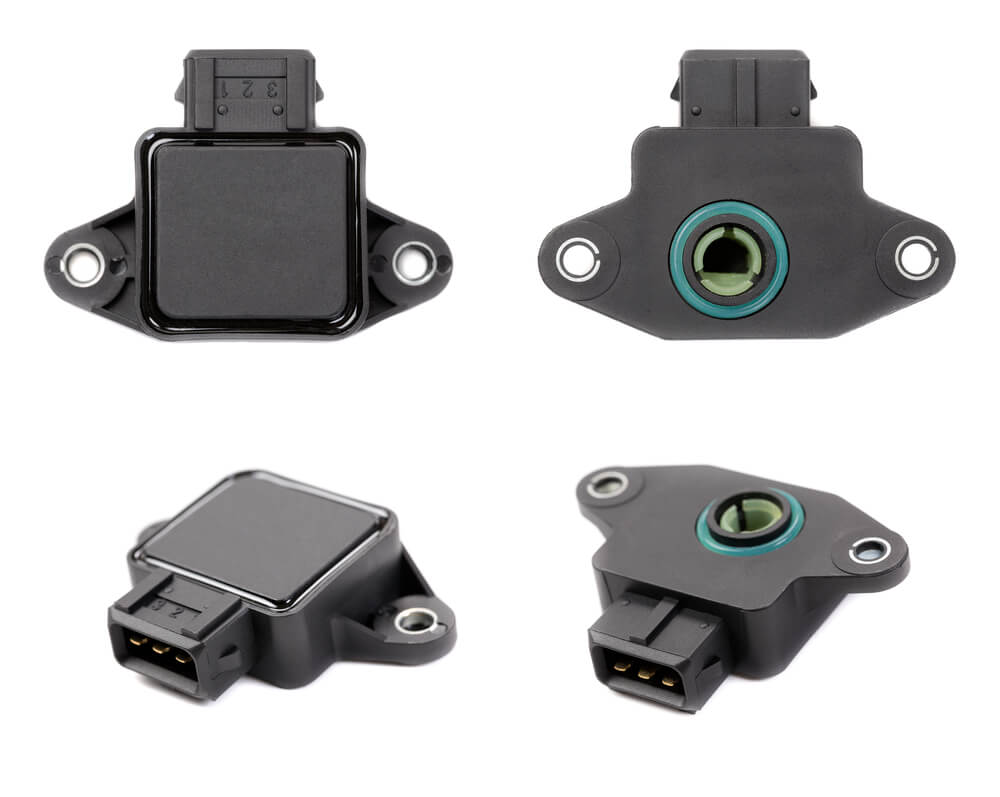
The KSDS software is remarkably clever in its simplicity. It uses your car’s existing knock sensor to listen for specific vibration patterns that indicate a failing connecting rod bearing.
When the system detects these patterns:
- It triggers a diagnostic trouble code (DTC P1326)
- Activates your check engine light
- Sounds an alert chime
- Automatically puts your engine into “Engine Protection Mode”
This protection mode limits your engine to around 1,800-2,000 RPM and a maximum speed of approximately 60-65 mph. While this might seem inconvenient, it’s designed to let you safely drive to a dealership while preventing further damage to your engine.
According to Hyundai’s official information, this system has been independently validated for its effectiveness in detecting early engine problems.
The Extended Warranty Benefit
Here’s where things get really interesting for Hyundai owners. Installing the KSDS software doesn’t just protect your engine—it also qualifies you for a substantially extended warranty:
- Campaign 953 originally extended powertrain coverage to 10 years/120,000 miles
- Later campaigns (966, 982, and 974) qualify vehicles for an even more generous 15-year/150,000-mile warranty on engine short-block repairs
This extended warranty is formalized in Hyundai’s TXXM bulletin and the 2023 Engine II class-action settlement. It represents significant additional protection, especially for older Hyundai vehicles that would otherwise be outside their original warranty period.
To put this in perspective, most standard powertrain warranties only last 5-10 years. Getting 15 years of coverage is exceptional in the automotive industry.
How to Check If Your Vehicle Needs the Update
Checking if your Hyundai needs the KSDS update is simple:
- Locate your 17-digit Vehicle Identification Number (VIN). It’s usually visible through the windshield on the driver’s side dashboard or on your registration documents.
- Visit Hyundai’s recall portal and enter your VIN.
- The system will tell you if your vehicle has any open campaigns, including the knock sensor update.
You can also call your local Hyundai dealership with your VIN handy, and they can check their system for any outstanding campaigns.
Getting the KSDS Update Installed
If your vehicle needs the KSDS update, scheduling the service is straightforward:
- Contact your local Hyundai dealership to schedule an appointment.
- Mention that you need the Knock Sensor Detection System update (specify the campaign number if you know it).
- The update process typically takes about 30 minutes. Some dealers may want to keep your vehicle longer to perform additional inspections.
- After the update, make sure you receive documentation confirming the service was completed. Keep this with your vehicle records.
According to owner forums, most dealers handle the update routinely and efficiently.
What Happens If Your Engine Fails?
If your engine develops a bearing issue after you’ve had the KSDS update installed:
- The system will detect the problem and automatically enter Engine Protection Mode.
- Your check engine light will flash, and you’ll hear a chime.
- Drive carefully to your dealership at reduced speed.
- The dealer will diagnose the issue using the P1326 code.
- If a bearing failure is confirmed, your engine should be repaired or replaced under the extended warranty.
The process should be straightforward, but some owners have reported initial resistance from dealers. If you encounter problems:
- Reference the TXXM warranty extension explicitly
- Point to the Hyundai Engine Settlement information
- Contact Hyundai Customer Care at 800-633-5151 if the dealer is uncooperative
Owner Responsibilities and Maintenance Requirements
To maintain your extended warranty coverage, you need to follow some basic requirements:
- Get the KSDS update installed promptly. The software is mandatory for warranty coverage in most cases.
- Follow recommended maintenance schedules, particularly oil changes. Hyundai may request maintenance records if you need engine service.
- Keep all maintenance records. Save receipts for oil changes and other routine maintenance.
- Don’t ignore warning signs. If you experience rough running, unusual noises, or warning lights, have your vehicle checked immediately.
- Don’t clear the P1326 code yourself. If the system detects a problem, let the dealer diagnose it properly.
According to the service campaign documentation, proper maintenance is essential for warranty coverage.
How the KSDS Relates to Safety Recalls
It’s important to understand that the KSDS campaigns are separate from actual safety recalls like Recalls 198 (2020) and 209 (2021), which addressed confirmed fire risks in certain models.
Vehicles repaired under these safety recalls are exempt from the KSDS prerequisite for warranty coverage, but they still receive the software update at no charge.
If your vehicle has had an engine replacement under a safety recall, you should still have the KSDS installed as an additional layer of protection.
Real Owner Experiences With Engine Replacements
Owner experiences with the KSDS and subsequent engine replacements have been mixed:
Positive Experiences:
- Many owners report receiving complete engine replacements within two weeks of detection
- The extended warranty has saved owners thousands in repair costs
- The protection mode has prevented many catastrophic failures
Challenges:
- Some owners were initially denied coverage because Campaign 953 wasn’t completed
- Dealers sometimes require proof of regular oil changes
- The system occasionally misclassifies normal engine sounds as knock
According to Reddit discussions, persistence is key if you encounter resistance from dealers about covering engine repairs.
The Class Action Settlement’s Impact
A nationwide settlement finalized in November 2023 formalized the extended warranty provisions for affected engines. Key points:
- Confirms 15-year/150,000-mile warranty coverage for Gamma, Nu, and Theta II engines
- Requires owners to install KSDS by their VIN-specific deadline
- Establishes a reimbursement process for out-of-pocket repairs
- Creates a resolution process for denied claims
The settlement has added clarity and enforceability to Hyundai’s warranty commitments. Dealers are instructed to submit “Prior Approval” for rod-bearing repairs, even if the KSDS update hasn’t been installed yet.
Common Questions About the Knock Sensor Update
Will the update affect my car’s performance?
No, under normal operation, you won’t notice any difference. The software only activates when it detects potential bearing failure.
What if I already had engine problems before the update?
If you experienced engine issues before installing KSDS, you might still qualify for coverage under the class action settlement. Check the settlement details or contact Hyundai customer service.
How do I know if the update was successfully installed?
Your dealer should provide documentation confirming the update. Some owners also report seeing a brief message on their instrument cluster at startup after the update.
Will this fix the underlying engine issue?
No, the KSDS doesn’t fix the manufacturing issue that can cause bearing failure. It’s an early detection system that can prevent catastrophic damage if a problem develops.
What if my car is outside the warranty mileage but within the age limit?
The extended warranty is valid for either 15 years OR 150,000 miles, whichever comes first. If you’re beyond the mileage but within the time frame, you won’t be covered.
Taking Action: Steps Every Hyundai Owner Should Take
- Check your VIN immediately at Hyundai’s campaign portal
- Schedule the KSDS update if your vehicle is affected and hasn’t received it
- Keep detailed maintenance records, especially oil changes
- Know the warning signs of engine issues: unusual noises, check engine light, loss of power
- Understand the protection mode so you’re not caught off guard if it activates
- Save documentation proving you’ve had the KSDS installed
- Learn your rights under the extended warranty and class action settlement
By taking these proactive steps, you’ll maximize your protection under these programs and minimize the chance of being stranded with a failed engine.
The Future of Hyundai Engine Reliability
Hyundai has made significant changes to their manufacturing processes for newer engines. The debris issue that affected earlier models has reportedly been addressed in current production.
The KSDS represents an innovative approach to retrofitting older vehicles with technology that can prevent dangerous failures. Hyundai reports over 80% completion of the campaigns and cites third-party validation of the KSDS effectiveness.
For current Hyundai owners, the combination of the KSDS and the extended warranty provides valuable peace of mind. For those considering a used Hyundai, checking for completion of these campaigns should be part of your pre-purchase inspection.
Whether you’re driving a 2011 Sonata or a 2021 Tucson, understanding the knock sensor recall and taking appropriate action can save you from significant headaches—and potentially dangerous situations—down the road.