Wondering when to service your Honda Ridgeline? Unlike traditional trucks that follow rigid mileage-based maintenance, your Ridgeline uses Honda’s intelligent Maintenance Minder system that tracks your actual driving conditions. This smart system tells you exactly what your truck needs and when it needs it. Let’s dive into everything you need to know about keeping your Ridgeline in top condition through every mile of your journey.
How Honda’s Maintenance Minder Works
The days of blindly following a mileage-based service schedule are over. Your Ridgeline actively monitors engine conditions, your driving habits, and time since your last service to calculate when maintenance is actually needed – not just when a predetermined mileage number hits.
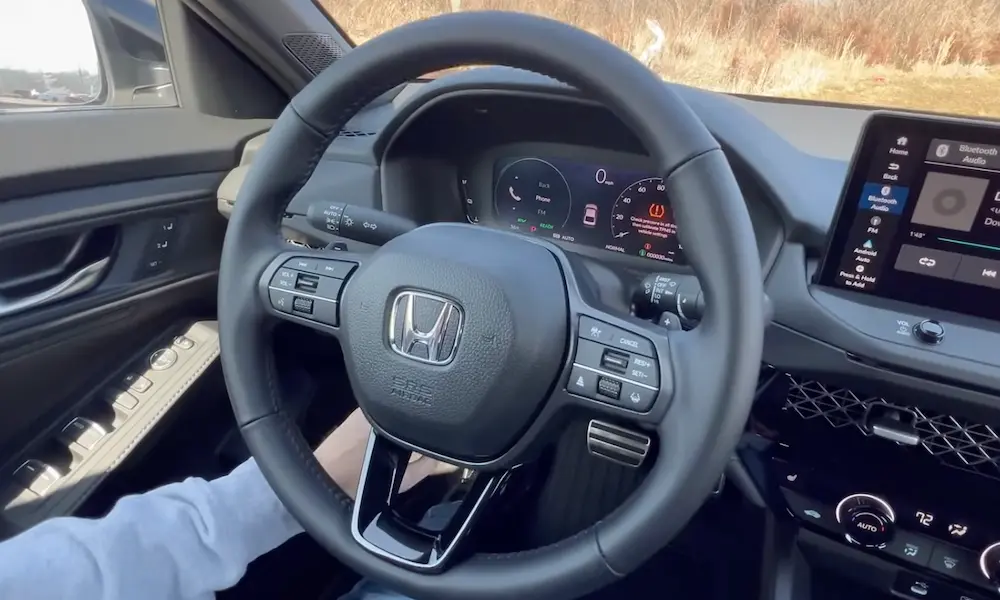
Your dashboard displays the oil life percentage, starting at 100% with fresh oil and decreasing based on your unique driving patterns. When service is due, you’ll see specific codes that tell you exactly what needs attention. It’s like having a mechanic riding along with you!
Understanding Honda Ridgeline Service Codes
When your Ridgeline’s dashboard lights up with maintenance codes, it’s speaking a specific language. Here’s your translation guide:
Main Service Codes
Code A: This simple code means it’s time to replace your engine oil. Quick and straightforward.
Code B: More comprehensive service that includes:
- Oil and filter change
- Inspection of brakes
- Checking all fluid levels
- Tire condition assessment
- Inspection of steering components
- Suspension check
- Exhaust system evaluation
Sub-Service Codes
These numbers appear alongside the main codes, indicating additional services:
Code 1: Time to rotate your tires and check tire pressure
Code 2: Replace the air cleaner element and cabin/dust filter, plus inspect your drive belt
Code 3: Replace transmission fluid and transfer case fluid (if you have an AWD model)
Code 4: Replace spark plugs and timing belt (if equipped), plus inspect water pump and valve clearance
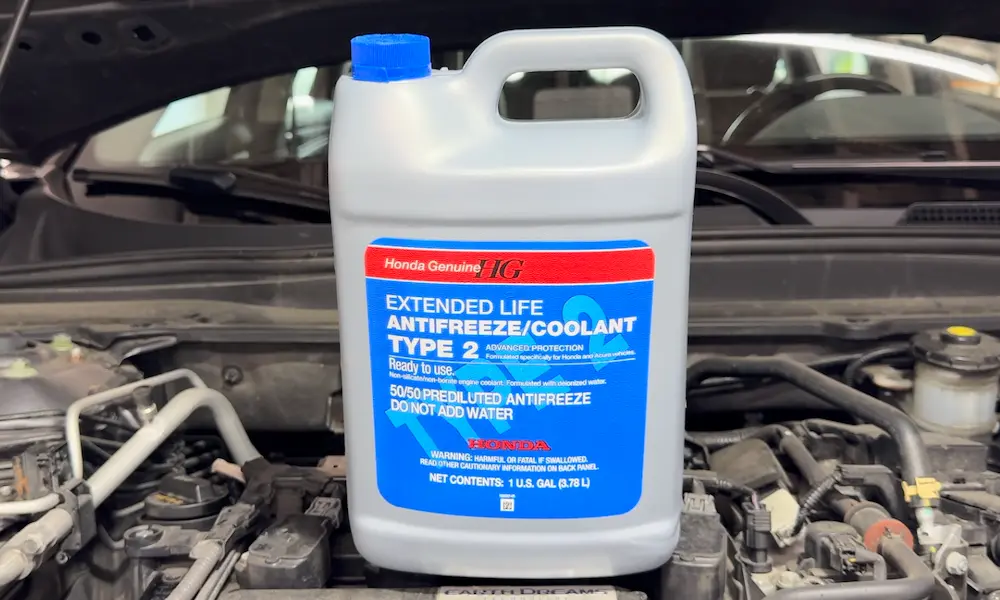
Code 5: Replace engine coolant
Code 6: Replace rear differential fluid (AWD models)
Code 7: Replace brake fluid
You’ll often see combinations like “A1” or “B123” showing multiple services due at once. This integrated approach ensures efficient maintenance without unnecessary trips to the service center.
Essential Honda Ridgeline Service Intervals
While your Maintenance Minder system handles the specifics, here’s a general timeline of what to expect:
Oil Changes
Your Ridgeline doesn’t follow the outdated “every 3,000 miles” rule. Instead:
- Standard interval: Every 7,500-10,000 miles (depending on driving conditions)
- Required oil: 0W-20 full synthetic motor oil
- Capacity: 5.7 quarts
This extended interval is possible thanks to modern engine design and oil technology, saving you time and money while reducing environmental impact.
Critical AWD System Maintenance
If you have an all-wheel-drive Ridgeline, these services are crucial for preventing expensive repairs:
Rear Differential Fluid:
- First change at 15,000 miles
- Then every 30,000 miles thereafter
- For severe conditions (mountain driving, frequent towing): Change at 7,500 miles initially, then every 15,000 miles
Transfer Case Fluid:
- Standard recommendation: Every 30,000 miles (with transmission fluid)
- Enhanced recommendation for off-road users or those wanting maximum longevity: Every 15,000 miles
Neglecting these services can lead to premature failure of expensive drivetrain components, so don’t skip them!
Major Service Milestones for Your Ridgeline
Timing Belt Service (Critical!)
Your Ridgeline has what’s called an “interference engine,” meaning if the timing belt breaks, serious engine damage can occur. Don’t push your luck with this one.
- Replace every 100,000-105,000 miles or 7 years (whichever comes first)
- This service typically costs $800-1,200 but prevents potential $3,000+ engine repairs
Transmission Care
Your Ridgeline’s transmission will thank you for:
- Draining and filling the fluid every 30,000-50,000 miles
- Using only Honda-approved transmission fluid
Many transmission problems can be prevented with proper fluid maintenance, making this service particularly valuable for long-term ownership.
Other Critical Fluids
| Fluid Type | Replacement Interval | Why It’s Important |
|---|---|---|
| Engine Coolant | Every 45,000 miles | Prevents overheating and corrosion |
| Brake Fluid | Every 3 years or 90,000 miles | Maintains stopping power and prevents brake system damage |
| Power Steering Fluid | Inspect with each oil change | Ensures smooth steering response |
How to Read Maintenance Minder Triggers
Your Ridgeline will display increasingly urgent messages as service becomes necessary:
- At 15% oil life: “Service Due Soon” (You have time to plan)
- At 5% oil life: “Service Due Now” (Schedule service soon)
- At 0% oil life: “Service Past Due” (Don’t delay further)
These progressive warnings give you plenty of time to schedule service without rushing.
Normal vs. Severe Driving Conditions
Your Maintenance Minder automatically adjusts for your driving conditions, but it’s good to know what qualifies as “severe” driving:
- Short trips (less than 5 miles, or 10 miles in freezing temperatures)
- Operating in temperatures over 90°F
- Extensive idling or stop-and-go traffic
- Carrying roof cargo or driving in mountainous areas
- Driving on dusty, muddy, or de-iced roads
Canadian Ridgeline owners should follow the severe conditions schedule by default due to the climate.
DIY vs. Professional Service for Your Ridgeline
One of the Ridgeline’s advantages is that many maintenance items are DIY-friendly:
DIY-Friendly Tasks:
- Oil and filter changes
- Tire rotations
- Air filter replacements
- Cabin filter changes
- Wiper blade replacements
Best Left to Professionals:
- Timing belt replacement
- Transmission service
- Differential fluid changes
- Major electrical diagnostics
Even if you prefer DIY maintenance, having the dealership perform a comprehensive inspection every 30,000 miles is a smart investment in your truck’s longevity.
The True Cost of Skipping Maintenance
The financial math on maintenance is simple but often overlooked:
| Service | Approximate Cost | Potential Repair if Skipped | Savings |
|---|---|---|---|
| Timing Belt | $800-1,200 | $3,000-5,000 (engine replacement) | $2,000-4,000 |
| Transmission Fluid | $150-300 | $3,500-5,000 (transmission replacement) | $3,200-4,850 |
| Differential Fluid | $100-200 | $1,500-2,500 (differential rebuild) | $1,300-2,400 |
As the table shows, regular maintenance isn’t an expense—it’s an investment that prevents much larger costs down the road.
How to Reset the Maintenance Minder
After completing service, you’ll need to reset the system:
- Turn the ignition to ON (don’t start the engine)
- Press the SELECT/RESET knob until the engine oil life indicator appears
- Press and hold the SELECT/RESET knob for about 10 seconds until the display begins to blink
- Press and hold the knob again for 5 seconds until the maintenance items reset
This ensures your Maintenance Minder provides accurate service timing going forward.
Extending Your Ridgeline’s Lifespan Beyond 200,000 Miles
Honda Ridgelines are known for longevity, with many exceeding 200,000 miles. To maximize your truck’s lifespan:
- Never ignore the Maintenance Minder system
- Use only Honda Genuine fluids or equivalent quality
- Address small issues before they become major problems
- Keep your Ridgeline clean, especially the undercarriage if you live in areas with road salt
- Follow the severe service schedule if you frequently tow or drive in harsh conditions
With proper care, your Ridgeline can provide reliable service for 15+ years and 200,000+ miles—exceptional value for your investment.
The Ridgeline’s Unique Maintenance Advantages
Unlike traditional body-on-frame trucks, your unibody Ridgeline offers maintenance advantages:
- No transfer case or front differential to service (on FWD models)
- No driveshaft U-joints requiring lubrication
- No leaf springs that need periodic inspection and replacement
- More accessible engine bay for easier DIY maintenance
These design choices result in lower lifetime maintenance costs compared to many traditional pickup trucks.
Remember, your Honda Maintenance Minder system is designed to optimize service timing based on your actual driving patterns. By following its guidance, you’ll enjoy the perfect balance of protection and efficiency for your Ridgeline for years to come.