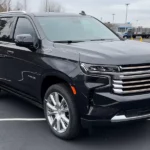
You’re staring at your car’s hood, counting the chips from last month’s road trip. Now you’re stuck between two options: paint protection film or vinyl wrap. Both promise to shield your paint, but they’re built for totally different jobs. Let’s cut through the marketing hype and figure out which one actually makes sense for your car and wallet.
What’s the Real Difference Between PPF and Vinyl Wrap?
Here’s the deal: PPF and vinyl wrap aren’t even playing the same game.
Paint protection film is your car’s bodyguard. It’s made from thermoplastic polyurethane (TPU)—a thick, elastic material that absorbs impacts like a boxer’s glove. When a rock flies up from the highway, PPF catches it and spreads the energy across the film instead of letting it crater your paint.
Vinyl wrap is your car’s outfit. It’s made from polyvinyl chloride (PVC), the same stuff as shower curtains. It changes how your car looks but won’t stop much physical damage. Think of it as a really expensive sticker that makes your car look different.
The thickness tells you everything. PPF runs 8-10 mils thick—about twice as thick as a credit card. Vinyl wrap? A measly 3-4 mils. That’s the difference between armor and wrapping paper.
How PPF Actually Protects Your Paint
PPF works because of its molecular structure. The TPU chains act like microscopic springs. When something hits the film, those chains compress and bounce back. Your paint never feels the impact.
The self-healing feature isn’t magic—it’s chemistry. The top layer of PPF contains polymer chains that flow when heated. Got a scratch from a shopping cart? Pour hot water on it or leave your car in the sun. The chains realign themselves, and the scratch disappears. It’s like having a built-in paint repair system.
Modern PPF uses aliphatic urethane chemistry. Early versions turned yellow after a few years because they used aromatic compounds that broke down in UV light. Today’s aliphatic formulas stay crystal clear for a decade. You won’t even know it’s there unless you’re looking for the edge.
Why Vinyl Wrap Fails at Protection
Vinyl wrap can’t protect your paint because it’s fundamentally the wrong material. PVC is rigid by nature—that’s why it makes good pipes. To make it flexible enough to wrap around a car, manufacturers load it with plasticizers.
Those plasticizers are the problem. They’re not chemically bonded to the vinyl—they just sit between the polymer chains. Over time, especially in heat and UV exposure, they evaporate. As they leave, the vinyl gets brittle and cracks. You’ve seen this on old wrapped cars: the surface looks like dried mud, all cracked and peeling.
When a rock hits vinyl, it punches straight through. The 3-mil thickness is too thin to absorb any impact. The wrap might hide the chip temporarily, but your paint is still damaged underneath.
Installation: Why One Costs Way More Than the Other
Installing vinyl is like applying a giant decal. Modern vinyl has air-release channels in the adhesive—microscopic grooves that let trapped air escape when you squeegee. The adhesive is low-tack at first, so you can lift it, reposition it, and slide it around until it’s perfect.
The process is dry. You heat the vinyl with a gun, stretch it around curves, and squeegee it down. Sure, it takes skill to avoid wrinkles, but you get multiple chances to get it right.
PPF installation is a different beast entirely. It’s a wet application—installers spray soapy water on both the paint and the film so it can float and be positioned. But once you squeegee out that water and the adhesive bites, you’re committed. Lifting and repositioning leaves marks you can’t fix.
PPF is thicker and less stretchy than vinyl. You can’t just heat it and force it into place—you’ll create tension that makes the edges lift later. Installers have to “feed” the material around curves, balancing tension like they’re working with leather.
And because PPF is clear, every speck of dust shows through. Vinyl’s opacity hides contamination. PPF demands a surgical-clean environment. That’s why a full PPF job takes 5-7 days of skilled labor while vinyl might take 3-4 days.
The Look: Gloss, Texture, and Finish Quality
Vinyl has an orange peel texture. Even premium cast vinyl shows this slightly bumpy surface that distorts reflections. Stand next to a wrapped car and look at the reflection of a street light—it’ll look fuzzy compared to factory paint. Most vinyl can’t match the glass-smooth finish of paint.
Clear PPF is invisible when done right. It creates a meniscus effect over the paint that actually enhances depth and gloss. It’s like adding a second layer of clear coat.
But here’s where things get interesting: colored PPF. This is TPU infused with pigment, giving you both color change and protection. Because it uses the same wet-application process as clear PPF, colored PPF often looks better than vinyl—deeper gloss, zero orange peel, mirror-like reflections. It’s the only way to change your car’s color and end up with a finish that rivals or beats factory paint.
Vinyl still wins on variety, though. Want a chrome finish? Brushed metal? Printed camouflage? Vinyl’s your only option. Colored PPF currently offers maybe 30-50 standard colors. Vinyl offers hundreds of colors and finishes.
How Long Each Actually Lasts
This is where the cost difference starts making sense.
Premium PPF comes with 10-year warranties that cover both vertical and horizontal surfaces. The aliphatic TPU chemistry is stable enough to handle direct sunlight on your hood for a decade without yellowing or cracking.
Vinyl warranties are tricky. That “7-year warranty” you see advertised? Read the fine print. It often applies only to vertical surfaces in low-UV climates. For horizontal surfaces like your hood or roof, especially in places like Arizona or Florida, the warranty might drop to 1-2 years.
That’s not marketing—it’s chemistry. Horizontal surfaces get perpendicular UV exposure all day. The plasticizers cook out faster. The vinyl gets brittle sooner.
When vinyl fails, it fails catastrophically. It cracks like dried earth. Removal becomes a nightmare—the film doesn’t peel in sheets, it chips off in tiny fragments. You might spend $1,000+ in labor to remove a failed wrap.
PPF usually removes cleanly with steam, even after 10 years. The adhesive is designed to release or ball up rather than stick to the paint.
What It Actually Costs
Let’s talk numbers:
| Service | Vinyl Wrap | PPF |
|---|---|---|
| Full front (hood, bumper, fenders) | Rarely offered | $1,800 – $2,500 |
| Full vehicle | $2,500 – $5,000 | $6,000 – $10,000+ |
| Material cost per roll | $600 – $1,000 | $2,000 – $3,500 |
PPF costs 2-3 times more than vinyl because TPU is expensive to manufacture and installation is labor-intensive. But you’re paying for a decade of protection instead of 3-5 years of color change.
How Each Affects Resale Value
Here’s something dealers won’t tell you directly: they hate vinyl wraps on trade-ins.
Why? Because they can’t see the paint condition underneath. Is the wrap hiding a mismatched bumper from an unreported accident? Is the clear coat peeling? Dealers typically bid lower on wrapped cars and factor in $500-$1,000 to remove the wrap and assess the paint.
Clear PPF is different. Dealers can see the pristine paint through the film. A car listed with “Full Front XPEL” signals that the owner was meticulous. PPF often justifies a premium in private sales and eliminates the reconditioning deduction at trade-in.
If you’re leasing, vinyl is fine—just remove it before you return the vehicle. BMW Financial Services specifically lists “aftermarket vinyl wrap not removed” as excess wear you’ll be charged for. PPF you can leave on—it protects the car, which is what the lease company wants.
Which One Makes Sense for Your Situation
Get vinyl wrap if:
- You want a temporary color change (2-4 years)
- You’re leasing and want a unique look
- You want wild finishes like chrome or printed graphics
- Protection isn’t your priority
- Your budget is $2,500-$4,500 for a full car
Get PPF if:
- You’re keeping the car long-term (5+ years)
- You drive highways frequently (rock chips are inevitable)
- You want to preserve resale value
- You’re protecting an expensive or exotic car
- Your budget is $6,000+ for full coverage, or $1,800-$2,500 for front-end protection
Get colored PPF if:
- You want both color change AND protection
- You hate the orange peel texture of vinyl
- You want a finish that looks better than paint
- You can afford the $6,000-$10,000 price tag
- You’re keeping the car for many years
For off-road vehicles, PPF is the only answer. Vinyl tears instantly on brush and branches. The 8-10 mil thickness of PPF can take the abuse without exposing your paint.
The Hybrid Option: Colored PPF
The automotive protection world is converging. Colored PPF gives you the impact protection of traditional PPF with the aesthetic transformation of vinyl.
Brands like STEK, GSWF, and FlexiShield make pigmented TPU films in colors like Miami Blue or British Racing Green. Because they use wet application and thick TPU, they create a show-car finish—deeper gloss, better clarity, and that self-healing capability vinyl can’t touch.
The downsides? Cost (comparable to clear PPF) and limited color selection compared to vinyl’s vast catalog. But if you want to change your car’s color and protect the investment, colored PPF is rapidly becoming the go-to choice for high-end vehicles.
Maintenance Differences You Need to Know
PPF is low-maintenance. Most modern PPF comes with a hydrophobic coating that makes water bead up and roll off. Wash it like you’d wash paint—in fact, it’s more forgiving because scratches self-heal.
Vinyl requires more care. Don’t use petroleum-based cleaners—they’ll strip the plasticizers and age the wrap prematurely. Matte vinyl needs special matte detailers. High-pressure washing can lift edges on both materials, but vinyl is more vulnerable.
PPF laughs at bird droppings (mostly). Vinyl can stain if acidic contaminants sit too long.
Making the Final Call
The choice between PPF vs vinyl wrap isn’t really a choice—they’re different tools for different jobs.
Vinyl wrap is cosmetic surgery for your car. It changes the appearance temporarily at a reasonable cost. It won’t protect your paint from much, and it won’t last as long as the manufacturer’s optimistic warranty suggests (especially on horizontal surfaces in sunny climates).
PPF is insurance. It’s a transparent shield that stops rock chips, absorbs scratches, and maintains your car’s value for a decade. It costs more because the material is sophisticated and installation is difficult, but you’re buying peace of mind and preservation.
Colored PPF is the best of both worlds if you can afford it—though you’ll pay premium prices for premium results.
Think about your actual needs. Are you protecting a $60,000 car you plan to keep for 10 years? PPF. Want to drive a lime green Tesla for your 3-year lease? Vinyl. Want your Porsche to look perfect and stay perfect? Colored PPF.
The wrong choice costs you twice—once for the initial install, and again to fix the problem when it doesn’t deliver what you need.