
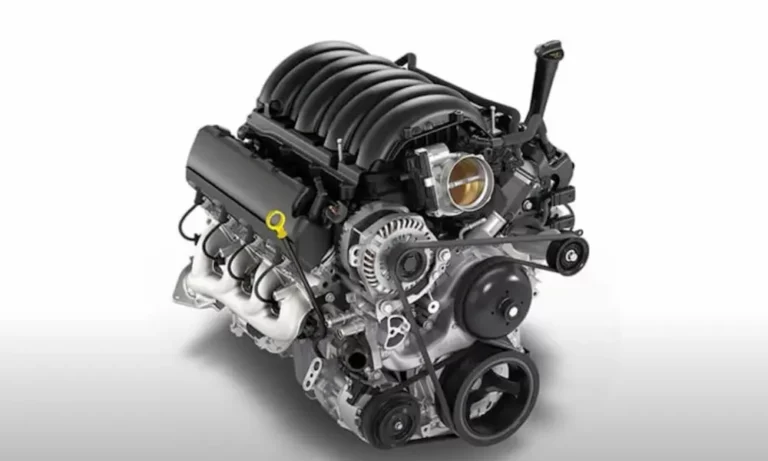
Replacing an engine is a big decision—and picking the wrong assembly can cost you thousands in extra labor and parts. This guide breaks down exactly what you get with a short block vs long block, what each one costs in total (not just upfront), and which one makes sense for your situation. Stick around, because the answer might surprise you.
What Is a Short Block Engine?
A short block is the bottom half of your engine. It includes the cylinder block, crankshaft, connecting rods, pistons, rings, and bearings. Think of it as the engine’s foundation—the parts that spin and create power.
What it doesn’t include: the cylinder heads, valves, camshafts (on most designs), or anything that sits above the engine deck.
For pushrod engines like a classic Chevy V8, the short block often includes the camshaft and timing chain since those live in the block. For overhead cam engines like a Honda or BMW, the cams are in the heads—so the short block stays more skeletal.
The short block is a blank canvas. It gives builders and tuners the freedom to add custom heads, cams, and valvetrain hardware on top.
What Is a Long Block Engine?
A long block takes the short block and adds the entire top end. That means cylinder heads, valves, valve springs, rocker arms, lifters, camshafts, and head gaskets are all installed and set to spec.
Here’s the catch though—a long block still isn’t a complete, running engine. It doesn’t include:
- Intake or exhaust manifolds
- Fuel injectors or ignition coils
- Alternator, starter, or water pump
- Engine wiring harness
Some “deluxe” long block packages also throw in the oil pan, valve covers, and oil pump. But in general, you’re still transferring your external accessories from the old engine.
The big win with a long block: the internal timing is already set, tolerances are verified, and the whole assembly is ready to receive your bolt-on parts.
Short Block vs Long Block: What’s Actually Included
Here’s a clear side-by-side look at what comes with each assembly:
| Component | Short Block | Long Block |
|---|---|---|
| Cylinder block casting | ✅ Yes | ✅ Yes |
| Crankshaft | ✅ Yes | ✅ Yes |
| Connecting rods | ✅ Yes | ✅ Yes |
| Pistons and rings | ✅ Yes | ✅ Yes |
| Main and rod bearings | ✅ Yes | ✅ Yes |
| Cylinder head(s) | ❌ No | ✅ Yes |
| Camshaft(s) | ⚠️ Platform dependent | ✅ Yes |
| Valves and springs | ❌ No | ✅ Yes |
| Lifters / rocker arms | ❌ No | ✅ Yes |
| Head gaskets | ❌ No | ✅ Yes |
| Timing chain or belt | ⚠️ Platform dependent | ✅ Yes |
| Oil pump | Sometimes | Frequently |
| Oil pan and valve covers | Rarely | Platform dependent |
The long block wins on parts count every time. But the short block earns its place when you’ve got good heads to reuse or you’re building something custom.
The Real Cost Difference (It’s Not Just the Sticker Price)
This is where most people get tripped up. A short block typically costs about 25% less upfront than a long block. That sounds like a deal—until you add up everything else.
Where Short Block Costs Add Up Fast
To turn a short block into a running engine, you need to:
- Clean, inspect, and possibly resurface your existing cylinder heads
- Replace head gaskets and head bolts
- Check valve sealing and lash
- Set camshaft timing (especially tricky on overhead cam engines)
- Prime and install the oil pump
All of that takes labor hours. In many professional shops, the labor cost alone to build out a short block exceeds the price gap between it and a long block. That’s not a theory—it’s a consistent reality in commercial engine work.
Machine Shop Fees Can Hit Hard
If your old heads need work (and they often do), you’re looking at professional machine shop services. Here are real 2024–2025 benchmarks from Paragon Engines:
| Service | Typical Cost (USD) |
|---|---|
| Cylinder head cleaning | $40–$80 per head |
| Pressure testing for cracks | $75–$110 per head |
| Surface milling (decking) | $90–$180 per head |
| Multi-angle valve job (V8 pair) | $350–$500 per set |
| Install bronze valve guides | $175–$250 per set |
| Head disassembly and inspection | $75–$300 per pair |
| Head assembly | $125–$350 per pair |
Add those up and you’re looking at $600–$1,200 just to recondition a set of used heads. At that point, the price gap between a short block and a long block nearly disappears.
Full Economic Picture
| Cost Factor | Short Block | Long Block |
|---|---|---|
| Upfront part cost | Lower | Higher |
| Total parts needed | More (heads, bolts, gaskets) | Less (accessories only) |
| Assembly labor | High | Low |
| Machine shop fees | Common | Rare |
| Downtime | Longer | Shorter |
For revenue-generating equipment—a work truck, a commercial excavator, a fleet vehicle—downtime costs real money. A long block gets equipment back in service in days, not weeks.
The Hidden Risk: Mixing New and Old Parts
This is the part most people skip over. Mixing a fresh short block with your old heads is one of the most common reasons rebuilt engines fail early.
Metal Contamination Is a Real Threat
When a bottom-end failure happens—say, a spun bearing—fine metal particles circulate through the entire oiling system. Those particles settle inside the cylinder heads, hiding in oil passages that feed the cams and lifters.
If you bolt those old heads onto a brand-new short block without having them ultrasonically cleaned and fully inspected, those metal shavings flush straight into your new crankshaft and bearings the moment oil pressure builds. You can destroy a new engine within a few hundred miles.
Warped Heads from Overheating
If your engine overheated before it failed, the cylinder heads are almost certainly warped from thermal stress. Aluminum heads are especially vulnerable. A warped head can’t maintain even pressure on the head gasket, which leads to coolant leaks, compression loss, and a blown gasket.
Reusing those heads on a new short block without proper milling and surface preparation is a guaranteed callback.
The Warranty Gap
Short blocks carry limited warranties because the manufacturer has no control over what heads you bolt on or how the assembly is done. Long blocks come with comprehensive coverage—parts and sometimes labor—because the entire internal assembly comes from one source. That single point of responsibility is worth real money when something goes wrong.
Short Block Assembly: What the Process Actually Looks Like
Installing a short block isn’t a bolt-on job. It’s a precision build. Here’s what the process involves:
- Verify the short block — Check that the deck surface is flat, rotating assembly moves freely, and all plugs are seated correctly
- Prepare the cylinder heads — Clean, test for cracks, surface-mill if needed, and pressure-test
- Install heads with fresh gaskets — Follow the factory torque sequence (usually a center-out spiral pattern) using torque-to-yield specs where required
- Set valve timing — On overhead cam engines, this requires locking tools and precision timing marks; one degree off on an interference engine and valves meet pistons
- Install the oiling system — Mount the oil pump and pre-prime it with oil before the first start; a dry start destroys new bearings in seconds
This process demands specialized tools, a clean workspace, and real mechanical expertise. Skip any step, and you’re tearing it back apart.
Long Block Installation: A Much Faster Path
With a long block, the complex internal work is already done. Your job shifts from engine builder to component installer:
- Transfer intake and exhaust manifolds with fresh gaskets
- Swap over accessories (water pump, alternator, A/C compressor)
- Move fuel injectors, ignition coils, and the wiring harness
- Install valve covers and oil pan if not included
Because all internal tolerances and timing are pre-set by the manufacturer, a long block installation wraps up in a fraction of the time a short block build requires. That’s why it’s the default choice for dealerships and general repair shops.
Platform-Specific Considerations
Subaru WRX and STI (EJ/FA Engines)
Subaru short blocks are popular in the performance world because these engines suffer from ring-land failures under high boost. Owners building for aftermarket turbos often choose forged short blocks with upgraded pistons, then mate them to ported and polished heads.
The tradeoff: Subaru’s boxer layout means two heads and four camshafts. Assembly complexity is significantly higher than a standard inline engine.
Chevrolet LS V8 Engines
The LS platform has a massive market for both short blocks and long blocks. Restoration builders often choose long block crate engines for fast, reliable drop-in builds. Dedicated race builds start with a heavy-duty short block and add purpose-built heads for specific power targets.
Commercial Diesel Engines
For operators running Cummins, Caterpillar, or Doosan equipment, the long block is almost always the right call. Downtime is revenue loss. Remanufactured long blocks built to OEM specs return equipment to service fast and carry warranties that protect the investment.
So Which One Should You Choose?
Choose a short block if:
- You have verified, high-quality heads in excellent condition to reuse
- You’re building a custom or performance engine with specific specs not available in a long block
- You have the tools, skills, and time to complete a full engine build
- The failure was isolated to the bottom end with no damage above the deck
Choose a long block if:
- You need the vehicle or equipment back in service fast
- The original heads were exposed to overheating, metal contamination, or high mileage
- You want comprehensive warranty coverage and a single point of accountability
- You’re running a daily driver, fleet vehicle, or any income-producing machine
The short block vs long block debate isn’t really about which one is better. It’s about which one fits your situation. For most professional repairs and daily drivers, the long block is the smarter, faster, and often cheaper path when you count every dollar honestly.


