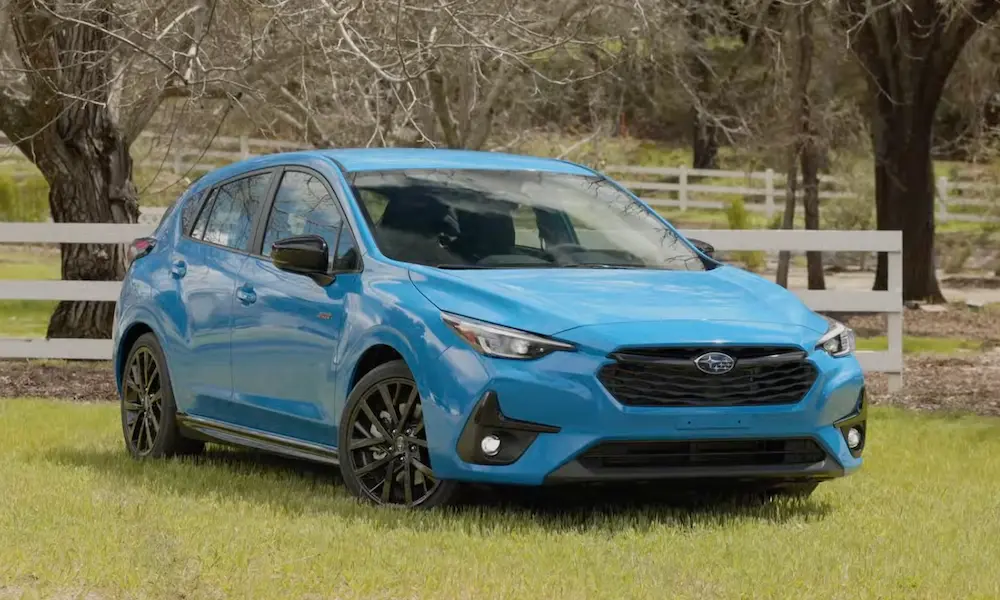
Confused about which oil to put in your Subaru Forester? You’re dealing with one of the most important maintenance decisions for your SUV. Getting the oil type wrong can hurt your engine’s performance and longevity. This guide breaks down exactly what your Forester needs based on model year, engine type, and driving conditions.
What Oil Type Does Your Subaru Forester Need?
The Subaru Forester oil type depends entirely on your model year and engine. Here’s the straightforward breakdown:
| Model Years | Engine | Recommended | Alternative | Oil Type | Capacity (qt) | Change Int. |
|---|---|---|---|---|---|---|
| 2025 | 2.5L FB25 Non-Turbo | 0W-16 (Prim) | 0W-20 | Full Synth | 4.4-5.1 | 6k mi/6mo |
| 2019-2024 | 2.5L FB25 Non-Turbo | 0W-20 | 5W-30 (Hot) | Full Synth | 4.4-5.1 | 6k mi/6mo |
| 2014-2018 | 2.0L FA20F Turbo | 5W-30 | None | Full Synth | 5.4 | 6k mi/6mo |
| 2011-2018 | 2.5L FB25 Non-Turbo | 0W-20 | 5W-30 (Hot) | Full Synth | 5.1 | 6k mi/6mo |
| 2009-2010 | 2.5L EJ253 Non-Turbo | 5W-30 | None | Conv/Synth | 4.4 | 3-5k mi |
| 2004-2010 | 2.5L EJ255 Turbo | 5W-30 | None | Conv/Synth | 4.5 | 3-5k mi |
All modern Foresters from 2011 onwards require full synthetic oil. There’s no getting around this requirement if you want to maintain your warranty and engine health.
2025 Subaru Forester: The New Oil Standard
Subaru made a significant change for 2025. The newest Forester models now require 0W-16 synthetic oil as the primary recommendation. This ultra-thin oil maximizes fuel economy while still protecting your engine.
You can use 0W-20 as an alternative, but 0W-16 gives you the best fuel efficiency. This change reflects Subaru’s ongoing push for better gas mileage without sacrificing reliability.
The oil capacity remains around 4.4 to 5.1 quarts, and you’ll still change it every 6,000 miles or 6 months.
Current Model Years: 2019-2024 Specifications
Most current Subaru Forester owners have the 2.5L FB25 non-turbocharged engine. Here’s what you need:
- Oil viscosity: 0W-20 full synthetic
- Oil capacity: 4.4 to 5.1 quarts
- Change interval: Every 6,000 miles or 6 months
The FB25 engine was specifically designed for 0W-20 oil. Using anything else can reduce fuel economy and potentially void your warranty. This engine powers the vast majority of Foresters on the road today.
Turbocharged Models: Different Requirements
If you have a turbocharged Forester from 2014-2018, your oil requirements are different:
- Oil viscosity: 5W-30 full synthetic
- Oil capacity: 5.4 quarts
- Change interval: Every 6,000 miles or 6 months
The turbo engine runs hotter and works harder, so it needs the thicker 5W-30 oil for better protection. Don’t use 0W-20 in a turbocharged Forester – you’ll risk engine damage.
Older Foresters: 2004-2010 Models
Pre-2011 Foresters have EJ series engines with more flexible oil requirements:
2009-2010 EJ253: 5W-30 oil, 4.4 quarts capacity
2004-2010 EJ255 Turbo: 5W-30 oil, 4.5 quarts capacity
These older engines can use either conventional or synthetic oil. However, synthetic oil provides better protection and longer intervals between changes.
Engine-Specific Oil Requirements
FB25 Engine Series (2011-Present)
The FB25 engine represents Subaru’s modern approach to fuel efficiency. It requires 0W-20 synthetic oil exclusively. This horizontally opposed engine was engineered specifically for thin oil that flows quickly during cold starts.
Using thicker oil in an FB25 engine reduces fuel economy and can trigger warranty issues. The engine’s tight tolerances depend on the precise viscosity of 0W-20 oil.
EJ Series Engines (2004-2010)
Older EJ engines are more forgiving with oil choice. They were designed when conventional oil was still common, so they can handle various oil types. However, synthetic oil still provides better protection, especially in extreme temperatures.
Climate Considerations for Oil Choice
Hot Weather Driving
Subaru’s owner’s manual acknowledges that “in hot weather, oil of higher viscosity is required.” If you live in extremely hot climates, some technicians recommend using 5W-30 instead of 0W-20 for better engine protection.
This switch may slightly reduce fuel economy, but it can provide extra protection when temperatures regularly exceed 100°F. Always consult your dealer before making this change.
Cold Weather Performance
The 0W-20 specification shines in cold weather. The “0W” rating ensures proper oil flow at temperatures as low as -30°F. This makes cold starts much easier on your engine during winter months.
If you live in extremely cold climates, stick with 0W-20. It’s specifically formulated to protect your engine when most oils would be too thick to circulate properly.
Best Oil Brands for Your Subaru Forester
Genuine Subaru Oil
Subaru produces its own branded synthetic oil manufactured by Idemitsu. This oil is specifically formulated for BOXER engines and their unique horizontal layout. It provides optimal protection designed exactly for your Forester’s engine.
Using genuine Subaru oil ensures you’re getting the exact formulation the engineers intended. It’s typically priced competitively with premium aftermarket oils.
Quality Alternative Brands
Several aftermarket oils provide excellent protection for your Forester:
Mobil 1 Full Synthetic – Popular choice with excellent protection across all temperatures
Castrol GTX or Full Synthetic – Reliable performance with good cold-start protection
Pennzoil Platinum Full Synthetic – Cost-effective option that meets all Subaru requirements
Valvoline Full Synthetic – Another quality alternative with proven reliability
All these brands meet or exceed Subaru’s specifications when you choose the correct viscosity.
Oil Consumption Issues: What to Know
Historical Problems
Certain Subaru Forester model years experienced higher than normal oil consumption:
- 2013-2014 models – Significant oil consumption issues reported
- 2012-2013 models – Excessive oil burning problems
- FB25 engines from 2011-2014 – Increased consumption rates
Consumer Reports indicates these issues were largely resolved after 2014. Modern Foresters typically show zero oil consumption problems under normal driving.
Managing Oil Consumption
If your Forester burns oil, here’s how to manage it:
Monitor levels regularly – Check oil every 1,000-1,500 miles
Consider thicker oil – Some owners report success switching to 5W-30
Maintain proper intervals – Never extend oil changes beyond recommended periods
Keep detailed records of oil consumption. If your Forester uses more than one quart per 1,200 miles, contact your dealer about potential warranty coverage.
Oil Change Intervals and Timing
Standard Maintenance Schedule
Subaru recommends oil changes every 6,000 miles or 6 months, whichever comes first. This applies to both time and mileage because oil degrades chemically even when you don’t drive much.
Don’t extend these intervals, even with synthetic oil. Subaru’s BOXER engine design creates unique stresses that require fresh oil at regular intervals.
Severe Driving Conditions
Certain driving conditions require more frequent oil changes every 3,000-5,000 miles:
- Frequent short trips (under 5 miles)
- Extreme hot or cold temperatures
- Stop-and-go city driving
- Towing or off-road use
- Dusty conditions
If most of your driving falls into these categories, increase your oil change frequency for better engine protection.
Oil Filter Specifications
Your Subaru Forester uses specific oil filters designed for the BOXER engine:
| Component | Specification |
|---|---|
| Current part number | 15208AA20A |
| Older part number | 15208AA15A |
| Thread size | M20x1.5 |
| Bypass valve pressure | 23 PSI |
Always use genuine Subaru filters or equivalent quality aftermarket filters. Cheap filters can restrict oil flow and damage your engine.
Professional Maintenance Tips
Early Oil Changes for New Vehicles
Many technicians recommend the first oil change at 1,000 miles to remove break-in debris. While not required by Subaru, this practice provides additional protection during the critical break-in period.
After the first early change, follow normal 6,000-mile intervals.
Oil Analysis Services
For owners wanting to optimize their change intervals, oil analysis services like Blackstone Labs provide data-driven recommendations. They analyze your used oil and tell you exactly when it needs changing based on actual condition rather than arbitrary mileage.
This service costs around $30 but can help you understand your engine’s specific needs.
Cost Considerations and Budgeting
Oil Change Costs
Expect to pay these approximate amounts for oil changes:
| Service Type | Cost Range |
|---|---|
| Dealer service | $60-$90 |
| Quick-lube chains | $40-$70 |
| Independent shops | $45-$75 |
| DIY oil change | $25-$40 |
Synthetic oil costs more than conventional, but the 6,000-mile intervals mean you’re not changing oil more frequently than most vehicles.
Long-Term Value
Using the correct oil type protects your investment. A Forester engine can easily last 200,000+ miles with proper oil maintenance. Cutting corners on oil to save $10-20 per change can cost thousands in engine repairs later.
Common Mistakes to Avoid
Wrong Viscosity Selection
Using 5W-30 in a modern FB25 engine reduces fuel economy and can cause warranty issues. Stick with 0W-20 unless you have specific climate concerns and dealer approval.
Mixing Oil Types
Don’t mix conventional and synthetic oils. While not immediately harmful, it reduces the synthetic oil’s protective benefits.
Extending Change Intervals
Synthetic oil can technically last longer than 6,000 miles, but Subaru’s warranty requires adherence to their schedule. Don’t risk warranty coverage to save money on oil changes.
Ignoring Oil Level
Check your oil level monthly, especially in older Foresters. Catching low oil early prevents catastrophic engine damage.
Environmental Impact and Disposal
Synthetic Oil Benefits
Synthetic oil lasts longer and flows better, reducing overall environmental impact. It also improves fuel economy, reducing emissions during normal driving.
Proper Disposal
Always recycle used oil and filters. Most auto parts stores accept used oil for free recycling. Never dump oil down drains or on the ground.
Warranty Considerations
Using the wrong oil type can void your Subaru warranty. Always follow manufacturer specifications exactly, especially during the warranty period.
Keep receipts for all oil changes, including DIY changes. Subaru may require proof of proper maintenance for warranty claims.
The Subaru Forester oil type isn’t complicated once you know your model year and engine. Modern Foresters need 0W-20 full synthetic oil changed every 6,000 miles. Turbocharged models require 5W-30, and the newest 2025 models prefer 0W-16.
Following these specifications protects your engine and maintains your warranty. Don’t overthink it – use the right oil, change it on time, and your Forester will reward you with years of reliable service.