You’ve probably noticed it. Subarus at pride parades. Subaru jokes on lesbian TikTok. The “Lesbaru” meme living rent-free across Reddit. But here’s the thing — this isn’t a happy accident. There’s a genuinely fascinating corporate story behind it. Stick around, because the real answer is way more interesting than you’d expect.
It Started With a Crisis, Not a Coincidence
In the early 1990s, Subaru was in serious trouble. Sales were tanking. Their attempt to go upmarket with the Subaru Alcyone SVX — a luxury sports car designed by Italian legend Giorgetto Giugiaro — flopped hard. It was pricey, launched during a recession, and somehow didn’t even offer a manual transmission. A sports car. No stick shift.
They’d also blown a reported $70 million a year on Wieden & Kennedy (the Nike “Just Do It” people), and the campaign bombed. One TV spot actually mocked the idea of buying a fast car. Not great when you’re trying to sell one.
By 1993, Subaru parted ways with the agency and regrouped. They needed a smarter play. Instead of fighting Toyota and Honda for every suburban driveway in America, they decided to go niche.
The Five Demographics That Saved Subaru
Subaru’s marketing team — led by Director of Advertising Tim Bennett and Director of Marketing Tim Mahoney — dug deep into sales data and customer research. They identified four core groups that made up roughly half of all Subaru purchases in the US.
| Target Group | Why They Loved Subaru |
|---|---|
| Teachers & Educators | Reliable, sensible daily transport that matched their practical lifestyle |
| Healthcare Workers | Dependable enough to get to the hospital in a snowstorm |
| IT Professionals | Appreciated the engineering, didn’t care about flash |
| Rugged Individualists | Hikers, campers, and outdoor types who needed AWD without a truck |
Then a fifth group emerged. And it changed everything.
How Subaru Discovered Its Lesbian Customer Base
Sales data showed something odd. In specific cities — Northampton, Massachusetts and Portland, Oregon chief among them — a striking number of households buying Subarus were headed by single women. A researcher on the team, who was gay himself, had a hunch. He told Subaru’s marketing head that all his lesbian friends drove Subarus.
To test the theory, Subaru hired researcher Paul Poux to run targeted focus groups. In one pivotal session at a shopping mall in Northampton, they gathered female Subaru owners. The overwhelming majority identified as lesbian.
The focus groups revealed exactly why these women loved the brand:
- Practical size: Big enough for camping gear and dogs. Small enough for city driving.
- No gendered baggage: They needed utility — hauling things, off-road capability — but a pickup truck carried hyper-masculine associations they didn’t want.
- Dependability: Low-maintenance ownership mattered.
- Not flashy: Active, outdoorsy lifestyle over status.
- The name itself: “Subaru” translates from Japanese as the Pleiades star cluster, also known as the “Seven Sisters” — the same name as the famous group of American women’s colleges, including Smith College in Northampton.
The data was clear: lesbians were four times more likely than the average consumer to buy a Subaru. Subaru decided to actively court them. Which, in 1995, took serious guts.
Why This Was a Radical Corporate Decision
To understand how bold this move was, you need to remember what America looked like in the mid-1990s. The culture wars were raging. “Don’t Ask, Don’t Tell” was law. The Defense of Marriage Act passed in 1996. Ellen DeGeneres hadn’t come out yet — and when she did in 1997, several brands immediately pulled their ads from her show.
LGBTQ+ marketing existed, but it was mostly limited to fashion brands and alcohol companies placing ads in niche publications like The Advocate. A mainstream car manufacturer openly targeting lesbians? That was essentially unheard of.
When IKEA aired a mild TV ad featuring a gay couple shopping for a dining table in 1994, they received a bomb threat. Tim Bennett himself got bags of hate mail — the corporate mailroom temporarily stopped delivering his letters out of fear.
And yet Subaru moved forward. Partly because of a genuinely funny cultural mix-up: when Bennett pitched the gay-targeted campaign to Japanese executives, they looked up “gay” in their English dictionaries, found the definition “happy” or “joyous,” and enthusiastically approved. They literally thought it meant cheerful advertising.
Enter “Gay Vague”: The Advertising Strategy That Actually Worked
Subaru hired Mulryan/Nash, a boutique agency founded by two gay men who specialized in LGBTQ+ marketing. Their first instinct — casting obvious lesbian couples next to cars loaded with kayaks — flopped in focus groups. The lesbian community found it inauthentic and pandering.
So they pivoted to something much smarter: “gay vague” advertising.
The concept was simple. Create ads with two layers of meaning. Straight audiences would see one thing. Queer audiences would see something else entirely — and appreciate the wink.
The Coded License Plates
Vehicles in print ads carried custom plates that looked totally normal at a glance:
| License Plate | What Straight Audiences Saw | What Queer Audiences Knew |
|---|---|---|
| XENA LVR | A TV show reference | Xena: Warrior Princess was a lesbian cultural touchstone with heavily implied romantic subtext between its two leads |
| P-TOWN | A place name | Provincetown, Massachusetts — one of the most beloved LGBTQ+ destinations in the US |
| CAMP OUT | A camping trip | Coming out of the closet + queer “camp” aesthetics |
The Double Entendre Slogans
The taglines were even more elegant. Each one worked perfectly on two levels:
“Get Out. And Stay Out.”
Straight read: Take your AWD Subaru into the wilderness.
Queer read: Come out of the closet. Live openly.
“It’s Not a Choice. It’s the Way We’re Built.”
Straight read: AWD comes standard — it’s not an optional upgrade.
Queer read: Sexual orientation isn’t a choice. It’s innate. (A direct counter to the dominant political rhetoric of the era.)
“Entirely Comfortable With Its Orientation.”
Straight read: The car handles well on the road.
Queer read: Take a guess.
“Likes to be Driven Hard. And Put Away Wet.”
Straight read: Equestrian-style ruggedness language.
Queer read: That one’s doing its own work.
As agency co-founder John Nash explained, “We’ve found that playful coding is really, really appreciated by our consumers. They like deciphering it.” The inside-joke format made lesbian consumers feel genuinely seen — not pandered to.
Subaru Backed It Up With Real Policy Changes
Smart advertising only goes so far. Tim Bennett knew it would ring hollow if Subaru’s internal policies didn’t match the external messaging. He campaigned internally for same-sex domestic partnership benefits — a genuinely controversial move in 1990s corporate America.
The anticipated battle never came. A senior Japanese executive, who’d already implemented the same policy during a stint with Subaru’s Canadian division, approved it in about twenty seconds flat.
That move mattered. It transformed a clever ad campaign into something authentic.
The Conservative Boycott That Fizzled Out
As the campaign gained visibility, organized conservative groups launched a letter-writing campaign. Thousands of signatures. Threats to never buy a Subaru again.
Subaru’s marketing team did something brilliant: they cross-referenced the names with their customer database. Not a single person who wrote a protest letter had ever bought a Subaru. Many letters even misspelled the company’s name.
Subaru ignored the boycott entirely. Their public statement? Their “diverse and well-educated” actual customers wouldn’t be offended by inclusive advertising. Full stop.
Martina Navratilova and Going Mainstream
By the late 1990s, Subaru stopped hiding behind “gay vague” and stepped into the open. Their biggest move: partnering with Martina Navratilova, one of the greatest tennis players in history, who had been largely frozen out by mainstream sponsors since coming out as a lesbian in the 1980s.
Subaru featured her in national TV campaigns alongside elite female athletes. She delivered the closing line — “What do we know? We’re just girls” — on ESPN. As Navratilova told The New York Times: “All most other advertisers could see was the fact I’m a lesbian. Subaru doesn’t care. They see me as everything I am.”
Subaru also became the founding corporate sponsor of the Rainbow Card, a gay-friendly affinity credit card that raised millions for LGBTQ+ causes, HIV/AIDS research, and civil rights organizations. When Logo TV launched in 2005, Subaru was one of three charter sponsors.
The “Lesbaru” Takes Over Culture
The results were undeniable. Subaru’s sales more than doubled between 1993 and 2004. By 2002, readers of The Advocate and Out were nearly three times more likely to purchase a Subaru than the general public.
The “Lesbaru” became a genuine cultural institution. On Reddit and TikTok, the jokes write themselves — and Subaru owners lean into it hard. The sub-models even carry their own archetypes online:
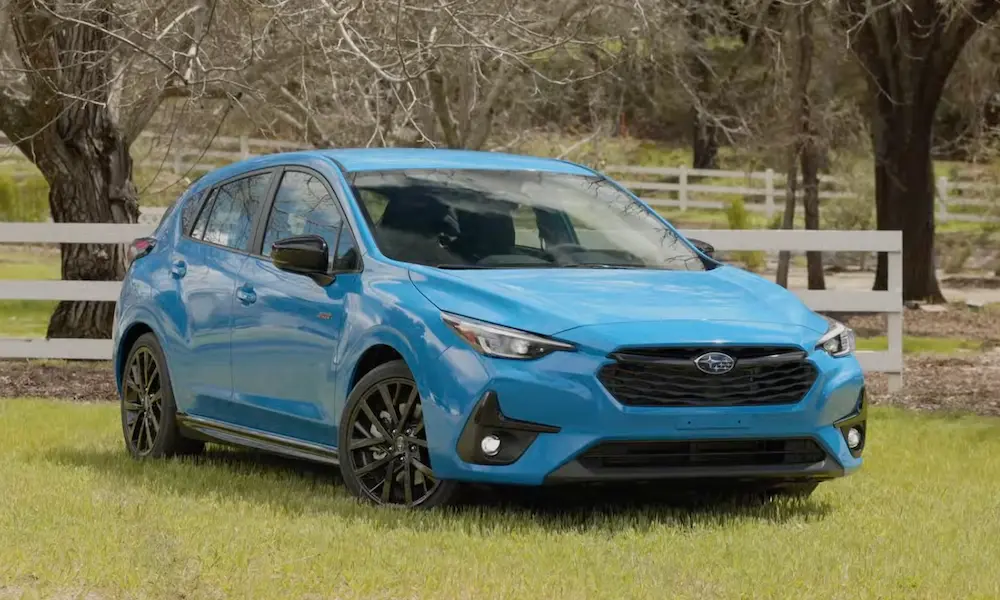
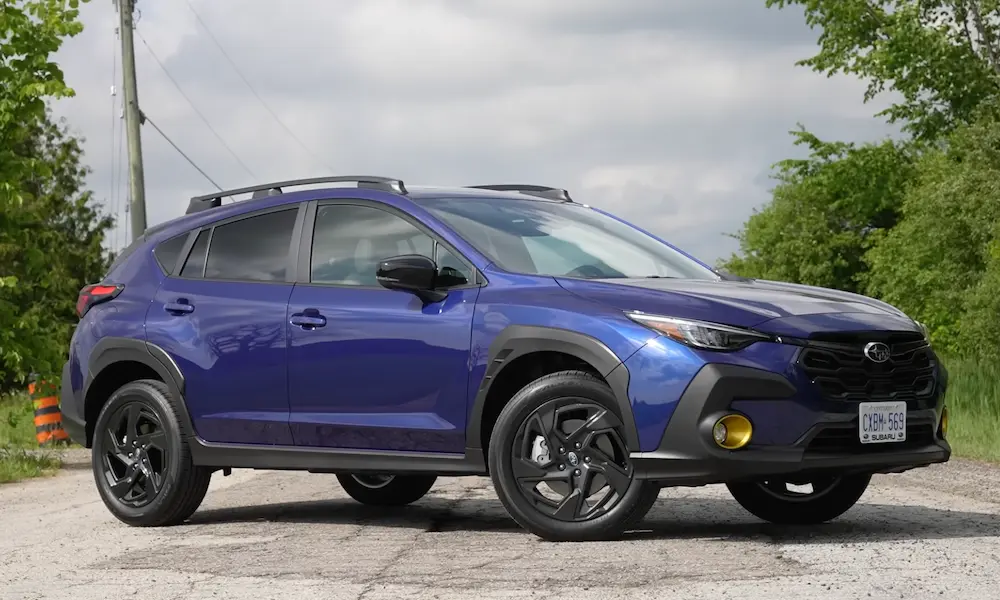
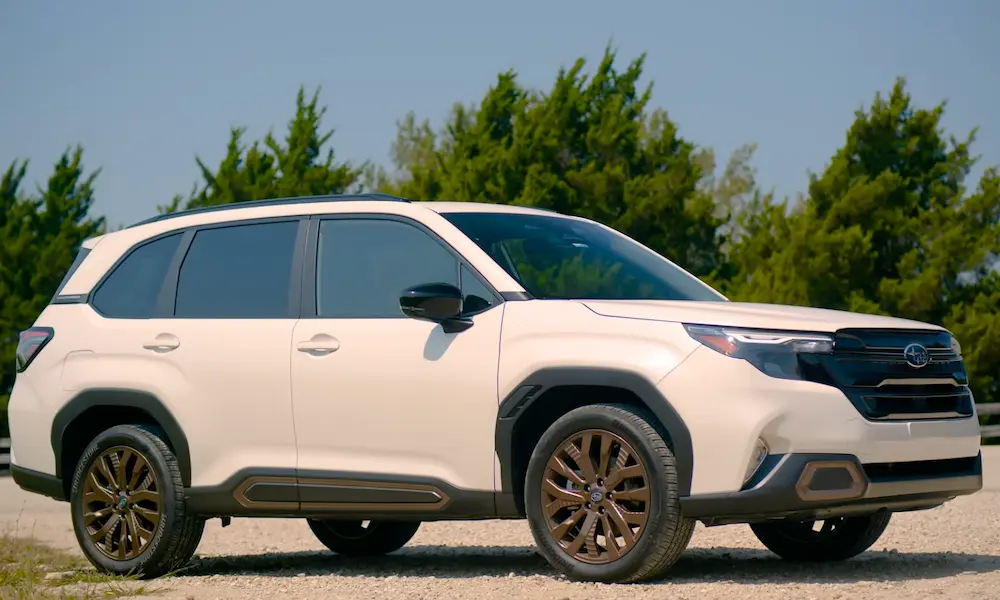
- Forester → short-haired lesbians
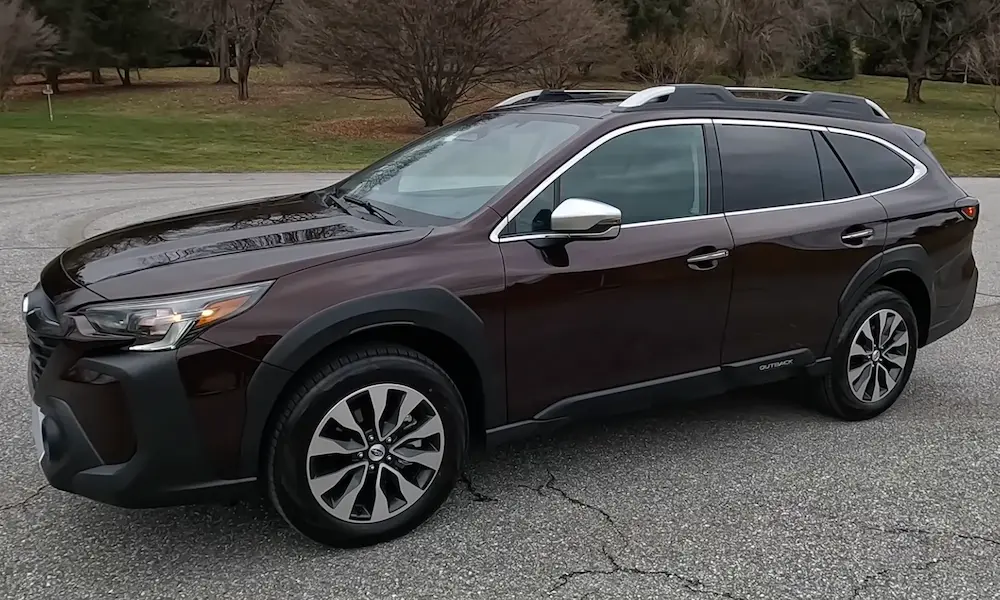
- Outback → long-haired lesbians who hike with dogs
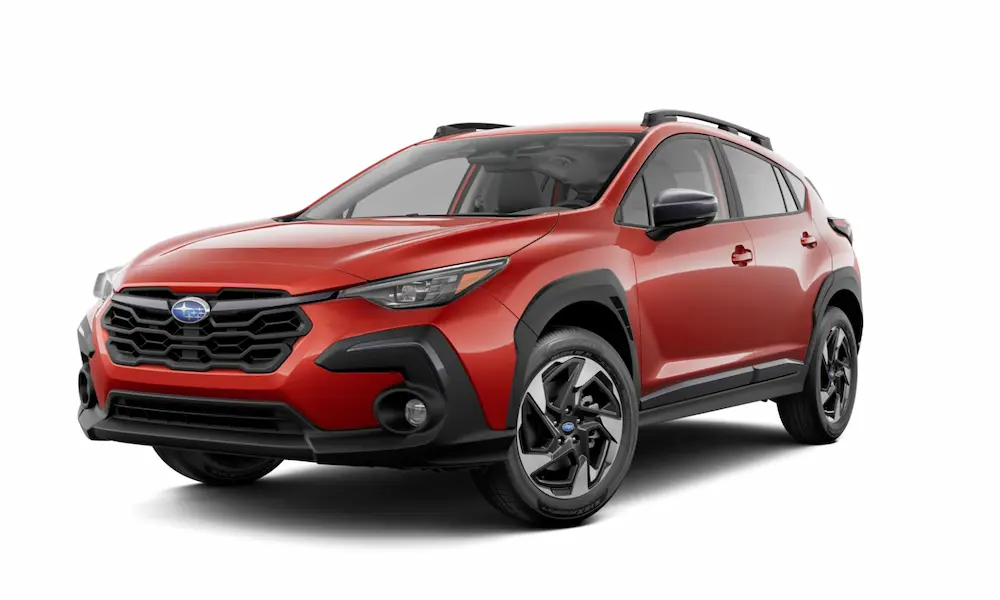
- Crosstrek → younger women in their twenties
In a now-viral moment at a stand-up show by comedian Ashley Gavin, an audience member asked why lesbians love Subarus. A woman in the crowd identified herself as a Subaru social media manager and answered on the spot — explaining the 1990s history and noting their current strategy: heavy use of dogs in advertising. The logic? Lesbians see a dog and think “that’s me.” Straight men see a dog and just think “I love dogs.” Everyone wins.
The Badge That Makes It Official
In 2010, Subaru launched the Badge of Ownership program — free metallic badges owners can stick on their rear liftgate. The badges show how many Subarus you’ve owned, plus icons for your lifestyle: hiking, camping, dogs, military service.
One of the available icons is a rainbow pride badge.
Subaru has shipped over one million of these badges. The car’s back window has literally become a personalized billboard for your identity. That’s not an accident. That’s thirty years of relationship-building paying off.
What Made This Work When Everything Else Didn’t
Most companies that try LGBTQ+ marketing get it wrong. They slap a rainbow on something in June and call it done. Subaru didn’t do that.
They did three things that actually built lasting loyalty:
- They listened first. Real focus groups. Real data. They didn’t assume — they asked.
- They respected the audience’s intelligence. The “gay vague” approach treated queer consumers as insiders, not targets.
- They followed through internally. Domestic partnership benefits, real sponsorships, real money to real causes.
The answer to why do lesbians drive Subarus isn’t “they just do.” It’s that a struggling car company in the 1990s made a courageous bet on an ignored demographic, treated them with genuine respect, and earned loyalty that’s lasted three decades.
That’s not a meme. That’s a masterclass.