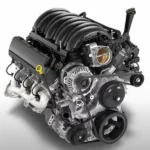
Ever wonder when you should take your Kia Sportage in for service? You’re not just maintaining a vehicle—you’re protecting an investment. Following the right service schedule keeps your Sportage running at its best and protects your warranty coverage. Let’s break down exactly what your Kia needs and when.
Understanding Your Kia Sportage Service Timeline
The Kia Sportage requires regular maintenance to ensure reliable performance and longevity. Your specific service schedule depends on your model year and driving conditions.
Current Generation Sportage (2022+)
If you’ve got one of the newest Sportage models, your maintenance schedule is straightforward. Kia recommends service every 10,000 miles or 12 months, whichever comes first. This applies to all engine types in the current generation.
The simplified schedule for newer models makes keeping track of maintenance easier, but don’t let the longer intervals make you complacent. Regular check-ups are still essential.
Previous Generation (2016-2021)
Fourth-generation Sportage owners need to pay attention to their engine type:
- Diesel engines: Service every 20,000 miles or 12 months
- Petrol Non-Turbo engines: Service every 20,000 miles or 12 months
- Petrol Turbo engines: More frequent service at every 10,000 miles or 12 months
Turbo engines require more frequent maintenance because they operate under higher pressure and temperature conditions.
Earlier Models (2011-2015)
For third-generation Sportage vehicles, all engine types need service every 20,000 miles or 12 months.
Essential Maintenance Checklist by Mileage
Every 7,500 Miles
The foundation of your Sportage’s health starts with these basic services:
- Oil and filter change
- Tire rotation
- Brake inspection
These three services form the core of your vehicle’s preventative maintenance. Fresh oil keeps your engine running smoothly, while tire rotations ensure even wear and extended tire life.
Every 15,000 Miles
At this milestone, your Sportage needs more comprehensive attention:
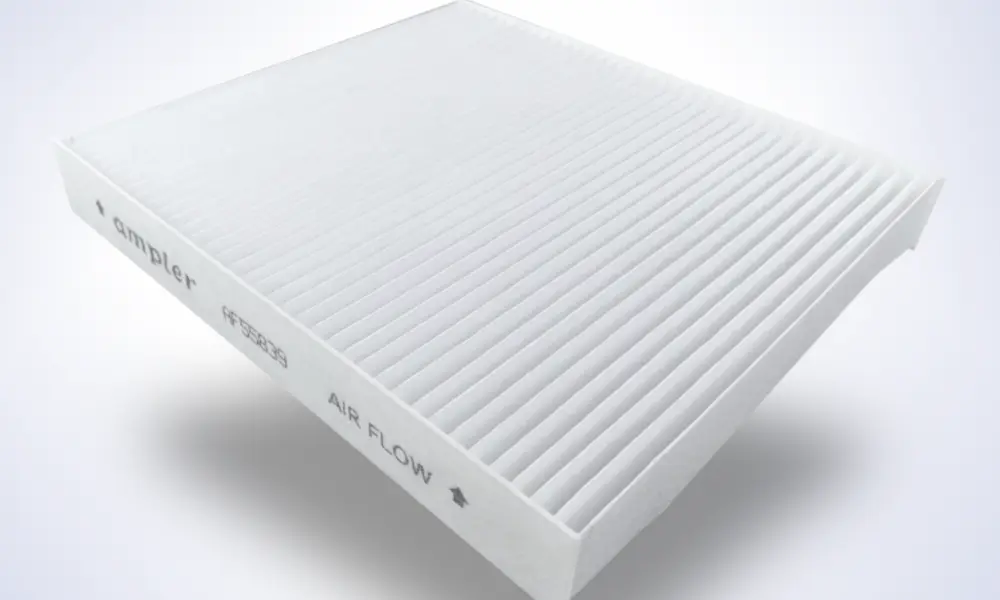
- Replace cabin air filter
- Inspect suspension components
- Check battery and charging system
- Inspect brake fluid, transfer case fluids, differential fluids, and transmission fluid
- Check drive axle boots, exhaust system, and wiper blades
The cabin air filter is particularly important if you live in a dusty area or have allergies, as it keeps your vehicle’s interior air clean.
Every 30,000 Miles
This major service interval includes:
- Replace engine air filter
- Inspect fuel lines and connections
- Check distributor cap and ignition wires (for applicable models)
- Replace cabin air filter (if not done at 15,000 miles)
Your engine air filter is crucial for proper combustion and fuel efficiency. A clogged filter can reduce power and increase fuel consumption.
Every 60,000 Miles
When you hit this mileage marker, pay attention to:
- Inspect drive belts and replace if worn
- Check transmission fluid level and condition (replace if necessary)
Drive belts are critical components that run multiple systems in your vehicle. A failing belt can leave you stranded, so inspection is essential.
Every 90,000 Miles
This deep maintenance includes:
- Replace spark plugs
- Inspect timing belt
- Flush cooling system
The cooling system flush is particularly important as coolant degrades over time, becoming less effective at preventing corrosion and maintaining proper engine temperature.
Severe vs. Normal Driving Conditions
Most Kia owners don’t realize they’re actually driving under what Kia classifies as “severe conditions.” If your driving fits any of these patterns, you’ll need more frequent service:
- Short trips (less than 5 miles)
- Stop-and-go traffic
- Extreme temperatures (hot or cold)
- Dusty, salty, or gravel roads
- Mountain driving
- Towing or carrying heavy loads
Under severe conditions, you should cut your maintenance intervals in half. That means service every 5,000 miles instead of 10,000 miles for newer models.
How to Tell if You Need the Severe Schedule
| Driving Pattern | Normal Schedule | Severe Schedule |
|---|---|---|
| Daily commute >10 miles | ✓ | |
| Mostly highway driving | ✓ | |
| Short trips <5 miles | ✓ | |
| Heavy city traffic | ✓ | |
| Extreme weather areas | ✓ | |
| Dusty/sandy regions | ✓ | |
| Towing or hauling | ✓ |
Be honest about your driving habits. Most urban and suburban drivers should follow the severe schedule for optimal vehicle protection.
Oil Change Specifics for Your Sportage
First Oil Change for New Vehicles
For brand new Sportage owners, the first oil change deserves special attention. Many experts recommend changing the oil between 5,000-8,000 miles for the first service, even if your manual suggests 10,000 miles.
This first oil change is crucial because it removes any metal particles or manufacturing debris that might be present in a new engine.
Ongoing Oil Change Schedule
After the initial change, stick to this schedule:
- Normal conditions: Every 7,500-10,000 miles or 12 months
- Severe conditions: Every 5,000 miles or 6 months
Kia recommends full synthetic oil for the best protection and performance in your Sportage. While it costs more upfront, synthetic oil provides better engine protection and can actually save you money in the long run.
Maintaining Your Warranty Protection
One of the biggest perks of owning a Kia is the exceptional warranty coverage. To keep it valid, you must follow the manufacturer’s maintenance schedule.
The Kia warranty package includes:
- 10-year/100,000-mile powertrain warranty
- 5-year/60,000-mile basic warranty
- 5-year/100,000-mile anti-perforation warranty
- 5-year/60,000-mile roadside assistance
These warranties only remain valid if you properly maintain your vehicle. Skipping scheduled maintenance can void your coverage when you need it most.
Seasonal Maintenance Tips for Your Sportage
Spring Preparation
After winter’s harsh conditions, your Sportage needs these checks:
- Inspect wiper blades for winter damage
- Check tire pressure (changes with temperature)
- Clean underbody to remove salt and road grime
- Check alignment if you’ve hit winter potholes
Spring is also a great time to detail your Sportage inside and out to remove winter’s accumulated dirt and salt.
Summer Readiness
Before hot weather hits, make sure to:
- Check air conditioning performance
- Inspect cooling system for leaks
- Test battery (heat accelerates battery failure)
- Check tire tread for summer rain handling
The cooling system becomes especially important in summer months, as an overheating engine can cause expensive damage.
Fall Checklist
As temperatures drop, prepare with:
- Check heating system
- Inspect belts and hoses
- Test battery again (cold weather reduces battery capacity)
- Check all lights as days get shorter
Fall is also an ideal time to consider switching to winter tires if you live in a snow-prone area.
Winter Preparation
Before snow flies, ensure your Sportage is ready with:
- Replace wiper blades if needed
- Add winter windshield washer fluid
- Check tire pressure (drops in cold weather)
- Consider winter tires for snow regions
- Test battery and charging system
Winter puts the most stress on your vehicle, so thorough preparation can prevent being stranded in cold weather.
DIY Maintenance vs. Dealer Service
While dealer service ensures factory-trained technicians and genuine parts, some maintenance can be done yourself to save money.
What You Can Do Yourself
These tasks are manageable for most owners:
- Check fluid levels regularly
- Replace wiper blades
- Change air filters (cabin and engine)
- Monitor tire pressure
- Replace bulbs
Doing these simple tasks yourself can save hundreds of dollars annually while keeping you more connected to your vehicle’s condition.
When to Use the Dealer
Certain services are best left to professionals:
- Warranty-related repairs
- Major service intervals
- Computerized diagnostics
- Transmission service
- Timing belt replacement
Using certified Kia technicians for these services ensures proper work and maintains your warranty coverage.
Digital Tools for Maintenance Tracking
Kia offers modern tools to help you track maintenance:
- Kia Owner’s Portal: Schedule service and view maintenance history
- Kia Owner’s Manual App: Access your specific vehicle’s requirements digitally
- Service reminder settings: Use your vehicle’s built-in maintenance reminders
Using these digital tools makes it easier to stay on top of your maintenance schedule and never miss an important service.
Cost-Saving Tips for Sportage Maintenance
Maintaining your Sportage doesn’t have to break the bank:
- Take advantage of service specials and coupons
- Bundle services when possible
- Compare independent shops for out-of-warranty vehicles
- Consider prepaid maintenance plans if offered
- Do simple maintenance yourself
Regular maintenance actually saves money by preventing more expensive repairs down the road.
The Long-Term Benefits of Proper Maintenance
Faithfully following your Sportage’s service schedule pays off in multiple ways:
- Extended vehicle lifespan (potentially 200,000+ miles)
- Better fuel economy
- Fewer unexpected breakdowns
- Higher resale value
- Warranty protection
- More enjoyable driving experience
The small investment in regular maintenance returns dividends throughout your ownership experience.
The Environmental Impact of Proper Maintenance
Regular maintenance isn’t just good for your vehicle—it’s better for the planet too:
- Properly maintained engines produce fewer emissions
- Regular oil changes prevent contamination
- Maintaining proper tire pressure improves fuel efficiency
- Recycling used fluids and parts reduces waste
By keeping your Sportage in top condition, you’re being environmentally responsible while protecting your investment.
Your Kia Sportage is designed to provide years of reliable service when properly maintained. By following the manufacturer’s service schedule and staying proactive about maintenance, you’ll enjoy better performance, fewer repairs, and higher resale value when it’s time for your next vehicle.