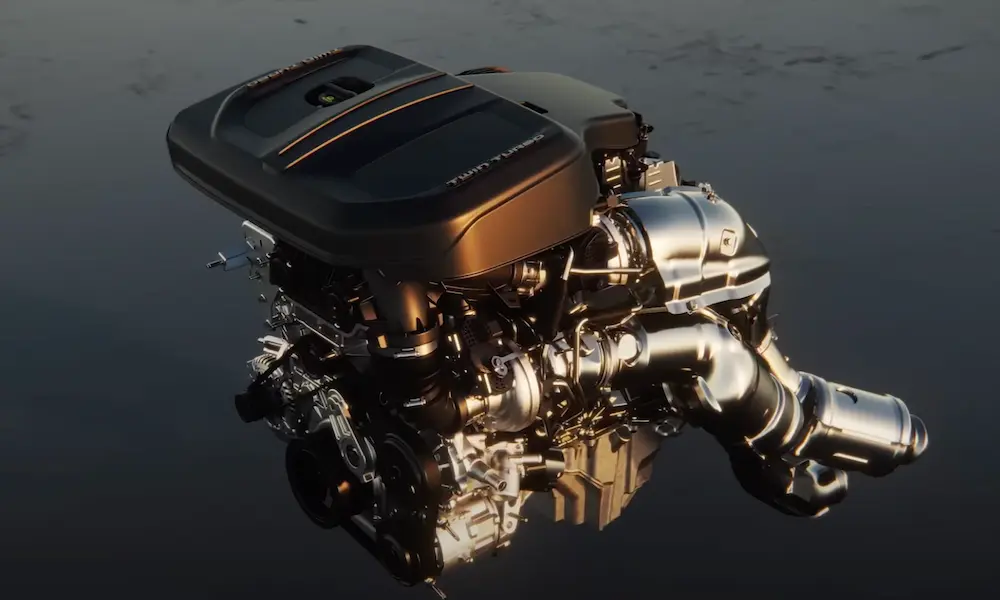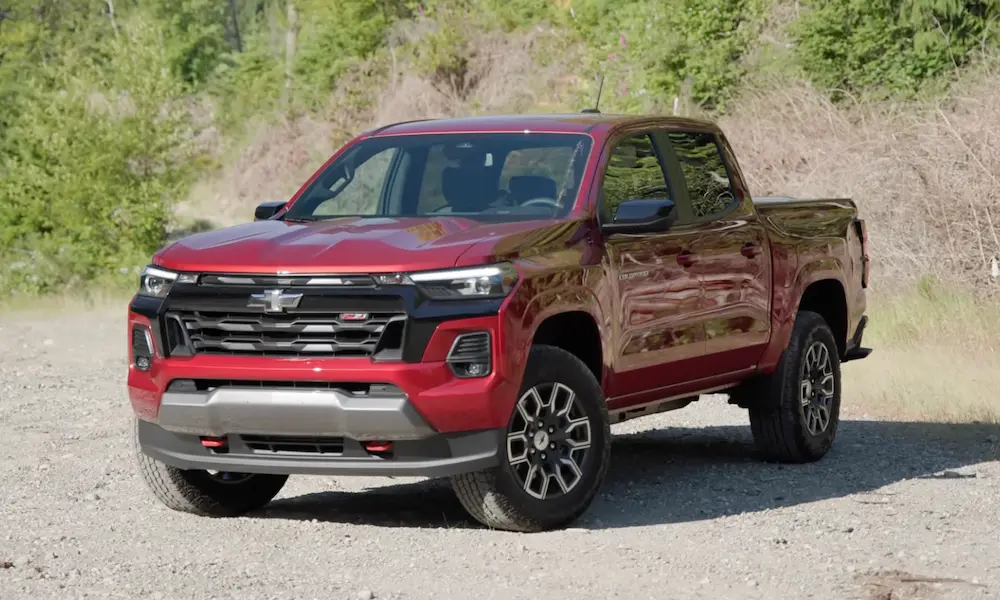
Tired of that annoying AFM lifter tick in your 5.3L Chevy or GMC? You’re looking at one of the most common failure points in GM’s V8 engines. Active Fuel Management seemed like a good idea on paper, but in practice, it’s created headaches for thousands of truck owners. Let’s dive into everything you need to know about AFM delete kits with camshaft upgrades – from what makes them necessary to which brands deliver the best results.
Why AFM Systems Fail and Need Deletion
GM’s Active Fuel Management (AFM) technology, also called Displacement on Demand (DOD), was designed to save fuel by shutting down four cylinders during light loads. The system uses special collapsible lifters on cylinders 1, 4, 6, and 7 that disengage based on oil pressure changes.
Here’s the problem: these complex lifters constantly cycle between engaged and collapsed states. This mechanical gymnastics, combined with oil pressure fluctuations, leads to premature wear and eventual failure of both lifters and camshaft lobes.
The most critical issue goes deeper than just the lifters. AFM engines use different camshaft profiles for the deactivating cylinders, giving them about 25 pounds less compression than active cylinders. This fundamental design difference means you can’t just disable AFM electronically – you need a complete hardware delete with a proper camshaft replacement.
Top AFM Delete Kit Manufacturers
Texas Speed Performance – The Premium Option
Texas Speed Performance stands as the gold standard for AFM delete kits. Their comprehensive packages include:
- High-quality Delphi LS7 lifters
- Properly sized head gaskets
- ARP head bolts
- Non-AFM valley covers
Their camshaft options range from the basic GM 12689035 stock replacement (190/191 duration, .466″/.457″ lift) to their proprietary performance Stage 1-4 cams. The Stage 1 and 2 truck cams are particularly popular for daily drivers, giving modest power gains while maintaining stock-like drivability.
Pricing typically ranges from $800-$1200 depending on your camshaft selection and other options.
Brian Tooley Racing (BTR) – Performance-Focused
BTR has built a strong reputation with their truck-specific camshaft designs. Their comprehensive delete kits feature:
- LS7-style lifters
- Quality head gaskets
- Valley covers
- All necessary hardware
Their “Truck Torque” camshaft (202/202 duration, .511″/.511″ lift, 111+1 LSA) is specifically designed for heavy vehicles and towing. The more aggressive “Truck Norris” cam offers greater performance while still being street-friendly.
BTR offers kits for both Gen IV (2007-2013) and Gen V (2014+) engines, priced competitively at $750-$1100.
Other Notable Options
AMS Racing provides budget-friendly kits starting around $600, often bundled with handheld tuners. However, component quality can be inconsistent based on user reviews.
Michigan Motorsports sells premium kits featuring genuine Delphi LS7 lifters and high-quality ICT Billet valley covers with O-ring sealing. Their pricing ($700-$1000) reflects the quality components.
Scoggin-Dickey offers well-balanced kits with good customer service, though with more limited performance camshaft options compared to TSP and BTR.
Critical Components in AFM Delete Kits
Lifter Selection: The Foundation of Reliability
The lifters are arguably the most critical component in any AFM delete kit. Delphi LS7 lifters are universally recommended by professionals for their superior durability.
Avoid Comp Cams lifters, which have high reported failure rates in forum discussions. Johnson 2110 lifters are another premium option, though they require more precise preload specifications. Morel lifters represent a top-tier option for high-performance builds.
Valley Cover Options
When deleting AFM, you must address the oil flow that previously controlled the Valve Lifter Oil Manifold (VLOM). You have three main options:
- Simple plugs – Steel plugs that cap the oil ports ($20-30)
- Non-AFM valley cover – GM replacement part #12598832
- Aftermarket billet covers – Premium options like ICT Billet covers with O-ring sealing
Billet covers provide the best sealing but at significantly higher cost.
Camshaft Selection Strategy
| Camshaft Type | Specs | Best For | Approximate Cost |
|---|---|---|---|
| GM 12689035 (Stock) | 190/191 duration, .466″/.457″ lift | Basic replacement | $150-200 |
| L96 6.0L cam | Similar to original AFM specs | Stock-like performance | $180-250 |
| BTR Truck Torque | 202/202 duration, .511″/.511″ lift | Daily drivers & towing | $300-350 |
| TSP Stage 1-2 | Mild performance specs | Modest power gains | $300-400 |
| BTR Truck Norris | More aggressive profile | Performance focus | $350-450 |
Stock replacement cams allow use of factory valve springs and pushrods, while performance cams often require upgraded valvetrain components.
Installation Complexity and Real Costs
Let’s be clear: AFM deletion is a major engine rebuild requiring complete disassembly of the top end. The process involves removing:
- Intake manifold
- Cylinder heads
- Camshaft
- All lifters
Professional installation typically requires 15-20 hours of labor, with costs ranging from $1,500-$2,500 depending on location.
Critical installation considerations include:
- Maintaining precise timing during camshaft replacement
- Verifying correct pushrod length (especially with performance cams)
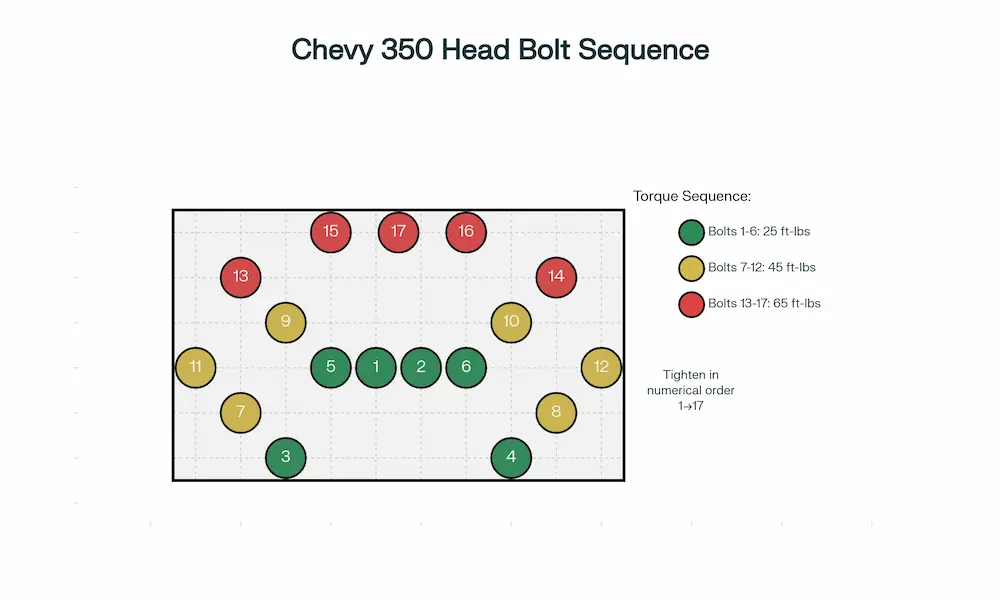
- Following head bolt torque sequence exactly
- Using proper assembly lubrication for break-in
Many owners choose to perform additional maintenance during the process, such as timing chain replacement and water pump service, maximizing the value of the disassembly work.
Tuning Requirements: Non-Negotiable
Electronic tuning is absolutely mandatory for any AFM delete. The PCM must be reprogrammed to disable AFM operation and prevent check engine lights. Options include:
Professional Tuning Services:
- PCM of NC: Specializes in AFM delete tuning with 24-hour turnaround
- AMS Racing: Offers mail-in ECM programming
- Local performance shops: Custom dyno tuning for optimal results
DIY Tuning Options:
- HP Tuners: Professional-grade software requiring technical knowledge
- Handheld tuners: More accessible but less precise for basic AFM disabling
Professional tuning typically costs $300-500, while custom dyno tuning can reach $500-800 but provides superior results, especially with performance camshafts.
Performance Results You Can Expect
Dyno testing shows significant performance improvements are possible with properly executed AFM deletes combined with camshaft upgrades. A 2014 Silverado 5.3L with stock AFM deletion and mild performance modifications showed baseline numbers of 333 HP at the wheels. After AFM delete with a performance camshaft and supporting modifications, similar builds commonly achieve 50-70 horsepower gains.
Results vary significantly based on camshaft selection:
- Stage 1 camshafts typically add 20-30 horsepower while maintaining stock drivability
- More aggressive Stage 3-4 camshafts can provide 50+ horsepower gains but may require transmission modifications
Long-term reliability reports are generally positive for properly installed delete kits using quality components. Many users report trouble-free operation after 30,000+ miles with maintained performance improvements.
Cost Analysis: Is It Worth It?
Complete AFM delete projects typically range from $2,000-$4,000 installed. This significant investment must be weighed against:
Financial Considerations:
- AFM lifter failure repair costs: $3,000-$5,000
- Engine replacement costs: $6,000-$8,000
- Prevention value for high-mileage engines
Performance Value:
- Elimination of AFM-related vibrations and noise
- Improved throttle response and power delivery
- Potential fuel economy improvements with proper tuning
For vehicles with existing AFM problems, the delete represents a permanent solution addressing root causes rather than temporary fixes. For preventive maintenance on healthy engines, the value depends on your intended vehicle use and how long you plan to keep it.
Common Installation Pitfalls
Several recurring issues can compromise AFM delete installations:
Timing Errors: Incorrect camshaft timing during installation can cause severe engine damage. Always double-check timing marks and use proper TDC procedures.
Component Quality Issues: Cheap eBay kits often include substandard components that fail prematurely. Component quality directly correlates with long-term success.
Tuning Problems: Incomplete or incorrect PCM programming can cause multiple check engine codes and poor operation. Professional tuning services typically provide better results than generic handheld tuners.
Assembly Errors: Improper torque sequences, inadequate lubrication, or incorrect gasket installation can lead to leaks and failures. Follow manufacturer procedures precisely.
Alternative Solutions
While complete AFM deletion represents the most comprehensive solution, alternatives exist:
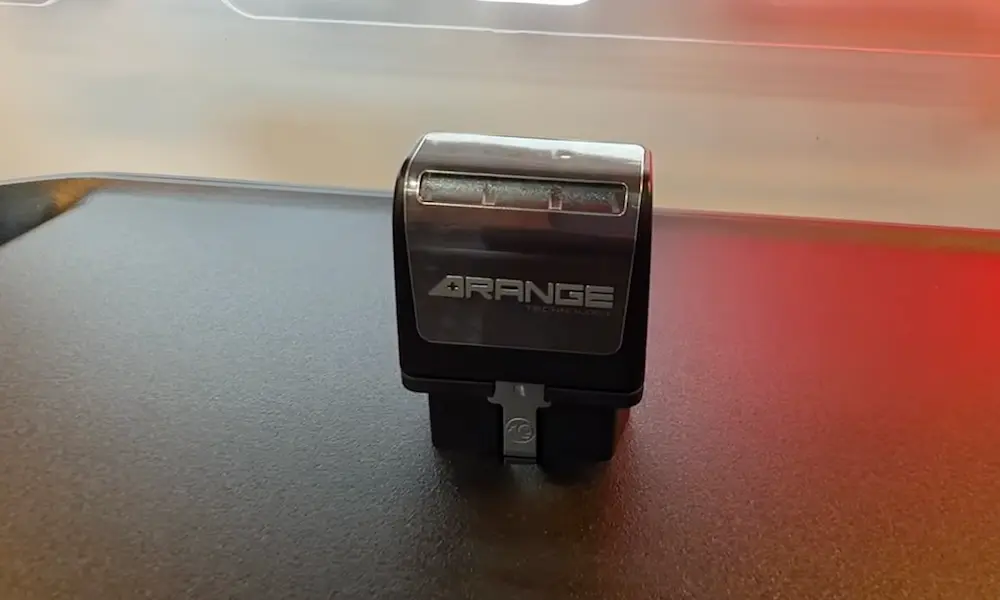
AFM Disablers: Electronic devices that prevent AFM activation without hardware changes cost $150-250. These improve drivability but don’t address underlying lifter reliability concerns. Recent devices like the Range Technology and CarByte units show improved compatibility with newer DFM systems.
Partial Solutions: Some owners opt for electronic AFM disable combined with preventive maintenance through frequent oil changes and quality lubricants. While less expensive initially, this approach doesn’t eliminate failure risk.
OEM Warranty Considerations: AFM delete modifications will void manufacturer warranties and may impact resale value. CARB-compliant kits are available but significantly more expensive.
Best Practices and Recommendations
Based on comprehensive analysis of available options and user experiences, I recommend:
For Daily Drivers Seeking Reliability:
- Texas Speed Performance kit with GM 12689035 or L96 camshaft
- Professional installation and tuning
- Delphi LS7 lifters mandatory
- Budget $2,500-$3,500 total
For Performance-Oriented Builds:
- BTR kit with Truck Torque or Stage 2 camshaft
- Upgraded valve springs and pushrods
- Custom dyno tuning essential
- Budget $3,000-$4,500 total
For Budget-Conscious Owners:
- Michigan Motorsports or Scoggin-Dickey kits
- Stock replacement camshaft
- DIY installation if mechanically capable
- Professional tuning still recommended
- Budget $1,800-$2,800 total
Making the Right Choice for Your 5.3L
The AFM delete market has matured significantly, with several manufacturers offering proven solutions. Texas Speed Performance and Brian Tooley Racing represent the pinnacle of quality and support, while budget options from Michigan Motorsports and others can provide adequate results for cost-conscious consumers.
The key to success lies in understanding that AFM deletion is a major engine modification requiring quality components, proper installation, and professional tuning. While the initial investment is significant, properly executed deletes provide long-term reliability improvements and performance benefits that justify the cost for most applications.
The integration of camshaft upgrades during AFM deletion represents an excellent value proposition, allowing you to address reliability concerns while gaining meaningful performance improvements. However, camshaft selection should be carefully matched to your intended use, with mild options preserving daily drivability and aggressive choices requiring supporting modifications.
Ultimately, the “best” AFM delete kit depends on your priorities, budget constraints, and performance goals. The evidence consistently points toward investing in quality components from established manufacturers rather than pursuing lowest-cost options that may compromise long-term success.