Having trouble with your Toyota’s parking assist system? Those helpful beeps that guide you into tight spots might suddenly go silent, or worse, your dashboard lights up with an error message. This isn’t just annoying—it could be putting you at risk of minor fender benders. We’ll walk you through what causes these systems to fail, how to diagnose the problem, and what steps you can take to get your parking assist working properly again.
What Is Toyota’s Parking Assist System?
Toyota’s parking assist technology is actually a collection of interconnected systems working together to help you park safely. The main components include:
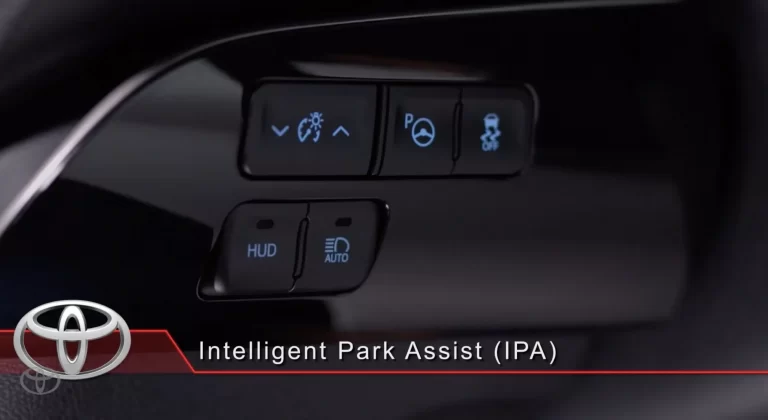
- Intelligent Parking Assist (IPA): Automatically controls steering during parking
- Parking Support Brake (PKSB): Applies brakes when obstacles are detected
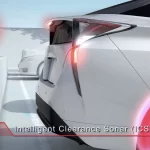
- Intelligent Clearance Sonar (ICS): Uses radar and ultrasonic technology to monitor surroundings
These systems rely on 4-8 ultrasonic sensors positioned around your vehicle’s bumpers. The sensors emit sound waves and measure how long it takes for them to bounce back, calculating the distance to nearby objects with impressive precision.
Common Causes of Toyota Parking Assist Malfunctions
Dirty or Obstructed Sensors
The most frequent cause of parking assist problems is simple sensor contamination. Your parking sensors can’t “see” properly when they’re covered with:
- Road dirt and grime
- Snow and ice buildup
- Mud splatter
- Salt residue from winter roads
In winter conditions, ice formation is particularly problematic. Some Toyota owners report parking assist systems remaining non-functional until their vehicles warm up in heated garages.
Electrical and Wiring Problems
Electrical issues are another major culprit behind parking assist failures:
- Damaged wiring harnesses
- Corroded connections
- Broken sensor cables
- Communication circuit errors
What makes these issues tricky is that Toyota parking sensors are connected in series. This means one faulty sensor or damaged wire can disable the entire system. When your scan tool shows code C1AED, you’re likely dealing with a front sensor communication failure.
Physical Sensor Damage
Parking sensors sit in vulnerable positions on your bumpers, making them susceptible to damage from:
- Minor bumper impacts
- Road debris strikes
- Shopping cart collisions
- Car wash equipment
Even seemingly minor damage can cause sensors to trigger false alerts or fail to detect obstacles entirely.
Issues with Related Vehicle Systems
Sometimes the problem isn’t with the parking assist system itself but with other vehicle systems:
- Active check engine light (often disables parking assist as a safety measure)
- EVAP canister problems
- Active grille shutter malfunctions
- Even a loose fuel cap can trigger issues
Additionally, aftermarket modifications like trailer hitches, bike racks, or custom bumpers can interfere with sensor operation.
Warning Signs of Parking Assist Problems
How do you know when your parking assist system is acting up? Look for these telltale signs:
- “Parking Assist Malfunction” warning on dashboard
- “Check Parking Assist” message
- “PKSB Malfunction” warning
- Complete absence of parking sensor beeps
- Intermittent or unreliable sensor warnings
- Continuous beeping without obstacles present
Diagnosing Parking Assist Problems
Using Diagnostic Tools
Modern Toyota parking assist systems require specialized diagnostic equipment:
- Toyota Techstream: Toyota’s proprietary diagnostic software
- Professional-grade OBD-II scanners: Must be compatible with Toyota’s systems
Generic code readers often can’t access parking assist modules. Even when using professional tools, technicians sometimes struggle to locate parking assist modules in the diagnostic software. In some cases with 2022 models, technicians had to select 2021 model year settings to access clearance warning modules.
Common Error Codes
When diagnosing parking assist issues, you’ll likely encounter these codes:
| Error Code | Meaning |
|---|---|
| B1B44 | Rear right outer sensor failure |
| B1B46 | Rear right inner sensor failure |
| B1B48 | Rear left outer sensor failure |
| B1B50 | Rear left inner sensor failure |
| C1AED | Front sensor communication failure |
| B1B57 | Power circuit issue (front sensors) |
| B1B58 | Power circuit issue (rear sensors) |
Multiple simultaneous codes often point to a common cause, like damaged wiring harnesses or control module failures.
DIY Testing Methods
If you don’t have access to professional diagnostic equipment, you can perform basic checks:
- Visual inspection: Examine sensors for visible damage or debris
- Multimeter testing: Functional sensors typically show readings above 500 ohms between terminals
- Sound test: Listen for the characteristic clicking sound sensors make when activated
- Cleaning test: Clean sensors thoroughly and test system functionality
How to Fix Toyota Parking Assist Malfunctions
Simple Fixes You Can Try First
Before heading to the dealer, try these troubleshooting steps:
- Clean your sensors thoroughly: Use water and mild soap to remove dirt and grime
- Check for ice buildup: In winter, make sure sensors aren’t frozen over
- Inspect for visible damage: Look for cracked, pushed-in, or missing sensors
- Check connections: Ensure all visible wiring is properly connected
- Cycle the system: Turn your car off completely for 2-3 minutes to reset electronics
Sensor Replacement
If cleaning and basic checks don’t resolve the issue, sensor replacement might be necessary:
- Aftermarket sensors: $5-$150 per unit
- OEM Toyota sensors: $250+ per unit
- Labor costs: $171-$251 depending on accessibility
The total cost for replacing multiple sensors can quickly add up to $600-$1,000, especially if your vehicle requires bumper removal for access.
The replacement process involves:
- Removing the damaged sensor
- Installing the new unit
- Connecting wiring harnesses
- Calibrating the system (crucial step)
The Critical Importance of Calibration
This is where many DIY repairs fail. Toyota vehicles manufactured after 2017 typically require professional calibration after sensor replacement. The calibration process involves:
- Bumper type registration
- Precise sensor angle measurement
- System initialization procedures
- Steering angle neutral point initialization
These procedures require specialized equipment and Toyota’s proprietary calibration software. Without proper calibration, you’ll often get “initialization incomplete” errors and continued system malfunctions.
When Professional Help Is Necessary
While basic cleaning and visual inspections are DIY-friendly, seek professional help when:
- You’ve confirmed sensor damage requiring replacement
- Multiple error codes appear simultaneously
- System issues persist after cleaning
- You see wiring damage
- Your vehicle is a 2017 model or newer (requiring calibration)
Preventing Future Parking Assist Problems
Regular Maintenance Tips
Keep your parking assist system working properly with these maintenance habits:
- Clean sensors regularly: Incorporate sensor cleaning into your regular car wash routine
- Winter precautions: Pay special attention to ice buildup in cold weather
- Visual inspections: Periodically check for sensor damage or looseness
- Protect from pressure washers: Avoid direct high-pressure sprays on sensors
- Maintain proper tire pressure: Changes in vehicle height can affect sensor calibration
Environmental Awareness
Be mindful of how you use your vehicle to protect parking sensors:
- Be cautious in extreme weather: Heavy rain, snow, and ice can affect functionality
- Consider parking location: If possible, park in garages during extreme weather
- Be careful with aftermarket modifications: Consult professionals before adding accessories near sensors
- Drive cautiously near debris: Avoid roads with excessive gravel or debris when possible
Toyota Models Most Affected by Parking Assist Issues
While all Toyota models with parking assist can experience malfunctions, these vehicles have reported more frequent issues:
- Toyota RAV4 (2019-present)
- Toyota Highlander (2020-present)
- Toyota Tundra (2022-present)
- Toyota Camry (2018-present)
- Lexus RX models (2016-present)
Parking Assist Technology Evolution
Toyota’s parking assistance technology continues to evolve:
- Early systems (pre-2015): Basic proximity warnings with limited coverage
- Mid-generation (2015-2020): Added automatic braking and steering assist
- Current generation (2021+): Integration with 360° cameras and autonomous features
The newer the system, the more complex the diagnosis and repair process typically becomes.
Is It Safe to Drive with Parking Assist Malfunction?
You can drive with a malfunctioning parking assist system, but:
- You’ll need to rely entirely on your own parking skills
- There’s increased risk of minor bumper damage when parking
- The malfunction won’t affect core driving functions like steering or braking
- Some related safety systems might be disabled as a precaution
For safety, have the system repaired promptly, especially if you regularly park in tight spaces or rely heavily on parking assistance.
Final Thoughts
Toyota’s parking assist systems are sophisticated technologies that enhance safety and convenience, but they require proper maintenance and occasional repairs. By understanding the common causes of malfunctions and taking preventive measures, you can keep these systems functioning properly and avoid costly repairs.
Remember that while DIY cleaning and basic checks are helpful, professional diagnosis and repair—especially calibration—are often necessary for complete system restoration. Don’t hesitate to consult with a qualified Toyota technician when faced with persistent parking assist issues.