Is your Toyota suddenly flashing “ICS Malfunction” on the dashboard? You’re not the only one grappling with this frustrating issue. Toyota’s Intelligent Clearance Sonar system is designed to keep you safe, but when it malfunctions, it can leave you confused and concerned about your vehicle’s reliability.
What Is Toyota’s ICS System?
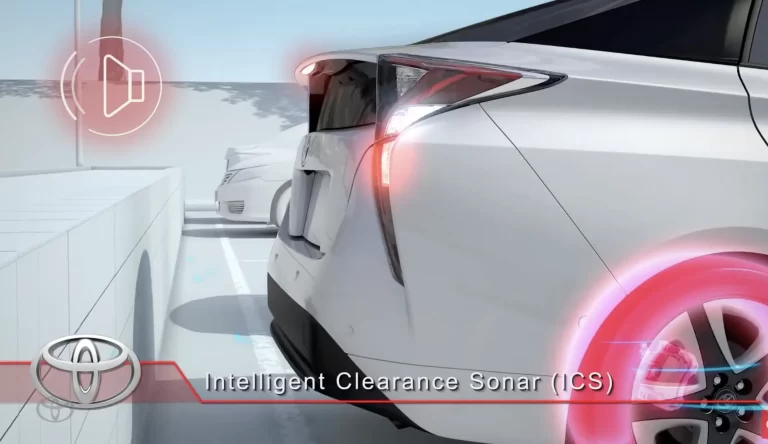
Toyota’s Intelligent Clearance Sonar system is a safety feature that helps prevent low-speed collisions. Using ultrasonic sensors mounted on your front and rear bumpers, it detects obstacles when you’re moving under 10 mph.
The system works by:
- Providing audible alerts when obstacles are detected
- Displaying visual warnings on your dashboard
- Automatically applying brakes to prevent collisions
First introduced in 2014, the ICS system has become standard in many Toyota models including the Camry, Prius, and Highlander. It’s part of Toyota’s broader Safety Sense package, connecting with other vehicle systems like navigation and climate control.
Common Signs of ICS Malfunction
Warning Messages and Alerts
The most obvious sign is the “ICS Malfunction” message on your dashboard. This warning typically appears alongside:
- Check engine light illumination
- Parking assist system failure notifications
- Beeping or chiming sounds from the dashboard
“My 2018 Camry started flashing the ICS Malfunction warning right after I went through a carwash,” reports one Toyota owner. “The parking sensors stopped working completely.”
Strange Braking Behavior
Many drivers report unexpected braking issues when their ICS system malfunctions:
- Your car suddenly braking in carwashes
- Automatic braking engaging when no obstacles are present
- System falsely detecting obstacles that aren’t there
Related Electrical Problems
ICS malfunctions rarely occur in isolation. You might also notice:
- Engine misfires (particularly cylinder 3 in Camry models)
- Oxygen sensor errors (like code P0037)
- Other dashboard warning lights appearing simultaneously
What Causes Toyota ICS Malfunctions?
Software Issues
Software problems are behind approximately 80% of ICS malfunctions. Toyota has acknowledged these issues through Technical Service Bulletin (TSB) J0R, which addresses false activations particularly in carwash scenarios.
Key software problems include:
- Improper ECU programming in 2017-2019 models
- Software conflicts between vehicle systems
- Failure to properly update firmware during service
Sensor Failures
The ultrasonic sensors themselves can fail for several reasons:
- Corrosion damage from water exposure
- Physical damage to bumper-mounted sensors
- Calibration drift causing inaccurate readings
“After replacing my rear bumper sensor, the system still wouldn’t work properly,” shares a RAV4 Prime owner. “The dealer explained they needed to recalibrate the sensor angles to very specific measurements.”
Electrical Problems
Electrical issues account for about 30% of ICS malfunctions:
- Low battery voltage (below 12V)
- Corroded wiring harnesses in bumper assemblies
- Blown fuses (particularly the 10A ICS fuse)
How to Diagnose ICS Problems
Simple Checks You Can Do
Before heading to the dealer, try these preliminary steps:
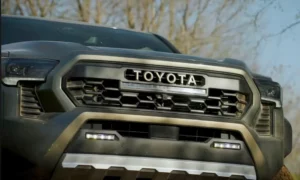
- Visual inspection: Check your sensors for dirt, debris, or damage. The Toyota emblem often houses the front radar sensor, so ensure it’s clean.
- Battery check: A weak battery can cause sensor communication issues. Make sure your battery is holding at least 12V.
- Clear codes and restart: Sometimes turning your car off for 10 minutes and restarting can temporarily clear minor glitches.
Professional Diagnosis
For accurate diagnosis, your mechanic will likely:
- Use an OBD-II scanner to retrieve error codes like P107A2A (ICS ECU failure) or C1A40 (sensor circuit faults)
- Perform a Techstream analysis to monitor data from the Advanced Parking Guidance module
- Test individual sensors for proper function and communication
How to Fix Toyota ICS Malfunction
Dealer Solutions
For most ICS issues, dealership repair is the most reliable option:
- ECU Reprogramming: This addresses most carwash-related false activations per Toyota’s TSB J0R and costs around $150-200 for programming time.
- Sensor Replacement: Genuine Toyota sensors (part number 86960-06120 for Camry models) cost approximately $200 each, plus 1.5-2 hours of labor for installation and calibration.
- Wiring Repairs: Fixing corroded connectors in bumper wiring assemblies can resolve electrical faults and typically costs $100-300 depending on damage extent.
DIY Approaches
While professional repair is recommended, some owners have successfully addressed minor issues:
- Clean sensors: Use a soft cloth and mild soap to clean ultrasonic sensors and the area around them.
- Check fuses: Locate and check the ICS fuse in your fuse box (typically a 10A fuse).
- Battery maintenance: Ensure your battery terminals are clean and connections are tight.
Is This Covered Under Warranty?
Toyota has issued several service bulletins related to ICS malfunctions, most notably TSB J0R which covered over 234,000 vehicles. This bulletin specifically addressed ECU programming issues causing false activations in carwashes.
Warranty coverage depends on:
- Your model year (2017-2019 models are most commonly covered)
- Vehicle age and mileage
- The specific nature of the malfunction
If your vehicle is affected by TSB J0R, the ECU reprogramming should be covered at no cost to you. For other issues, coverage will depend on whether your vehicle is still under Toyota’s basic warranty (typically 3 years/36,000 miles) or powertrain warranty (5 years/60,000 miles).
Models Most Affected by ICS Malfunctions
| Model | Years | Common Issues |
|---|---|---|
| Camry | 2018-2024 | False activations, sensor failures |
| RAV4 Prime | 2021-2023 | ECU communication errors |
| Prius | 2016-2020 | Carwash activation problems |
| Highlander | 2017-2021 | Sensor calibration drift |
| Corolla | 2019-2023 | Wiring harness corrosion |
Preventing Future ICS Malfunctions
Regular Maintenance
Keep your ICS system in top shape with these preventative measures:
- Clean sensors regularly: Every 3-6 months, clean the ultrasonic sensors with a soft cloth to remove dirt and debris.
- Inspect wiring: During oil changes, have your mechanic check the integrity of sensor wiring, especially if you live in areas with road salt or high humidity.
- Maintain battery health: A weak battery can cause numerous electrical issues, including ICS malfunctions.
Stay Updated on Recalls
Toyota regularly issues updates to address known issues:
- Check for recalls and service bulletins at Toyota’s owner support website
- Schedule dealer updates at least annually for models with VINs dating after 2019
- Keep documentation of all system updates performed on your vehicle
The Impact on Safety
While an ICS malfunction is annoying, it could also affect your vehicle’s safety performance. The system is designed to prevent low-speed collisions, particularly in parking lots where many accidents occur.
When functioning properly, Toyota’s data shows the ICS system can reduce parking lot accidents by up to 70%. However, a malfunctioning system might:
- Fail to detect actual obstacles
- Create distractions with false warnings
- Cause unexpected braking in inappropriate situations
Remember that while the system is helpful, it’s designed as a supplement to careful driving, not a replacement for it.
What Toyota Is Doing About ICS Problems
Toyota has taken several steps to address recurring ICS issues:
- Technical Service Bulletins: TSB J0R and others provide free repairs for specific known issues.
- Software Updates: Toyota continues to release firmware updates to improve system performance.
- Dealership Training: Specialized technician training for diagnosing and repairing ICS-related problems.
However, some owners report frustration with Toyota’s approach, citing inconsistent repair outcomes and difficulties getting dealers to acknowledge problems. Online forums show many owners have needed multiple dealer visits to resolve their ICS issues completely.
The Future of Toyota’s ICS Technology
Toyota continues to evolve its safety systems, and future improvements may include:
- More robust sensor designs resistant to environmental damage
- Over-the-air update capabilities to reduce dealership dependency
- Improved self-diagnostic capabilities to better identify system issues
For current Toyota owners, staying informed about updates and maintaining your vehicle properly are your best defenses against ICS malfunctions.
Remember that despite these issues, Toyota’s ICS system has prevented countless accidents and continues to be refined with each model year.