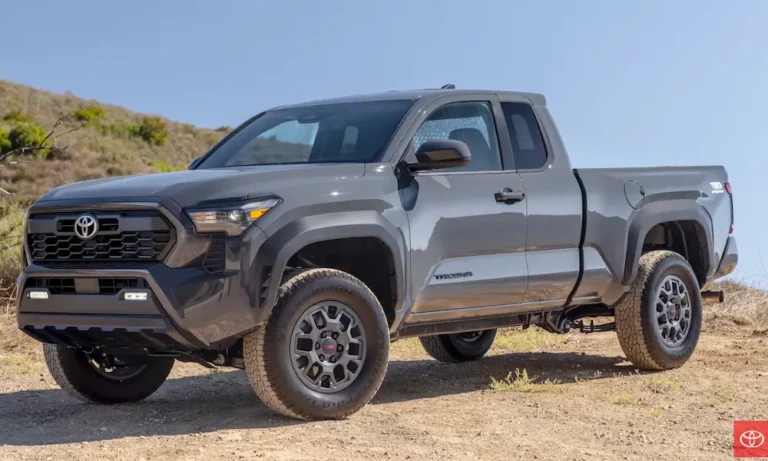
If you own a Toyota Tacoma, you’ve likely heard whispers about frame rust issues. This isn’t just routine maintenance talk – it’s one of the most expensive automotive recalls in history. With nearly 2.5 million vehicles affected and billions spent on repairs, the Toyota Tacoma frame recall is something every current or prospective owner should understand. Let’s dive into what happened, which models are affected, and what you can do if your truck shows signs of trouble.
The Toyota Tacoma Frame Recall Explained
The Toyota Tacoma frame recall represents a massive safety issue spanning over two decades. The problem? Premature frame corrosion that could literally cause trucks to break apart while driving.
Toyota has spent over $4 billion addressing this issue, making it one of the costliest automotive recalls ever. The severity varies by model year, with different programs offering everything from complete vehicle buybacks to preventative treatments.
Which Tacoma Models Are Affected?
The frame recall affects multiple generations of Toyota Tacomas, with different programs for different model years:
1995-2000 Tacomas: The Original Problem
For the first-generation Tacomas, Toyota identified a serious design flaw. These trucks used fully-boxed frames without proper drainage, trapping moisture and accelerating rust. The problem was so severe that Toyota took an unprecedented approach.
In 2008, Toyota announced a 15-year unlimited-mileage corrosion warranty covering over 813,000 vehicles. More impressively, they offered to buy back affected trucks for 1.5 times their Kelley Blue Book value – regardless of mileage or condition. This generous approach acknowledged that many vehicles were simply too damaged to repair safely.
2001-2004 Tacomas: The Extension
By November 2012, Toyota extended recall coverage to include approximately 150,000 Tacomas from model years 2001-2004. Unlike the earlier buyback program, these vehicles received frame replacement services rather than repurchase offers.
2005-2010 Tacomas: The Massive Settlement
The most extensive phase of the recall involved 2005-2010 Tacomas, which became subject to a class action lawsuit. In November 2016, Toyota agreed to pay approximately $3.4 billion to settle claims affecting an estimated 1.5 million vehicles, including Tacomas, Tundras, and Sequoias.
This settlement provided comprehensive frame inspections and replacements at no cost to owners, with coverage extending 12 years from the date of first use.
2011-2017 Tacomas: The Preventive Approach
For newer Tacomas, Toyota implemented a different strategy through Limited Service Campaign K0D and Customer Support Program ZKA, announced in 2019. This program focused on preventive measures, applying corrosion-resistant compound to frames in cold-weather states. Approximately 302,470 vehicles were covered.
What Causes Toyota Tacoma Frame Rust?
Understanding why Tacoma frames fail can help you spot problems early and take preventive action.
The Technical Problem
The fundamental issue affects Toyota Tacoma frames is premature corrosion caused by several factors:
- Design flaws: First-generation trucks used fully-boxed frames without adequate drainage, trapping moisture inside.
- Environmental exposure: Road salt in cold-weather states created particularly corrosive conditions.
- Inadequate protection: Early models lacked sufficient rust-proofing treatments.
This wasn’t just surface rust. The corrosion penetrated deep into the frame structure, creating holes that compromised the truck’s structural integrity. In severe cases, frames developed perforations larger than 10mm in diameter – Toyota’s threshold for frame replacement.
Safety Risks
The safety implications are serious and potentially life-threatening:
- Compromised frames can lead to structural failures while driving
- Vehicles could literally break apart or lose critical components
- Deterioration particularly affects areas around leaf spring mounts
- Broken springs could puncture fuel tanks or damage brake lines
How Toyota Addressed the Problem
Toyota’s response evolved significantly over time as they recognized the scale of the issue.
Evolution of Toyota’s Approach
Initially, Toyota offered generous buyback programs for the earliest affected vehicles. As the problem persisted in newer models, they shifted to comprehensive frame replacement programs.
These were massive undertakings – individual frame replacements cost approximately $15,000 per vehicle and required specialized technicians. Affected vehicles often remained at dealerships for weeks while work was completed.
Current Programs and Coverage
For the most recent affected model years (2011-2017), Toyota implemented a dual approach:
- Preventive treatment: Vehicles in cold-weather states receive corrosion-resistant compound application
- Replacement coverage: Trucks already showing significant perforation qualify for complete frame replacement
The cold-weather states covered by current programs include: Connecticut, Delaware, Illinois, Indiana, Kentucky, Massachusetts, Maryland, Maine, Michigan, Minnesota, New Hampshire, New Jersey, New York, Ohio, Pennsylvania, Rhode Island, Virginia, Vermont, Wisconsin, West Virginia, and the District of Columbia.
Financial Impact of the Toyota Tacoma Frame Recall
The scale of this recall is staggering from a financial perspective.
Record-Breaking Settlement Costs
The total cost exceeds $4 billion across all programs. The largest component was the 2005-2010 class action settlement, which allocated $3.4 billion for inspections, frame replacements, and associated costs.
Breakdown of Settlement Components
The class action settlement included:
- Approximately $3.375 billion for an estimated 225,000 frame replacements at $15,000 each
- $90 million for vehicle inspections at $60 per vehicle
- $9.75 million in attorney fees
- Additional costs for administration
Toyota also agreed to reimburse customers who had previously paid for frame repairs out of pocket, provided they could document their expenses.
Geographic Factors in the Toyota Tacoma Frame Recall
Not all Tacomas face the same risk. Location plays a crucial role in frame deterioration.
Cold-Weather State Focus
A critical aspect of the Tacoma frame corrosion issue is its geographic concentration in areas that use road salt for winter de-icing. Toyota’s recent recall programs specifically target cold-weather states, recognizing that environmental factors play a crucial role in frame deterioration.
Vehicles registered outside these designated states may not qualify for certain recall services, even if they show signs of frame deterioration.
Regional Variations in Coverage
This geographic approach has created complications for some vehicle owners, particularly those who have moved between states or purchased vehicles from different regions. Some owners report difficulties obtaining recall services if their vehicle wasn’t originally registered in a cold-weather state, even if they later moved to an affected area.
How to Check If Your Tacoma Is Eligible for Frame Recall Service
If you own a Toyota Tacoma, you should determine whether your vehicle is eligible for recall services.
Checking Recall Eligibility
You can check your vehicle’s recall status through several methods:
- Use Toyota’s official VIN lookup system at toyota.com/recall
- Contact Toyota’s Customer Experience Center at 1-888-270-9371
- Speak with your local Toyota dealership’s service department
For 2011-2017 models, note that eligibility for frame replacement coverage depends on having the initial corrosion-resistant compound treatment completed within the specified timeframe. Vehicles that don’t receive the preventive application lose eligibility for future frame replacement coverage.
Warranty and Coverage Periods
Coverage periods vary by model year and program:
- 1995-2000 models: 15-year coverage from original purchase date
- 2005-2010 models: 12-year coverage from date of first use
- 2011-2017 models: 12-year coverage, but only for vehicles that receive required preventive treatment
What to Look For: Signs of Frame Damage
Even if your Tacoma isn’t part of a recall program, you should regularly inspect for frame damage.
Visual Inspection Points
Here are key areas to check for rust and corrosion:
- Leaf spring mounting points: Look for flaking rust, cracks, or deformation
- Frame rails: Inspect the entire length for rust perforation or scaling
- Cross members: Check for rust-through or structural weakness
- Suspension mounting points: These high-stress areas often show damage first
Use a flashlight to look inside frame rails where possible. Scaling rust (rust that flakes off in layers) indicates advanced corrosion that may compromise structural integrity.
DIY Inspection Methods
A simple method to check for serious frame damage:
- Use a screwdriver with a rubber handle
- Gently tap suspected rust areas – a solid “ping” is good
- If you hear a dull thud or the screwdriver penetrates the metal, you have significant corrosion
Remember: Surface rust is normal on older vehicles, but flaking, scaling, or holes indicate serious problems that need professional attention.
What To Do If Your Coverage Has Expired
Many Tacoma owners discover frame problems after their recall coverage has expired.
Limited Options
Toyota generally takes a firm stance that expired programs cannot be reinstated. For owners facing frame problems on vehicles outside recall coverage, options include:
- Seeking independent frame repair services (costing $10,000-$20,000 or more)
- Selling the vehicle for scrap or parts value
- Attempting to work with Toyota customer service (with varying success)
The high cost of frame replacement often exceeds the value of older vehicles, making repair economically unfeasible for many owners.
Working With Toyota Corporate
Some owners report success by:
- Documenting the problem thoroughly with photos and video
- Contacting Toyota’s corporate customer service directly
- Being persistent and escalating to supervisors when necessary
- Emphasizing safety concerns and your loyalty as a Toyota customer
While not guaranteed, some owners have received goodwill assistance even after technical coverage expiration.
How Toyota Improved Later Models
The Tacoma frame recall prompted significant changes in Toyota’s design and manufacturing processes.
Design and Engineering Changes
Later generation vehicles incorporated several improvements:
- Moving away from fully-boxed frame construction to open C-section rails that allow better drainage
- Improved rust-proofing processes and materials
- Better sealing of hollow sections
- More effective protective coatings
These changes have significantly reduced frame corrosion issues in newer models, though careful maintenance is still important for long-term durability.
Final Thoughts: What Toyota Tacoma Owners Should Do Now
If you own a Toyota Tacoma, take these steps immediately:
- Check your recall status: Use Toyota’s official recall lookup tool with your VIN
- Inspect your frame: Look for signs of serious corrosion or structural damage
- Document everything: Take dated photos of any frame issues you find
- Contact your dealer: Schedule an inspection if you’re within the coverage period
- Stay proactive: Even if your truck isn’t currently affected, regular inspections and maintenance can prevent future problems
The Toyota Tacoma frame recall highlights how critical frame integrity is to vehicle safety. By staying informed and proactive, you can protect your investment and ensure your truck remains safe for years to come.