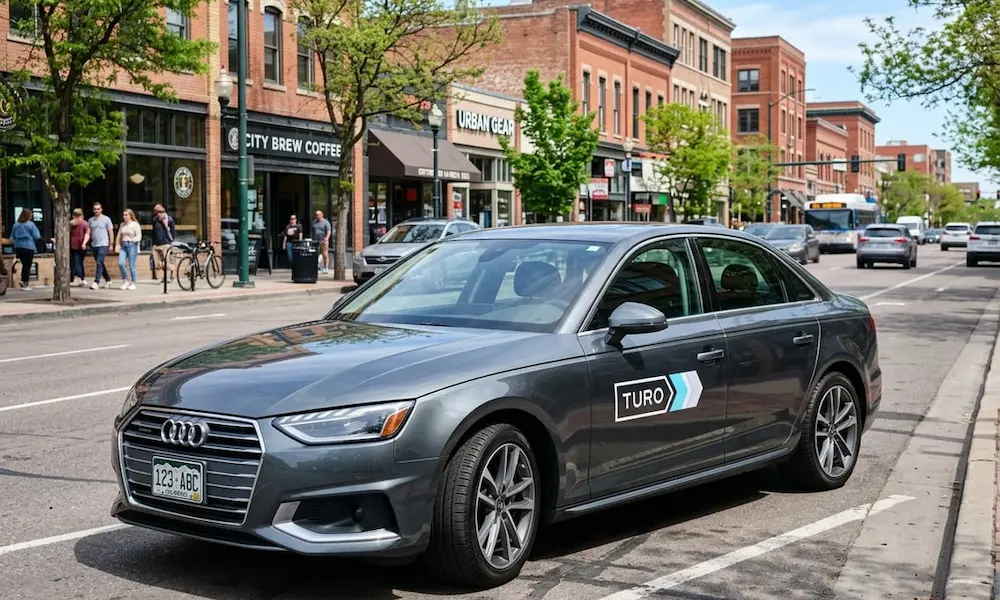
Whether you’re a traveler who needs a quick set of wheels or a driver looking to earn without buying a car, the Uber rental car program might be exactly what you need. But it’s not a one-size-fits-all deal. The rules, costs, and insurance coverage change depending on how you use it. Read on to get the full picture before you commit.
Two Programs, Two Very Different Goals
The Uber rental car program actually splits into two completely separate tracks. Most people don’t realize this, and that confusion can cost them.
Uber Rent is for regular users who need a car for personal travel, errands, or a weekend trip. You book it through the standard Uber app, compare prices across more than 1,700 providers, and pick up your keys at the counter.
The Vehicle Marketplace is for driver-partners only. You access it through the Uber Driver app. It gives drivers a vehicle that meets rideshare standards, with commercial insurance already baked in.
Here’s the critical rule: you can’t use a personal Uber Rent vehicle for rideshare or delivery. The insurance policy on a personal rental flat-out excludes commercial use. If you try it anyway, you’re driving uninsured.
| Feature | Uber Rent (Personal) | Vehicle Marketplace (Professional) |
|---|---|---|
| Who it’s for | Travelers & general users | Approved Uber driver-partners |
| App used | Uber Rider App | Uber Driver App |
| Key partners | Avis, Budget, Hertz, Sixt | Hertz, Avis, Getaround, Kinto |
| Rental period | Hourly, daily, or weekly | Weekly (auto-renewing) |
| Insurance model | Personal liability / optional CDW | Commercial TNC policy included |
| Maintenance | Rental agency handles it | Included in weekly rate |
| Rewards | 10% back in Uber One Credits | Ride target credits |
How Uber Rent Works for Personal Use
Uber Rent lets you compare vehicles from major brands all in one place. You open the “Rental Cars” section in the app, enter your pickup location and dates, and browse options by vehicle class. Economy compacts, full-size SUVs, luxury sedans — it’s all there.
Pricing changes based on location, season, and availability. The platform offers two payment options:
- Pay Now: Usually cheaper, but cancellations come with stricter fees
- Pay at Counter: More flexible for last-minute changes, but often costs a bit more
What You Need at Pickup
When you arrive at the rental counter, bring these:
- A valid driver’s license
- A major credit card in your name
- Your confirmation details from the app
The minimum age on the Uber platform is 18, but individual suppliers often require renters to be 21 or 25. Drivers under 25 almost always pay a young driver fee on top of the daily rate. That fee adds up fast, so factor it into your budget before you book.
The Car Delivery Feature Is Genuinely Useful
One of the most clever features in the Uber rental car program is Car Delivery. Instead of traveling to a rental lot, an Uber courier drives the car to your door and picks it up when you’re done.
You track the delivery in real time through the app, just like a regular Uber ride. It’s currently available in select cities, with Washington, D.C. as one of the first markets.
| Car Delivery Details | Requirements |
|---|---|
| Minimum renter age | 25 years old |
| Advance booking needed | Minimum 2 hours before delivery |
| Free cancellation window | Up to 2 hours before scheduled arrival |
| Availability | Select cities only |
| Tracking | Real-time GPS in the Uber app |
How the Driver-Partner Rental Program Works
The Vehicle Marketplace removes a huge barrier for people who want to drive for Uber but don’t own a car. You rent week-to-week through approved partners, and the vehicle already meets Uber’s standards.
Hertz: The Main Partner for Full-Time Drivers
Hertz is the dominant partner for high-volume drivers. Weekly rates start around $240–$260, plus a $200 refundable security deposit. The big incentive? If you complete 75 or more trips in a week, ride credits can effectively wipe out your rental cost for that week.
Hertz also offers Tesla Model 3 and Model Y vehicles for drivers who want to go electric. These come with a higher minimum age requirement of 25, and Tesla Supercharging fees get added directly to your weekly invoice.
Avis: A Flexible Option for Multi-Week Drivers
Avis focuses on flexibility. You rent weekly, keep the same car for up to 56 days, and then swap or return it. No security deposit required for eligible drivers, which makes starting easier. Vehicles tend to be mid-size sedans like the Nissan Altima or Hyundai Sonata.
Getaround: Best for Part-Time and Weekend Drivers
If you only want to drive during peak hours or weekend surges, Getaround’s hourly model makes more financial sense. Rates start as low as $4 per hour. You unlock the car through the app, and the rental includes unlimited mileage for rideshare activity. It also covers the vehicle when your Uber app is offline — a gap that standard policies often miss.
| Partner | Best For | Deposit | Minimum Term | Standout Feature |
|---|---|---|---|---|
| Hertz | Full-time / high volume | $200 | 7 days | Tesla EV option + ride credits |
| Avis | Flexible multi-week | Usually $0 | 7 days | 56-day same-car period |
| Getaround | Part-time / weekends | Varies | 1 hour | Hourly pricing, app-unlock |
| Kinto Share | Premium tier drivers | Varies | Varies | Toyota / Lexus vehicles |
Understanding the Insurance Coverage (This Part Really Matters)
Insurance is the most complicated piece of the Uber rental car program — and the most important. Coverage doesn’t stay the same throughout your day. It shifts depending on what you’re doing in the app.
The Three-Period Coverage Model
The industry uses a three-period model to define what’s covered and when:
- Offline / Personal Use: Only the rental agency’s basic policy applies. This usually just meets state minimums. Your personal auto insurance won’t help — it excludes rideshare activity entirely.
- Period 1 – App On, No Ride Accepted: Uber provides secondary liability coverage ($50K/$100K/$25K), but it doesn’t cover damage to your rental vehicle.
- Period 2 – Ride Accepted, En Route to Pickup: Coverage jumps to $1 million in third-party liability. Uber also provides contingent collision and comprehensive coverage, but the deductible can reach $2,500.
- Period 3 – Passenger in the Car: The $1 million liability coverage stays active until you complete the trip in the app.
The Gap Between Personal Use and Period 1
There’s a real vulnerability between Personal Use and Period 1. If you’re at fault in a serious accident while offline, the rental agency’s basic insurance may not protect your personal assets at all.
Supplemental Liability Insurance (SLI) can raise your personal-use liability limit to $1 million. For most drivers, it’s worth the extra cost.
| Coverage Type | What It Covers | During Trips | Personal Use |
|---|---|---|---|
| TNC Liability | Injuries to others and their property | $1M (Uber provides) | Not active |
| Collision / LDW | Damage to the rental car | Usually bundled | Optional add-on |
| SLI | High-limit personal liability | Highly recommended | Highly recommended |
| PAI / PEP | Personal medical / belongings | Optional | Optional |
Is the Uber Rental Car Program Actually Worth It Financially?
Let’s be direct: renting is expensive compared to owning. But context matters.
A Hertz rental costs roughly $260 per week. Add in fuel ($100–$200), tolls, and miscellaneous fees, and your weekly overhead is close to $450–$500. Based on typical earnings, most drivers need to put in 25–35 hours per week just to break even.
| Weekly Numbers at 40 Hours | Estimated Amount |
|---|---|
| Gross earnings | $1,000 |
| Rental fee | -$260 |
| Fuel / charging | -$150 |
| Tolls and misc | -$40 |
| Net income | $550 |
Over a full year, renting through Uber costs roughly $13,520. Owning a solid used car — including insurance, maintenance, and a car payment — typically runs $5,000–$7,000 annually. The math clearly favors ownership if you plan to drive long-term.
When Renting Still Makes Sense
Renting beats owning in three specific scenarios:
- Testing the waters: You want to try ridesharing for a month without taking on a car loan
- Tier access: You need a luxury vehicle for Uber Black or Comfort but don’t have $40,000 sitting around
- Credit barriers: You can’t secure auto financing but have consistent weekly cash flow
State Laws Affect What You Pay
The Uber rental car program doesn’t cost the same everywhere. State insurance mandates directly impact rental pricing. New Jersey requires up to $1.5 million in coverage for TNC vehicles. California requires $1 million. In those states, insurance costs bake into your weekly rental rate at a noticeably higher level than in states with lower minimums.
Car Delivery availability is also state-by-state and city-by-city. It launched in Washington, D.C., and expansion to cities like New York, Los Angeles, and Chicago follows individual regulatory approvals.
Deposits, Payments, and What Gets Rejected
Personal renters typically face a deposit authorization of $500–$1,000 on a credit card. Driver-partners pay a standardized $200 deposit.
You must return the car with the fuel tank at the agreed level and in clean condition. Short on fuel or returning with damage? You lose the deposit and face additional billing.
On payments: most partners accept major credit cards. Some accept debit cards after a soft credit check that doesn’t affect your score. Prepaid and stored-value cards? Rejected across the board — no exceptions.
How Uber One Members Earn on Rentals
Uber One members earn 10% back in credits on every personal car rental booked through the app. Credits land in your wallet after the rental is complete. You can spend them on Uber rides or Uber Eats orders.
Two things to know:
- Credits expire 60 days after they’re issued
- They’re non-transferable and can’t be converted to cash
It’s a solid perk if you already use Uber regularly. If you’re signing up purely for rental credits, do the math on whether the membership fee pays for itself.
The Electric Vehicle Push Is Real
Uber has committed to becoming a zero-emissions platform by 2030 in major U.S. cities. The Hertz-Tesla partnership is central to that plan. By making EV rentals accessible at a weekly rate, Uber shifts the capital risk of fleet electrification to its rental partners while giving drivers access to vehicles they couldn’t otherwise afford.
The Car Delivery valet service also hints at something bigger. Moving vehicles between hubs and users via couriers today is laying the groundwork for autonomous fleet management tomorrow. The Work Hub coordinating human drivers now is the same infrastructure that’ll manage self-driving vehicles when they’re ready to scale.