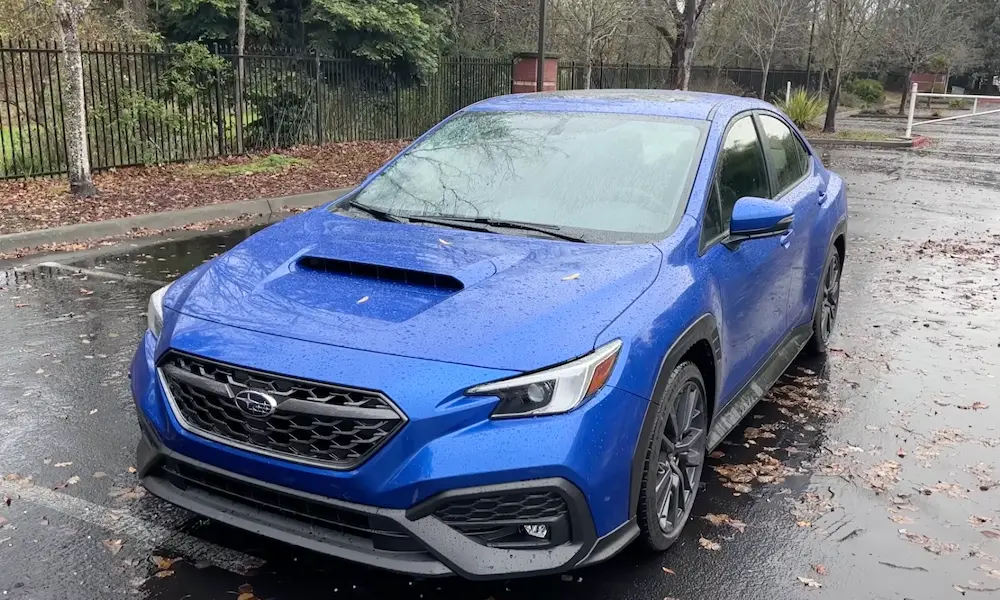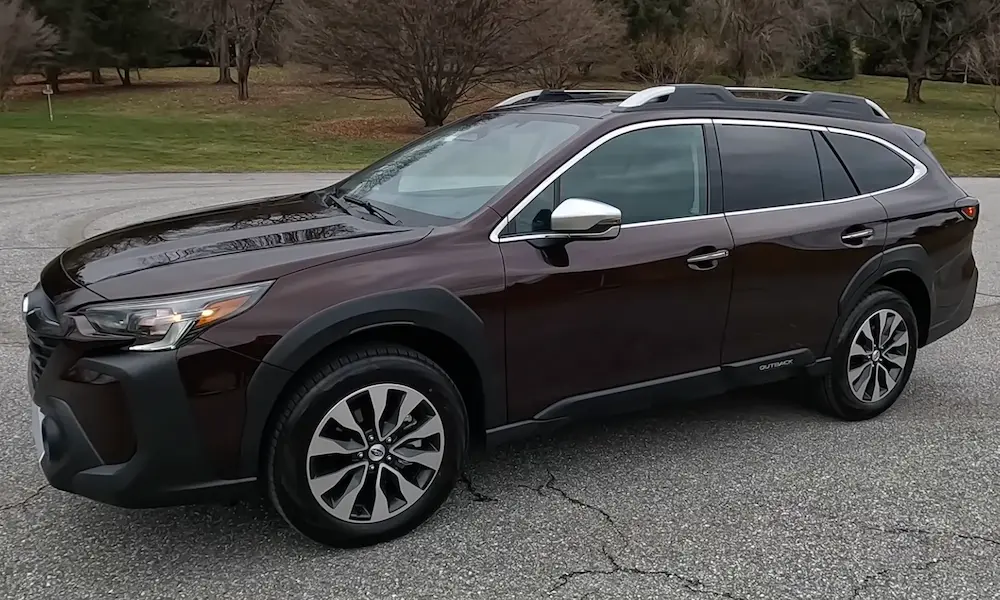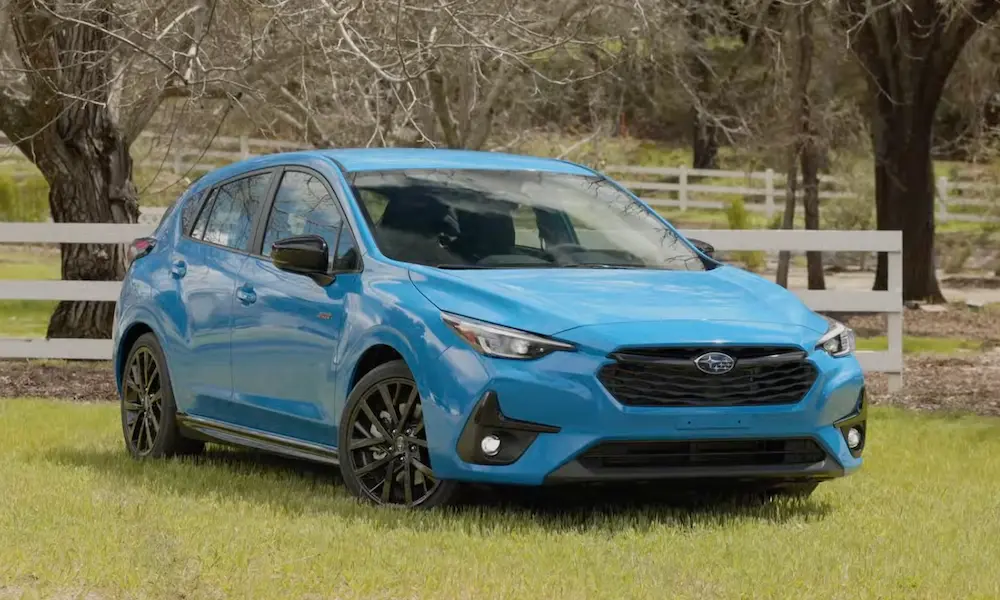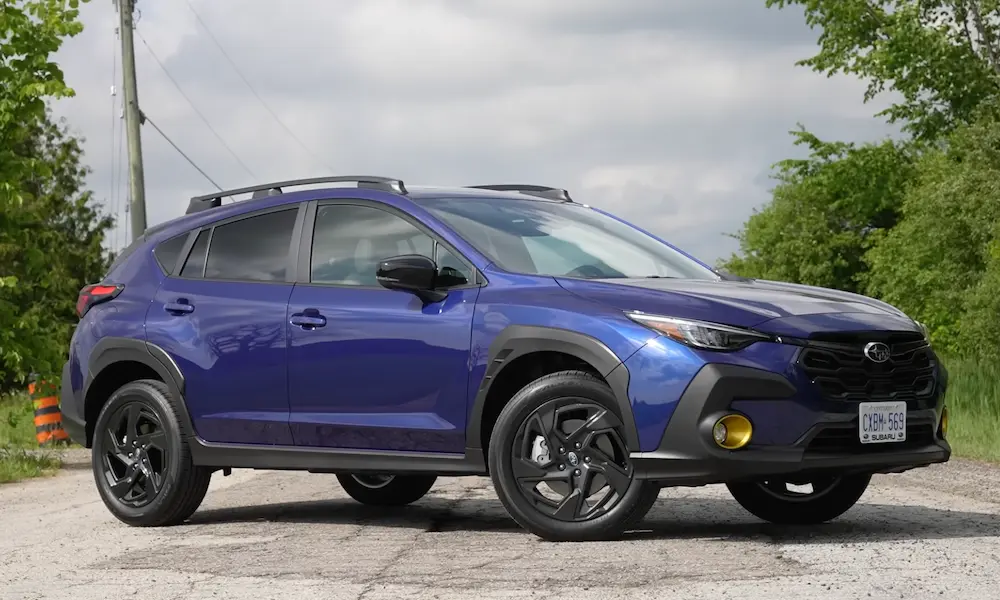
Think your Subaru’s AC smells musty, or the airflow feels weak? A dirty cabin air filter is usually the culprit. The good news? You can fix it yourself in under 15 minutes — no tools needed — and save up to $135 in the process. Stick around and we’ll walk you through everything you need to know.
Why Your Subaru Cabin Air Filter Actually Matters
Most people think the cabin air filter just keeps out dust. It does that, but it also protects your blower motor and evaporator core from damage.
Here’s what happens when you ignore it:
- The blower motor overheats. A clogged filter forces the motor to work harder. It spins faster, draws more current, and burns out prematurely. Replacing that motor costs several hundred dollars.
- Mold grows on the evaporator. Restricted airflow lets moisture linger on the evaporator surface. That’s where the musty smell comes from.
- Your fuel economy drops. The AC compressor works longer to reach your set temperature, adding parasitic load to the engine.
- Your health takes a hit. The cabin filter is your only defense against pollen, diesel soot, and fine dust. For allergy sufferers, a clogged filter means sneezing behind the wheel — and that’s a real safety issue.
Bottom line: this isn’t just a comfort item. It’s a critical part of your HVAC system.
How Often Should You Replace It?
Subaru’s factory-recommended interval is every 12 months or 12,000–15,000 miles. But that’s based on “normal” driving conditions, which may not apply to you.
Here’s a practical guide:
| Service Interval | Required Action | Why It Matters |
|---|---|---|
| 6,000 miles | Inspect the filter | Catch early clogging from heavy pollen or dust |
| 12,000 miles | Replace the filter | Prevents blower strain and odor buildup |
| 30,000 miles | Full HVAC check | Keeps the evaporator free of microbial growth |
| 60,000 miles | Major system service | Check ducting integrity and fan balance |
Shorten your interval if you:
- Drive through wildfire smoke or during Santa Ana wind events in California
- Commute on heavy diesel corridors like I-95 or I-10
- Live in the Southeast, where humidity accelerates mold growth
- Park under trees in the Midwest or Northeast during maple and pine seasons
In high-particulate regions like California’s Inland Empire, filter lifespan can drop by 20–30% compared to normal conditions.
Which Cabin Air Filter Should You Buy?
Not all filters are equal. Here’s a quick breakdown:
| Filter Type | Capture Efficiency | Best For |
|---|---|---|
| Standard Particulate | 90–95% at 0.3 microns | General use, moderate environments |
| HEPA | 99.97% at 0.3 microns | Allergy sufferers, urban commuters |
| Activated Carbon | Varies | Odors, diesel exhaust, ozone |
| Antimicrobial Coated | Varies | Humid climates prone to mold |
If you live in a city with heavy truck traffic, an activated carbon filter traps diesel particulate matter far better than a standard filter. Carbon pores act as a molecular sieve for the complex organic compounds attached to exhaust particles.
For allergy sufferers in the “Allergy Belt” — stretching from the Great Plains to the Ohio River Valley — a HEPA-grade filter from Bosch or a similar brand offers the best protection during peak pollen seasons.
Quick part number guide:
- 2008–2016 Impreza, 2009–2018 Forester, 2013–2017 Crosstrek: 72880FG000
- 2019+ Ascent, 2018+ Crosstrek, 2020+ Outback/Legacy: 72880FL000 or 72880FL00A
- 2023–2025 Solterra: 87139-42050 (also fits Toyota RAV4/Camry)
Important: Don’t swap the FG000 into a vehicle designed for the FL000. The half-inch gap lets pollen and debris bypass the filter entirely.
Always confirm the correct part using your VIN, since mid-year production changes can affect sizing within the same model year.
The “UP” Arrow vs. the “Airflow” Arrow — Get This Right
This trips up a lot of people, and installing the filter backwards causes it to clog prematurely.
Here’s the rule:
- OEM Subaru filters use an “UP” arrow — point it toward the roof. It’s an orientation marker, not an airflow marker.
- Aftermarket filters (Fram, Bosch, STP) use an “Airflow” arrow — point it toward the floor.
In virtually every modern Subaru — Crosstrek, Forester, Outback, Impreza, Ascent — the blower motor sits below the filter and draws air downward. Air comes in through the cowl at the base of the windshield, passes through the filter, and flows down into the fan.
Not sure which way air flows? Try the leaf test: remove the filter, turn the fan on, and hold your hand over the housing. You’ll feel a clear downward pull.
Step-by-Step: Subaru Cabin Air Filter Replacement (Most Models 2008+)
This process applies to the Forester, Outback, Crosstrek, Impreza, WRX, Ascent, and Legacy built on modern platforms. No tools required.
Step 1: Empty the Glove Box Completely
Don’t skip this. The glove box swings down past its normal stop point, and anything inside will land on the floor.
Step 2: Disconnect the Damper Arm
On the right side of the glove box, there’s a small plastic support arm (sometimes called a tensioner or strut). Slightly close the glove box to relieve tension, then slide or push the arm off its post. If you skip this step, you’ll snap the plastic mounting point when the box drops.
Step 3: Release the Side Stoppers
Squeeze both sides of the glove box inward at the same time. This flexes the plastic enough to clear the dashboard frame. The box will swing down on its bottom hinges. On many models — including the 2018–2024 Crosstrek and 2020–2025 Outback — the glove box detaches completely. That’s normal.
Step 4: Open the Filter Housing
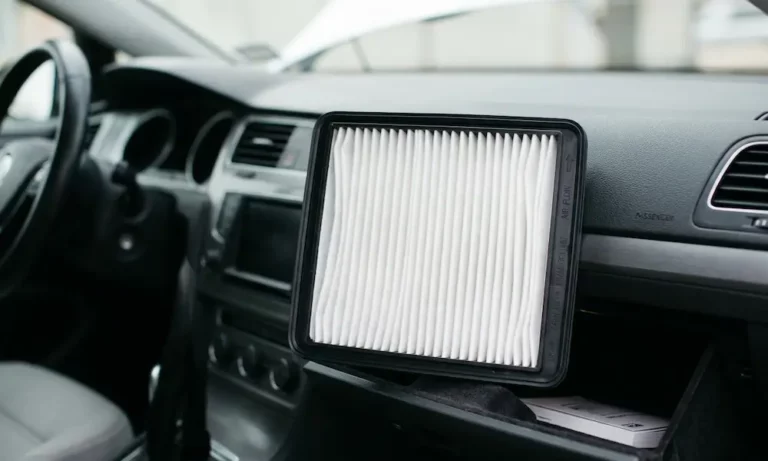
The rectangular housing is now visible behind the glove box. Two clips secure the cover — squeeze them inward to release the door.
Step 5: Remove the Old Filter Carefully
Slide the filter out slowly and keep it level. The blower fan sits directly below. If you tilt the filter, leaves, pine needles, or debris will fall straight into the fan — and that causes imbalance, vibration, and eventually bearing failure.
Step 6: Clean the Housing
Vacuum or remove any debris by hand before inserting the new filter. Old debris sitting in a clean housing can immediately puncture the new media.
Step 7: Install the New Filter
Verify your arrow direction (UP toward roof for OEM, Airflow arrow toward floor for aftermarket). Slide the filter into the tracks until it’s flush. Snap the housing cover back on until both clips click.
Step 8: Reassemble
Re-align the glove box hinges, push the box up past the side stoppers, and re-attach the damper arm. Done.
Model-Specific Notes You Should Know
2015–2021 WRX and WRX STI
The side stopper tolerances are tighter than on the standard Impreza. Expect to use a bit more force to flex the plastic clear of the frame. A clean filter matters here — restricted airflow reduces window defog performance, which is a real problem during track days or bad weather driving.
2019–2025 Subaru Ascent
The Ascent moves more air through its HVAC system than smaller Subaru models. Higher face velocity pushes debris deeper into the filter media faster. The glove box also tends to accumulate more items, so the “empty it first” step is especially important here. Stick to a 12,000-mile max interval.
2023–2025 Subaru Solterra (EV)
The Solterra uses a top-loading clip housing rather than side-squeeze tabs. The filter access is still through the glove box. Despite the electric drivetrain, the cabin filtration requirements are identical to ICE models.
2004–2007 Impreza and WRX (GD Generation)
This one’s different — and significantly more involved. You’ll need a Phillips screwdriver and about nine fasteners to remove: one plastic clip, two screws at the bottom, five perimeter screws, and two screws deep inside the bin. You’ll also need to disconnect a glove box light connector. The whole assembly comes away from the dashboard before you can reach the housing tabs.
If this car has never had its filter changed, expect the original to be black and potentially disintegrating. Flakes of old filter media inside the evaporator box will permanently reduce HVAC efficiency, so a thorough cleaning is worth doing alongside the replacement.
DIY vs. Dealership: The Math Is Pretty Clear
Dealerships charge between $65 and $150 for a cabin air filter replacement. Some owners have been quoted over $220 when bundled with the engine air filter. Most of that cost is labor on a flat-rate billing system — even if the tech finishes in five minutes.
| Where You Buy | Part Cost | Labor | Total |
|---|---|---|---|
| Subaru Dealership | $25–$40 | $40–$110 | $65–$150 |
| Auto Parts Store (STP/Fram) | $15–$25 | $0 (DIY) | $15–$25 |
| Online OEM Part | $19–$28 | $0 (DIY) | $19–$28 |
| HEPA or Carbon Filter | $35–$50 | $0 (DIY) | $35–$50 |
DIY saves you up to 75% per replacement. At one replacement per year, that’s real money over the life of the vehicle.
One more thing: watch out for “HVAC System Service” or “Passenger Cabin Sanitization” line items in dealer service bundles. Those often mean a filter swap and a disinfectant spray. Ask for an itemized list and do the filter yourself — let the dealer handle the brake inspections and fluid checks.
Quick Reference: Best Practices by Region
Different parts of the US create different demands on your filter.
- Pacific Northwest / Midwest / Northeast: Pine needles and maple seeds love getting past the cowl screen. Pull the filter out level to avoid dumping debris into the fan.
- Southeast (Florida, Georgia, Carolinas): Humidity accelerates mold on filter media. Expect musty smells well before 12,000 miles. Switch to a 6-month or 7,500-mile cycle and consider an antimicrobial-coated filter.
- California (wildfires, Santa Ana winds): A single major event can load the filter with ash and mineral dust equivalent to months of normal driving. Inspect after every major event.
- Southwest (Arizona, Nevada, New Mexico): Fine mineral dust is abrasive. It wears plastic ductwork and blower blades. Use a dry media filter — oiled performance filters get “muddy” in these conditions.
- Urban I-95 / I-10 Corridor: High diesel particulate matter. An activated carbon filter is worth the extra cost.
Your filter doesn’t know what the calendar says. It only knows what it’s been breathing through — so let your conditions, not just your odometer, guide your replacement timing.