Thinking about buying a truck with a 3.0 Duramax? Smart move — but you need the full picture first. This engine has real strengths, a few expensive quirks, and some active defects that could cost you thousands. Read this before you sign anything.
What Is the 3.0 Duramax, Exactly?
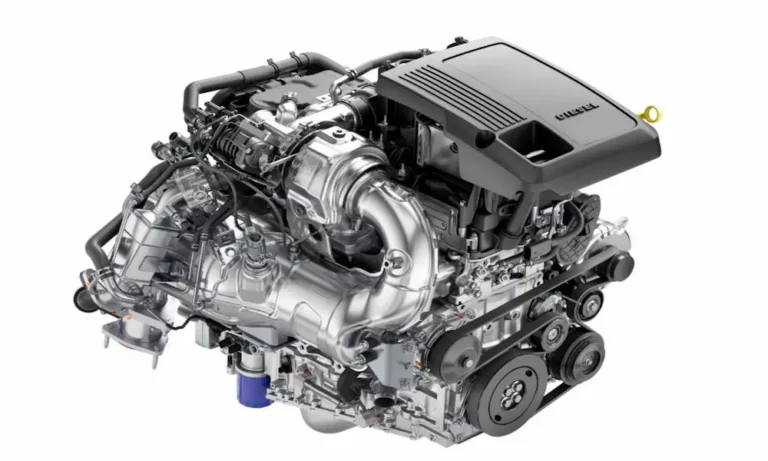
The 3.0 Duramax is a turbocharged inline-six diesel engine that GM builds for half-ton trucks and full-size SUVs. You’ll find it in the Chevrolet Silverado 1500, GMC Sierra 1500, Tahoe, Suburban, Yukon, and Cadillac Escalade.
It’s the only surviving light-duty diesel in the half-ton truck segment. Ford killed its 3.0 Power Stroke after 2021. Ram pulled the EcoDiesel entirely after catastrophic engine failure complaints buried its reputation. The Duramax outlasted both.
There are two generations:
- LM2 — 2019 to 2022, 277 hp, 460 lb-ft of torque
- LZ0 — 2023 to present, 305 hp, 495 lb-ft of torque
| Spec | LM2 (2019–2022) | LZ0 (2023–Present) |
|---|---|---|
| Horsepower | 277 hp | 305 hp |
| Torque | 460 lb-ft | 495 lb-ft |
| Pistons | Aluminum | Forged steel |
| Coolant valves | Three | Two |
| Oil pump belt interval | 150,000 miles | 200,000 miles |
| Max towing capacity | 9,300 lbs | 13,200 lbs |
The inline-six layout gives it smoother operation than the V6 diesels Ford and Ram used. It hits peak torque at just 1,500 RPM, so it moves heavy loads without straining. Highway fuel economy can exceed 30 MPG in certain configurations.
That’s the good news. Now let’s talk about what actually breaks.
The LZ0 Thrust Bearing Problem: The Most Serious Issue Right Now
This is urgent if you own a 2025 or 2026 Silverado or Sierra with the LZ0 engine.
GM’s Technical Service Bulletin 25-NA-307 documents a severe crankshaft thrust bearing defect. Engines are failing catastrophically — sometimes before 3,000 miles.
What’s Actually Happening
The thrust bearing controls how much the crankshaft moves side to side inside the block. A healthy engine allows a maximum of 0.316 mm of movement. In failing LZ0 engines, that movement exceeds 0.635 mm.
When the crankshaft shifts that violently, it hammers the main bearings, the oil pump, and the aluminum block. Metal shrapnel circulates through the entire engine. It’s over in minutes.
Warning Signs to Watch For
- Deep knocking sound near the bellhousing
- Low oil pressure warning on the dashboard
- Check engine light with code P06DD
- Copper or silver metallic flakes inside your oil filter
- Transmission slamming into limp mode with harsh shifts
What GM Is Doing About It
Dealers measure crankshaft end-play using a dial indicator. If it’s out of spec, GM replaces the entire long-block assembly under the 8-year/100,000-mile powertrain warranty.
The catch? Replacement engines are backordered. Owners are waiting 10 to 16 weeks for repairs. If your vehicle sits at a dealer for 30 cumulative days, you may have rights under state lemon laws — including California’s Song-Beverly Act, which can trigger a mandatory buyback.
Important warning: If you’ve installed aftermarket tunes or removed emissions equipment, GM may deny your warranty claim entirely. Out-of-pocket engine replacement runs $10,000 to $18,000.
| Symptom | Diagnosis | Repair Cost (No Warranty) |
|---|---|---|
| Bellhousing knock | End-play over 0.635 mm | Up to $18,000 |
| Code P06DD | Metal debris in oil filter | Up to $18,000 |
| Low oil pressure | Scored crankshaft journals | $5,000–$8,000 |
| Transmission limp mode | Bearings worn, journals intact | $2,000–$3,000 |
The Oil Pump Belt: Expensive, But Predictable
Here’s the design choice that gets everyone’s attention. Instead of using a steel gear or chain to drive the oil pump, GM used a rubber belt. It sits at the back of the engine, submerged in oil — called a wet belt design.
If that belt snaps while the engine runs, oil pressure drops instantly. The turbo, bearings, and connecting rods destroy themselves within seconds.
Replacement Intervals
- LM2: Replace at 150,000 miles
- LZ0: Replace at 200,000 miles (same belt, longer interval)
The belt itself costs under $30. The problem is getting to it. Technicians must:
- Remove the entire transmission
- Remove the exhaust backpressure valve
- Pull the starter motor and flexplate (single-use bolts, must be replaced)
- Remove the rear engine cover
That’s approximately 15 hours of labor. Add fluid refills, single-use fasteners, and dealership rates — total cost hits around $3,000.
The good news? High-mileage owners report the belts regularly survive past the recommended interval without snapping. It’s a scheduled cost, not a surprise failure.
LM2-Specific Problems (2019–2022 Owners)
Reluctor Wheel and No-Start Issues
LM2 owners frequently reported a maddening problem: the truck would crank for several seconds before starting, or refuse to start at all.
The cause was a manufacturing tolerance issue with the exhaust camshaft reluctor wheel — the sensor ring that tells the ECM exactly where the engine is in its rotation. When it shifted out of phase, it triggered codes P0014, P0017, P0365, and P0366. The ECM shut off the fuel injectors as a safety measure.
GM’s fix came in two stages:
- TSB 21-NA-268 — Physical inspection and potential camshaft replacement (sometimes requiring cab removal — 40 to 50 labor hours)
- TSB 20-NA-218 — Software update widening tolerance parameters so the engine starts even with minor reluctor drift
The LZ0 received an updated reluctor wheel design that permanently resolved the issue.
Coolant Control Valve Failures
The LM2 uses three electronic coolant control valves to route coolant to the heater core, engine block, and transmission cooler. These valves fail regularly on both the LM2 and LZ0, causing overheating or a dead cabin heater in winter.
Replacing the primary valve requires:
- Significant front engine bay disassembly
- Radiator removal
- Full AC system evacuation and recharge
- 10 to 20 hours of labor depending on who you ask
Total repair cost: $3,000 to $6,000 for out-of-warranty vehicles. Replacement parts frequently go on national backorder, leaving owners without their trucks for months.
Emissions System: The Source of Most Check Engine Lights
Every modern diesel carries a full emissions stack — Diesel Oxidation Catalyst, Diesel Particulate Filter (DPF), Selective Catalytic Reduction (SCR), and Exhaust Gas Recirculation (EGR). The 3.0 Duramax is no exception.
DEF System Errors
The SCR system injects Diesel Exhaust Fluid into the exhaust to neutralize nitrogen oxides. When the sensors fail, you get a “Service Emission System” warning. Ignore it long enough and the truck drops to 4 MPH limp mode until a dealer services it.
A specific software bug caused owners to get false “DEF Tank Empty” warnings while towing up steep grades — despite full tanks. GM traced it to a logic error in the Reductant Control Module. TSBs 24-NA-196 and 22-NA-150 address the software fix.
Particulate Filter and Short-Trip Driving
The DPF captures soot from combustion. Periodically, the ECM burns it off through active regeneration — raising exhaust temps above 1,000°F. If you mostly drive short city trips, the exhaust never gets hot enough. The DPF clogs faster, forced regeneration cycles become constant, fuel economy tanks, and diesel fuel washes into your oil.
A fully clogged DPF replacement easily exceeds $4,000. The fix is simple: drive at highway speeds under moderate load for at least 30 minutes regularly.
The Transmission Recall You Need to Know About
In late 2024, GM issued Safety Recall N242454440 covering 462,000 diesel vehicles — 2020 through 2022 Silverado, Sierra, Tahoe, Suburban, Yukon, and Escalade models.
The problem: a transmission control valve wears down over time. Hydraulic pressure drops. In rare cases, a downshift from 8th gear causes the transmission to mechanically bind, locking the rear wheels at highway speeds. Owners reported violent skidding while towing trailers.
The software fix reprograms the TCM to detect the failing valve about 10,000 miles before it becomes dangerous. It limits the truck to 5th gear and displays a “Reduced Propulsion” warning, giving you time to get to a dealer safely.
Check if your truck is affected: Visit NHTSA’s recall database and enter your VIN.
How Does 3.0 Duramax Reliability Compare to the Competition?
Against the 6.2L V8 (L87)
The 6.2L V8 makes more horsepower (420 hp) but has its own serious problems. The Active Fuel Management lifter system fails constantly — collapsed lifters bend pushrods and destroy camshafts. In April 2025, GM issued a recall covering 721,000 vehicles for defective connecting rods and crankshafts that cause engines to seize — or throw a connecting rod through the block.
Compared to that? The Duramax looks solid.
Against the 2.7L TurboMax
The TurboMax is cheaper upfront and runs on regular gasoline. But it suffers from severe carbon buildup on intake valves (a direct injection issue) and a 2023 recall for a cracked engine block causing catastrophic oil leaks. Under heavy towing loads, the small four-cylinder runs at high RPM under intense boost pressure, which shortens turbocharger life significantly.
Against Ford and Ram Diesels
Both are gone. Ford discontinued the 3.0 Power Stroke after 2021 — poor sales from high option pricing. Ram’s 3.0 EcoDiesel became notorious for spun bearings, slipped timing gears, and fuel pump disintegrations with repair bills exceeding $16,000. Stellantis killed it entirely. The 3.0 Duramax is the last one standing — and that matters.
How to Get Maximum Life From Your 3.0 Duramax
Diesel engines can reach 300,000 to 500,000 miles with proper care. The 3.0 Duramax can get there — but only if you follow these rules without shortcuts.
| Maintenance Item | Interval | Why It Matters |
|---|---|---|
| Engine oil and filter | 5,000–7,500 miles | Prevents soot buildup and bearing wear |
| Fuel filter | 30,000 miles | Protects high-pressure fuel pump from debris and water |
| Air filter | 45,000 miles | Keeps abrasive dust out of the turbo |
| Oil pump belt (LM2) | 150,000 miles | Prevents total engine oil starvation |
| Oil pump belt (LZ0) | 200,000 miles | Same belt, extended interval rating |
Oil Is Everything
The LZ0 requires 0W-20 full synthetic meeting GM’s Dexos D specification. Using the wrong viscosity alters hydraulic pressure to the timing chain tensioners and starves the main bearings — directly contributing to the kind of thrust bearing failures making headlines right now.
Don’t Run the Fuel Tank Dry
The high-pressure fuel pump runs at over 36,000 PSI. It relies on diesel fuel itself for lubrication. Run the tank empty and you introduce air into the system. The pump scores internally, metal shavings travel downstream, and you’re looking at a complete fuel system replacement costing $8,000 to $10,000. Keep the tank above a quarter.
Drive It Like a Diesel
Short city hops are genuinely bad for this engine. The DPF never regenerates fully. Oil never gets hot enough to burn off condensation. Carbon sludge builds in the intake. Drive at highway speeds for extended stretches at least once a week. That single habit prevents more problems than any aftermarket product.
The Honest Verdict on 3.0 Duramax Reliability
The 3.0 Duramax is a genuinely capable engine in a strong package. It tows well, returns impressive fuel economy, and has outlasted every rival in its segment. The inline-six design is inherently smooth and well-suited for long-distance use.
But it’s not simple or cheap to own. The oil pump belt service costs around $3,000 every 150,000 to 200,000 miles. The coolant valves fail. Early LM2s had starting issues. And right now, 2025–2026 LZ0 engines have a serious thrust bearing defect that’s destroying engines before the first oil change.
If you own an affected vehicle, check your warranty coverage immediately and get your end-play measured. If you’re buying used, stick to well-maintained examples and ask for service records. If you’re buying new, avoid 2025 early production units until GM’s revised components are confirmed in the supply chain.
The engine has real long-term potential — but only for owners who respect what it needs.