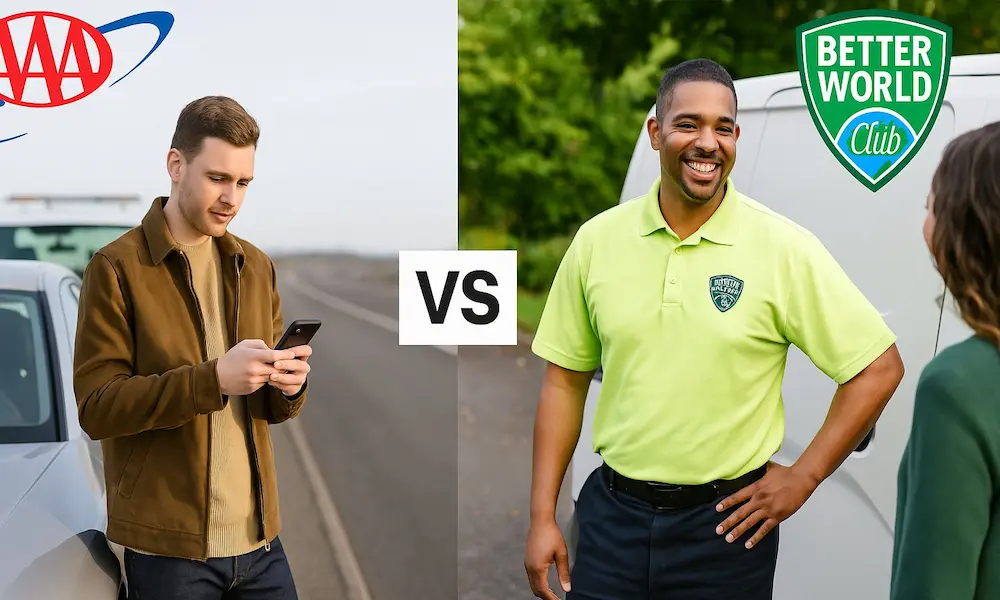
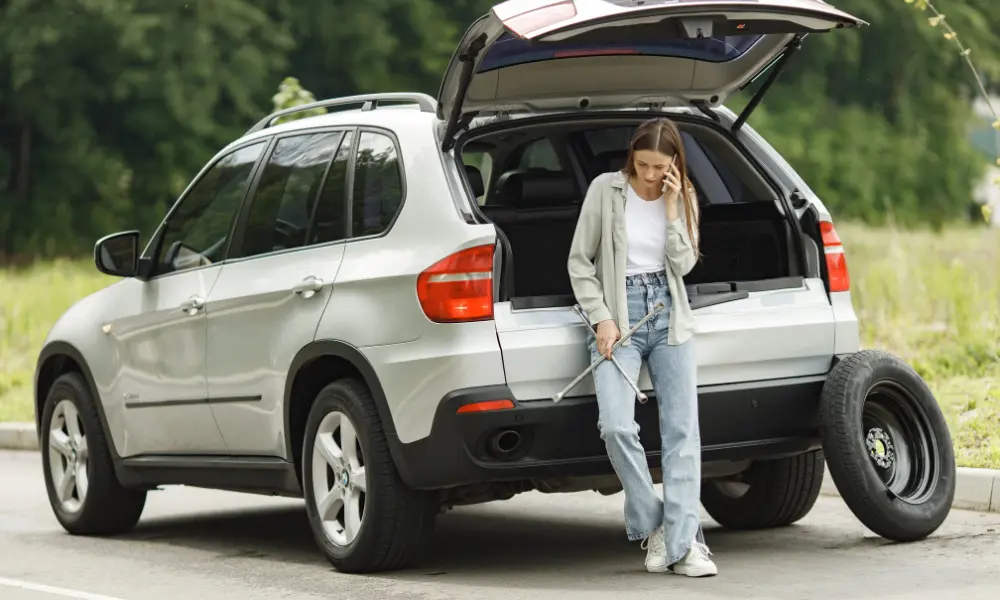
Your car just died on a dark highway. You need help—fast. But here’s the thing: choosing between AAA and Better World Club isn’t just about who shows up quicker. It’s about whether your membership fees fund highway expansion or bike lanes. Let’s cut through the marketing fluff and figure out which service actually fits your life.
What Makes AAA and Better World Club So Different?
Here’s what most people miss: AAA isn’t one company. It’s dozens of independent clubs operating under the same brand. Better World Club? It’s one centralized operation with a very specific mission.
AAA Operates Like a Federation
Think of AAA as 50+ separate motor clubs that share a name. You join AAA Northeast or AAA Southern California—not “AAA” itself. Each club sets its own rules, prices, and coverage details.
This matters when you travel. Your home club’s bike coverage might not work in another state. The towing distance that seemed generous at home? Different rules apply across state lines.
The upside? AAA’s size gives it serious muscle. With over 60 million members, they’ve negotiated discounts that can actually save you money. We’re talking 10-15% off major hotel chains, car rentals, and theme parks.
Better World Club Keeps It Simple
Founded in 2002 by environmentalists tired of AAA’s highway lobbying, BWC operates as a certified B-Corporation. Same rules in all 50 states. No regional variations to decode.
They don’t own tow trucks. Instead, they dispatch the same independent contractors that serve insurance companies—and often AAA itself in rural areas. It’s cheaper to run, but you’re not getting a branded AAA truck with guaranteed priority.
The trade-off? They donate 1% of revenue to environmental causes and purchase carbon offsets for every tow. Your membership funds bike advocacy, not gas tax lobbying.
The Towing Distance Reality Check
This is where rubber meets road—literally. How far can you get towed without paying extra?
| Membership Level | AAA Distance | BWC Distance | Who Wins? |
|---|---|---|---|
| Entry tier | 5 miles | 5 miles | Tie (both pretty limited) |
| Mid-tier | 100 miles | 100 miles | Tie (industry standard) |
| Top tier | 200 miles | 100 miles | AAA (but there’s a catch) |
AAA Premier’s 200-mile tow sounds amazing until you read the fine print: it’s one tow per household per year. After that, you’re back to 100 miles. Still useful for that one desert breakdown, though.
BWC maxes out at 100 miles across all plans. For most breakdowns within 50 miles of home, this doesn’t matter. But if you’re overlanding in Nevada? That extra 100 miles could save you $500+ in overage fees.
Where Your Money Actually Goes (The Part Nobody Talks About)
This is the real difference between these two services.
AAA’s Political Problem
AAA clubs spend millions lobbying for policies that keep cars dominant. In 2019, AAA Oregon sued to block electric vehicle rebates, arguing gas tax money should only fund highways. They won a delay that left $13 million in EV rebates unused.
They’ve opposed raising gas taxes when funds would support public transit. They’ve questioned Clean Air Act costs to consumers. The oil and gas industry spent $153 million lobbying in 2024, and AAA often amplifies the same talking points.
Your AAA dues don’t directly fund Exxon. But they do support an organization that consistently fights policies designed to reduce car dependency.
Better World Club’s Transparent Approach
BWC puts 1% of gross revenue toward environmental groups—paid regardless of profit. They list exactly which projects your fees support: replacing oil boilers in Portland schools, maintaining landfill gas capture in Massachusetts, destroying greenhouse gases in Mexico.
Every tow truck dispatch gets carbon offset through certified projects. It’s not perfect (carbon offsets have critics), but it’s measurably different from funding highway expansion.
They also lobby for Complete Streets legislation and higher gas taxes—if that money funds bike infrastructure and transit.
The E-Bike Coverage Minefield
If you ride an e-bike, this section could save you a stranded call.
BWC Covers E-Bikes Everywhere
Better World Club’s bike coverage explicitly includes e-bikes, cargo bikes, and recumbents. $44.95 standalone or $25 added to auto coverage. You get a 30-mile tow to home or a shop.
They won’t fix your flat. They’ll transport you and your 70-pound cargo e-bike when you’re 12 miles from home with a snapped chain.
AAA’s Regional Russian Roulette
Some AAA clubs (like AAA Ohio) cover e-bikes beautifully. Others maintain contract language excluding “motorized bicycles of any kind.”
AAA Northeast historically excluded motorized bikes, creating confusion about pedal-assist e-bikes. A tow truck driver might refuse service based on their interpretation of “motorized.”
Where AAA does cover bikes, the towing distance often matches your auto plan—potentially 100 miles. That destroys BWC’s 30-mile limit for bike tourists. But you need to verify coverage in every region you ride through.
Who Gets There Faster?
Response time varies wildly based on location and weather.
AAA’s Priority Network
In dense markets, AAA owns its fleet. Towing companies also rely on AAA for steady business volume, so they prioritize those calls. During normal conditions, this means faster service.
One Reddit user noted that during Burning Man exodus, independent contractors deprioritize third-party network calls in favor of AAA or cash customers.
BWC’s Contractor Gamble
BWC claims roughly 58-minute average response times. They’re using the same contractors as your insurance company’s roadside assistance.
In remote areas or during emergencies, you might wait longer. Worst case? BWC operates on reimbursement basis—you pay a local tower out of pocket, submit receipts, and wait 4-6 weeks for a check.
AAA rarely needs this backup plan due to network density.
The Battery Service Gap Nobody Mentions
Dead battery at 6 AM before work? Here’s the difference:
AAA trucks often carry replacement batteries. They’ll test yours, and if it’s toast, install a new one on the spot (you pay for the battery, not labor). Problem solved in 20 minutes.
Better World Club jump-starts your battery. If it won’t hold a charge, they tow you to a shop. You’re still getting to work late.
This operational difference adds friction to what’s usually a simple fix.
What This Actually Costs Your Family
Sticker prices look similar until you add family members.
Single Driver Math
- AAA Classic: $64-$125 depending on region
- BWC Basic: $69.95
Basically identical for one person.
Family of Four Gets Expensive with AAA
AAA charges $45-$85 per “associate” member. Three additional drivers could cost $135-$255 extra annually.
BWC charges $39-$65 per associate. Same family pays $117-$195 extra.
Over five years, that’s potentially $500+ in savings with BWC—if you don’t need AAA’s specialized services.
The Price Creep Factor
Long-term AAA members often complain about annual price increases. BWC counters with a price match guarantee—they’ll match a competitor’s renewal rate for comparable coverage.
Smart play: use your AAA renewal notice to negotiate a lower BWC rate.
The Discount Program Reality
This is where AAA’s scale becomes almost unfair.
AAA’s Discount Empire
60 million members give AAA leverage with global brands. You’ll actually use these:
- 10-15% off Hilton, Marriott, Hyatt hotels
- Discounts at Hertz, Enterprise car rentals
- NAPA Auto Parts, LensCrafters, Disney World savings
Frequent travelers can save more from hotel discounts than the membership costs. The roadside assistance becomes a free bonus.
BWC’s Niche Partner Network
Better World Club partners with eco-lodges, hybrid rental agencies, and sustainable tour operators. You’ll get discounts at Thrive Market and EnergySage solar.
Walk into a mainstream Marriott? Your BWC card means nothing.
The value only materializes if you’re already buying organic groceries and booking eco-tourism. For conventional consumption patterns, BWC’s discounts are essentially worthless.
RV and Motorcycle Coverage Breakdown
If you tow a travel trailer or ride a motorcycle, the pricing structures diverge sharply.
AAA typically requires Premier membership (the expensive tier) to cover RVs and motorcycles. You’re paying $120+ to get coverage for your weekend bike.
Better World Club breaks it out: Motorcycle coverage is $39 extra, RV is $75. You can add these to a basic plan without jumping to the premium tier.
For motorcycle-only coverage, BWC charges significantly less than AAA’s Premier requirement.
The Waiting Period Trap
Don’t try to game the system.
AAA offers immediate service for new members—for an extra $50-$75. Or you can join with a 5-mile tow limit immediately, with Plus/Premier benefits kicking in after a waiting period.
Better World Club enforces a strict 3-day waiting period before roadside benefits activate. No exceptions. You can’t join while stranded and get immediate service.
Already broken down? AAA is your only option for same-day coverage.
Who Should Pick AAA?
You’re the right fit for AAA if:
You travel constantly for business. Those hotel discounts will exceed your membership cost within three stays. The roadside assistance is essentially free.
You drive in remote areas regularly. The 200-mile tow (even once per year) is legitimately valuable in the rural West. BWC can’t match it.
You want owned infrastructure. AAA’s branded trucks and priority dispatch offer the highest probability of fast service during normal conditions.
You need battery replacement service. The mobile battery installation saves time compared to getting towed to a shop.
Politics don’t factor into your purchasing. If you don’t care where your dues go beyond the service itself, AAA’s operational advantages win.
Who Should Pick Better World Club?
BWC makes sense if:
You ride an e-bike as primary transportation. The guaranteed coverage across all states eliminates the “will they tow me?” anxiety that AAA’s regional variations create.
You’re ideologically opposed to highway lobbying. Your dues actively fund bike infrastructure advocacy instead of fighting gas tax increases.
You’ve got multiple drivers in the household. The cheaper associate fees add up over time, especially if you don’t need extensive travel discounts.
You want transparent environmental impact. The 1% donation and carbon offset program provide measurable (if imperfect) environmental benefit.
You’re already committed to sustainable consumption. If you shop at Thrive Market and book eco-lodges anyway, BWC’s discount program actually delivers value.
The Hybrid Strategy Nobody Talks About
Here’s something interesting: these aren’t mutually exclusive.
Some households keep AAA for the primary road-tripper and hotel booker, while the urban e-bike commuter carries BWC. The overlap costs about $130-$190 annually but eliminates coverage gaps.
It’s expensive, but so is getting stranded because your e-bike wasn’t covered under AAA’s regional exclusions.
The Bottom Line on AAA vs Better World Club
AAA wins on infrastructure, discounts, and extreme towing distance. It’s the pragmatic choice for high-mileage drivers and frequent travelers who view roadside assistance as pure utility.
Better World Club wins on ideology, e-bike coverage clarity, and family pricing. It’s the right choice for urban multimodal households who see their membership as a vote for sustainable transportation policy.
The “better” service depends entirely on whether you’re optimizing for convenience or values. AAA has spent 120 years building logistical dominance. BWC has spent 20 years proving there’s demand for roadside assistance that doesn’t fund highway expansion.
For most people, the decision isn’t about towing distance or response times. It’s about whether you’re comfortable with your roadside assistance provider suing to block EV rebates or whether you’d rather fund carbon offset projects in Portland schools.
Everything else is just details about how far they’ll tow your car.