Ever wondered exactly when to service your Hyundai Santa Fe? Following the right maintenance schedule isn’t just about keeping your warranty valid—it’s about protecting your investment and ensuring your SUV delivers reliable performance for years to come. With proper care, your Santa Fe can easily surpass 200,000 miles. Let’s dive into the complete service schedule that’ll help you maximize your vehicle’s lifespan and avoid costly repairs down the road.
Understanding Hyundai Santa Fe Maintenance Intervals
Hyundai designed the Santa Fe with reliability in mind, but even the best-engineered vehicles need regular care. The manufacturer recommends specific service intervals based on your driving habits and conditions.
Normal vs. Severe Driving Conditions
Before jumping into the schedule, you need to determine whether you fall under normal or severe driving conditions. Here’s the thing—most of us actually qualify for the severe maintenance schedule without realizing it!
You’re driving in severe conditions if you:
- Make frequent short trips under 10 miles
- Drive in stop-and-go traffic regularly
- Live in extremely hot or cold climates
- Drive on dusty, muddy, or salt-treated roads
- Tow trailers or carry heavy loads
- Use your vehicle commercially
If any of these sound familiar, you should follow the severe condition schedule for optimal vehicle care.
Basic Service Schedule: The Foundation of Santa Fe Maintenance
Every 7,500 Miles or 6 Months
This is the cornerstone of your Santa Fe’s maintenance plan. During this regular service interval, you should have:
- Engine oil and filter change (using manufacturer-recommended synthetic oil)
- Tire rotation to ensure even wear
- Multi-point inspection of key components
- Brake system check including pads, rotors, and fluid levels
- Air conditioning performance check
For severe driving conditions, shorten this interval to every 5,000 miles.
Every 15,000 Miles or 12 Months
At this milestone, your Santa Fe needs everything from the 7,500-mile service plus:
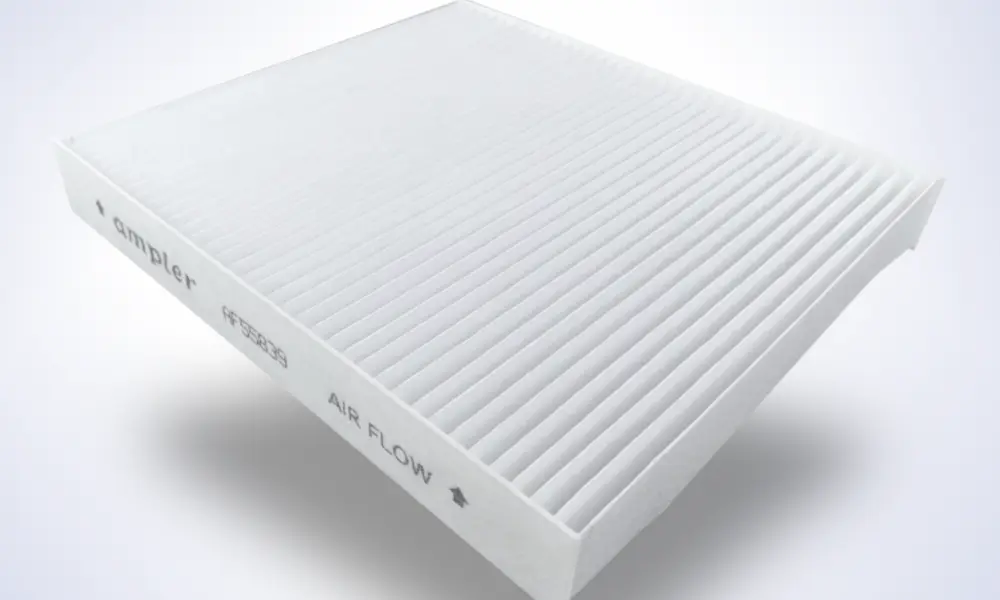
- Cabin air filter replacement (more frequently if you drive in dusty areas or suffer from allergies)
- Brake fluid level and condition check
- Fuel system additive service to maintain fuel system cleanliness
- Climate control system inspection
Every 30,000 Miles or 24 Months
This more comprehensive service includes all previous items plus:
- Engine air filter replacement
- Cooling system inspection including hoses and connections
- Drive belt inspection for proper tension and wear
- Comprehensive fuel system check
- Battery and charging system evaluation
Major Service Milestones for Your Hyundai Santa Fe
45,000-48,000 Mile Service
At this point, your Santa Fe needs more significant attention, especially if you have a turbocharged model:
- Spark plug replacement for turbocharged engines (naturally aspirated engines have longer intervals)
- Complete brake fluid replacement (recommended every 48,000 miles)
- Thorough brake system inspection and service
- All previous maintenance items
60,000 Mile Service
This is a critical maintenance milestone that requires special attention:
- Timing belt inspection (if equipped—many newer models use timing chains)
- Transmission fluid service (drain and fill)
- Differential oil change for AWD models
- Valve clearance check and adjustment if needed
- All previous interval services
95,000-100,000 Mile Service
By this point, several major components need attention:
- Spark plug replacement for non-turbocharged engines
- Complete coolant system flush and replacement
- Comprehensive engine and emission control system inspection
- All previous maintenance items
Engine-Specific Maintenance Requirements
Turbocharged Santa Fe Models
If you drive a Santa Fe with a turbocharged engine, you’ll need to pay special attention to:
- More frequent spark plug changes (every 45,000 miles instead of 95,000)
- Potential need for more frequent oil changes due to higher operating temperatures
- Regular inspection of intercooler and related components
Hybrid Santa Fe Maintenance
The Santa Fe Hybrid follows a similar schedule with a few key differences:
- Engine oil quality is crucial as the engine may not always reach optimal operating temperature
- Many hybrid owners choose to follow the severe driving schedule due to frequent engine start/stop cycles
- Additional inspection of hybrid-specific components at major service intervals
DIY Maintenance vs. Professional Service
Some maintenance tasks are perfect for DIY enthusiasts, while others require professional attention:
DIY-Friendly Tasks
- Checking fluid levels between services
- Replacing cabin air filters (typically located behind the glove box)
- Replacing engine air filters
- Monitoring tire pressure and tread wear
Leave to the Professionals
- Timing belt replacement
- Transmission fluid service
- Spark plug replacement (especially on turbocharged models)
- Brake system bleeding and fluid replacement
Cost-Saving Tips for Santa Fe Maintenance
Take Advantage of Complimentary Maintenance
Newer Hyundai Santa Fe models come with complimentary maintenance for the first 3 years or 36,000 miles, which includes:
- Oil and filter changes
- Tire rotations
- Multi-point inspections
Typical Maintenance Costs (After Warranty)
It helps to budget for these common maintenance items:
| Service | Typical Cost Range |
|---|---|
| Oil change | $50-80 |
| Cabin air filter | $25-60 |
| Engine air filter | $25-50 |
| Spark plugs (turbo) | $150-400 |
| Transmission service | $150-300 |
| Timing belt replacement | $400-800 |
Maintenance Cost Comparison Table
| Service Interval | DIY Cost | Professional Service Cost |
|---|---|---|
| 7,500 miles (oil change & rotation) | $35-50 | $70-100 |
| 15,000 miles (+ cabin filter) | $60-85 | $120-180 |
| 30,000 miles (+ air filter) | $85-120 | $180-250 |
| 60,000 miles (major service) | Not recommended | $400-800 |
Between-Service Monitoring
To keep your Santa Fe in peak condition between scheduled services:
- Check engine oil level every 2,000 miles or monthly
- Inspect tire pressure when temperatures change significantly
- Pay attention to any warning lights, unusual noises, or performance changes
- Keep an eye on fluid levels, especially coolant and brake fluid
Seasonal Maintenance Considerations
Spring/Summer Prep
- Check air conditioning performance before hot weather arrives
- Consider more frequent cabin filter changes during high pollen seasons
- Inspect cooling system components
Fall/Winter Prep
- Test battery performance before cold weather sets in
- Check tire tread depth for winter driving
- Ensure all exterior lights work properly for reduced visibility conditions
- Consider using winter-grade oil in extremely cold climates
Maintaining Your Warranty Coverage
To keep your Hyundai warranty valid:
- Follow the recommended maintenance schedule
- Keep detailed service records, even for DIY maintenance
- Use genuine Hyundai parts or equivalent quality components
- Address any issues promptly rather than delaying repairs
The Long-Term Value of Following the Service Schedule
Consistent maintenance isn’t just about avoiding breakdowns—it significantly impacts your Santa Fe’s resale value. Vehicles with complete service history typically command 10-15% higher resale values than those with spotty maintenance records.
By following the manufacturer’s recommended service schedule, you’re not just maintaining your vehicle—you’re protecting your investment and ensuring your Hyundai Santa Fe delivers the reliability, safety, and performance you expect for years to come.
Regular maintenance might seem like an expense, but it’s actually the smartest investment you can make in your vehicle. A well-maintained Santa Fe can easily last 200,000+ miles with minimal major repairs, saving you thousands compared to premature replacement.