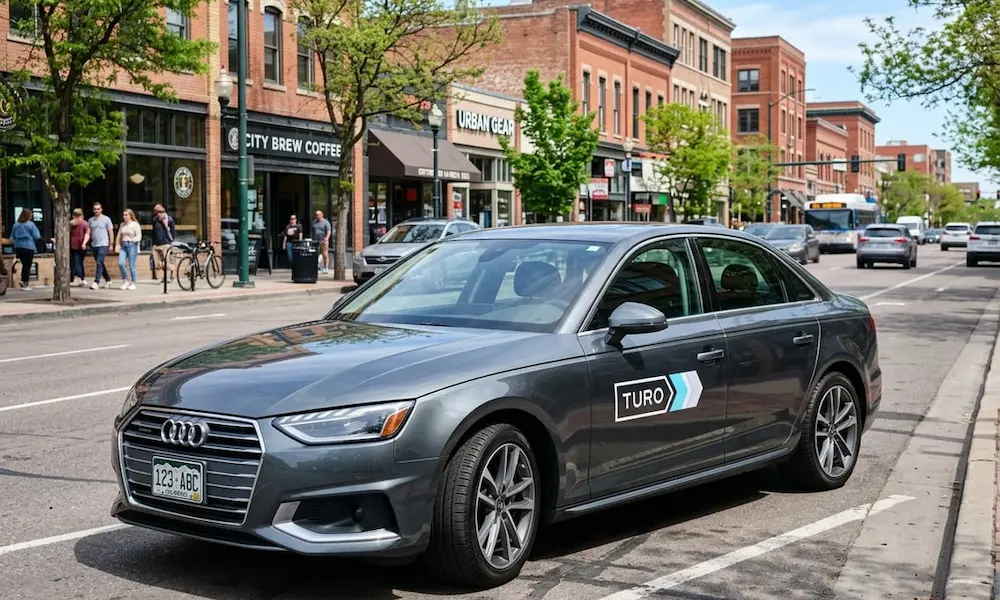
Thinking about listing your car on Turo — or booking one for your next trip? The answer isn’t simple. Whether Turo’s worth it depends entirely on who you are and what you need. This guide breaks it all down so you can decide without second-guessing yourself.
What Is Turo, Actually?
Turo is a peer-to-peer car-sharing marketplace. Individual vehicle owners list their cars, and travelers book them directly. No rental counter, no corporate fleet. Think of it as the Airbnb of cars.
Unlike Enterprise or Hertz, Turo doesn’t own any vehicles. That asset-light model creates unique advantages — and some serious trade-offs — for both sides.
Is Turo Worth It for Hosts?
Short answer: yes, but only if you treat it like a real business.
The Two Ways to Host
You’ve got two hosting paths on Turo — active or passive.
Active hosting means you handle everything yourself. You clean the car, coordinate key handoffs, document condition, and manage guest communication. It’s hands-on, but you keep more of the money.
Passive hosting is Turo’s newer program where a vetted fleet manager takes over your car entirely. You sit back and collect 70% of net earnings. Turo’s data shows listed vehicles average roughly $906 per month in gross revenue — meaning passive hosts could net around $634 monthly per vehicle without lifting a finger.
That sounds great. But here’s the catch: that’s gross revenue, not profit. Your actual take-home shrinks fast once costs enter the picture.
Which Cars Actually Make Money?
Here’s what most new hosts get wrong: buying a brand-new car to list on Turo is usually a losing strategy. New vehicles depreciate sharply in years one and two, killing your margins before you’ve even recouped the purchase price.
The real money is in older, fully depreciated economy cars. Turo’s own return-on-investment data backs this up:
| Vehicle | Est. Purchase Price | Avg. Annual Earnings | ROI |
|---|---|---|---|
| Chevrolet Cruze | $11,140 | $7,300 | 195.8% |
| Dodge Grand Caravan | $16,228 | $10,138 | 181.9% |
| Ford Focus | $11,187 | $6,947 | 180.3% |
| Ford Fiesta | $11,488 | $7,071 | 177.8% |
| Chevrolet Spark | $11,968 | $7,181 | 170.8% |
A used Chevy Cruze bought for $11,000 can generate nearly $7,300 annually. That’s a nearly 196% return. Compare that to a luxury sedan drowning in depreciation and repair costs — the numbers don’t lie.
The Math Behind Depreciation
Industry estimates put operational costs at 15–20 cents per mile for well-maintained economy vehicles. German luxury cars? Easily 30+ cents per mile.
Turo’s default mileage limit is 200 miles per day. If a $40/day rental gets driven 200 miles, you’re generating exactly 20 cents per mile in gross revenue. If your costs also equal 20 cents per mile, your net profit is zero — before platform fees and insurance.
One host tracked a 33-day unlimited-mileage rental where a guest drove 5,683 miles — averaging 172 miles a day. Revenue looked great on paper. The accelerated wear and maintenance costs told a different story.
The takeaway: Always know your exact cost per mile before you price a listing.
The Heavy Vehicle Tax Advantage
This is where savvy fleet operators pull ahead. The IRS caps depreciation deductions on standard passenger cars under Section 280F. For 2026, the first-year cap sits at $20,400 even with bonus depreciation.
But vehicles with a Gross Vehicle Weight Rating over 6,000 pounds — think Chevy Suburban, Ford Expedition, full-size vans — are exempt from that cap. A host buying a $62,000 SUV used 80% for rentals can deduct $49,600 in year one.
Buy that same amount in a standard luxury sedan? Your year-one deduction gets capped at $16,320.
This creates two smart fleet strategies:
- Cheap, old economy cars for maximum daily cash flow
- Heavy SUVs for maximum tax deductions at year-end
The 2026 Protection Plan Overhaul: What Hosts Need to Know
Turo completely restructured host protection plans effective January 7, 2026. The biggest change: the zero-deductible option is gone.
Here’s what hosts are working with now:
| Plan | Host Revenue Share | Damage Deductible | Liability Coverage |
|---|---|---|---|
| More Peace of Mind | 70% | $250 | Up to $750,000 |
| Balanced Plan | 80% | $1,500 | Up to $750,000 |
| More Earnings Plan | 90% | $2,750 | Up to $750,000 |
Choosing the 90% plan maximizes short-term cash flow, but one scratched bumper could trigger a $2,750 deductible — wiping out months of profit on a single vehicle. The 70% plan limits deductibles to $250, but you’re surrendering 30 cents of every dollar to the platform.
There’s also a critical exclusion hosts often miss: no plan covers diminished value. If a guest crashes your car and it gets repaired, Turo won’t compensate you for the drop in resale value caused by the accident history. This is another reason experienced operators favor older, already-depreciated vehicles.
Real Operating Costs Per Vehicle (Monthly)
Before you calculate profit, stack up these recurring expenses:
- Cleaning: $20–$60
- Commercial parking (urban/airport): $60–$80
- Routine maintenance: $30–$70
- Personal/commercial insurance: $28–$56
That’s easily $380+ per month per vehicle before you factor in unexpected repairs or damage claims. Scale to 8–15 vehicles to replace a median income, and you’re running a logistics operation — not a side hustle.
Cancellation Penalties Hosts Must Avoid
Turo takes cancellations seriously. The penalties are steep:
- Cancel 24+ hours before trip: $25 fee
- Cancel less than 24 hours before: $50 fee
- No-show without canceling within 30 minutes: $150 fee
Frequent cancellations also tank your search ranking, which is brutal for long-term bookings. Certain exemptions apply — natural disasters, safety recalls, vehicle damage caused by a previous renter — but you’ll need documented proof to get the fee excused.
Cleaning Policy Changes That Hit Host Revenue
Turo eliminated upfront cleaning fees entirely. Hosts can no longer charge guests for standard post-trip cleanup.
Minor sand, food crumbs, and exterior mud? That’s now your cost to absorb. You can only charge a $150 violation fee (plus a 3% admin charge) if a guest returns the car with bio-waste, major stains requiring professional extraction, extreme caked mud, or significant pet hair — and you’ve got 24-hour photographic proof.
Bottom line: routine cleaning is now an uncompensated overhead expense. Document everything before and after every trip.
Is Turo Worth It for Renters?
It depends on what you’re renting, how old you are, and whether your credit card covers you.
Base Rates vs. What You Actually Pay
Turo listings often look cheaper than legacy agencies at first glance. That comparison breaks down fast once Turo’s dynamic trip fee kicks in. This fee isn’t fixed — it’s a proprietary percentage influenced by vehicle value, booking lead time, and trip length. It can run anywhere from 10% to over 100% of the base daily rate.
A real four-day San Francisco comparison shows how it plays out:
| Cost Component | Turo | Hertz |
|---|---|---|
| Base Rate (4 days) | $184.50 | $316.76 |
| Multi-Day Discount | -$20.50 | N/A |
| Trip Fee | $15.00 | N/A |
| Protection/Insurance | $65.60 | $137.72 |
| Mileage Upgrades | $28.00 | Included |
| Young Driver Fee | $80.00 | N/A |
| Taxes & Airport Fees | N/A | $140.94 |
| Total | $352.60 | $595.42 |
Turo wins here — but largely because airport taxes crushed the Hertz price. In markets with lower taxes, or when comparing against deep-discount agencies like Fox or Payless, the gap narrows dramatically.
The Credit Card Insurance Problem
This is where Turo stings renters the hardest. Premium travel cards like the Chase Sapphire Reserve, Capital One Venture X, and Amex Platinum offer collision damage waiver coverage on traditional rentals. Those benefits don’t apply to Turo.
Turo is classified as a peer-to-peer sharing platform, not a licensed rental agency. Credit card insurers exclude it explicitly. That means you’re almost certainly buying a protection plan — which Turo prices as a percentage of your trip cost, not a flat daily rate.
Here’s what the three plans look like for US guests:
- Premier Plan: 65–100% of base trip price (minimum $14/day)
- Standard Plan: 40% of trip price (minimum $12/day)
- Minimum Plan: 18–25% of trip price (minimum $10/day)
Skip protection entirely, and you’re personally liable for the vehicle’s full market value if something goes wrong.
The honest math: If you’d normally skip the rental counter insurance by using your credit card, Turo’s mandatory protection cost erases most of its price advantage for standard economy vehicles. Turo only makes clear financial sense when you’re booking a luxury or specialty vehicle that a traditional agency simply doesn’t carry.
Young Drivers: Turo Is a Game-Changer
Most legacy agencies won’t rent to anyone under 21. For 21–24 year olds, young driver surcharges of $20–$30 per day are standard, plus heavy vehicle restrictions.
Turo opens the market to drivers as young as 18. The fees still apply, but access exists:
- Ages 18–20: $50/day young driver fee
- Ages 21–24: $30/day young driver fee
There are vehicle value tiers limiting access to pricier listings:
- Under 21: vehicles must be valued under $20,000
- Under 25: no Deluxe Class vehicles ($45K–$85K)
- Under 30: no Super Deluxe vehicles ($85K+)
Even with the young driver fee, Turo often remains the only national option for college students and young professionals who need a car. For that demographic, Turo’s worth it by default.
The Host Cancellation Risk for Renters
Here’s the scenario nobody wants: your host cancels two hours before your flight lands. It happens. Unlike a corporate agency that pulls a replacement from their fleet, a peer-to-peer host who cancels leaves you hunting the spot market — at spot-market prices.
Turo guarantees a full refund, but a refund doesn’t solve a stranded family at the airport. Last-minute alternative rentals can cost thousands more than what you originally budgeted.
For critical travel — international trips, time-sensitive itineraries — consider booking a backup option or at minimum choosing a host with strong reviews and a long booking history.
Protecting Yourself from Damage Disputes
Turo hosts scrutinize their vehicles far more carefully than corporate fleets. A minor rim scrape that Enterprise ignores could trigger a damage claim from a host protecting a personal asset. Consumer frustrations around post-trip claims are well documented.
Your defense is simple: photograph everything before you drive away and again when you return it. Every panel, every wheel, every interior surface. Upload directly to the app. No documentation means no defense if a host files a claim.
So, Is Turo Worth It?
For hosts: Yes — if you deploy older, cheap vehicles, control your cost-per-mile, and treat it like an actual business. The 2026 protection plan changes raised the financial stakes significantly. Hosts choosing high-earnings plans face real deductible exposure. Passive hosting works, but costs 30% of gross revenue. Scale requires automation, documented workflows, and GPS tracking tools like Bouncie to manage multiple vehicles without burning out.
For renters: It depends on your situation. Standard sedan rental with a premium credit card? A traditional agency with credit card insurance coverage likely beats Turo on total cost. Seeking a Tesla, exotic, or luxury SUV that no agency carries? Turo wins easily. Under 25 and locked out of traditional rentals? Turo’s your best option nationally.
The platform works well when you go in with open eyes — understanding the fees, the insurance gaps, the cancellation risks, and the documentation requirements. Go in blind, and it’ll cost you.