Picking between SiriusXM vs Spotify feels simple until you realize they’re solving completely different problems. One blankets the country with satellite signals. The other learns your taste better than your friends do. So which one’s worth your money? Stick around — the answer depends entirely on how you listen.
They’re Built Differently (And That Matters)
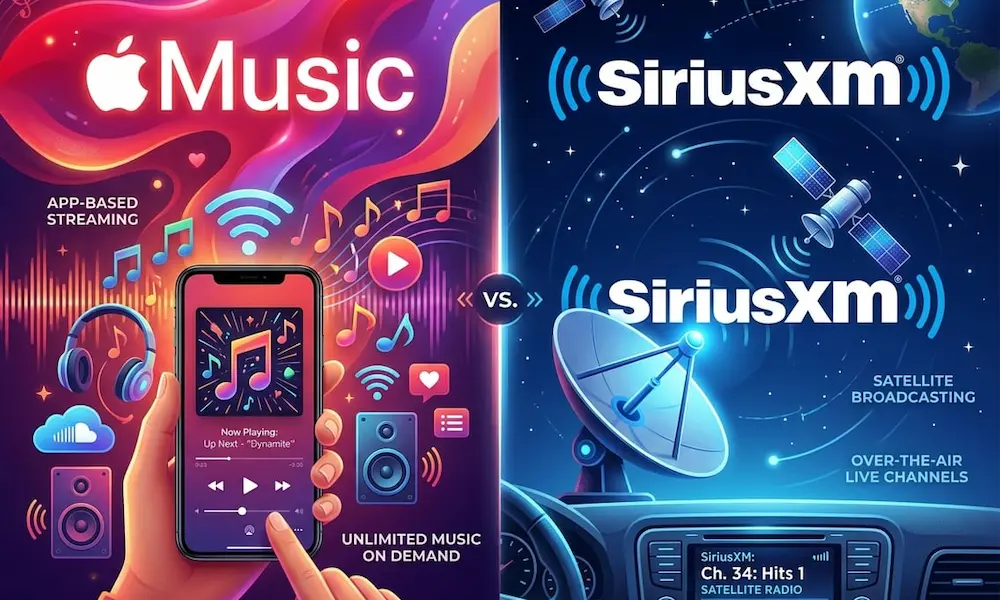
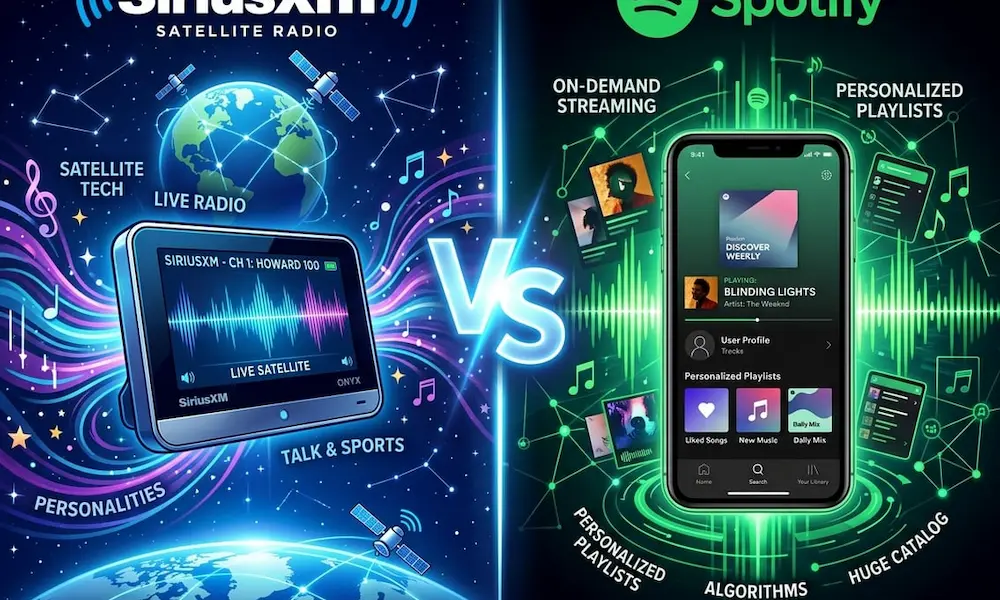
SiriusXM runs on a proprietary satellite constellation that covers North America wall to wall. No cell signal? No problem. You drive through a dead zone in Wyoming, and the music keeps playing without a hiccup — as long as you can see the sky.
Spotify runs entirely on your internet connection. It uses cloud-based content delivery networks to stream over 100 million tracks on demand. Fast connection? Crystal clear. Weak signal? You’re staring at a loading spinner.
Here’s the key trade-off:
- SiriusXM = reliable everywhere, but mostly linear broadcasting (no song-skipping on satellite)
- Spotify = fully on-demand, but dependent on your data connection
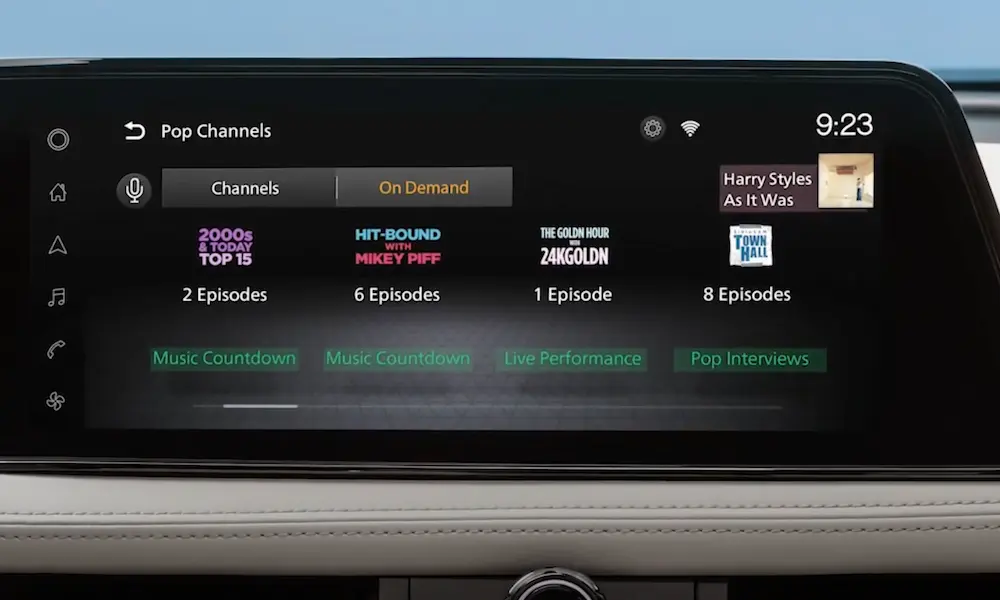
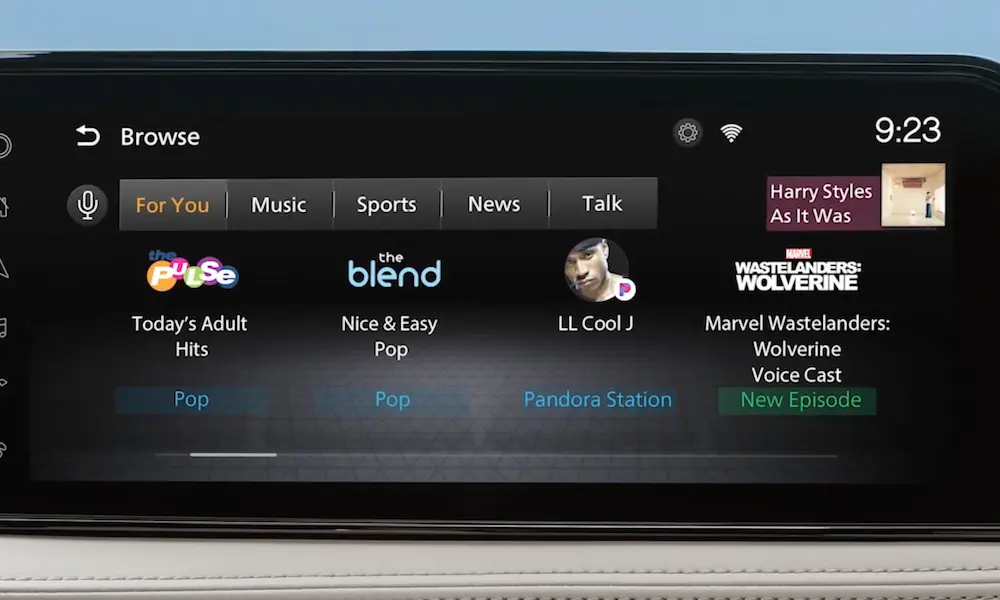
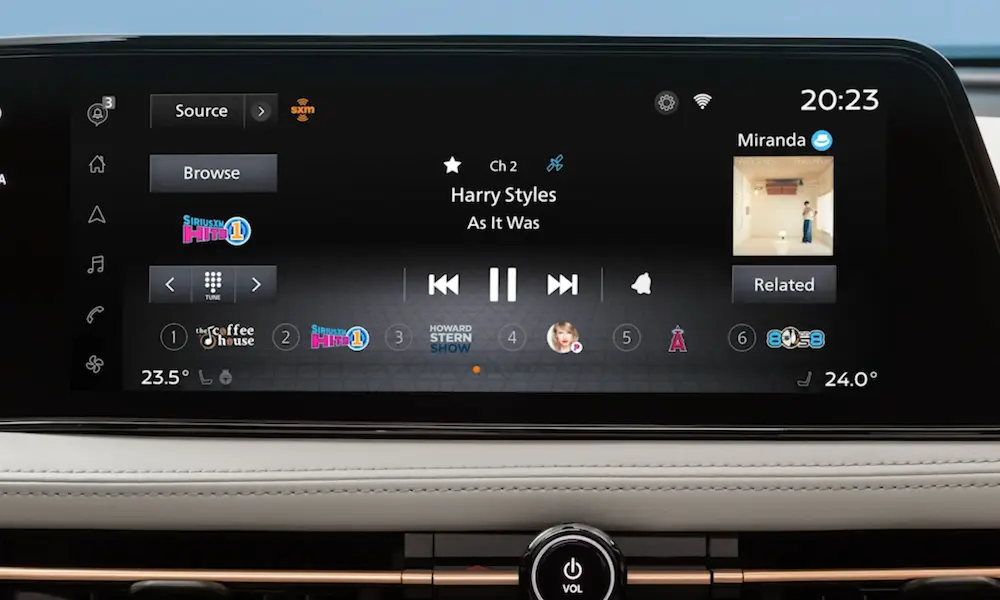
SiriusXM’s 360L platform bridges this gap by blending satellite signals with your car’s cellular modem. That means personalized recommendations and on-demand features appear right on your dashboard — no phone needed. Still, Spotify’s cloud-native setup wins on flexibility the moment you step outside your car.
Audio Quality: Spotify Finally Got Serious
For years, audio snobs laughed at both services. That conversation changed in 2025.
What Spotify Sounds Like Now
In September 2025, Spotify launched lossless audio for Premium subscribers at no extra charge. It uses FLAC encoding at up to 24-bit/44.1kHz — that’s CD quality or better, delivered free.
Here’s a breakdown of every Spotify quality tier:
| Audio Tier | Bitrate | Codec | Data Per Hour |
|---|---|---|---|
| Free (Low) | 24 kbps | Ogg Vorbis | ~11 MB |
| Free (Normal) | 96 kbps | Ogg Vorbis | ~43 MB |
| Free (High) | 160 kbps | Ogg Vorbis | ~72 MB |
| Premium (Very High) | 320 kbps | Ogg Vorbis | ~144 MB |
| Premium (Lossless) | Up to 1,411 kbps | FLAC | 680–900 MB |
One catch: lossless streaming is disabled over cellular by default. You’ll need to flip it on manually. Also, Bluetooth recompresses the signal — so true lossless fidelity requires a wired connection or a Wi-Fi-based protocol like Spotify Connect paired with compatible hardware like AmpVortex amplifiers.
What SiriusXM Sounds Like
SiriusXM’s satellite feed uses a compressed PAC codec running at just 32–64 kbps. Howard Stern’s channels sit at roughly 32 kbps. Even the Beatles Channel gets only 48 kbps. The result? Noticeable compression artifacts, thin stereo imaging, and rolled-off highs.
The SiriusXM app tells a different story. When you stream through the app on Maximum quality, you get AAC at up to 256–320 kbps — much closer to Spotify Premium’s lossy tier. Still, SiriusXM has no lossless equivalent whatsoever.
Bottom line on audio: Spotify wins, and it’s not particularly close. The lossless rollout changed everything for audiophiles.
Content: Very Different Strengths
This is where personal priorities decide the whole debate.
Spotify: 100 Million Tracks and a Robot That Knows You
Spotify’s catalog tops 100 million tracks. Its algorithms power features like Discover Weekly, Release Radar, and daylist — all of which adapt to your listening history, the time of day, and what you’re doing.
Social features add another layer:
- Blend — merges two users’ tastes into one shared playlist
- Jam — lets multiple people control a queue from their own phones
- Pick & Play — free users can now select any specific track on demand (added in September 2025’s free tier overhaul)
Spotify also hosts millions of podcasts, integrating them alongside your music in one seamless interface. And since 2025, Premium subscribers get 15 hours of audiobook listening monthly — pulling from a catalog of over 700,000 titles. That’s a direct shot at Audible’s market.
SiriusXM: Human Curation and Live Everything
SiriusXM doesn’t rely on algorithms. Real programmers and on-air personalities curate every channel. That creates a “lean back” experience — more like radio, less like a search engine.
Where SiriusXM genuinely dominates:
- Live sports play-by-play for every major US league (NFL, MLB, NBA, NHL, NASCAR)
- Live news simulcasts from CNN, Fox News, and MSNBC in real time
- Artist channels like Pearl Jam Radio and the Beatles Channel
- Howard Stern — still two dedicated channels with a deeply loyal audience
Spotify has no live sports broadcasts and no news simulcasts. If catching a game on a long drive matters to you, SiriusXM is the only option in this comparison.
Pricing: One Is Transparent, One Really Isn’t
Spotify’s Plans (Updated January 2026)
Spotify raised prices for the third time in four years in January 2026. But its structure stays clean and easy to understand.
| Plan | Monthly Price | Accounts | Key Notes |
|---|---|---|---|
| Free | $0 | 1 | Ads, 160 kbps, full on-demand playback |
| Student | $6.99 | 1 | Includes Hulu (ad-supported) |
| Audiobooks Access | $9.99 | 1 | 15 hrs audiobooks, music stays ad-supported |
| Basic Individual | $10.99 | 1 | Ad-free music + lossless, no audiobooks |
| Premium Individual | $12.99 | 1 | Full package including 15 hrs audiobooks |
| Basic Family | $16.99 | Up to 6 | No audiobooks for any member |
| Premium Duo | $18.99 | 2 | Same address required |
| Premium Family | $21.99 | Up to 6 | Audiobooks for primary account only |
The Basic tier is worth knowing about — it’s slightly cheaper than Individual, drops audiobooks, and matches Apple Music’s price point. On a Family plan split six ways, you’re paying roughly $3.67 per person per month.
One audiobook caveat: the 15-hour monthly allowance doesn’t roll over. Use it or lose it.
SiriusXM’s Plans (Updated February 24, 2026)
SiriusXM’s pricing structure is far more complicated — and deliberately so.
| Plan | Monthly Price | Delivery | Notes |
|---|---|---|---|
| Student Streaming Platinum | $4.00 | App only | Requires SheerID verification |
| All Music (Streaming) | $9.99 | App only | Music only; talk/sports cost extra |
| All Access (App Only) | $11.99 | App only | Full content without satellite hardware |
| News, Sports & Talk | $14.99 | Satellite + App | No premium music channels |
| Music Showcase | $18.99 | Satellite + App | Basic satellite music package |
| Music & Entertainment | $25.99 | Satellite + App | Core channels, limited sports |
| Platinum | $31.99 | Satellite + App | Everything, including Howard Stern |
Those prices don’t include taxes, a $15 activation fee, or the U.S. Music Royalty Fee — which hits 19.98% on satellite plans. That Platinum plan advertised at $31.99? It costs over $38/month before state taxes apply.
The Hidden Fee That Got SiriusXM Sued
This royalty fee isn’t just annoying — it’s under active legal fire. In June 2024, a class-action lawsuit (Wilson v. Sirius XM Radio Inc.) accused SiriusXM of deceptive pricing practices under Florida and Washington consumer protection laws.
The numbers in the lawsuit filing are staggering:
- SiriusXM collected $1.36 billion from the royalty fee in 2023 alone
- That’s 108% of the company’s total net profit for the year
- The lawsuit estimates over $10 billion collected since the fee launched in 2009
Critics point out that calling it a “U.S.” fee implies it’s government-mandated. It isn’t. It’s just SiriusXM passing copyright costs to ASCAP and BMI directly to you — something every other streaming service absorbs into their advertised price.
In the Car: SiriusXM Has the Home Field Advantage
Both services get heavy use during commutes. But they work very differently inside a vehicle.
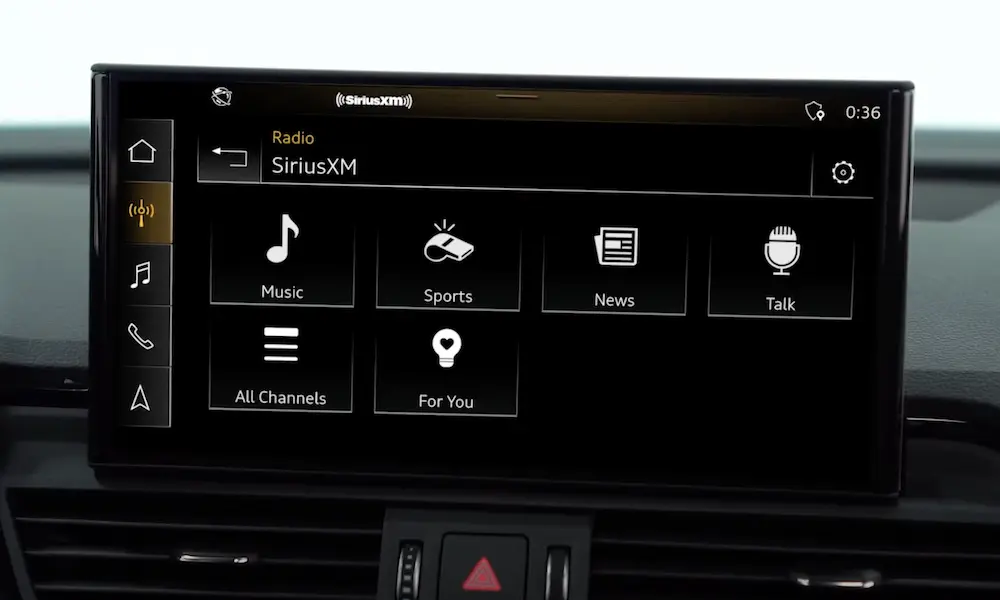
SiriusXM activates the moment you turn the ignition. No phone, no pairing, no data needed. The 360L platform combines satellite and cellular for smart, personalized dashboard recommendations — with up to five listener profiles per vehicle.
Spotify requires Apple CarPlay or Android Auto. You plug in (or connect wirelessly), your phone needs signal, and streaming drains your battery. More setup friction. But the payoff? Your personalized playlists, podcasts, and offline downloads transfer instantly. When tested against Amazon Music and YouTube Music in Android Auto, Spotify came out on top for interface, social features, and Google Gemini voice integration.
Free Tier Face-Off
SiriusXM has no permanent free tier. Once your trial ends, you pay or you lose access. And even on paid plans, talk channels and sports still run commercials.
Spotify’s free tier got a major upgrade in September 2025. Free users now get:
- Full on-demand track selection (Pick & Play) on mobile
- Access to the entire music catalog
- Ads every 15–20 minutes
- 160 kbps max quality
- No offline downloads
Parents: Spotify also extended managed accounts to the free tier in May 2026, letting you create filtered listening environments for kids under 13 without a paid subscription.
Which One Should You Actually Pick?
Here’s the honest answer:
Choose Spotify if you:
- Want on-demand control over every track
- Care about audio quality (lossless is genuinely great)
- Listen across multiple devices — phone, laptop, smart speaker
- Want podcasts, audiobooks, and music in one app
- Hate surprise fees on your billing statement
Choose SiriusXM if you:
- Drive long distances through areas with spotty cell coverage
- Need live sports play-by-play every day
- Want live news radio during your commute
- Love the human-curated, DJ-led radio format
- Already have it bundled with a new vehicle purchase
Most people in 2026 get more value from Spotify. The algorithm, the lossless audio, the audiobooks, and the transparent pricing add up to a stronger everyday package. But if you live in your car and can’t miss a game, SiriusXM still does things nobody else can.