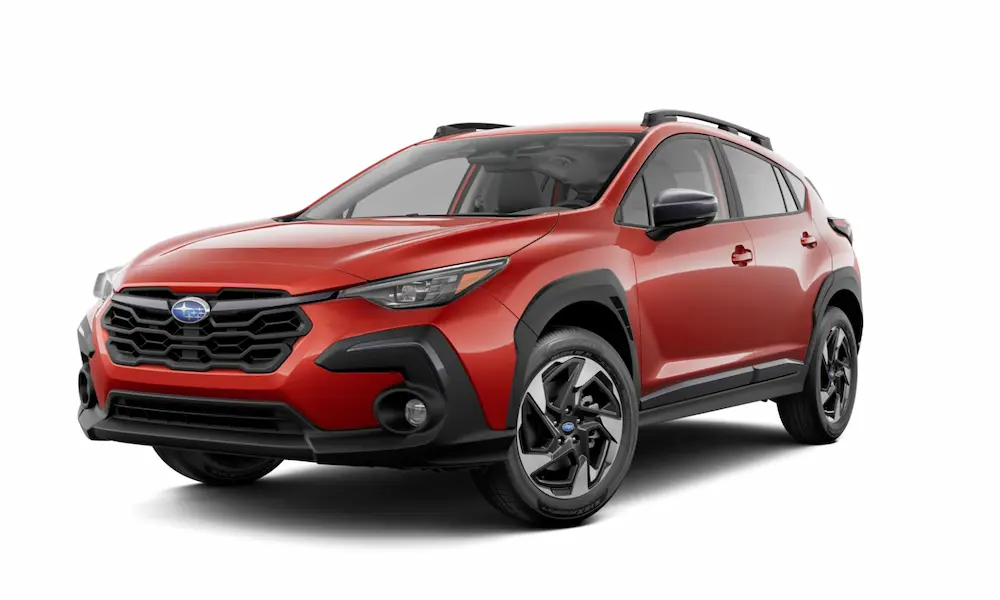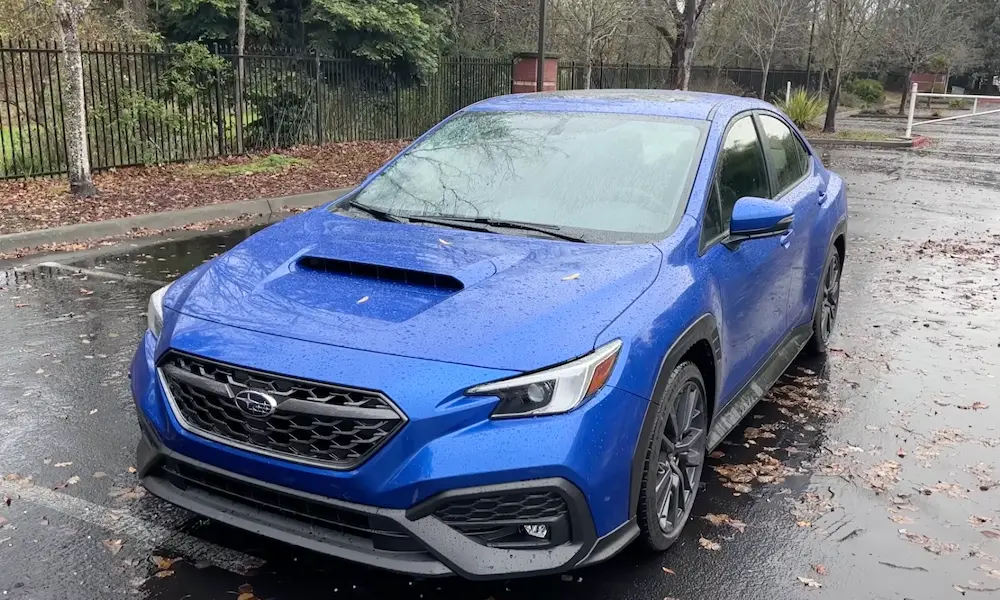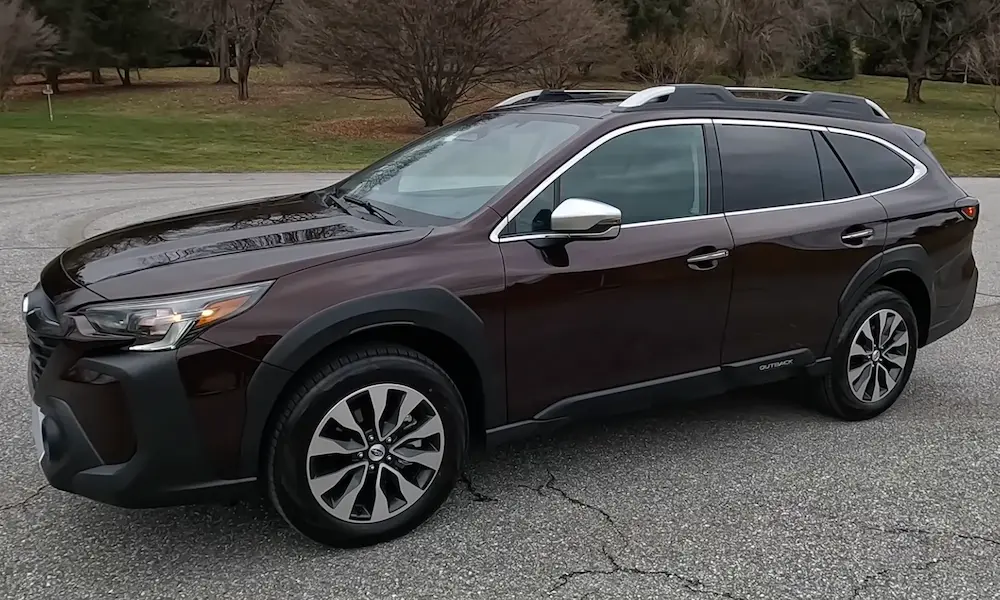
Facing a Subaru catalytic converter replacement is stressful — especially when you’re staring at a repair bill that could rival a used car payment. Whether your check engine light just lit up or you’re hearing a rattle under the floorboards, this guide covers everything you need to know. From diagnosing the real problem to navigating warranty coverage, we’ve got you covered. Read to the end — some of this info could save you thousands.
What Does a Catalytic Converter Actually Do?
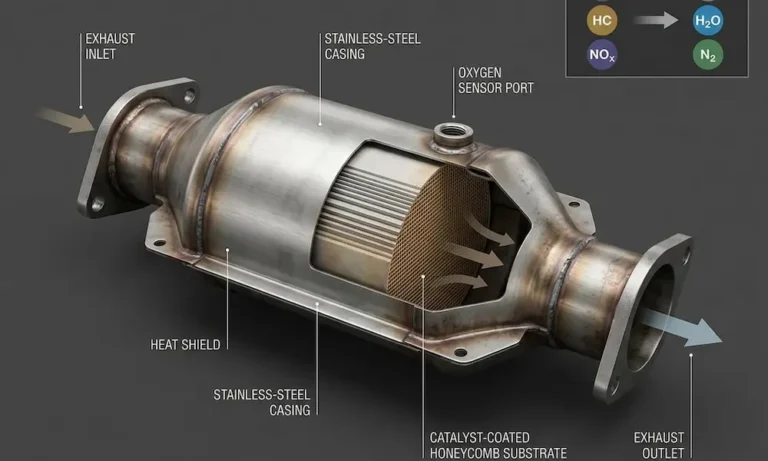
Your Subaru’s catalytic converter is a chemical reactor tucked into the exhaust system. Its job is to transform toxic engine exhaust — nitrogen oxides, carbon monoxide, and unburned hydrocarbons — into harmless nitrogen, carbon dioxide, and water vapor.
Inside the steel shell sits a ceramic honeycomb substrate coated with a precious metal washcoat containing platinum, palladium, and rhodium. As hot exhaust gases rush over this coating, these metals trigger the chemical reactions that neutralize the pollutants.
Subaru’s boxer engine design makes the exhaust routing uniquely complex. The horizontally opposed cylinders sit low and flat, which means many models — the Outback, Forester, Legacy, and Crosstrek — mount the primary catalytic converter directly into the exhaust manifold, bolted right to the cylinder heads. Some models add a secondary downstream converter further back in the exhaust to catch any remaining emissions.
Why Subaru Catalytic Converters Fail
Here’s the hard truth: catalytic converters rarely die on their own. Something upstream almost always kills them first. Replace the converter without fixing the root cause, and you’ll destroy the new one just as fast.
The three main failure modes are:
Thermal meltdown — Engine misfires or a rich fuel mixture push unburned gasoline into the exhaust. That raw fuel ignites inside the converter, spiking temperatures far beyond what the ceramic matrix can handle. The honeycomb melts into a solid, flow-blocking chunk of slag.
Chemical poisoning — Worn piston rings, bad valve seals, or a compromised head gasket (a historically noted issue on older Subaru 2.5L engines) push oil or coolant into the combustion chamber. These fluids burn and coat the precious metals in a thick residue, rendering the catalyst completely useless — even if exhaust can still physically flow through.
Physical fracture — Rapid thermal cycling, road debris impacts, and constant engine vibration make the ceramic substrate brittle over time. A bad pothole can shatter it. The broken chunks rattle around inside the steel shell, eventually blocking exhaust flow entirely.
Pro tip: Never use silicone-based sealants anywhere near the exhaust system. At operating temperatures, they vaporize, travel downstream, and permanently destroy your oxygen sensors and washcoat.
How to Diagnose a Failing Catalytic Converter
Don’t just trust a code scanner. Misdiagnosis is expensive, and the automotive world has a name for throwing expensive parts at an unconfirmed problem — the “parts cannon.” Here’s how to diagnose it properly.
The Check Engine Light and P0420 Code
The most common symptom is a P0420 code — “Catalyst System Efficiency Below Threshold.” Your engine control module compares data from the upstream air-fuel ratio sensor and the downstream oxygen sensor. If the downstream sensor sees an exhaust profile too similar to the upstream reading, the computer flags the converter as inefficient.
Important: A faulty oxygen sensor, an exhaust leak near the manifold, or a bad fuel injector can all trigger a false P0420. Always confirm physically before replacing the converter.
Drivability Symptoms
A clogged catalytic converter chokes the engine like a blocked exhaust pipe. Watch for:
- Severe loss of power and sluggish acceleration
- Heavy, unresponsive accelerator pedal
- Inability to maintain highway speeds
- Poor fuel economy
In many modern Subaru CVT models, this power loss gets misdiagnosed as a transmission problem. The transmission is actually fine — it’s just reacting to an engine that can’t breathe.
The Rotten Egg Smell and the Rattle Test
A failing converter that can’t process sulfur compounds produces a strong sulfur or rotten egg smell, especially under hard acceleration.
Audibly, a broken ceramic substrate sounds like marbles in a tin can — most noticeable on cold starts or rough roads.
The tap test: With the exhaust completely cold, gently strike the converter shell with a rubber mallet. A solid thud means the substrate is intact. A sharp, loose rattle confirms it’s shattered. Make sure you’re not just hearing a loose heat shield — those rattle constantly over bumps and show visible rust or gaps at the mounting hardware.
The Vacuum Test for Exhaust Backpressure
Attach a vacuum gauge to the intake manifold. A healthy engine shows strong, steady vacuum. A clogged converter causes exhaust backpressure to force gases back through the engine, making the vacuum needle drop significantly and flutter erratically — definitive confirmation of a blockage.
Understanding Your Subaru Warranty Coverage
Before you spend a dime, check your warranty status. Many Subaru owners are sitting on warranty coverage they don’t know about.
Many Subaru models — including versions of the Forester, Outback, Legacy, and Crosstrek — were certified as Partial Zero Emission Vehicles (PZEV). This certification legally requires manufacturers to cover major emissions components, including the catalytic converter, for 15 years or 150,000 miles.
The catch? This extended warranty only applies in states that have adopted California’s emissions standards under Section 177 of the Clean Air Act.
| State Classification | Warranty Coverage | States Included |
|---|---|---|
| CARB/PZEV States | 15 years / 150,000 miles on catalytic converter | California, Connecticut, Maine, Maryland, Massachusetts, New Jersey, New York, Rhode Island, Vermont |
| Federal EPA States | Standard 8 years / 80,000 miles | Texas, Florida, Delaware, and most non-adopting states |
If you’re in a qualifying state, within the mileage limit, and your vehicle is PZEV certified, your Subaru dealer should replace the converter at no cost to you. Bring documentation and push for it.
Replacement Parts: OEM vs. Aftermarket
When warranty coverage doesn’t apply, you’ve got three main options. Each comes with real tradeoffs.
| Sourcing Option | Parts Cost | Fitment | Labor | Compliance |
|---|---|---|---|---|
| Genuine Subaru OEM | $750–$1,200+ | Exact bolt-on fit | Standard unbolting | Guaranteed 50-state legal |
| Premium Aftermarket Direct-Fit | $400–$600 | Factory-spec modeled | Standard unbolting | Check Executive Order number |
| Universal Aftermarket | $100–$250 | No direct fit | Cutting and welding required | Often federal only |
OEM parts from a Subaru dealership guarantee perfect fitment and zero compliance headaches. They’re the most expensive option, but you’re not gambling on fitment or legal status.
Direct-fit aftermarket converters from brands like Walker and Magnaflow bolt straight to your existing exhaust flanges. High-quality compliant units for most Subaru models run $400–$600 and offer real savings without sacrificing legal compliance — if you verify the Executive Order number.
Universal converters are cheap upfront, but they require cutting and welding. That labor cost usually wipes out any savings.
Federal vs. CARB Compliance: Why It Matters
If you live in California, New York, Colorado, or Maine, your replacement converter must meet California Air Resources Board (CARB) standards — not just federal EPA standards. CARB converters carry higher precious metal loading in the washcoat to maintain efficiency over a longer lifespan. They cost more, but installing a non-compliant converter in a CARB state means failing your state inspection and potential fines.
Look for the Executive Order (EO) number stamped directly on the converter body. That stamp proves legal compliance.
According to Edmunds, the average total out-of-pocket cost for a professional catalytic converter replacement — including sensors, gaskets, labor, and diagnostics — runs roughly $2,100–$2,500.
The Replacement Process: What Actually Happens
Here’s a realistic look at what a proper Subaru catalytic converter replacement involves.
Tools You’ll Need
| Tool Category | What’s Required |
|---|---|
| Lifting and support | Floor jack, 3-ton jack stands, wheel chocks |
| Fastener removal | Impact wrench, breaker bar, 12mm and 14mm sockets |
| Specialized exhaust tools | Oxygen sensor socket, exhaust hanger pliers, wire brush, thread chaser |
| Chemicals | Penetrating oil, high-temp anti-seize compound |
| Safety gear | Safety goggles, mechanic’s gloves, hearing protection |
Key Steps in the Process
1. Soak the hardware first. Subaru exhaust bolts corrode heavily. Saturate every bolt, nut, and sensor bung with penetrating oil and let it soak overnight. Forcing corroded fasteners immediately snaps them, turning a three-hour job into an all-day nightmare.
2. Wait for the exhaust to cool completely. Operating temperatures on the exhaust system can cause severe burns instantly. Don’t rush this step.
3. Remove sensors carefully. The upstream air-fuel ratio sensor and downstream oxygen sensor come out with a slotted offset socket. Handle reusable sensors carefully — contaminate the sensing tip and you’ve just added two new sensors to your bill.
4. Remove heat shields and flange bolts. Work top-down on manifold-integrated converters, loosening rear exhaust flange bolts first, then front manifold bolts. Support the mid-pipe to prevent it from tearing rear hangers.
5. Clean mating surfaces completely. Use a gasket scraper on the cylinder head and mid-pipe flanges. Every trace of old gasket material must go. And never reuse old crush gaskets — they won’t re-seal.
6. Install with factory torque specs. Tighten flange nuts in a crisscross pattern to seat the crush gaskets evenly. Final torque must match Subaru’s specifications exactly — don’t eyeball it.
7. Apply anti-seize to sensor threads only. Keep it off the sensing tip. Thread sensors in and torque to spec.
The Break-In Procedure Nobody Skips (But Some People Do)
This step is critical and often skipped. A new catalytic converter needs a proper thermal break-in to cure the internal intumescent matting that holds the substrate in place. Drive hard immediately after installation and you can literally blow the matting out through the tailpipe — destroying the new converter instantly.
Follow this sequence:
- Start the engine. Don’t touch the accelerator.
- Let it idle undisturbed for 5 minutes.
- Slowly raise engine speed to 2,500 RPM and hold for 2 minutes.
- Gently release the throttle and shut the engine off.
- Let the vehicle cool completely to ambient temperature.
- Take a gentle 30-minute test drive — no hard acceleration, no wide-open throttle.
This drive cycle also allows the engine control module to recognize the new converter’s efficiency and clear any stored diagnostic codes.
Protecting Your Converter From Theft
Subaru Outbacks, Foresters, and Crosstreks are prime theft targets. Their elevated ride height means thieves can slide underneath without a jack and cut the converter off in minutes. The precious metals inside make it worth hundreds at scrap yards.
The best deterrent is a bolt-on converter shield. Companies like MillerCAT make high-strength aluminum plates that physically block access to the exhaust pipes, secured with tamper-proof fasteners that can’t be removed with standard tools. Subaru also offers factory converter shields through its official accessories catalog.
One important note: these shields are theft deterrents only. They’re not skid plates. Don’t use them to bash over rocks on a trail run.
Frequently Asked Questions
How does short-trip city driving affect my catalytic converter’s lifespan?
Short urban trips are rough on converters. The exhaust system never reaches full operating temperature, so the converter can’t burn off natural soot and carbon buildup. Over years of short trips, this carbon slowly coats the substrate and degrades the washcoat. Highway driving keeps the converter hot enough to incinerate these deposits continuously, which dramatically extends its life.
Can my Subaru pass a state emissions inspection with an “incomplete” readiness monitor?
No. After a battery replacement, code reset, or new converter installation, your vehicle’s emissions monitors reset to “incomplete.” You must complete a manufacturer-specific drive cycle — varying speeds, idle periods, and braking sequences — before the catalytic converter monitor registers “ready.” State inspection software automatically rejects any vehicle with incomplete monitors, regardless of whether the check engine light is off.
What’s the real difference between a federal and a CARB-compliant converter?
The difference is precious metal loading. CARB-compliant converters carry significantly higher concentrations of rhodium, palladium, and platinum in the washcoat. This ensures the catalytic reactions stay aggressive and efficient over a longer lifespan to meet stricter state emission thresholds. Federal converters use the minimum precious metal loading needed to pass less stringent standards for a shorter duration — hence the significant price difference.
Does my comprehensive auto insurance cover catalytic converter theft?
Generally yes, if you carry comprehensive coverage — minus your deductible. However, insurers typically only pay for standard OEM replacement parts and book-rate labor. If you want to upgrade to a higher-spec converter or add a theft-deterrent shield during the repair, you’ll pay that difference out of pocket.
Can a clogged catalytic converter damage my Subaru’s CVT transmission?
Yes, it can. When a clogged converter chokes the engine, actual torque output drops far below what the CVT’s computer expects. This mismatch causes the transmission to hunt aggressively for ratios, leading to belt slippage, shuddering, and excessive heat buildup in the transmission fluid. Driving for extended periods with a severely clogged converter can cause permanent, irreversible transmission damage on top of the converter replacement cost.