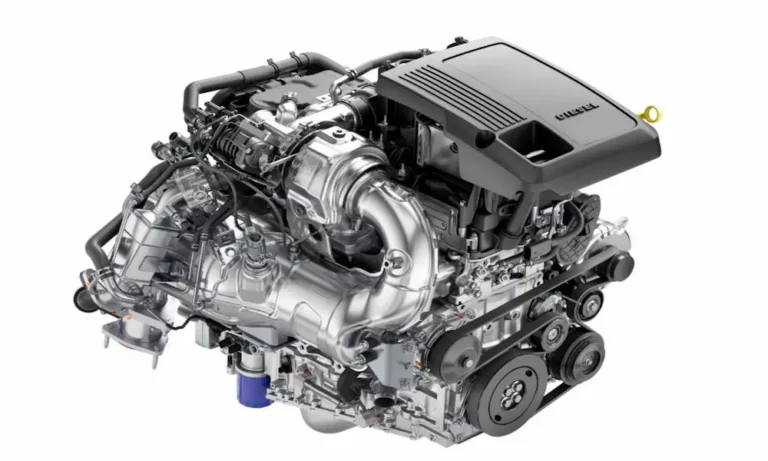
Thinking about the 3.0 Duramax but not sure if the specs stack up? You’re looking at one of the most technically sophisticated light-duty diesel engines ever put in a half-ton truck. This guide breaks down everything — power figures, gear ratios, towing numbers, known problems, and maintenance needs. Stick around, because some of this info could save you a serious headache.
What Is the 3.0 Duramax, Exactly?
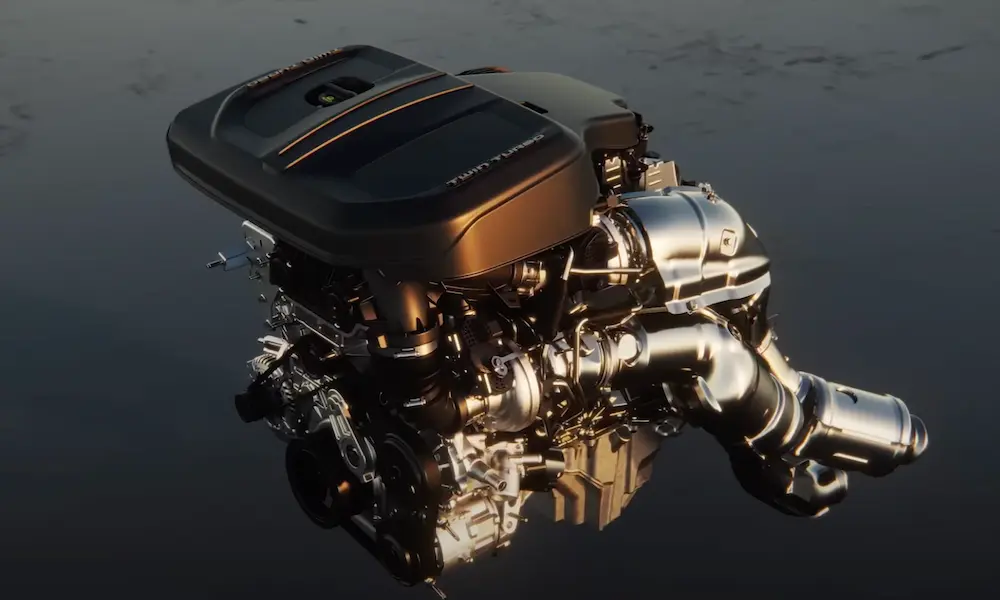
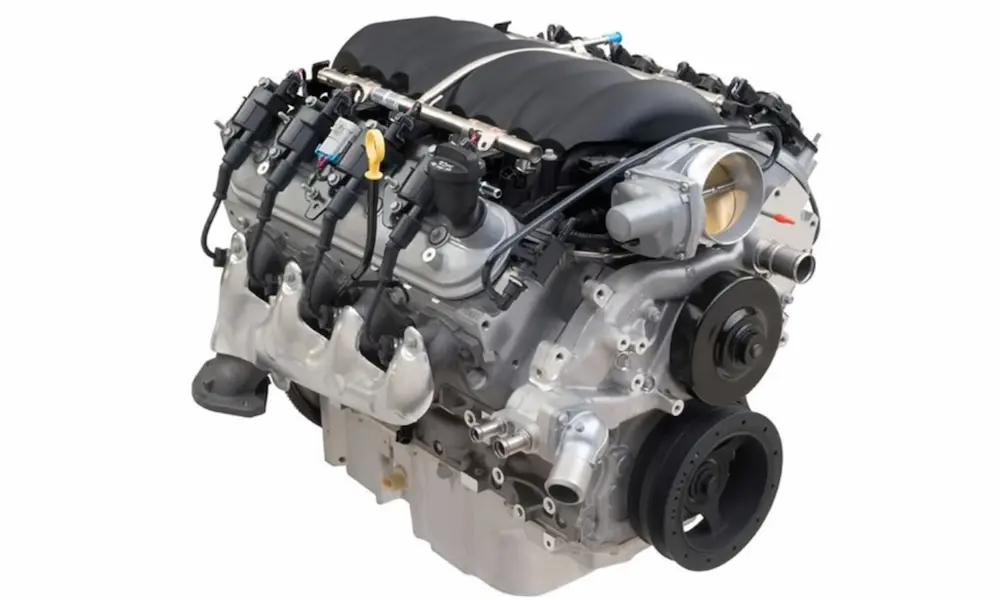
The 3.0 Duramax is a turbocharged inline-six diesel engine built by GM’s Global Propulsion Systems team in Torino, Italy. It comes in two versions: the first-gen LM2 and the updated LZ0, introduced for the 2023 model year.
GM deliberately chose an inline-six layout over the V6 configs that Ford and Ram used in their diesel half-tons. Why? Six cylinders in a row have natural mechanical balance, which kills off the vibration and noise you’d normally associate with a diesel engine.
It’s currently the only diesel engine available in a half-ton pickup truck in the U.S., after Ford and Ram dropped their 3.0L diesel options.
3.0 Duramax Specs: LM2 vs. LZ0 Performance Numbers
Here’s where the rubber meets the road. The LZ0 update brought real, measurable gains over the original LM2.
| Performance Metric | LM2 | LZ0 |
|---|---|---|
| Peak Horsepower | 277 hp @ 3,750 rpm | 305 hp @ 3,750 rpm |
| Peak Torque | 460 lb-ft @ 1,500 rpm | 495 lb-ft @ 2,750 rpm |
| Displacement | 3.0L | 3.0L |
| Bore | 3.307 in (84 mm) | 3.307 in (84 mm) |
| Stroke | 3.543 in (90 mm) | 3.543 in (90 mm) |
| Compression Ratio | 15.0:1 | 15.2:1 |
| Max Engine Speed | 5,100 rpm | 5,000 rpm |
The LZ0 puts out 7.6% more horsepower and 35 extra lb-ft of torque. Those gains came from refinements to the turbocharger, fuel injection system, and engine calibration.
One thing that makes this engine special? It hits peak torque at just 1,500 rpm on the LM2. That low-end grunt is exactly what makes it so good for towing.
Block, Head, and Internal Components
The 3.0 Duramax uses a cast aluminum alloy block and cylinder head, which cuts roughly 25–30% of the weight compared to a cast-iron engine. Cast-iron cylinder liners inside the block keep things durable under high compression.
Here’s a full breakdown of what’s inside both versions:
| Component | LM2 | LZ0 |
|---|---|---|
| Block Material | Cast Aluminum | Cast Aluminum |
| Cylinder Head | Cast Aluminum | Cast Aluminum |
| Cylinder Liners | Cast Iron | Cast Iron |
| Pistons | Aluminum | Steel |
| Connecting Rods | Forged Steel | Forged Steel |
| Crankshaft | Forged Steel | Forged Steel |
| Main Bearing Caps | Nodular Iron | Nodular Iron |
| Main Bearings | 7 | 7 |
| Intake Manifold | Composite | Composite |
| Exhaust Manifold | Nodular Iron | Nodular Iron |
The biggest internal change? The LZ0 switched to steel pistons. Steel expands less under heat than aluminum, so it tolerates tighter tolerances and handles higher power loads more reliably. The new pistons also carry a redesigned combustion bowl for cleaner, more efficient burns.
Turbocharger and Induction System
Both LM2 and LZ0 use a single Garrett variable geometry turbocharger (VGT) with liquid cooling and ball-bearing internals. Ball bearings reduce friction and help the turbo spool faster — less waiting, more power.
The variable geometry part works by adjusting internal vanes:
- Low RPM: Vanes close to speed up exhaust flow and spool the turbo quickly
- High RPM: Vanes open to prevent backpressure and over-boost
Paired with that is a water-to-air intercooler. It’s more compact than traditional air-to-air setups and provides more consistent cooling during low-speed, high-load scenarios like towing uphill. Cooler intake air means denser air, and denser air means better combustion.
Transmission: Hydra-Matic 10L80
The 3.0 Duramax pairs exclusively with the GM Hydra-Matic 10L80, a 10-speed automatic co-developed with Ford. GM uses its own calibrations and components tailored for the diesel application.
Here’s the full gear ratio breakdown:
| Gear | Ratio |
|---|---|
| 1st | 4.70:1 |
| 2nd | 2.99:1 |
| 3rd | 2.15:1 |
| 4th | 1.80:1 |
| 5th | 1.52:1 |
| 6th | 1.28:1 |
| 7th (Direct) | 1.00:1 |
| 8th (OD) | 0.85:1 |
| 9th (OD) | 0.69:1 |
| 10th (OD) | 0.64:1 |
| Reverse | 4.87:1 |
That 4.70:1 first gear gives you strong low-speed pulling power when towing. The three overdrive gears at the top keep engine RPM low at highway speeds, which directly contributes to the excellent fuel economy numbers.
The diesel version of the 10L80 also uses a torque converter with a centrifugal pendulum absorber — essentially internal weights that counteract the natural torsional vibrations from the engine. It’s a big reason why this diesel feels so smooth compared to older trucks.
Fuel Economy: Real-World MPG Numbers
This is a major reason people choose the 3.0 Duramax. The EPA numbers are genuinely impressive for a truck this capable.
| Vehicle & Drivetrain | City MPG | Highway MPG |
|---|---|---|
| Silverado 1500 (RWD) | 23 | 33 |
| Silverado 1500 (4WD) | 22 | 26 |
| Sierra 1500 (RWD) | 23 | 30 |
| Tahoe / Suburban (RWD) | 21 | 28 |
| Tahoe / Suburban (4WD) | 20 | 26 |
| Yukon / Yukon XL (RWD) | 21 | 27 |
33 mpg highway in a full-size pickup truck is hard to argue with. Add diesel’s higher energy density per gallon, and you’re looking at a very long range between fill-ups.
Towing and Payload Capacity
The LZ0 update didn’t just add power — it pushed towing capacity up significantly.
| Vehicle | Max Towing | Max Payload |
|---|---|---|
| Silverado 1500 (2023+ LZ0) | 13,300 lbs | 1,930 lbs |
| Sierra 1500 (2023+ LZ0) | 13,200 lbs | 1,880 lbs |
| Chevrolet Tahoe (2021+) | 8,200 lbs | 1,717 lbs |
| Chevrolet Suburban (2021+) | 8,000 lbs | 1,625 lbs |
| GMC Yukon (2021+) | 8,400 lbs | N/A |
Earlier LM2 trucks topped out around 9,300 lbs. The jump to 13,300 lbs puts the diesel Silverado in direct competition with gasoline V8 half-tons — while still offering much better fuel range.
Active Thermal Management: Smarter Cooling
The 3.0 Duramax doesn’t use a basic thermostat. It runs an Active Thermal Management system with electronically controlled rotary valves that direct coolant based on real-time sensor data.
During warm-up, the system restricts coolant to the engine block while letting it circulate through the cylinder head. This gets combustion chambers to operating temperature faster — cutting friction and improving fuel economy on short trips.
Electric water pumps replace traditional belt-driven pumps. They can vary flow rate independently of engine speed and, critically, continue running after shutdown to prevent heat soak in the turbocharger after a hard tow.
Fuel Injection System
The 3.0 Duramax uses a Denso high-pressure common rail system operating at up to 36,250 psi (2,500 bar). Fuel delivery runs through a chain-driven Denso HP5 twin-piston high-pressure pump.
The injectors are solenoid-type units with 9-hole nozzles. Multiple injection events per combustion cycle soften the diesel knock and reduce emissions. The LZ0 got redesigned injectors with higher pressure tolerance and an improved spray pattern to reduce the carbon buildup issues some early LM2 owners reported.
Fuel filtration matters here. OEM-specified filters capture particles down to 2 microns — don’t skip this or use cheap aftermarket replacements.
Emissions Systems: EGR, DPF, and SCR
To pass U.S. emissions standards, the 3.0 Duramax runs a full stack of aftertreatment systems:
- Dual EGR circuits (high and low pressure): Recirculate exhaust gases to lower combustion temperatures and reduce NOx formation
- Diesel Oxidation Catalyst (DOC): Converts hydrocarbons and CO into CO₂ and water vapor. On the LZ0, it moved closer to the turbo for faster light-off
- SCR on Filter (SCRF): Combines a diesel particulate filter with selective catalytic reduction coating
- Diesel Exhaust Fluid (DEF): Injected into the exhaust, it breaks down into ammonia and reacts with NOx to produce harmless nitrogen and water
- Ammonia Slip Catalyst (ASC): Catches any excess ammonia before it exits the tailpipe
It’s a complex system, but it’s what lets this engine meet modern emissions rules without sacrificing power.
Known Issues and Reliability Watch-Outs
The Rear Oil Pump Belt
This is the one that surprises most new owners. The 3.0 Duramax drives its oil pump with a “wet” belt at the rear of the engine, between the block and the transmission bell housing. It runs in engine oil, which keeps noise and friction down — but it does need replacement.
- LM2: Replace at 150,000 miles
- LZ0: Replace at 200,000 miles
The catch? Accessing this belt requires removing the transmission. Labor costs are significant. Skip this service and you risk oil pump failure and catastrophic engine damage.
Long Crank / No-Start (LM2)
Some first-gen LM2 engines developed a “long crank” condition — the engine turns over longer than normal before starting, or won’t fire on the first try. Investigations have linked this to a warped camshaft position sensor wheel or wiring harness faults. GM released software updates and service bulletins, but fixing a warped sensor wheel mechanically is a labor-heavy job.
2025–2026 Thrust Bearing Defect (LZ0)
This is the most serious issue in the engine’s recent history. A manufacturing defect in the crankshaft thrust bearing affects some 2025 and early 2026 LZ0 engines.
Watch for these symptoms:
- Deep metallic knocking from the lower engine
- Low oil pressure warning lights
- Copper or silver metal particles in the oil filter
Failures are happening at low mileage — often under 10,000 miles. GM addressed this in Technical Service Bulletin 25-NA-307 and covers affected engines under the 8-year/100,000-mile powertrain warranty with full long-block replacements.
Maintenance Essentials
Glow Plugs
The 3.0 Duramax uses ceramic glow plugs that heat up fast enough to cold-start at -22°F without a block heater. They’re also fragile — drop one and the ceramic tip can crack. If that shard falls into a combustion chamber, you’re looking at serious damage.
Key rules for glow plug service:
- Clean the bore with a reamer before installation
- Treat them as single-use — if you pull them, replace them
- Torque spec: 150 inch-pounds
Oil Specification
This engine doesn’t take regular diesel oil. The LZ0 requires Dexos D 0W-20. Using 5W-30 or 15W-40 — common in larger diesel engines — increases bearing wear and can contribute to thrust bearing failures.
Key Service Intervals
| Service Item | Specification |
|---|---|
| Engine Oil | Dexos D 0W-20 |
| Oil Pump Belt (LM2) | Every 150,000 miles |
| Oil Pump Belt (LZ0) | Every 200,000 miles |
| Fuel Filter | ~22,500 miles |
| Coolant | Dex-Cool (50/50 mix) |
| Glow Plug Torque | 150 inch-pounds |
Performance Modifications
ECU Tuning
The 3.0 Duramax runs GM’s secure “Global B” electronic architecture, which makes tuning trickier than older platforms. HP Tuners has cracked the ECM and TCM, and a solid street tune typically adds 40–50 hp and up to 100 lb-ft of torque. Tunes also improve throttle response and adjust speedo calibration for larger tires.
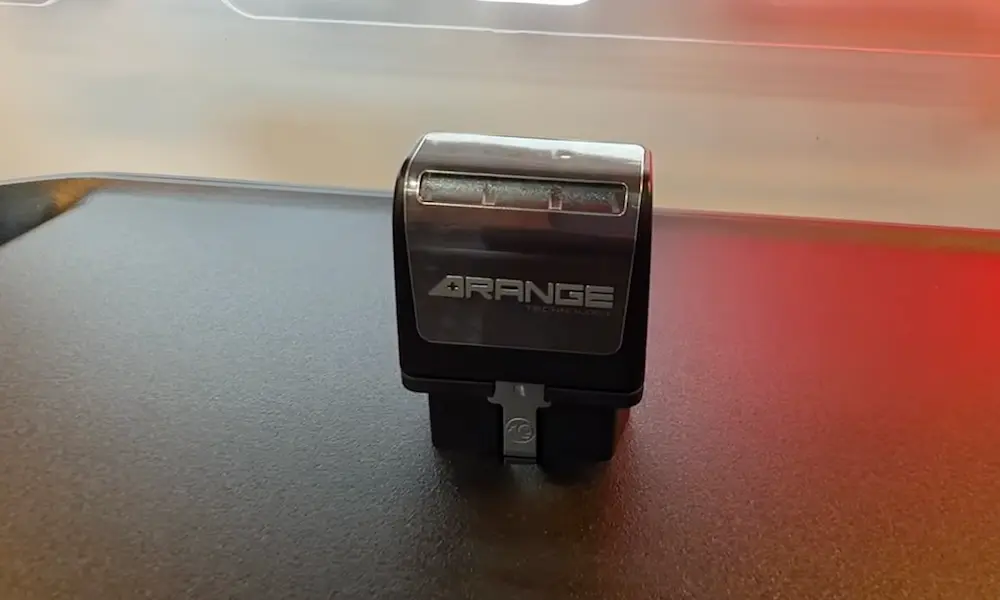
Prefer something less permanent? The Edge EZX module overlays the factory calibration without touching the ECM, making it easier to stay warranty-friendly.
Bolt-On Modifications
- High-flow intake + larger intercooler: Reduce intake temps and improve airflow
- Turbo resonator delete: Swap the plastic intake section for a smooth aluminum pipe — modest spool improvement plus a better turbo sound
- Oil catch can: Captures crankcase vapors before they mix with EGR gases and create carbon buildup in the intake manifold
Vehicle Availability and Future Plans
The 3.0 Duramax currently powers the Silverado 1500, Sierra 1500, Tahoe, Suburban, Yukon, and Cadillac Escalade. GM is the only manufacturer still offering a diesel in U.S. half-ton trucks, and industry data suggests the LZ0 continues through at least the 2027 model year. With a new Gen 6 V8 and potential hybrid powertrains on the horizon, the baby Duramax looks set to anchor a broader lineup — not get replaced by one.