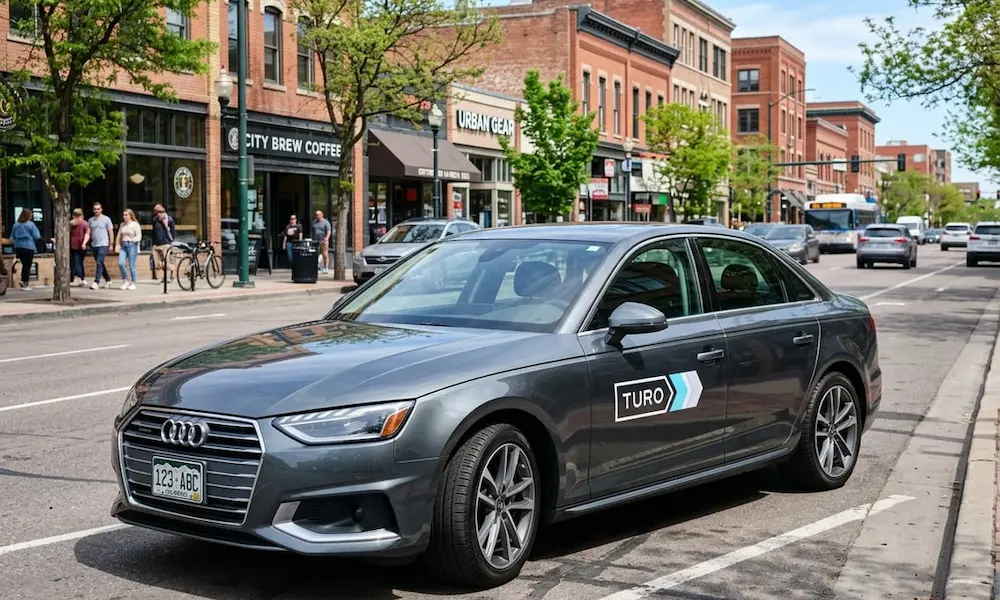
Choosing between Turo vs Getaround used to be a real decision. Now it isn’t — and that changes everything for renters and hosts alike. Getaround shut down its US operations in February 2025, leaving Turo as the only major peer-to-peer car-sharing platform in America. Here’s what that means for your wallet, your fleet, and your next road trip.
Getaround Is Gone From the US — Here’s Why It Matters
Getaround didn’t just quietly exit. It officially announced the wind-down of all US operations in early 2025, taking HyreCar — a gig-economy vehicle platform it had acquired for nearly $10 million — down with it.
The collapse wasn’t sudden. After peaking at a $1 billion+ valuation during its SPAC merger in December 2022, Getaround’s market cap cratered to roughly $24 million by 2024. The company slashed 30% of its North American workforce, ditched its San Francisco headquarters, and watched quarterly revenue fall to $22 million before the lights went out completely.
So what killed it? A few things collided at once:
- The hardware problem. Every Getaround vehicle needed a proprietary Connect device installed — costing hosts $99–$225 upfront, plus a $20/month subscription fee. That’s a steep ask before earning a single dollar.
- The hourly model didn’t fit America. Getaround thrived in dense European cities where people need a car for two hours. Americans need cars for two days. The mileage limits (just 40 km per hour) were laughably tight for US driving habits.
- Claims management collapsed. Hosts reported brutal delays in damage payouts. Short-term renters burned through fuel, trashed interiors, and caused accelerated wear — and the platform couldn’t keep up.
Getaround’s European operations in France, Norway, Germany, Spain, Belgium, and Austria still run fine. That tells you everything: the platform’s model works in walkable cities with solid public transit. It never fit the American road trip mentality.
Turo in 2026: What the Platform Looks Like Now
With no real competition left in the US, Turo has moved decisively. The platform overhauled its entire financial structure in early 2026 — and the changes affect every host and guest using the platform today.
The New Earnings Plans (Replacing Protection Plans)
As of March 31, 2026, Turo retired the old “protection plan” terminology for US hosts. The new earnings plans reframe everything around risk and reward. Here’s how they break down:
| 2026 Earnings Plan | Host Share | Damage Responsibility | Best For |
|---|---|---|---|
| More Peace of Mind | 70% | $250 | Luxury or newer vehicles where cosmetic repairs are expensive |
| Balanced | 80% | $1,500 | Experienced hosts who can absorb moderate costs |
| More Earnings | 90% | $2,750 | Large fleets with in-house repair capacity |
All plans cover physical damage up to the vehicle’s actual cash value or $200,000 maximum. None of them cover interior damage or mechanical wear — that’s always on the host.
Booking Lead Time Now Changes Your Pay
This is the biggest shift in Turo’s 2026 model. The platform’s data shows that last-minute bookings cause significantly more accidents and misuse. So Turo built that risk directly into the host payout structure.
Book early, pay less in commission. Book last minute, Turo takes a bigger cut. Here’s how the variable host share works in select US markets:
| Booking Lead Time | More Peace of Mind | Balanced | More Earnings |
|---|---|---|---|
| 28+ days ahead | 80% | 90% | 100% |
| 14–27 days ahead | 75% | 85% | 95% |
| 3–13 days ahead | 70% | 80% | 90% |
| 0–2 days ahead | 65% | 75% | 85% |
Yes, you read that right — hosts on the More Earnings plan keep 100% of the trip price when guests book a month or more in advance. Turo surrenders its entire commission. That’s not generosity; it’s behavioral engineering. The platform wants hosts to stop catering to spontaneous local bookings and start targeting vacation travelers who plan ahead.
What This Means If You’re a Host
Running a Turo fleet in 2026 is a real business, not a side hustle. Here’s what you’re actually managing.
Vehicle Quality Standards Are Getting Stricter
Turo’s quality standards now have teeth. By September 2026, any vehicle with a maintenance-related cancellation rate above 50% across its last 10 trips gets automatically restricted from new bookings until it passes a professional inspection. That threshold drops to 60% by January 2027 — which sounds more lenient but actually applies stricter criteria.
On the hospitality side, hosts need at least 65% five-star reviews by late 2026, rising to 70% by April 2027. Miss that target and you risk algorithmic delisting.
Your vehicle also needs to pass specific physical checks:
- Windshield cracks under 1 inch
- Body dents under 3 inches
- Tire tread depth above 4/32 inch
- Batteries under 5 years old (or passing a voltage test)
These standards quietly push older, cheaper vehicles off the platform. If you’re running a budget fleet, the math gets tighter every quarter.
Which Vehicles Actually Make Money?
Turo’s Carculator tool crunches estimated returns by vehicle. The numbers favor economy cars with low acquisition costs:
- Chevrolet Cruze (~$11K value): ~195% ROI, ~$7K+ annual earnings
- Dodge Grand Caravan: ~181% ROI, ~$10K+ annual earnings
- Subaru Forester (~$24K value): ~159% ROI, ~$14K annual earnings
Higher-value vehicles earn more gross revenue, but the return on your investment shrinks as acquisition cost climbs.
Don’t want the operational headache? Turo’s passive income program lets you hand your idle vehicle to an established host nearby. They handle everything — cleaning, keys, claims — and you keep 70% of earnings. With average vehicles generating ~$900/month in gross revenue, that’s potentially $630/month without lifting a finger.
Mileage Limits Protect Your Asset
Turo requires hosts to set a minimum daily mileage allowance that scales with trip length. If a guest blows past the limit, you have a 72-hour window after the trip ends to charge for overage miles. The per-mile rate is calculated by dividing your daily price by your daily distance limit.
The catch: that reimbursement rate rarely covers actual depreciation from high-mileage abuse. Experienced hosts flag long trips — especially from delivery drivers or cross-country travelers — as a known risk worth monitoring closely.
What This Means If You’re a Renter
The advertised daily rate isn’t what you’ll pay. That gap between what you see and what you actually owe has grown significantly since Getaround left the market.
The Trip Fee Is Unpredictable by Design
Turo charges guests a trip fee on top of the daily rate. Officially, it covers platform operations and customer support. In practice, it’s dynamic pricing — and it can exceed the base rental cost entirely for last-minute bookings on high-value vehicles. Book early to avoid paying a premium for spontaneity.
Protection Plans for Guests
If something goes wrong with the car, you’re on the hook for its full actual cash value unless you buy a protection plan. Your options:
- Premier plan: ~0 out-of-pocket for physical damage, costs ~65% of trip price. Not available to drivers under 21 or for vehicles over $60K.
- Standard plan: $500 exposure, costs ~40% of trip price
- Minimum plan: $3,000 exposure, costs ~18% of trip price
- No plan: Unlimited liability for the vehicle’s full replacement value
None of these cover interior damage or mechanical failure regardless of which tier you pick. Spill something on the seats or miss a gear shift badly enough to damage the transmission — that’s your bill either way.
Security Deposits: Know Before You Book
Turo holds security deposits on your credit card for the trip duration, plus 80 hours after return. Here’s when they kick in:
| Trigger | Deposit Amount |
|---|---|
| Super Deluxe vehicle (>$85K) | $750 |
| Deluxe vehicle (<30 years old, $45K–$85K) | $750 |
| New York State booking | $500 |
| San Fernando Valley booking | $250 |
| Algorithmic risk flag | $200 |
Providing verified personal auto insurance documentation can knock $250 off Deluxe and Super Deluxe deposits.
New York Just Got More Expensive
In June 2026, new New York state legislation dramatically changed Turo’s liability coverage in the state. Turo previously carried $1.25 million in liability coverage for New York trips. That’s gone.
The new default liability limits are just $75,000 per person and $150,000 per accident — the state statutory minimums. For reference, a serious injury lawsuit in New York can easily exceed those numbers. Hosts can opt up to $300,000 combined limit by choosing the More Peace of Mind earnings plan, but the sweeping protection of the old structure is permanently dismantled.
Renters in New York should strongly consider supplemental liability insurance through third-party partners like Mobilitas. Between higher security deposits, bigger trip fees, and lower default liability coverage, New York is now the most expensive Turo market in the country.
Turo vs Getaround: The Final Scorecard
This comparison is now historical, but it’s worth understanding what each platform stood for — especially if you’re deciding whether Turo is the right fit or exploring alternatives.
| Factor | Turo (Active) | Getaround (US: Defunct) |
|---|---|---|
| US Status | Operating | Shut down Feb 2025 |
| Rental Model | Multi-day focus | Hourly focus |
| Vehicle Access | Key handoff or Turo Go | Mandatory Connect device |
| Host Hardware Cost | None required | $99–$225 install + $20/month |
| Mileage Approach | Flexible daily limits | Rigid km-based packages |
| Best Market Fit | Suburban/rural US travel | Dense European urban areas |
| Passive Income Option | Yes | No |
Alternatives Worth Knowing
Turo’s monopoly has pushed some operators toward direct-booking platforms. Rentid lets hosts build branded booking systems without marketplace commissions, with built-in commercial auto insurance and AI-driven renter verification. It’s become a popular landing spot for former Getaround and HyreCar hosts.
For gig-economy drivers left stranded by HyreCar’s shutdown, Drive Whip has stepped in with low-deposit vehicle access tailored specifically for rideshare drivers.
Enterprise-level fleet operators managing 10+ vehicles often pair Turo with third-party fleet software. Tools like RentGuruz and Levy Fleets handle IoT integration, telematics, remote battery monitoring, and utilization analytics at scale — features Turo’s native app simply doesn’t offer.
The Bottom Line on Turo vs Getaround
The Turo vs Getaround debate ended in 2025 when Getaround packed up and left. What remains is a single dominant platform that’s gotten significantly more sophisticated — and significantly more expensive for last-minute renters.
For hosts, the 2026 changes reward long-term planning and high-quality operations. Book-ahead bonuses, passive income programs, and stricter quality enforcement all push the platform upmarket. For renters, booking early isn’t just smart — it’s the difference between a reasonable trip fee and one that doubles your effective daily rate.
If you’re entering the Turo ecosystem for the first time, start by understanding the earnings plans if you’re hosting, or check the full trip cost breakdown before you book. The platform is powerful — but only if you know exactly how it works.