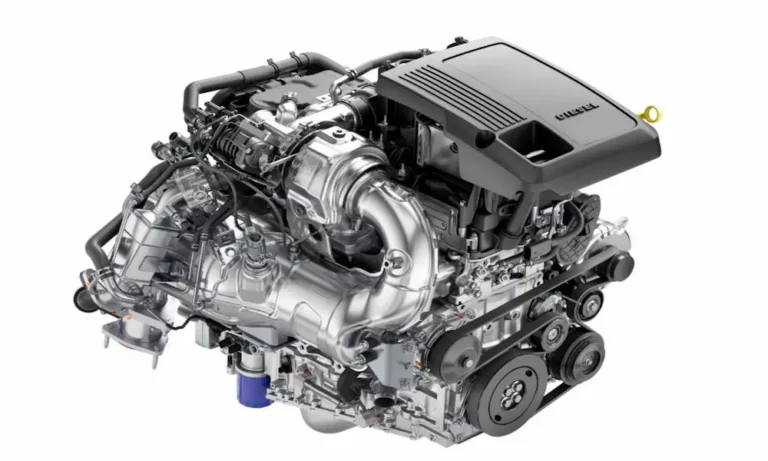
You’ve heard about the impressive fuel economy and torque of GM’s 3.0 Duramax diesel engine. Maybe you’re considering buying a truck with one, or perhaps you already own one and want to understand what might go wrong. Either way, you’re in the right place. Let’s dive into the most common 3.0 Duramax engine problems and what you can do about them.
The Timing Chain Nightmare
The most expensive and concerning issue with the 3.0 Duramax is timing chain stretch and failure. This problem primarily affects 2020 model year LM2 engines and typically shows up between 80,000-120,000 miles.
The original timing chains suffered from:
- Poor lubrication
- Heat buildup at the rear of the engine
- Excessive wear creating slack that disrupts engine timing
What makes this problem particularly painful is the repair cost—often reaching $10,000. Why so expensive? The timing chain sits at the back of the engine, requiring:
- Complete transmission removal
- Cab lifting on pickup trucks
- 40-50 hours of labor
GM recognized this design flaw and updated the timing chain design by early 2021. The new chains feature holes between links for better oil flow and cooling, plus different link pins for enhanced durability.
That Frustrating No-Start Condition
Have you experienced your truck cranking longer than usual before starting? Or worse, not starting at all? This issue primarily affects 2020-2021 LM2 engines and can be incredibly frustrating because it comes and goes.
The primary culprit is a faulty camshaft trigger wheel that makes contact with the timing chain, disrupting the engine’s ignition timing. GM has issued several Technical Service Bulletins (TSBs) addressing this problem with solutions including:
- Replacing the camshaft trigger wheel
- Updating wiring harnesses
- Installing camshaft position sensor shims
- Recalibrating the Engine Control Unit
Despite these fixes, many owners report the problem returning even after dealer repairs. If you’re experiencing extended cranking issues, it’s worth documenting each occurrence for warranty purposes.
The Controversial Oil Pump Belt Design
Unlike traditional diesel engines that use steel gears to drive the oil pump, GM chose a rubber oil pump belt system for the 3.0 Duramax. This wet belt operates submerged in engine oil at the rear of the crankshaft.
The maintenance schedule requires replacement:
- Every 150,000 miles for 2020-2022 LM2 engines
- Extended to 200,000 miles on 2023+ LZ0 engines
The real issue isn’t how often the belt fails (which is relatively rare) but rather:
- The catastrophic consequences if it does fail
- The expensive repair process
Belt replacement requires transmission removal, turning what should be routine maintenance into a $2,000-$3,500 job. If the belt fails during operation, your engine loses lubrication within seconds, potentially causing complete engine seizure.
Rear Main Seal Failures
Nothing makes your heart sink faster than seeing a puddle of oil under your truck. Catastrophic oil leaks from rear main seal failures represent another significant problem, particularly affecting vehicles with very low mileage (often under 20,000 miles).
These seals separate the engine from the transmission and prevent oil from leaking out of the crankcase. When they fail, engines can lose nearly all their oil very quickly, creating a dangerous situation for drivers.
GM issued a TSB recommending replacement of the lower timing chain cover, which includes a new seal. The repair takes approximately 12 hours to complete and typically costs $1,500-$3,000. Fortunately, these failures usually occur early enough to be covered under GM’s factory warranty.
Excessive Oil Consumption
“Why am I adding oil between changes?” If you’re asking this question, you’re not alone. The 3.0 Duramax, particularly LM2 engines, has experienced excessive oil consumption problems linked to defective camshaft covers.
GM Service Bulletin 22-NA-027 addresses this issue, which involves inadequate welds on baffle plates inside the camshaft housing. These failed welds allow oil to pass through the PCV system and burn in the combustion chamber, typically affecting cylinder #2 first and often taking out the #2 glow plug.
GM considers oil consumption normal at:
- One quart per 2,000 miles during normal driving
- One quart per 1,000 miles during heavy towing or high-load conditions
However, many owners report much higher consumption rates, sometimes requiring oil additions every 1,500 miles or less.
DEF System Headaches
The Diesel Exhaust Fluid (DEF) system has proven problematic across all 3.0 Duramax model years. Issues range from sensor malfunctions to complete system failures.
Common symptoms include:
- Erratic DEF gauge readings
- False “low DEF” warnings
- DEF crystallization causing injector clogs
These problems can trigger limp mode, severely limiting vehicle performance and creating safety concerns when you suddenly lose power.
A particularly frustrating issue affects 2023+ LZ0 models during heavy towing, where the system triggers “high DEF consumption” warnings and speed limitations even with a full tank. GM’s Service Bulletin #24-NA-196 explains this as “normal operation” under high-load conditions, where the computer projects high DEF usage and triggers warnings preemptively rather than waiting for actual fluid depletion.
High-Pressure Fuel Pump Failures
High-pressure fuel pump (HPFP) problems have been reported across multiple model years, causing:
- Rough idling
- Power loss
- Knocking noises
These failures can necessitate expensive repairs costing $1,500-$3,000, and pump failures can damage other fuel system components. Some owners have experienced complete fuel system control module failures, requiring extensive repairs and lengthy parts delays.
LM2 vs LZ0: What Changed?
GM significantly updated the 3.0 Duramax for the 2023 model year, transitioning from the LM2 to the LZ0 designation. This second-generation engine includes numerous improvements:
Power and Performance Upgrades:
- LZ0: 305 horsepower and 495 lb-ft of torque
- LM2: 277 horsepower and 460 lb-ft of torque
These gains came from:
- Revised cylinder heads with improved camshaft oiling
- Longer intake valves
- Updated fuel injectors
- Steel pistons replacing the LM2’s forged aluminum units
Reliability Improvements:
- Updated timing chain design with improved lubrication
- More robust reluctor wheel
- Revised glow plugs
- Simplified coolant control valve systems
- Extended oil pump belt maintenance interval (from 150,000 to 200,000 miles)
Emissions System Changes:
- Repositioned emissions components
- Diesel Oxidation Catalyst moved closer to the turbocharger for improved efficiency
You can tell which engine you have by checking the eighth digit of your VIN or looking at the engine cover badge.
Transmission-Related Concerns
While not strictly an engine problem, GM issued Recall N242454440 affecting 461,839 diesel-equipped vehicles from 2020-2022 model years, including 3.0 Duramax models. This recall addresses faulty transmission control valves that can cause rear wheel lockup, a serious safety concern.
GM provides 15-year/150,000-mile special coverage for transmission control valve repairs related to this recall. If you own a 2020-2022 model, make sure your vehicle has had this recall addressed by checking with a GM dealer.
Maintenance Costs: What to Expect
Owning a 3.0 Duramax means higher maintenance costs than a gasoline engine. Here’s what to plan for:
| Maintenance Item | Approximate Cost | Interval |
|---|---|---|
| Oil Change (10 quarts) | $150-200 | 7,500 miles |
| Fuel Filter | $100-150 | 22,500 miles |
| DEF Refill | $15-25 | 2,500-5,000 miles |
| Oil Pump Belt | $2,000-3,500 | 150,000-200,000 miles |
| Air Filter | $50-70 | 45,000 miles |
The engine requires 0W-20 DexosD certified oil, which is more expensive than conventional motor oil and not as widely available. DEF consumption during normal driving averages one container per oil change but increases dramatically during heavy towing.
Extended warranties are strongly recommended given the potential for expensive repairs, particularly timing chain replacement in early LM2 engines.
Model Year Buying Guide
Despite these problems, many owners report satisfaction with their 3.0 Duramax engines when they function properly. The engine delivers exceptional fuel economy for a full-size truck and provides strong towing performance with its abundant low-end torque.
However, potential buyers should carefully consider model year selection:
2020-2021 LM2 Models: These early engines carry the highest risk for timing chain problems, extended cranking issues, and oil consumption concerns. While some issues have been addressed through TSBs, the expensive timing chain repair remains a significant concern for higher-mileage examples.
2022 LM2 Models: These engines received some improvements but still use the original LM2 architecture with its inherent limitations.
2023+ LZ0 Models: The second-generation engine addresses many early problems and represents the most reliable iteration, though long-term data is limited.
For buyers considering a used 3.0 Duramax, extended warranty coverage is essential, particularly for models with the LM2 engine. The potential for $10,000+ timing chain repairs makes warranty protection financially prudent.
Warning Signs to Watch For
Being proactive can save you thousands in repair costs. Here are key warning signs that your 3.0 Duramax might be developing problems:
- Extended cranking time (more than 2-3 seconds) before the engine starts
- Check engine light with codes related to cam position or timing
- Oil spots under the vehicle, particularly at the rear of the engine
- Needing to add oil between scheduled changes
- Knocking or ticking sounds from the rear of the engine
- Power loss or rough idle
- Unusual DEF consumption or DEF system warnings
- White smoke from the exhaust (indicating oil burning)
If you notice any of these symptoms, don’t wait—have your truck inspected by a qualified diesel technician familiar with the 3.0 Duramax.
The Real-World Owner Experience
While this article has focused on problems, it’s worth noting that many 3.0 Duramax owners are extremely satisfied with their engines. When properly maintained and functioning correctly, these engines offer:
- Outstanding fuel economy (often 25-33 MPG highway)
- Impressive torque for towing (up to 13,300 pounds when properly equipped)
- Quiet, refined operation compared to larger diesel engines
- Lower entry cost than the 6.6L Duramax option
The experience often depends on your use case. Owners who primarily drive highway miles without heavy towing tend to report fewer issues than those who use their trucks for frequent heavy towing or short-trip city driving.
Should You Buy One?
The 3.0 Duramax can be an excellent engine when it’s running right. Your decision should consider:
- Which model year? The 2023+ LZ0 engines have addressed many early problems.
- Warranty coverage? Factory warranty or extended coverage is essential.
- Driving habits? If you’re buying for fuel economy on long trips, the benefits may outweigh the risks.
- Maintenance budget? Be prepared for higher maintenance costs than a gas engine.
- Risk tolerance? Some owners simply prefer the tried-and-true 5.3L or 6.2L gas engines.
If you decide to buy, verify that all relevant TSBs have been completed and request maintenance records showing proper oil change intervals with the correct DexosD specification oil.
The 3.0 Duramax: Worth the Risk?
The 3.0 Duramax represents GM’s ambitious entry into the half-ton diesel market, offering impressive fuel economy and performance capabilities. However, the engine has experienced significant growing pains, particularly in its initial LM2 iteration.
For those willing to accept these trade-offs, prioritize 2023+ model years with the improved LZ0 engine and secure comprehensive warranty coverage. Current owners should stay vigilant about early warning signs, maintain proper service intervals, and address TSB-related issues promptly to minimize the risk of major failures.
When properly maintained and functioning correctly, the 3.0 Duramax delivers on its promise of diesel efficiency in a half-ton package. Just go in with eyes wide open about the potential costs if things go wrong.