You’re eyeing a used Chevy, Buick, or GMC with that 3.6L V6 under the hood, and you’re wondering if it’s a smart buy. Or maybe you already own one and want to know what you’re in for. Either way, you need straight answers about how long these engines actually last—and what it takes to get there.
What’s the Real-World Life Expectancy of a GM 3.6L Engine?
Here’s the bottom line: a properly maintained GM 3.6L V6 typically lasts between 200,000 and 250,000 miles. Some owners push them past 300,000 miles, while others barely make it to 100,000.
What makes the difference? Two things: which version you have and how religiously you maintain it.
The engine family started in 2004 and evolved through several generations. Each iteration brought improvements, but also its own quirks. The early models (2004-2011) are the troublemakers, while the newer ones (2012-present) have proven much more reliable.
Your maintenance habits matter more than almost anything else with these engines. Skimp on oil changes, and you’ll be shopping for a new engine around 80,000 miles. Stay on top of maintenance, and you’ll likely hit 250,000 miles without major issues.
Breaking Down the Different 3.6L Variants
Not all GM 3.6L engines are created equal. Let’s look at each generation and what you can expect.
LY7 (2004-2011): The Original That Started It All
The LY7 launched GM’s High Feature V6 family with 211-275 horsepower using port fuel injection. It’s the simplest version, but that doesn’t mean it’s the most reliable.
Expected lifespan: 150,000-200,000 miles with proper care. If you ignore maintenance, that number drops to 80,000-120,000 miles.
The LY7’s biggest weakness is timing chain stretch. Extended oil change intervals don’t do this engine any favors. The timing chains need consistent, clean oil to stay healthy.
LLT (2008-2016): The Powerful Problem Child
The LLT brought direct injection and a power boost to 302 horsepower. It also brought the most headaches.
This variant earned a reputation for timing chain failures so bad that GM issued Special Coverage Adjustment bulletin 113400 in 2012, extending warranty coverage to 10 years or 120,000 miles for 2007-2009 models. That’s never a good sign.
The combination of design issues and owners following GM’s extended oil change intervals created a perfect storm. Many LLT engines failed catastrophically before 100,000 miles.
If you’re looking at a vehicle with an LLT, tread carefully. Make sure the timing chains have been replaced and commit to frequent oil changes.
LFX (2012-2017): Finally Getting It Right
The LFX represents the turning point for the 3.6L family. GM redesigned the timing chain system in 2013, addressing the failures that plagued earlier versions.
This variant typically achieves 200,000-250,000 miles with proper maintenance, making it one of the most reliable iterations. Many mechanics consider the post-2013 LFX the sweet spot of the 3.6L lineup.
There’s one quirk you should know: oil consumption. GM considers up to one quart per 2,000 miles as normal for the LFX. That sounds like a lot (because it is), but if you check your oil regularly and keep it topped up, these engines run forever.
LGX and LGZ (2016-Present): The Modern Versions
The newest 3.6L engines added Active Fuel Management (cylinder deactivation) to improve fuel economy while pumping out 310-335 horsepower.
According to experienced mechanics, these newer variants are “damn near bullet proof mechanically”. The timing chain issues have been largely solved through better materials and design.
The AFM system adds complexity, especially around the PCV valve and related components. But overall, the LGX and LGZ maintain the improved reliability that started with the LFX.
These engines should easily surpass 200,000 miles when you treat them right.
The Problems You Need to Watch For
Every engine has its weaknesses. Here’s what actually fails on the GM 3.6L—and what it’ll cost you.
Timing Chain Wear: The Big One
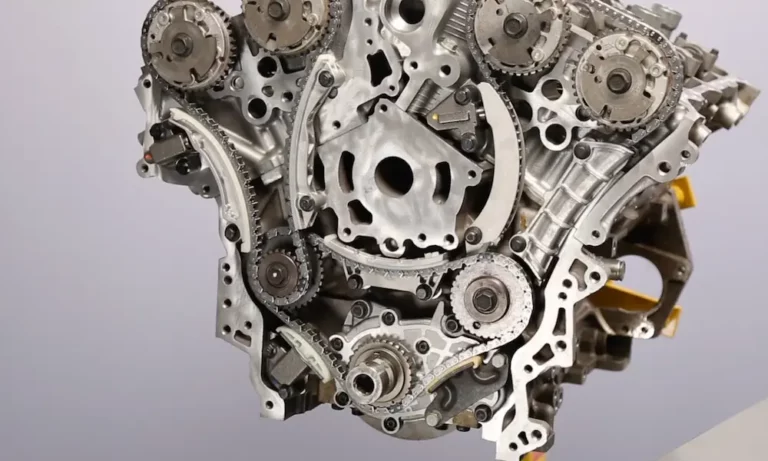
Timing chain replacement typically happens between 100,000 and 150,000 miles across all variants. The 3.6L uses three timing chains—one primary and two secondary—and they all depend on proper oil pressure.
Warning signs include:
- Rattling noise when starting the engine (especially when cold)
- Check engine light with codes P0016, P0017, P0018, or P0019
- Rough idle or performance issues
Replacement costs run $3,000-5,000, making this one expensive repair. The good news? Post-2012 engines with proper oil changes rarely experience catastrophic timing chain failures.
Prevention is simple: change your oil frequently with quality synthetic. The chains don’t fail because they’re poorly designed (not anymore, anyway). They fail because people don’t change their oil often enough.
Oil Consumption: A Feature, Not a Bug
All direct-injection 3.6L engines consume oil. Expect 0.5-1.0 quarts per 2,000 miles under normal driving.
GM says this is fine. You’ll say it’s annoying. Either way, it’s reality.
The key to longevity isn’t fighting the oil consumption—it’s managing it. Check your oil every fill-up or every 1,000 miles. Never let it drop below the “add” mark on the dipstick.
Use high-quality synthetic oil meeting DEXOS specifications. Cheap oil won’t cut it with these engines.
Water Pump Failures: Plan for It
Water pump failures typically occur around 100,000-150,000 miles. When they fail, you risk catastrophic overheating.
Replacement costs $1,500-2,500, depending on where you go. It’s expensive because the water pump is buried behind the timing chains on most applications.
Smart move? Replace it preventively at 150,000 miles, especially if you’re already doing timing chains. You’ll save the labor cost of going back in later.
Additional Issues Worth Knowing
Timing cover gasket leaks show up around 80,000-120,000 miles on LFX and newer engines. They’re not catastrophic, but they make oil consumption worse. Fix them before they become a problem.
Carbon buildup on intake valves affects all direct-injection variants. Unlike port injection, which sprays fuel across the intake valves and cleans them, direct injection sprays fuel directly into the cylinders. The valves get crusty.
Professional carbon cleaning every 60,000-80,000 miles keeps your engine running smoothly. Ignore it, and you’ll notice rough idle, misfires, and performance loss.
How Different Vehicles Affect Engine Life
The same engine can last different amounts of time depending on what vehicle it’s in and how you drive it.
| Vehicle Type | Typical Usage | Expected Life Expectancy |
|---|---|---|
| Sedans (CTS, Impala) | Highway commuting | 200,000-250,000 miles |
| SUVs (Traverse, Acadia) | Family hauling, mixed driving | 200,000-250,000 miles |
| Trucks (Colorado, Canyon) | Towing, work duty | 180,000-220,000 miles |
| Performance (Camaro) | Spirited driving | 150,000-200,000 miles |
Towing and heavy loads stress the engine more, particularly the timing chains and cooling system. If you regularly tow with your Colorado or Traverse, stick to shorter oil change intervals and watch your coolant temperature.
Commercial vehicles and taxis using the 3.6L demonstrate its durability potential when maintained properly. These vehicles often exceed 250,000 miles because they follow strict maintenance schedules.
What Actual Owners Are Reporting
Real-world data tells a more complete story than any spec sheet.
Owners of post-2013 LFX engines routinely report 200,000+ miles without major issues. Many have crossed 250,000 miles with nothing more than routine maintenance and timing chain replacement.
One Colorado owner with 195,000 miles reports zero engine problems beyond regular maintenance. Another Terrain owner hit 200,000 miles on the original engine and transmission.
The pattern is clear: engines that get frequent oil changes last. Engines that don’t, don’t.
Early LLT engines tell a different story. Plenty of owners experienced timing chain failures before 100,000 miles, even with dealer-recommended maintenance. That’s why the special coverage existed.
Your Maintenance Schedule for Maximum Life
Forget what the owner’s manual says about oil changes. GM’s oil life monitoring system calculates intervals between 7,500-10,000 miles. That’s too long for the 3.6L.
Here’s what actually works:
Oil changes every 3,000-5,000 miles using DEXOS-approved full synthetic oil. This single habit prevents 90% of the problems these engines experience.
Check oil level every 1,000 miles. Don’t wait for the low oil light—it comes on too late. Keep oil topped up between changes.
Replace timing chains at 120,000-150,000 miles. Don’t wait for symptoms. Preventive replacement costs the same as reactive replacement, but you avoid the risk of catastrophic engine damage.
Replace the water pump at 150,000 miles. If you’re doing timing chains, replace the water pump at the same time. The labor overlaps significantly.
Carbon cleaning every 60,000-80,000 miles for direct-injection engines (LLT, LFX, LGX, LGZ). This maintains performance and prevents misfires.
Use premium fuel occasionally. While these engines run fine on 87 octane, running a tank of 91 or 93 every few fill-ups can help reduce carbon deposits.
| Maintenance Item | Interval | Cost Range |
|---|---|---|
| Oil change (synthetic) | 3,000-5,000 miles | $60-100 |
| Timing chains | 120,000-150,000 miles | $3,000-5,000 |
| Water pump | 150,000 miles | $1,500-2,500 |
| Carbon cleaning | 60,000-80,000 miles | $300-600 |
| Spark plugs | 60,000-100,000 miles | $200-400 |
Which Generation Should You Buy?
If you’re shopping for a vehicle with the 3.6L, prioritize the generation over the model year.
Best choice: 2013-2017 LFX. These engines have the updated timing chain design and years of proven reliability. They offer the best balance of power, reliability, and reasonable repair costs if something does go wrong.
Good choice: 2018+ LGX/LGZ. The current engines continue the reliability improvements and add modern technology. Just be aware that AFM systems can have their own issues, particularly with the PCV valve.
Proceed with caution: 2008-2012 LLT. Only buy if the timing chains have been replaced and you’re getting a great deal. Budget for potential repairs.
Pass: 2004-2011 LY7. Unless the vehicle has full service records showing frequent oil changes and timing chain replacement, the risk outweighs the reward.
The Bottom Line on 3.6L Longevity
The GM 3.6L engine can absolutely deliver 200,000+ miles of reliable service. You’re not gambling with a ticking time bomb—you’re buying into a proven engine family that demands proper care.
The catch is that “proper care” means more than following GM’s recommendations. You need to change oil more frequently, monitor oil levels religiously, and address known issues before they become catastrophic.
Post-2012 variants offer the best reliability, with the 2013+ LFX engines representing the sweet spot. These engines have the improved timing chain design and years of real-world data showing they’ll go the distance.
If you commit to 3,000-5,000 mile oil changes, regular oil level checks, and preventive timing chain replacement around 120,000-150,000 miles, you’ll likely get 250,000 miles or more from your 3.6L.
Skimp on maintenance, and you’ll be lucky to see 100,000 miles.
The choice—and the engine’s fate—is entirely in your hands.