Dealing with engine problems is never fun, especially when they hit your wallet hard. If you’ve got a vehicle with GM’s 3.6L V6 engine, you might already be familiar with some common issues—or perhaps you’re researching before buying one. Either way, understanding these problems can save you thousands in repairs and countless headaches.
The Evolution of GM’s 3.6L Engine
GM’s 3.6L “High Feature” V6 engine first appeared in 2004 in the Cadillac CTS. Since then, it’s undergone several iterations, with each generation addressing previous problems—some more successfully than others.
Early Generations (2004-2012): The Trouble Years
The original LY7 and LLT variants represent the most problematic period for the 3.6L engine. The 2008 introduction of direct injection technology in the LLT engines actually made things worse, with these engines becoming notorious for catastrophic failures.
These early engines suffered from fundamental design issues that led to:
- Premature timing chain wear
- Excessive oil consumption
- Water pump failures
- PCV system problems
Modern Versions (2012-Present): Significant Improvements
The LFX engine (2012) marked a turning point in reliability. GM engineers addressed many timing system issues through redesigned components. The current LGX and LGZ variants (2016-present) represent the most reliable iteration, though they still have some inherent design limitations.
Major Problem #1: Timing Chain System Failures
The most severe and expensive issue affecting GM 3.6L engines involves timing chain stretch and related component failures. This problem primarily hit engines from 2007-2012, with the LLT variant being particularly susceptible.
Warning Signs of Timing Chain Problems
Pay attention to these symptoms—they could save your engine:
- Rattling noises from the engine, especially during cold starts
- Check engine light with codes P0008, P0017, P0016, P0018, or P0019
- Gradually worsening engine performance and fuel economy
- Rough idle or hesitation when accelerating
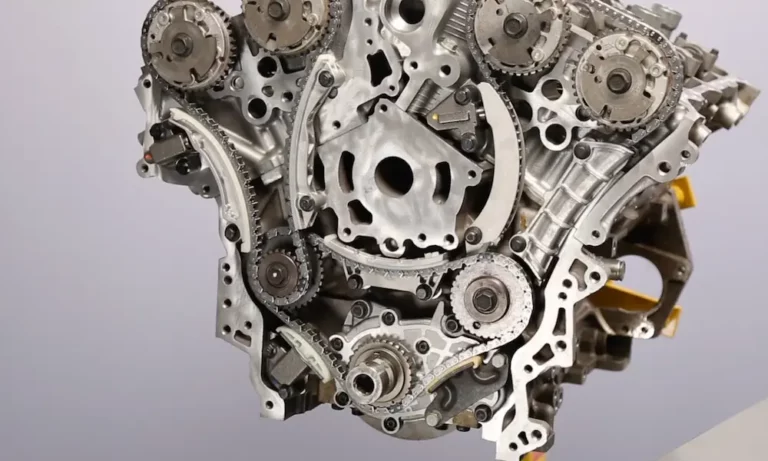
The timing system in these engines uses three chains: one primary chain connecting the crankshaft to the intermediate shaft, and two secondary chains connecting to the intake and exhaust camshafts. When these chains stretch beyond acceptable tolerances, the precise timing required for proper engine operation is lost.
What Causes Timing Chain Problems?
The timing chain issues stem from several interconnected factors:
- The tensioner system relies on oil pressure to maintain proper chain tension
- When oil levels drop due to consumption issues, the tensioners cannot maintain adequate pressure
- GM’s original oil change interval recommendations (8,000-12,000 miles) proved too long for these engines
Financial Impact
If you’re facing timing chain repairs, brace yourself:
- Typical repair costs: $3,000-$6,000 depending on damage extent
- In severe cases with valve damage: $8,000+ for complete engine replacement
Major Problem #2: Excessive Oil Consumption
Many GM 3.6L engines burn oil at an alarming rate. GM considers consumption of one quart every 2,000 miles to be “normal” for these engines—a specification many owners find unacceptable.
Why These Engines Burn Oil
The primary culprit is the Positive Crankcase Ventilation (PCV) system design. Unlike traditional engines with replaceable PCV valves, the 3.6L uses a “valveless” system with restrictive orifices that become clogged over time. When the PCV system fails, excessive crankcase pressure develops, forcing oil past seals and into the combustion chambers.
Additional causes include:
- Worn piston rings, particularly in high-mileage engines
- Valve stem seal deterioration
- Carbon buildup on piston rings restricting proper sealing
The Chain Reaction
High oil consumption directly contributes to timing chain problems by reducing oil available for tensioner operation. Additionally, oil starvation can cause bearing damage and complete engine seizure.
Major Problem #3: Water Pump Failures
Water pump failures occur frequently in GM 3.6L engines, typically between 80,000-120,000 miles. Unlike timing belt-driven pumps in some engines, the 3.6L uses an engine-driven water pump that experiences more stress.
Signs of Water Pump Problems
- Gradual coolant leaks that may not be immediately visible
- Complete pump seizure leading to rapid overheating
- Bearing failure causing noise and wobble
Water pump replacement requires significant disassembly, including removal of the engine mount and various covers, contributing to labor costs of $800-$1,500.
Major Problem #4: Direct Injection Carbon Buildup
Engines equipped with direct injection (2008 and later) suffer from carbon buildup on intake valves. Unlike port-injected engines where fuel washes the valve backs, direct injection sprays fuel directly into the cylinders, leaving intake valves susceptible to deposits from crankcase vapors.
Symptoms of Carbon Buildup
- Rough idling and misfires
- Reduced power and fuel economy
- Check engine light with misfire codes
Prevention and Treatment
Regular intake cleaning every 60,000-80,000 miles can prevent severe buildup. Some owners install catch cans to reduce oil vapor entering the intake system.
Major Problem #5: Camshaft Position Sensor Failures
The 3.6L engine uses four camshaft position sensors that frequently fail. These sensors provide critical timing information to the engine control module, and their failure can mimic timing chain problems.
Diagnostic Challenges
Sensor failures often present with the same diagnostic trouble codes as timing chain issues (P0008, P0017, etc.), leading to misdiagnosis. Proper diagnosis requires oscilloscope testing to distinguish between sensor and mechanical timing problems.
Reliability by Model Year
2004-2007 (LY7): Moderate Issues
Early engines showed reasonable reliability but exhibited initial oil consumption problems. These port-injected engines avoid direct injection carbon issues but still suffer from PCV system limitations.
2008-2012 (LLT): Severe Problems
This period represents the worst reliability era for the 3.6L engine. The combination of direct injection, aggressive oil change intervals, and timing system defects created a “perfect storm” of failures.
- Timing chain failures commonly occurred between 30,000-80,000 miles
- Piston ring problems led to excessive oil consumption
- Water pump failures became more frequent
2013-2016 (LFX): Significant Improvement
The LFX engine addressed many LLT problems through redesigned timing components and improved manufacturing processes. However, these engines still exhibit:
- Occasional timing chain issues, particularly in 2012 models that carried over LLT components
- Water pump failures remain common
- Direct injection carbon buildup continues
2016-Present (LGX/LGZ): Best Reliability
Current engines represent the most reliable 3.6L variant. Primary remaining issues include:
- Timing cover oil leaks
- Water pump failures at typical service intervals
- Direct injection maintenance requirements
Essential Maintenance to Avoid Problems
Oil Service Protocol
The most critical maintenance factor for 3.6L engine longevity is aggressive oil service. Despite GM’s recommendations for extended intervals, successful long-term operation requires:
- Oil changes every 4,000-5,000 miles maximum
- Use of high-quality full synthetic oil (5W-30 specification)
- Regular oil level monitoring between services
The importance of frequent oil changes cannot be overstated. Engines maintained with 3,000-4,000 mile intervals show dramatically better timing chain longevity and reduced internal wear.
PCV System Maintenance
Early recognition and correction of PCV system problems can prevent major damage. Signs of PCV failure include:
- Oil in the intake tube or air filter housing
- Excessive crankcase pressure
- Oil consumption above normal levels
Timing System Monitoring
Regular monitoring for timing chain problems allows early intervention before catastrophic failure. Warning signs include:
- Any unusual engine noise, particularly metallic rattling
- Diagnostic codes related to cam/crank correlation
- Rough idle or reduced performance
Long-Term Ownership Considerations
How Long Will These Engines Last?
Well-maintained 3.6L engines can achieve 200,000+ miles with proper care. However, this requires:
- Aggressive maintenance schedules
- Prompt attention to early warning signs
- Quality replacement parts when repairs are needed
Cost of Ownership
Beyond normal maintenance, 3.6L engine owners should budget for:
| Potential Repair | Typical Cost Range |
|---|---|
| Timing chain service | $3,000-$5,000 (primarily LLT engines) |
| Water pump replacement | $800-$1,500 |
| PCV system repairs | $200-$400 |
| Direct injection cleaning | $400-$800 |
Buying Guide: Which Version to Choose
For prospective buyers, engine variant selection is critical:
- Avoid 2008-2012 LLT engines unless maintenance history is exemplary
- 2013+ LFX engines offer improved reliability with proper maintenance
- 2016+ LGX/LGZ engines represent the best option for reliability
The Verdict on GM’s 3.6L V6
The GM 3.6L V6 engine’s troubled history serves as a cautionary tale about the importance of maintenance. While early variants suffered from severe design flaws that led to catastrophic failures, General Motors has made significant improvements in recent iterations.
For current owners, success depends on understanding the engine’s specific needs:
- Frequent oil changes with quality synthetic lubricants
- Proactive monitoring for early warning signs
- Prompt attention to maintenance requirements
The evolution from the problematic LLT to the more reliable LGX demonstrates that these engines can provide satisfactory service when properly maintained and when selecting appropriate model years. However, the complex nature of these engines and their history of expensive failures makes them unsuitable for owners seeking worry-free, low-maintenance transportation.
If you’re shopping for a vehicle with this engine, strongly consider a 2016 or newer model with the LGX/LGZ engine variant. And regardless of which version you have, stick to a strict maintenance schedule—your wallet will thank you.