The 5R55S automatic transmission is found in many Ford vehicles, but it can come with its set of challenges. Common problems include gear slips, harsh shifting, and issues with the torque converter, impacting your driving experience. Understanding these problems can lead to solutions that extend your transmission’s lifespan. Stick around to explore how you might tackle these issues and get your vehicle running smoothly again.
Understanding the 5R55S Transmission
The 5R55S is a five-speed automatic transmission used in various Ford and Mazda vehicles. It is known for strength and reliability but does encounter some issues. Key components like the valve body and servo play crucial roles, and understanding these can help you identify and address common problems.
Components and Functionality
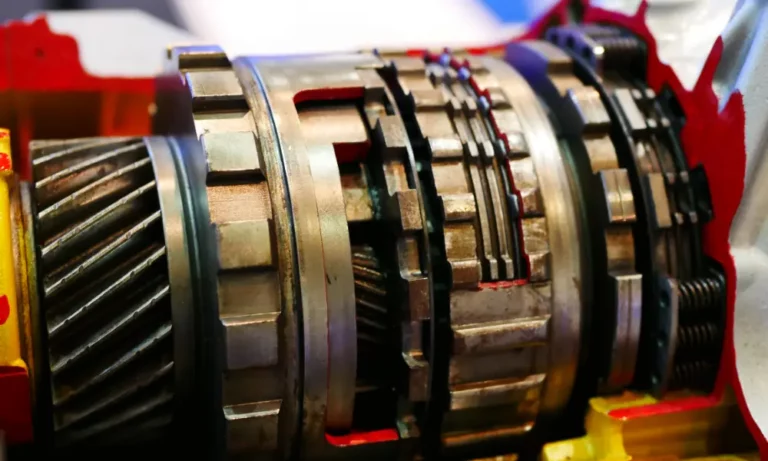
The 5R55S transmission consists of several essential parts. The valve body controls the flow of hydraulic fluid to engage different gears. If you experience hard shifts, the valve body might need attention. The servo assists in engaging the band, which holds the gear in place. Faulty servos can cause slipping gears.
Another important part is the torque converter, which transfers power from the engine to the wheels. A malfunction here can result in poor performance. The shift solenoid regulates gear changes, while the solenoid pack ensures smooth transmission operation. Regular oil checks are vital for keeping these components in good working order and preventing overheating or leaks.
Differences Between 5R55S and Other Models
The 5R55S and its variant, the 5R55W, share many features but differ slightly in terms of gear ratio and calibration. This affects how they handle speed and torque. Unlike its predecessor, the 5R55N, the 5R55S provides smoother transitions between gears.
Differences also lie in the shift solenoid operations and valve body designs, which can impact how they react under heavy loads. Understanding these differences can help you choose the right model for your vehicle. Regular maintenance of the solenoid pack and checking for leaks are crucial to prolonging the life of your transmission, whether you have a 5R55S or another model.
Common 5R55S Transmission Issues
When it comes to the 5R55S transmission, there are several common problems you might encounter. Understanding these can help you anticipate issues and take preventive measures to maintain your vehicle.
Fluid Leaks and Contamination
Fluid leaks in your 5R55S transmission can lead to significant problems. A leak might be due to worn-out seals or gaskets, causing transmission fluid to escape. When the fluid level drops, you might experience slipping gears or even transmission failure.
Contamination of the transmission fluid by dirt or debris can interfere with oil flow. This contamination can cause components to wear more quickly and result in costly repairs. Regularly checking and replacing the transmission fluid can help prevent these issues.
Overheating Concerns
Overheating is a frequent issue with the 5R55S transmission. This can happen due to low transmission fluid levels or a malfunctioning cooling system. When the transmission overheats, it can lead to harsh shifts and bind-up on shifts.
An overheated transmission might exhibit symptoms like slipping gears or unusual noises. To avoid such issues, ensure that your cooling system is functioning correctly and keep an eye on fluid levels. Preventive maintenance could save you from extensive damage and costly repairs.
Electronic and Sensor Malfunctions
Electronic components and sensors play a crucial role in the functioning of the 5R55S transmission. Problems with shift solenoids or sensors can lead to delays in gear shifting or even complete transmission failure.
These malfunctions might be caused by electrical issues or a breakdown in communication with the power control module. Symptoms include erratic shifting or failed gear engagements. Keeping the vehicle’s electrical system in good condition is essential to avoid these issues.
Mechanical Wear and Tear
Mechanical wear and tear can also impact the performance of your 5R55S transmission. Over time, parts like clutches and bands may wear out, leading to slipping gears or pressure loss.
Regular inspections can help identify early signs of wear. If you notice problems like difficult gear changes or a rough ride, it might be time to have your transmission checked. Addressing mechanical wear promptly can help extend the life of your transmission.
Troubleshooting 5R55S Issues
When dealing with 5R55S transmission problems, it’s important to focus on diagnostics, fluid inspection, and shift quality. These areas help identify and address common issues like slipping gears or hard shifts.
Reading Diagnostic Codes
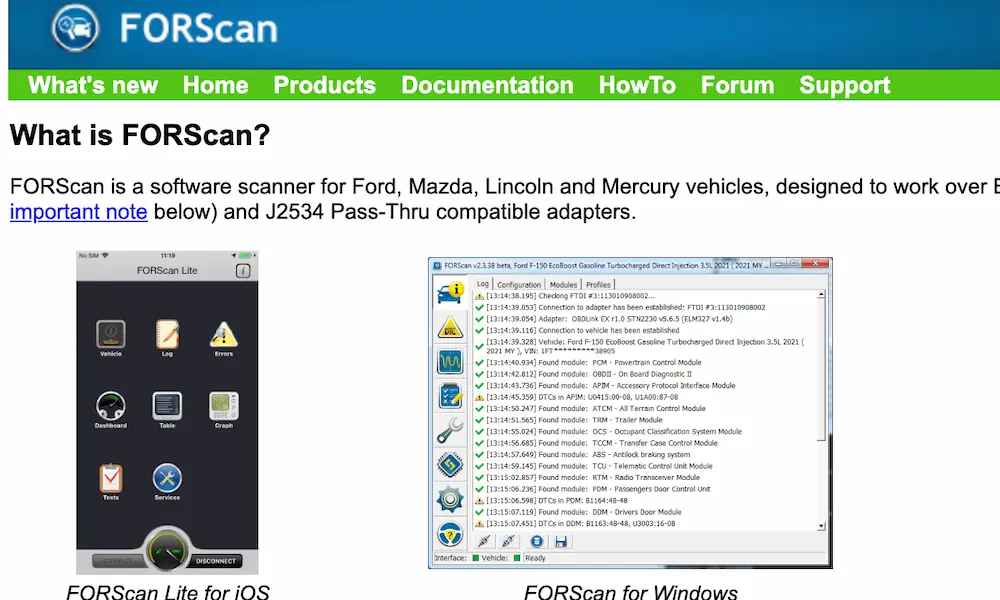
Start by looking for any error codes using a diagnostic scanner. These codes can often indicate specific issues with the transmission, such as a faulty shift solenoid or problems with the power control module. A lit check engine light is a clue that something’s off.
Ensure the scanner you use is compatible with your vehicle. Once you identify the codes, look up their meaning to understand what issues you’re facing. This step saves time by pointing you to the exact problem area.
Inspecting Transmission Fluid Quality
Check the condition of your transmission fluid as it plays a crucial role in your transmission’s performance. Low or dirty automatic transmission fluid can lead to overheating or gear slipping. First, make sure the fluid level is adequate using the dipstick.
Next, look at the color and smell. Healthy fluid is usually a clear red. If the fluid is dark or has a burnt smell, it may be time for a fluid change. Having the fluid clean and at the right level ensures that the transmission doesn’t work harder than it needs to.
Assessing Shift Quality
Pay attention to how your transmission shifts gears. A smooth shift means everything is likely working well, but problems are indicated by harsh or delayed shifting. Listen for unusual noises or vibrations during gear changes.
One way to improve shift quality is to ensure the shift solenoid is functioning properly. It controls the flow of transmission fluid, crucial for smooth shifts. If you’re not comfortable diagnosing this yourself, it may help to consult your mechanic. Keeping an eye on these details can make a big difference in maintaining your transmission’s health.
Repair and Replacement Options
Addressing issues with a Ford 5R55S transmission requires a good understanding of repair and replacement choices. It’s important to weigh the benefits of professional repairs against the potential savings of DIY approaches, consider costs, and ensure high-quality parts are used.
Professional vs. DIY Repair
You have two main options for fixing a faulty transmission: hiring a professional or doing it yourself.
A professional transmission repair shop has experienced mechanics who can identify and resolve issues accurately. They handle complex tasks like replacing a pump or bearing with ease. Choosing a professional is often best for those who lack experience or need a comprehensive fix, even if it costs more.
On the other hand, a DIY approach can be less expensive. If you have the right tools and skills, you might try this option for simpler fixes, like adjusting a band or replacing a sonnax. It’s important to follow guides and videos online for successful repairs. If issues are too complicated, it’s safer to consult a professional.
Cost Considerations
Repair costs vary widely based on the extent of the damage and who does the work. Professional repairs can range from $1,100 to $1,400, while replacements might soar to $2,900 to $4,200. These figures can change depending on your location and the specific transmission issues.
DIY repairs may reduce costs significantly since you can avoid labor fees. You could only need to buy the necessary parts, which can be purchased individually. However, always consider your skills and if it’s worth possibly spending more later on a professional job if things go wrong.
Finding Quality Parts
When repairing your 5R55S transmission, quality is key. Using reliable parts ensures the longevity of your repair. Look for well-reviewed parts at auto shops or online retailers. Brands that specialize in transmission components may offer the best quality.
When searching for parts like bands, bearings, or a pump, ensure they meet the model’s specifications. User forums and reviews can guide you towards parts that others have successfully used. Some sellers might offer warranties or return policies, which can protect your investment. Always double-check compatibility with your vehicle’s transmission model.
Vehicle Specific Concerns
When dealing with the 5R55S transmission in various vehicles, some specific issues to watch for include gear slipping and overheating. Different models like the Ford Explorer, Ford Mustang, and Ford Thunderbird each face unique challenges with this transmission.
Ford Explorer and 5R55S
If you drive a Ford Explorer equipped with the 5R55S transmission, you may experience slipping gears and overheating issues. The transmission might slip due to problems with clutches or the torque converter. These issues may reduce the performance and power of your vehicle.
Regularly check your oil levels to prevent overheating, which is common in the Explorer. Consider addressing any fluid leaks early to ensure the transmission stays cool and functions smoothly.
Ford Mustang Challenges
For Ford Mustang owners, the 5R55S may bring about specific challenges like harsh engagement, particularly during shifts. If you notice delayed or rough shifts, it might be due to worn servos or solenoid block issues. These problems can lead to uncomfortable and potentially unsafe driving conditions.
Make sure to flush your transmission fluid regularly and inspect the solenoid packs. Fixing these can improve the Mustang’s shift quality and overall driving experience. If needed, seek assistance from a professional mechanic who understands these issues well.
5R55S in the Ford Thunderbird
Your Ford Thunderbird might also encounter challenges similar to those in other models. Overheating and slipping are common problems that need attention. Pay extra attention to temperature gauges and unusual noises during gear shifts, as these could signal underlying issues.
Keeping an eye on your oil and fluid levels is crucial in preventing damage. If you face persistent trouble, it might be worthwhile to consult with technicians who specialize in Ford Thunderbird transmissions. They can offer targeted advice to maintain the health of your vehicle’s transmission.