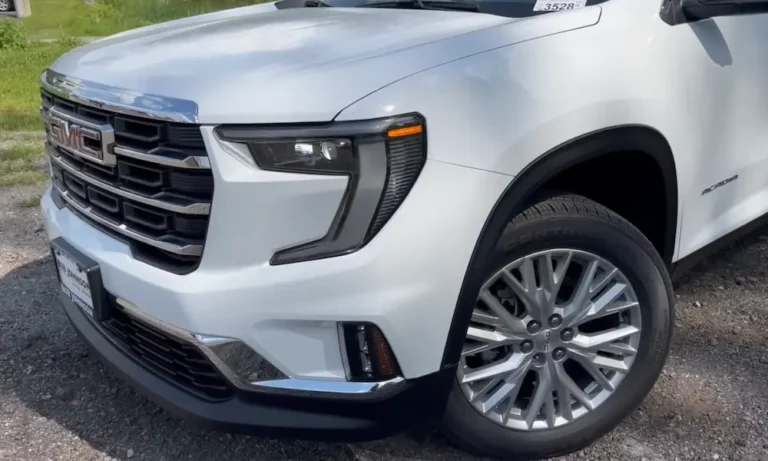
Thinking about buying a GMC Terrain but worried about getting stuck with a money pit? I’ve analyzed years of reliability data, owner experiences, and expert ratings to give you the straight facts on this popular compact SUV.
GMC’s Terrain shows mixed reliability overall, with some model years shining while others have significant problems. With RepairPal giving it a 3.5 out of 5.0 reliability score and ranking it 22nd out of 26 compact SUVs, you’ll want to choose your model year carefully.
Let’s dig into what makes some Terrains reliable daily drivers while others become frequent visitors to repair shops.
GMC Terrain Reliability Ratings: What Experts Say
The GMC Terrain receives varied reliability scores depending on who you ask:
- RepairPal: 3.5/5.0 reliability rating, ranking 22nd out of 26 compact SUVs
- J.D. Power: 83-88/100 for recent models (2018-2025)
- Consumer Reports: “About average reliability” prediction for newer models
The average annual repair cost for a GMC Terrain is $558, which is higher than many competitors but not outrageous for the segment. The issue isn’t just cost, though—it’s frequency and severity. When Terrains need repairs, they’re often more serious than the average SUV’s problems.
Best and Worst GMC Terrain Model Years
Not all Terrains are created equal. Some model years are significantly more reliable than others.
Best GMC Terrain Years to Buy
- 2016-2017: The most reliable first-generation models after years of refinements
- 2020-2021: Peak reliability for the current generation with strong J.D. Power scores of 88/100
- 2023-2024: Recent models showing improved reliability with scores of 85-88
GMC Terrain Years to Avoid
- 2010-2013: Plagued with severe engine oil consumption, transmission failures, and timing chain issues
- 2018-2019: Early second-generation models suffered from engine stalling, coolant system failures, and transmission problems
- 2022: Multiple recalls including fuel pump failures and electrical system issues
Common GMC Terrain Problems by Generation
First Generation (2010-2017): The Growing Pains
The first-generation Terrain had significant reliability challenges, especially in early models:
- Excessive Oil Consumption: The 2.4L four-cylinder engine in 2010-2015 models often burned through oil at an alarming rate. Many owners reported adding multiple quarts between oil changes, with some experiencing complete engine failure.
- Transmission Failures: Six-speed automatic transmissions would develop rough shifting, gear slippage, and complete failures around 60,000-90,000 miles—often just after warranty expiration.
- Timing Chain Issues: Timing chains in the 2.4L engines would stretch and eventually break, causing catastrophic engine damage. This typically required a complete engine replacement costing thousands.
Second Generation (2018-Present): Improved but Imperfect
The redesigned Terrain fixed some problems but introduced new ones:
- Engine Stalling: 2018-2019 models experienced power loss while driving, creating dangerous situations on highways.
- CVT Transmission Problems: Front-wheel-drive models developed hesitation, rough shifting, and failures at surprisingly low mileage. Some 2024 Terrain owners experienced transmission failures with fewer than 1,500 miles.
- Fuel System Issues: A major recall affected 2021-2022 models due to fuel pump module defects that could cause engine stalling.
Long-Term Ownership Costs: What to Expect
If you’re planning to keep your Terrain for years, budget accordingly:
- Annual Maintenance: Expect to spend about $558 per year, which is average for the class
- Common Repair Costs:
- Fuel injector replacement: $694-$901
- Engine oil pan replacement: $590-$758
- AC compressor replacement: $970-$1,227
- Transmission repairs: $2,000-$4,000+ for major issues
Expected Lifespan
With proper maintenance, GMC Terrains typically last 200,000-220,000 miles. This is respectable but falls short of competitors like the Toyota RAV4 (300,000 miles) and Honda CR-V (250,000 miles).
To maximize your Terrain’s lifespan:
- Change oil every 3,000 miles (not 7,500 as specified)
- Monitor oil level every 2,000 miles
- Change transfer case fluid every 20,000-30,000 miles
- Have timing chain inspected for first-generation models
Safety and Recalls: An Important Consideration
Safety Ratings
The Terrain performs well in safety tests:
- NHTSA: 5-star overall ratings for recent model years
- IIHS: Some years earned “Top Safety Pick+” designation
- The 2020 and 2023 models appear on IIHS’s list of best choices for teen drivers
Recent Recalls
Recent model years have had concerning recall activity:
- 2024 Models: Door striker fracture recall where doors may open unexpectedly while driving
- 2023 Models: Child seat anchor recall due to excessive powder coating preventing proper LATCH installation
- 2022 Models: Fuel pump module recall causing potential engine stalling
The 2022 model year faced four separate recalls, making it one to approach with caution.
How the GMC Terrain Compares to Competitors
Reliability Rankings in Class
Among compact SUVs, the Terrain ranks near the bottom for reliability:
| SUV Model | Reliability Score | Annual Repair Cost | Class Ranking |
|---|---|---|---|
| Honda CR-V | 4.5/5.0 | $407 | #2 |
| Toyota RAV4 | 4.0/5.0 | $429 | #8 |
| Mazda CX-5 | 4.0/5.0 | $481 | #7 |
| GMC Terrain | 3.5/5.0 | $558 | #22 |
Where the Terrain Shines
Despite reliability concerns, the Terrain offers several advantages:
- Lower purchase prices than Honda and Toyota equivalents
- More upscale interior materials and features as standard
- Stronger warranty coverage (5 years/60,000 miles powertrain)
- Better towing capacity than most compact SUV rivals
Where It Falls Short
Compared to competitors, the Terrain struggles with:
- Significantly lower reliability scores across all metrics
- Higher long-term ownership costs due to more frequent major repairs
- Shorter expected lifespan (200K vs 250K+ for competitors)
- More severe problems when issues do occur
Warranty Coverage: Your Safety Net
GMC provides decent warranty protection for new Terrain models:
- Bumper-to-bumper: 3 years/36,000 miles
- Powertrain: 5 years/60,000 miles
- Roadside assistance: 5 years/60,000 miles
- Rust protection: 6 years/100,000 miles
Extended warranty options include Silver and Platinum protection plans covering up to 8 years/100,000 miles. Given the Terrain’s reliability history, an extended warranty is worth considering.
What Owners Say: Real-World Experiences
The Good
Many Terrain owners are genuinely happy with their vehicles, particularly praising:
- Comfortable ride quality
- Spacious interior
- User-friendly technology
- Improved fuel economy in 2018+ models
Long-term owners with well-maintained examples report reliable service with mainly routine maintenance. Several owners have successfully reached 150,000+ miles with 2018-2021 models experiencing only minor issues.
The Bad
The most common complaints from owners focus on:
- Transmission problems: Jerky shifting, hesitation, and complete failures across multiple model years
- Engine performance: Reduced power delivery, excessive noise, and continued oil consumption in some newer models
- Reliability concerns: Disappointment when major components fail relatively early in the vehicle’s life
Key Takeaways: Is a GMC Terrain Right for You?
After analyzing all the data, here’s my honest assessment:
- Choose your model year carefully: Stick with 2016-2017, 2020-2021, or 2023-2024 models for the best reliability.
- Budget for higher maintenance: The Terrain will likely cost more to maintain than segment leaders like the Honda CR-V and Toyota RAV4.
- Consider an extended warranty: Given the Terrain’s mixed reliability record, additional protection is valuable insurance.
- Maintain religiously: Following a stricter maintenance schedule than the manufacturer recommends can help avoid major issues.
- Know the warning signs: Learn the common problems for your specific model year so you can address issues early.
If you prioritize reliability above all else, competitors like the Honda CR-V, Toyota RAV4, and Mazda CX-5 offer superior long-term dependability with lower ownership costs. However, if you’re drawn to the Terrain’s styling, features, and pricing, selecting the right model year and maintaining comprehensive warranty coverage can help mitigate reliability concerns.
The GMC Terrain can be a reliable vehicle when you choose the right model year and stay on top of maintenance. Just be sure to do your homework before buying, and ideally, have a pre-purchase inspection done by a mechanic familiar with GMC vehicles.