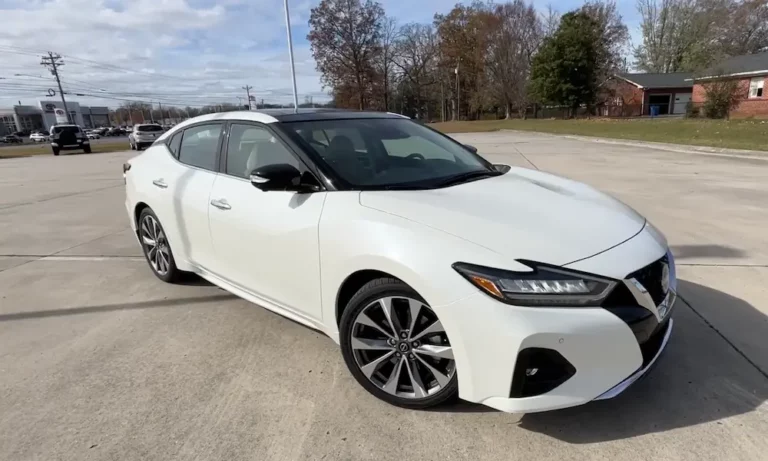
Thinking about buying a Nissan Maxima but worried it’ll drain your wallet? You’re asking the right questions. The answer isn’t simple—it depends heavily on which model year you choose. Let’s break down what you need to know before signing any papers.
What Makes a Nissan Maxima Reliable (or Not)
Are Nissan Maximas reliable? Here’s the short answer: they’re above average, but with some serious caveats. The Maxima earns a solid 4.0 out of 5.0 reliability rating from RepairPal, ranking 9th out of 32 full-size sedans. Not bad, right?
But here’s the catch—reliability swings wildly between generations. Some years will treat you right. Others? They’ll make you regret ever setting foot in a dealership.
The average Maxima owner spends around $540 yearly on repairs, which beats the $590 average for full-size cars. That sounds promising until you compare it to rivals like the Honda Accord ($400) or Toyota Camry (even less).
Here’s where it gets interesting: only 13.4% of Maximas reach 200,000 miles. Compare that to the Accord’s 30% and Camry’s 31.9%, and you’ll see why some buyers hesitate.
The Years You Should Avoid Like Bad Fish
2004-2008: The Nightmare Generation
If you remember one thing from this post, make it this: stay far away from 2004-2008 Maximas. These sixth-generation models earned the brutal “Avoid Like the Plague” label from CarComplaints—and they earned it.
The transmission problems alone should scare you off. Around 90,000-100,000 miles, these transmissions start acting possessed. We’re talking jerking, slamming between gears, and complete failure. Replacement costs? Try $2,500 to $3,500. Some owners reported their cars became downright dangerous to drive.
But wait, there’s more (unfortunately):
- Paint and clearcoat peeling off like sunburned skin—$3,400 to fix
- Engine stalling that’ll leave you stranded
- Timing system failures costing up to $2,130
- Floor pan rust so bad it sparked class-action lawsuits
2020: The Surprising Disappointment
You’d think a newer model would be safer, right? Not so fast. The 2020 Maxima shows concerning reliability patterns with a moderate chance of major repairs before hitting 100,000 miles. It’s also the only 2020s model with an NHTSA recall for rear glass window separation—not exactly confidence-inspiring.
The Sweet Spot Years for Reliability
2016-2019: Your Best Bet
Want a reliable Maxima? The eighth-generation models from 2016-2019 are your safest play. These cars represent everything Nissan learned from past mistakes.
Here’s what makes them stand out:
- High reliability scores with excellent safety ratings
- Far fewer recalls than earlier generations
- Improved CVT technology that doesn’t self-destruct
- Strong owner satisfaction across the board
Reddit owners with these models report trouble-free ownership—as long as they keep up with maintenance. That last part matters more than you’d think.
2009-2014: The Solid Middle Ground
The seventh-generation Maxima won’t wow you with cutting-edge tech, but it’ll get you where you’re going without drama. These models offer dependable performance at reasonable prices.
What’s working in their favor:
- Above-average reliability that won’t keep you up at night
- Maintenance costs that don’t require a second mortgage
- The proven VQ35DE V6 engine that actually lasts
The 2014 model year shines brightest in this generation. It earned CarComplaint’s dependable car certification, despite some owners reporting transmission noise (annoying but not catastrophic).
2000-2003: Budget-Friendly and Dependable
Looking for a cheap ride that won’t leave you stranded? The fifth-generation Maxima holds up surprisingly well. These older models skip the complicated electronics that plague newer cars.
Benefits include:
- Solid build quality from a simpler era
- Durable engines capable of serious mileage
- Lower purchase prices with decent dependability
Just know you’re buying an older car—expect some quirks and dated features.
Common Problems You’ll Actually Face
CVT Transmission Issues (The Big One)
Modern Maximas use Continuously Variable Transmissions, and they’re… controversial. While newer CVTs don’t fail as spectacularly as the 2004-2008 disasters, they still cause headaches.
Watch for these warning signs:
- Delayed acceleration that makes merging scary
- Whining or grinding noises that sound like a dying robot
- Red fluid leaks under your car
- Burning smells that mean overheating
Here’s the secret to CVT longevity: change the fluid every 30,000-50,000 miles. Owners who follow this schedule report significantly better transmission life. Skip it, and you’re gambling with a $3,000+ repair bill.
Engine and Timing Chain Drama
Timing chain problems pop up across multiple Maxima generations. You’ll know it’s happening when you hear:
- Rattling noises during cold starts
- Loss of power when accelerating
- That dreaded check engine light
Fixing it runs $950-$1,500—not cheap, but better than a blown engine.
Older models (1995-2009) also suffer from ignition coil failures around 130,000 miles. Budget $500-$660 for replacements.
Air Conditioning Failures
Nothing kills summer vibes like broken AC. Maximas across multiple years (2001, 2004-2012 especially) deal with leaking AC hoses. You’ll notice warm air blowing and low system pressure.
The fix costs $200-$400—annoying but manageable.
Electronic Steering Column Lock (2009-2010 Only)
If you’re considering a 2009-2010 model, know about the ESCL failure. This defect prevents your car from starting, and repairs top $1,000. The good news? Nissan offered free replacements through a service campaign.
What Ownership Actually Costs
Breaking Down the Numbers
Let’s talk real money. Beyond that $540 average annual repair cost, here’s what you’re looking at:
- 0.3 unscheduled repair shop visits yearly (pretty good, actually)
- 15% probability of severe repairs versus 12% average
- Five-year ownership costs ranging from $42,640 to $47,066 (including everything)
One more thing: most Maximas require premium fuel. That’s an ongoing cost many buyers forget about.
What Real Owners Say
Long-term ownership stories vary wildly depending on which year you buy. One owner documented a 20-year relationship with a 1997 Maxima—proof these cars can last with proper care.
Owners of 2017 models report 100,000+ trouble-free miles when they stay on top of CVT maintenance. That’s the pattern: diligent maintenance equals happy ownership.
But some folks experience significant problems within the first few years. Consumer Affairs reviews highlight premature component failures and dealers who don’t want to help. Your experience depends partly on luck and partly on how well you maintain the car.
How the Maxima Stacks Up Against Rivals
Maxima vs. Honda Accord
The Accord wins on pure reliability—no contest. It scores a 4.5/5 from RepairPal, costs less to maintain ($400 yearly), and holds its value better.
But the Maxima fights back with 300 horsepower versus the Accord’s 192. If you want more punch and don’t mind slightly higher maintenance, the Maxima delivers.
Maxima vs. Toyota Camry
The Camry is the reliability champion here. It scores 8.0/10 from iSeeCars, has that 31.9% chance of hitting 200,000 miles, and sips fuel more efficiently.
Where the Maxima wins: price. Higher depreciation means you’ll pay less for a used Maxima. You’re essentially trading long-term reliability for upfront savings and more power.
| Category | Maxima | Accord | Camry |
|---|---|---|---|
| Reliability Rating | 4.0/5 | 4.5/5 | Higher |
| Annual Repair Cost | $540 | $400 | Lower |
| 200k Mile Potential | 13.4% | ~30% | 31.9% |
| Horsepower (base) | 300 | 192 | 203 |
| 5-Year Depreciation | 54.2% | 34.9% | 35.5% |
Smart Buying and Ownership Strategies
Your Game Plan for Buying
Here’s how to buy a Maxima without regrets:
- Target 2016-2019 models for the best balance of reliability and features
- Run from 2004-2008 like your financial future depends on it (because it does)
- Verify CVT maintenance history before buying used—get receipts
- Consider extended warranties that cover CVT repairs
- Budget for premium fuel—most Maximas need 91+ octane
Maintenance That Actually Matters
Want your Maxima to last? Focus on these critical items:
CVT fluid changes every 30,000-50,000 miles (seriously, don’t skip this)
Full synthetic oil changes every 5,000-7,500 miles
Timing chain inspection around 100,000 miles on older models
AC system maintenance to catch those hose leaks early
Premium fuel usage to prevent knock and maximize performance
Skip any of these, and you’re asking for trouble.
The Bottom Line on Maxima Reliability
So, are Nissan Maximas reliable? They can be—if you’re smart about it.
The Maxima won’t match a Camry’s legendary dependability or an Accord’s consistent performance. But it offers distinctive styling, genuine power, and reasonable ownership costs when you buy the right year.
Your success depends on two things: avoiding the problematic years (especially 2004-2008) and committing to regular maintenance. Buy a 2016-2019 model, change that CVT fluid religiously, and you’ll probably be fine.
If you want maximum reliability and minimum stress, go with the Camry or Accord. They’re boring, but they work.
But if you want a powerful, distinctive sedan at competitive used prices, a carefully chosen Maxima can deliver satisfying long-term service. Just keep your eyes open, do your homework, and never skip that CVT fluid change.
The choice is yours—just make it an informed one.