You’re cruising down the highway when you hear it—that annoying whistle coming from your Nissan every time you press the gas pedal. It’s getting louder, and you’re wondering if you should be worried. The short answer? Yeah, you probably should be. But don’t panic just yet—we’ll walk you through what’s causing that noise and what you can actually do about it.
What’s Behind That Annoying Whistle?
The CVT Transmission Problem (The Big One)
If you own a Nissan, there’s a good chance your whistling noise is coming from the CVT transmission. It’s not what you want to hear, but it’s the reality for thousands of Nissan owners.
Nissan’s Continuously Variable Transmission uses pulleys and a steel belt instead of traditional gears. When things go wrong inside, you’ll hear it loud and clear.
How CVT whistling sounds: It’s a high-pitched whine that changes with your engine RPM, not your speed. At first, it’s barely noticeable—maybe just when the car’s cold. Then it gets progressively louder. Eventually, you’ll hear it all the time.
The noise usually means your CVT oil pump or internal pump bearings are failing. According to Nissan’s own technical service bulletin, “a slight whine noise when idling or accelerating can be due to engine oil pump, H-EPS power steering pump (if equipped), or CVT oil pump.”
Here’s the thing—this whistling doesn’t just stay annoying. It gets worse. You might notice:
- Transmission slipping when you accelerate
- Delayed engagement when shifting from park to drive
- Your car jerking into “fail-safe mode” out of nowhere
- The check engine light giving you that dreaded glow
Which Nissans are affected? Pretty much all of them with CVTs. The Altima, Sentra, Murano, Rogue, and Juke are the usual suspects, especially 2007-2018 models.
The 2013-2018 Altima gets hit particularly hard. Most owners report the whistling starting around 60,000-80,000 miles, with full transmission failure hitting between 80,000-120,000 miles.
Vacuum Leaks (The Sneaky Culprit)
Sometimes the nissan whistling noise when accelerating isn’t your transmission at all—it’s a vacuum leak.
Your engine needs precise vacuum pressure to run properly. When there’s a crack or hole in the system, unmetered air sneaks in and creates that distinctive whistling sound.
Why it gets louder when you accelerate: When you hit the gas, your throttle body opens wider. This creates more vacuum pressure, which amplifies any air leaking through compromised seals.
Common leak spots in Nissans include:
- Cracked intake manifold gaskets
- Old vacuum hoses that have turned brittle
- Faulty brake booster connections
- Worn throttle body seals
Other symptoms you might notice:
- Rough idling that feels off
- Your idle RPM sitting higher than usual
- Check engine light with P0171 or P0174 codes (lean mixture)
- Worse fuel economy than normal
The good news? Vacuum leaks are way cheaper to fix than transmission problems. The bad news? They can still mess with your engine performance if you ignore them.
Serpentine Belt Issues (The Morning Screamer)
Does your Nissan whistle mostly during cold starts? Your serpentine belt might be the troublemaker.
This belt drives your alternator, power steering pump, A/C compressor, and water pump. When it gets loose, contaminated, or worn, it slips against the pulleys and creates a whistling or squealing sound.
Belt whistling is loudest when:
- You first start the car in the morning
- The alternator’s working hard to recharge the battery
- You turn on the A/C
- You turn the steering wheel while stopped
Unlike transmission noise, belt whistling matches your engine RPM directly. You might also notice dimming headlights or harder steering if the belt’s really slipping.
Alternator bearings going bad? They create a whining noise that some folks compare to a supercharger sound. It’ll increase in pitch as your RPMs climb. Don’t ignore this one—a dead alternator leaves you stranded.
A/C System Problems (The Summer Surprise)
Some Nissans develop whistling noises specifically related to the air conditioning system.
When your A/C compressor bearings start failing, you’ll hear it most during acceleration because the engine load increases. The compressor has to work harder, and damaged bearings don’t stay quiet about it.
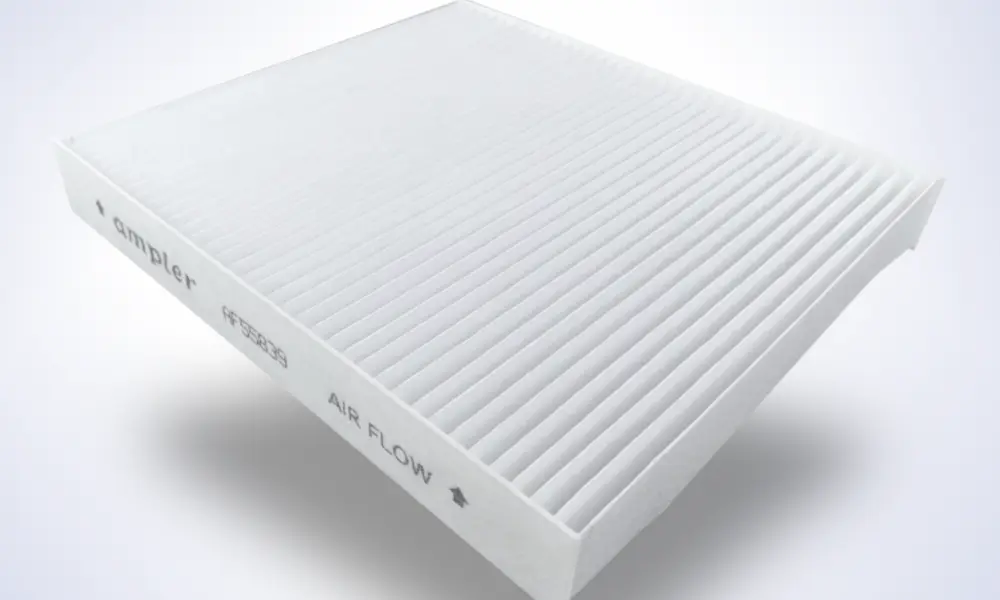
Here’s an easy one to check: Your cabin air filter might be completely clogged. When the HVAC system tries to push air through a restricted filter, it creates whistling sounds. This is literally one of the cheapest fixes you’ll find.
Is Your Specific Nissan Model Affected?
Altima (2013-2018): The CVT Disaster
If you drive an Altima from these years, you’re in the highest-risk group for CVT problems. Owner forums are filled with whistling complaints that follow the same pattern:
- Subtle whine starts around 60K miles
- Gets progressively worse over time
- Eventually needs full replacement
Some Altima owners report dealers initially saying the noise is “normal.” Don’t accept that answer if the whistling keeps getting louder.
Rogue (2014-2023): The Persistent Whiner
Rogue owners deal with similar CVT whistling issues. The 2014-2019 models are especially notorious. What’s frustrating is that some Nissan dealers dismiss the noise as “just how CVTs sound.”
Here’s the truth: some CVT noise is normal. But persistent whistling that gets louder over time? That’s internal damage developing.
Murano, Sentra, and Juke: Not Off the Hook
These models share the same CVT technology, which means they share the same problems. The Murano’s CVT issues often show up between 70K-100K miles.
Sentra owners report similar experiences, with transmission whistling starting subtly and building to a roar.
What Nissan Actually Says About It
Nissan issued technical service bulletin AT16-018C addressing CVT noise concerns. Basically, they acknowledge some CVT noise is normal but admit other noises signal real problems.
The bulletin tells technicians to check wheel bearings, drive shafts, and engine accessories before blaming the transmission. Why? Because CVT replacements are expensive, and they don’t want to replace transmissions unnecessarily.
Translation: They know there’s a problem, but they want to make sure it’s really the CVT before authorizing a costly repair.
How Mechanics Actually Diagnose This
The Road Test (Can’t Skip This)
Any decent mechanic will take your car for a test drive. They need to hear the nissan whistling noise when accelerating under real driving conditions.
They’re listening for:
- When exactly the noise happens (accelerating, idling, coasting)
- How the noise changes with speed and RPM
- Whether other symptoms appear (slipping, jerking, hesitation)
Here’s what they’re ruling out: Wheel bearings, differential noise, exhaust leaks, and wind noise can all mimic transmission problems. A test drive helps separate these issues.
Vacuum Leak Detection
For suspected vacuum leaks, mechanics use a few different techniques:
Smoke testing: They pump smoke into your intake system. Smoke leaking out shows exactly where the problems are. This method finds all leak points in one shot, saving you multiple repair visits.
Propane testing: Carefully introducing propane near suspected leak points. If the engine RPM changes, there’s a leak at that spot.
Visual inspection: Sometimes old hoses are so cracked you can see the damage without special equipment.
CVT-Specific Diagnostics
Transmission diagnostics require specialized scan tools that read CVT-specific data. Mechanics check:
- CVT fluid temperature and condition
- Transmission error codes
- Valve body operation
- Pump pressure readings
Nissan’s service bulletin requires techs to complete a comprehensive checklist before authorizing CVT replacement. They’re supposed to verify the noise isn’t coming from anywhere else first.
Using a Chassis Ear
This tool uses multiple microphones placed around your car to isolate where sounds are coming from. It’s especially helpful when you’ve got multiple potential noise sources.
The mechanic drives the car while listening through headphones, switching between different microphone locations to pinpoint the exact source.
What’ll It Cost You?
CVT Repairs: Brace Yourself
CVT repair costs vary wildly depending on what’s actually wrong:
| Repair Type | Cost Range | What’s Included |
|---|---|---|
| CVT fluid change | $150-$400 | Fresh fluid, filter, gasket |
| Software update | $100-$200 | Reprogramming transmission control module |
| Minor internal repair | $1,500-$3,000 | Valve body, solenoids, sensors |
| Full CVT replacement | $3,500-$8,000 | New or remanufactured transmission, labor, fluids |
Complete CVT replacement is the most expensive option. Most transmission shops recommend replacement over rebuilding for high-mileage CVTs because these transmissions are complex and prone to recurring problems.
Warranty coverage: Nissan extended the warranty on some CVT transmissions to 120,000 miles. Check your specific model year and VIN to see if you’re covered before paying out of pocket.
Vacuum Leak Repairs: Much More Affordable
Vacuum leak repairs are way cheaper than transmission work:
| Repair | Typical Cost |
|---|---|
| Vacuum hose replacement | $50-$150 |
| Intake manifold gasket | $300-$800 |
| Throttle body cleaning/seal | $100-$250 |
| Brake booster connection | $150-$400 |
The key is accurate diagnosis. If you’ve got multiple small leaks, professional smoke testing finds them all at once instead of you playing whack-a-mole over multiple shop visits.
Belt and Accessory Repairs
Serpentine belt replacement runs $100-$250 including parts and labor. It’s a straightforward job that doesn’t take long.
Alternator replacement is pricier at $400-$800 depending on your model. Still way better than a transmission replacement.
A/C System Work
A/C compressor replacement costs $500-$1,200. Cabin air filter replacement? About $20-$50. Always check the simple stuff first.
Can You Prevent This From Happening?
CVT Fluid Changes: Your Best Defense
Regular CVT fluid changes are your number-one defense against transmission whistling. Nissan officially recommends changes every 40,000-60,000 miles, but many mechanics suggest going more often if you drive in tough conditions.
Why fluid changes matter: CVT fluid breaks down over time, losing its ability to protect internal components. Fresh fluid keeps everything lubricated and reduces wear on the pump and pulleys.
Some owners report that early CVT fluid changes eliminated whistling noises before they became serious problems. It’s not guaranteed, but it’s your best shot at avoiding a $5,000+ repair bill.
Keep Up With Basic Maintenance
Replace your serpentine belt according to your maintenance schedule—usually every 60,000-100,000 miles. Don’t wait until it breaks.
Change your cabin air filter every 15,000-30,000 miles. It’s cheap insurance against whistling HVAC systems.
Pay Attention to Early Warning Signs
Don’t ignore subtle whistling when it first starts. That’s when intervention is cheapest and most effective.
Get it checked immediately if you notice:
- Whistling that’s getting progressively louder
- Transmission slipping or hesitation
- Check engine light with transmission codes
- Rough idling combined with whistling
- Loss of power during acceleration
The difference between a $300 fluid change and a $5,000 transmission replacement often comes down to how quickly you address the problem.
When You Need Professional Help (Hint: Probably Now)
Don’t Try DIY Diagnosis on CVTs
You can inspect some things yourself—checking vacuum hoses, looking at the serpentine belt, replacing the cabin air filter. But CVT diagnostics require specialized equipment and knowledge most DIYers don’t have.
These transmissions are complex. Misdiagnosis leads to expensive mistakes.
Red Flags That Say “Get Help Now”
Some situations require immediate professional attention:
- Your transmission’s going into fail-safe mode
- You’re losing power during acceleration
- The check engine light’s on with P0746, P0868, or other CVT codes
- Your car hesitates or jerks when shifting
- The whistling is accompanied by burning smells
Delaying professional assessment when your transmission’s failing can turn a $2,000 repair into a $6,000 catastrophe.
Finding a Good Mechanic
Not all shops have experience with Nissan CVTs. Ask potential mechanics:
- How many Nissan CVT transmissions have you worked on?
- Do you have the diagnostic equipment to read CVT-specific data?
- What’s your process for diagnosing transmission noises?
- Do you check for warranty coverage before authorizing repairs?
Transmission specialty shops often have more CVT experience than general repair shops. It’s worth calling around.