Looking for a full-size pickup that won’t drain your wallet or leave you stranded? The Nissan Titan’s reliability story isn’t simple, but it’s worth understanding. We’ll break down which model years deliver dependable performance and which ones you should skip entirely.
The Short Answer: Recent Titans Are Surprisingly Solid
Here’s what the numbers say: Nissan Titans currently rank 2nd out of 17 full-size trucks with a 3.5 out of 5.0 reliability rating. That’s better than you’d expect from a truck that doesn’t get much attention.
The 2023 model scored an impressive 88 out of 100 in J.D. Power’s Quality & Reliability ratings—the highest in Titan history. Even more telling? The 2022 model year racked up zero complaints with both CarComplaints.com and the NHTSA. Zero.
Recent Titans also cost less to maintain. Annual repair expenses average $555 compared to $936 for typical full-size trucks. That’s nearly $400 you’re keeping in your pocket each year.
But here’s the catch: not all Titans are created equal. Earlier generations had some real problems that could cost you thousands.
How Reliability Changed Across Generations
The Modern Era (2020-2024): Best Titans Ever Built
Are Nissan Titans reliable in their current form? Absolutely. These trucks represent Nissan’s most dependable effort yet.
J.D. Power scores show steady improvement: 79/100 for 2020, 80/100 for 2021, 80/100 for 2022, jumping to 88/100 for 2023, then 81/100 for 2024. That’s not random luck—it’s consistent engineering refinement.
The 2020 refresh addressed previous generation headaches. Nissan backed these trucks with an industry-leading 5-year/100,000-mile comprehensive warranty. That’s longer coverage than most competitors offer.
Many owners report trouble-free operation past 50,000 miles. Some are pushing toward 200,000 miles without major issues. That’s the reliability you actually need, not just what brochures promise.
The Solid Middle Ground (2010-2015): Budget-Friendly Reliability
These first-generation final years offer dependable performance after Nissan sorted out early production gremlins.
The 2013 model deserves special mention with a 4.3 out of 5.0 reliability rating. Owners regularly push these trucks past 300,000 miles with proper maintenance. For used truck buyers, these represent excellent value.
The 2007 and 2009 models also stand out. They showed notably fewer problems than surrounding years, with the 2007 recording just eight owner complaints compared to hundreds in earlier models.
The Troublesome Years (2004-2008): Proceed With Caution
Early Titans suffered from significant drivetrain headaches. The 2004 model alone logged approximately 450 NHTSA complaints related to rear differential problems.
The root cause? Poor underbody ventilation design caused axle seals to overheat and fail during extended driving or hot weather. When seals failed, fluid leaked out, leaving components grinding metal-on-metal. Repair bills could reach several thousand dollars if differential damage occurred.
The Second-Generation Stumble (2016-2019): Engine Knock Issues
Are Nissan Titans reliable from this era? It’s complicated.
These trucks faced a well-documented engine knock issue affecting cylinder #7. The problem stemmed from scoring or scuffing within the cylinder bore. You’d hear a ticking or knocking noise during cold starts that eventually became constant.
Nissan issued technical service bulletin NTB19-057a addressing this issue. The company covers short engine assembly replacement under warranty when cylinder wall scuffing is confirmed. But catching it early matters.
The 2017 model year earned the “worst of the second generation” title due to severe engine problems including crankshaft failure and complete engine failure in some cases. A recall affecting over 90,000 trucks tackled alternator harness issues that could cause engine stalling.
What Actually Goes Wrong With Titans
Rear Axle Seal Leaks: The Persistent Problem
This remains the most frequently reported issue across multiple model years, particularly affecting 2004-2006 vehicles.
When seals fail, transmission fluid or differential oil escapes. Components then operate without proper lubrication, leading to expensive damage. Repair costs range from moderate for simple seal replacement to several thousand dollars if differential damage occurs.
The underlying cause involves inadequate ventilation leading to seal overheating. If you’re buying a used Titan from these years, check maintenance records for seal replacement documentation.
Transmission Troubles Across Generations
The 2016 model experienced hard shifting, jerking during gear changes, and occasional complete transmission failure. Some owners reported their trucks stopping abruptly while driving due to transmission malfunctions.
Later models feature an improved 7-speed automatic transmission with significantly fewer reported problems. It’s one reason why 2020+ models earn better reliability scores.
The Cylinder #7 Engine Knock Explained
This affects 2016-2019 gasoline V8 models specifically. Symptoms include persistent ticking or knocking sounds, particularly pronounced during cold weather or under heavy loads.
Early detection through borescope inspection can identify cylinder wall scuffing before catastrophic failure occurs. If you’re shopping for these model years, have a mechanic perform this inspection before purchase.
Nissan covers short engine assembly replacement under warranty when this issue is confirmed. But warranty coverage doesn’t last forever, making this a significant consideration for used truck buyers.
Fuel System Headaches
Problems have been reported across multiple model years, including fuel pump failures, clogged filters, and whistling sounds during refueling.
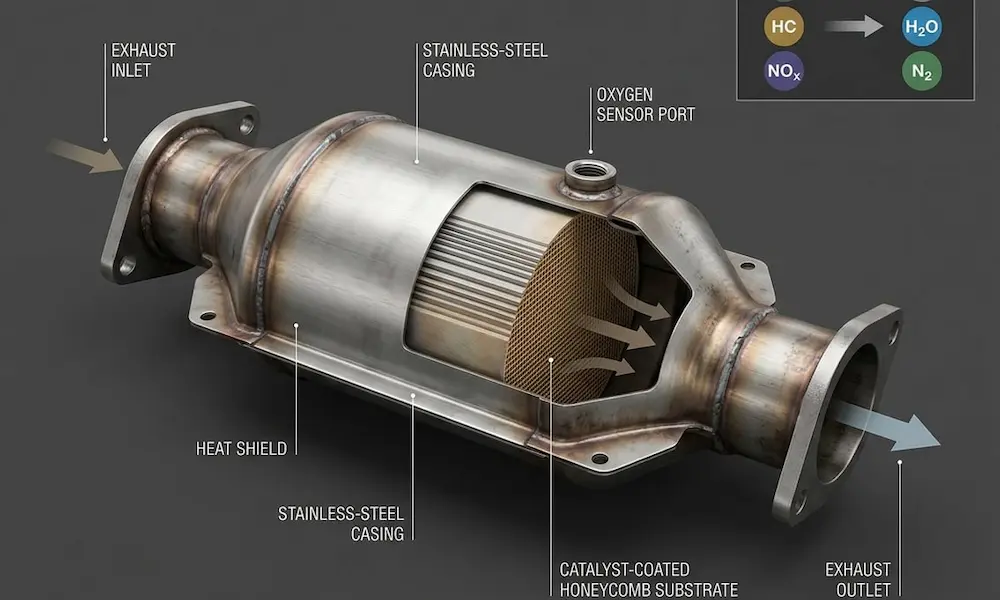
The 2018 model year experienced particular issues with fuel pump reliability. Some failures damaged catalytic converters, turning a fuel pump problem into a much more expensive repair.
Electrical Gremlins and Interior Issues
Various model years experienced electrical system problems including corroded wiring harness connectors between the transmission and engine. This led to starting difficulties and abrupt shutdowns.
The 2017 model had notable issues with dimming dashboard lights and disappearing start buttons. Seat problems also surfaced, with both driver and passenger seats experiencing shaking or frame separation issues.
What You’ll Actually Spend on Maintenance
Are Nissan Titans reliable enough to justify ownership costs? The maintenance numbers suggest yes.
Annual repair expenses average $555 compared to the full-size truck average of $936. That’s exceptional value in this segment.
Here’s what common maintenance actually costs:
| Maintenance Item | Cost Range |
|---|---|
| Oil changes | $136-$156 |
| Brake replacement | $243-$305 |
| Tune-ups | $391-$477 |
| Alternator replacement | $798-$1,080 |
| Transmission replacement | $1,600-$4,500 |
Properly maintained Titans regularly exceed 200,000 miles. Many owners report successful operation beyond 300,000 miles. Some first-generation owners have achieved over 329,000 miles with original engines.
The key to longevity? Consistent maintenance schedules, particularly 5,000-mile oil change intervals and regular fluid inspections. Skip these, and you’re asking for trouble.
How Titans Stack Up Against Competitors
Are Nissan Titans reliable compared to Toyota Tundras? Not quite at that level, but closer than you’d think.
iSeeCars data shows the Toyota Tundra with a higher reliability rating of 8.4/10 versus the Titan’s 7.9/10. The Tundra also shows a higher probability (58.5%) of reaching 200,000 miles compared to the Titan’s 30.8%.
But recent J.D. Power studies reveal something interesting: the 2024 Titan, Ram 1500, and Toyota Tundra all earn identical 81/100 overall quality ratings. Individual component scores vary, but overall quality is remarkably similar.
The Titan’s superior warranty coverage at 5 years/100,000 miles exceeds most competitors. That matters for peace of mind.
| Truck Model | Reliability Rating | Probability of 200K Miles | Warranty Coverage |
|---|---|---|---|
| Nissan Titan | 7.9/10 | 30.8% | 5yr/100K miles |
| Toyota Tundra | 8.4/10 | 58.5% | 3yr/36K miles |
| Ford F-150 | Varies | Similar to Titan | 3yr/36K miles |
| Ram 1500 | 81/100 (J.D. Power) | Similar to Titan | 3yr/36K miles |
Ford F-150 comparisons reveal the market leader’s advantages in technology and towing capacity. However, reliability metrics show similar long-term durability between the brands.
Ram 1500 models demonstrate comparable reliability with slightly different problem patterns. Chevrolet Silverado models show varying reliability depending on specific model year and engine combination.
The Diesel XD Story: A Cautionary Tale
Are Nissan Titans reliable in diesel XD form? Unfortunately, no.
The Nissan Titan XD diesel models (2016-2019) present unique reliability challenges. Powered by a 5.0-liter Cummins diesel V8, these models experienced significant issues including turbocharger failures, EGR valve problems, excessive DEF consumption, and fuel system malfunctions.
One documented case showed complete engine failure at just 40,000 miles due to spun bearings, requiring a $23,000 engine block replacement. That’s catastrophic failure well before you’d expect any major issues.
Common XD diesel problems include DEF system malfunctions, crankcase ventilation system failures, and diesel particulate filter issues. The complexity of modern diesel emissions systems contributed to higher maintenance costs averaging $500 annually for XD models.
Nissan discontinued the diesel variant after 2019 due to poor sales and reliability concerns. For prospective buyers, that’s a clear signal to avoid these models unless you’re getting an incredible deal and have deep pockets for repairs.
What Actual Owners Say About Long-Term Reliability
Owner feedback reveals generally positive experiences with recent Titan models. Reddit discussions from Titan owners frequently praise the truck’s comfort, power delivery, and build quality when properly maintained.
Many owners report choosing Titans over competitors due to significant cost savings compared to equivalent Ford, Chevrolet, or Toyota models. The price difference can be substantial—sometimes $5,000 to $10,000 for similar equipment levels.
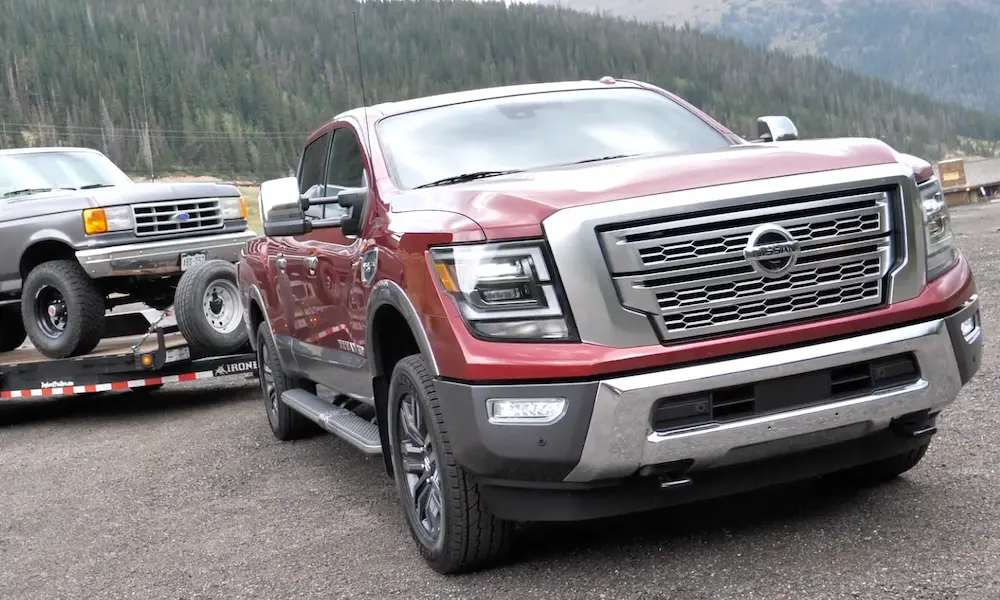
Long-term ownership testimonials highlight the Titan’s capability for heavy-duty use. Owners successfully tow 5,000+ pound trailers over hundreds of thousands of miles. The truck’s hydraulic steering and column shifter receive particular praise from owners who prefer traditional truck characteristics over modern electronic systems.
However, some owners express concerns about parts availability and aftermarket support as production ends. This primarily affects modification enthusiasts rather than maintenance needs. Dealer service experiences vary significantly by location, with some owners reporting excellent warranty support while others face challenges with repairs.
The End of Production: What It Means for Buyers
Nissan discontinued Titan production in summer 2024, ending a 21-year run in the full-size pickup market. The discontinuation resulted from consistently low sales rather than reliability issues.
Nissan sold only 15,063 units in 2023 compared to Ford’s 750,000+ F-Series sales. The company is redirecting resources toward electric vehicles and SUV development as part of its Ambition 2030 strategy.
For prospective buyers, this creates both opportunities and challenges. Used Titans may offer exceptional value due to depreciation concerns. Parts availability should remain adequate through Nissan’s extensive dealer network for the foreseeable future.
The discontinuation doesn’t affect existing warranties or service support for current owners. Nissan maintains parts inventory and service training for discontinued models for many years.
Which Titan Years Should You Actually Buy?
Are Nissan Titans reliable enough to recommend? Yes, but you need to be selective about model years.
Best Choice: 2020-2024 Models
These represent the best combination of modern features and proven dependability. The 2022 model year particularly stands out with zero reported complaints and strong J.D. Power ratings.
You’ll get current safety features, improved technology, and the best warranty coverage. Depreciation works in your favor since production has ended.
Budget Option: 2010-2015 Models
For budget-conscious buyers, these offer solid reliability at lower prices. They lack newer safety and technology features, but mechanically they’re proven.
The 2013 model is the standout year with documented longevity exceeding 300,000 miles. Look for trucks with complete maintenance records.
Avoid These Years
Skip 2004-2008 models unless extensively documented maintenance records show rear axle seal replacement and related repairs. The risk of expensive differential damage isn’t worth the lower purchase price.
Exercise caution with 2016-2019 models. They require careful inspection for signs of cylinder #7 engine knock. Warranty coverage may address this issue if detected early, but buying out of warranty is risky.
Diesel XD variants should generally be avoided due to documented reliability issues and complexity of repairs. Gasoline V8 models across all generations demonstrate superior long-term reliability and lower maintenance costs.
Smart Shopping Tips for Maximum Reliability
When buying any Titan, prioritize trucks with complete service records showing 5,000-mile oil change intervals and regular fluid maintenance. Documentation of any applicable technical service bulletin repairs is essential.
For 2016-2019 models specifically, request a borescope inspection of cylinder #7 before purchase. It’s a small upfront cost that could save you thousands down the road.
Consider extended warranty coverage for 2016-2019 models to address potential engine knock issues. The peace of mind may be worth the additional cost.
Have a trusted mechanic inspect any used Titan before purchase. Focus on rear axle seals, transmission operation, and engine sounds during both cold starts and at operating temperature.
The Nissan Titan ultimately provides solid reliability when properly maintained, particularly in recent model years that rank among the most dependable full-size trucks available. While it may not match the Toyota Tundra’s long-term durability reputation, the Titan offers competitive reliability at often significant cost savings. That makes it an attractive option for buyers prioritizing value and proven V8 performance over brand prestige.