Thinking about buying a Volvo but worried about the maintenance costs? You’re not wrong to consider the long-term expenses before making your purchase. Volvos occupy a unique position in the luxury market—offering premium features without the eye-watering maintenance bills of some German competitors. Let’s break down what you can really expect to pay for Volvo upkeep.
The Real Cost of Volvo Maintenance
Volvo maintenance costs average around $769 per year, positioning them squarely in the middle of the luxury car market. This figure places Volvos more expensive than mainstream brands, but significantly more affordable than their German luxury counterparts.
When you look at the numbers, Volvos offer a compelling value proposition in the luxury segment:
| Brand | Average Annual Maintenance Cost | 10-Year Maintenance Total |
|---|---|---|
| Volvo | $769 | $10,073 |
| BMW | $968 | $15,991 |
| Mercedes-Benz | $908 | $12,962 |
| Audi | $987 | $10,702 |
| Lexus | $551 | $7,786 |
| Acura | $501 | $7,114 |
As you can see, maintaining a Volvo costs about $200 less annually than a BMW, Mercedes, or Audi. Over a decade, this difference becomes substantial—you’d save nearly $6,000 compared to BMW ownership. According to RepairPal’s reliability analysis, Volvo ranks 17th out of 32 car brands with a 3.5/5.0 rating, indicating above-average reliability in the luxury segment.
How Maintenance Costs Change Over Time
Your Volvo won’t cost the same to maintain in year one as it will in year ten. Here’s how the expenses typically progress:
Years 1-3: These are the honeymoon years. With Volvo’s Complimentary Factory Scheduled Maintenance program covering the first three years or 30,000 miles, you’ll pay minimal out-of-pocket costs for routine service. This includes oil changes, filter replacements, and basic inspections at 10,000-mile intervals.
Years 4-6: As the factory warranty expires, annual costs climb to approximately $924-$1,212, depending on your model. This reflects normal wear on components like brakes, tires, and various filters.
Years 7-10: This is when maintenance becomes more substantial. Annual costs can reach $1,500-$1,900 for larger models like the XC90, with potential major services including timing belt replacement, suspension components, and more extensive electrical system maintenance.
The good news? Even in later years, Volvos maintain their cost advantage over German competitors, with the gap actually widening as BMW and Mercedes vehicles experience steeper maintenance increases.
Which Volvo Models Cost More to Maintain?
Not all Volvos are created equal when it comes to maintenance expenses. The model you choose significantly impacts your long-term costs:
SUVs
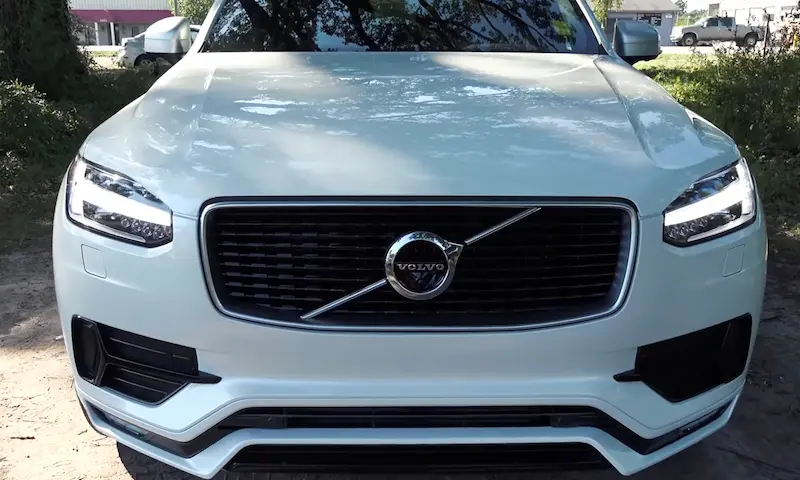
- XC90 (Flagship SUV): Highest maintenance in the lineup, reaching $1,968 annually by year ten with total 10-year costs of $13,224
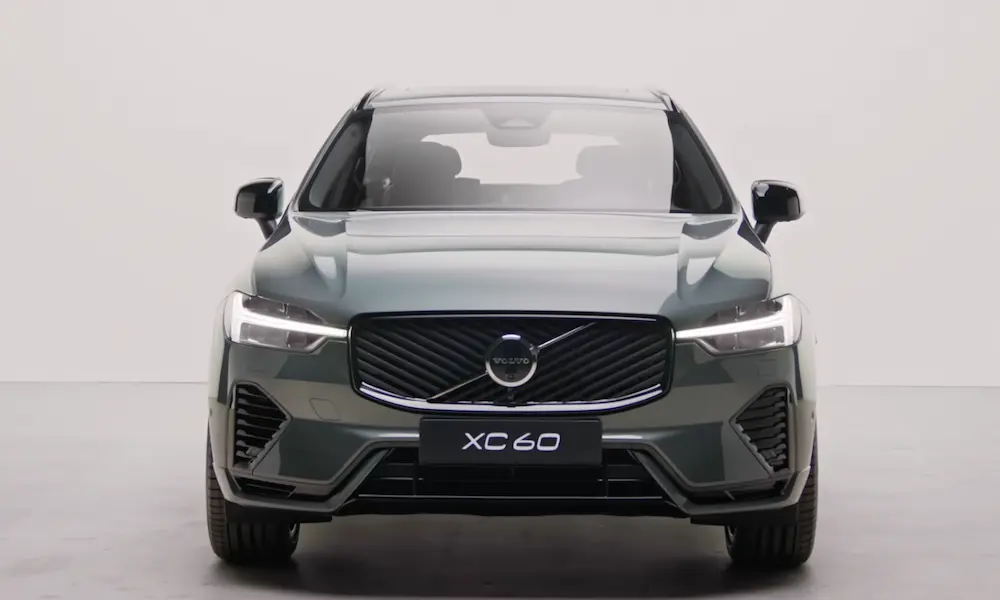
- XC60 (Mid-size SUV): Close behind with $1,944 in annual costs by year ten and cumulative 10-year expenses of $12,978
- XC40 (Compact SUV): More affordable maintenance starting at $432 in year one and reaching $1,492 by year ten, with total 10-year costs of $11,907
Sedans
- S60 and S90: Generally fall between the SUV extremes with balanced maintenance costs
The differences stem from factors including engine complexity, parts availability, and the specific technologies in each model. Newer Volvos often benefit from improved reliability and more efficient maintenance schedules compared to older designs.
What Drives Volvo Maintenance Costs?
Several key factors influence how much you’ll pay to keep your Volvo running smoothly:
1. Service Location Choices
Where you get your Volvo serviced creates one of the biggest cost variables:
- Dealership Service: Highest prices but factory-trained technicians and genuine parts
- Independent European Specialists: Potential savings of 20-30% on labor and parts while maintaining expertise
- General Repair Shops: Lowest costs but may lack Volvo-specific knowledge
Independent European automotive specialists can provide dealer-level expertise without the franchise overhead, though you’ll need to consider warranty implications.
2. Parts Pricing
Genuine Volvo components command premium prices but offer superior fit and longevity. Original Volvo parts typically cost 15-30% more than aftermarket alternatives but can provide better long-term value through improved durability and performance.
3. Complex Systems
Volvo’s cutting-edge safety technologies—including advanced driver assistance systems and sophisticated electrical networks—can increase diagnostic and repair costs. However, these same systems contribute to Volvo’s exceptional safety record and reduce accident-related expenses.
4. Common Problem Areas
While generally reliable, Volvos do have some known maintenance weak points:
- Cooling system components (water pumps, thermostats)
- Transmission software updates
- Electrical system maintenance
- Turbocharger issues (particularly in older models)
These issues occur less frequently than in many competing brands, but knowing the potential problem areas can help you budget appropriately.
Smart Ways to Save on Volvo Maintenance
You don’t have to break the bank keeping your Volvo in top condition. These strategies can significantly reduce your maintenance costs:
Take Advantage of Warranty Programs
Volvo offers several programs to reduce maintenance headaches:
- Complimentary Factory Scheduled Maintenance: Covers the first three years/30,000 miles
- Extended Warranty Options: Volvo Increased Protection Plans can extend coverage up to 11 years or 150,000 miles
- Lifetime Parts and Labor Warranty: Covers eligible repairs performed at authorized retailers
The Volvo Increased Protection Plan provides peace of mind for long-term owners and can be especially valuable for complex electronic systems.
Timing Is Everything
Strategic maintenance timing can save substantial money:
- Combine Services: Schedule multiple maintenance items together to reduce labor charges
- Follow the Maintenance Schedule: Don’t defer recommended service—preventative maintenance costs far less than repairs
- Seasonal Prep: Address cooling system issues before summer and heating concerns before winter
Regular maintenance proves crucial, as deferred service can result in dramatically higher repair costs, particularly for complex systems like turbochargers and timing belts.
Find a Volvo Specialist
Developing a relationship with an independent Volvo specialist can yield significant savings while maintaining high-quality service. Look for shops with:
- Certified technicians with Volvo experience
- Specialized diagnostic equipment
- Access to genuine or high-quality OEM parts
- Strong reviews from other Volvo owners
A good specialist will help you prioritize services based on your driving patterns and budget constraints.
How Volvo Compares to Other Luxury Brands
When comparing maintenance expenses across luxury brands, Volvo presents a compelling middle ground:
Volvo vs. German Luxury (BMW, Mercedes, Audi)
Volvo maintenance costs remain consistently lower than German counterparts throughout the ownership cycle.Volvo owners can expect:
- $199 less in annual maintenance compared to BMW
- $139 less annually than Mercedes-Benz
- $218 less each year than Audi
These savings compound significantly over a decade of ownership.
Volvo vs. Japanese Luxury (Lexus, Acura)
Japanese luxury brands still maintain a cost advantage over Volvo, with:
- Lexus owners paying $218 less annually
- Acura owners saving $268 per year
However, this cost difference narrows when considering Volvo’s more comprehensive standard safety features and European driving dynamics.
Volvo vs. Mainstream Brands
Compared to non-luxury vehicles, Volvos do command a premium for maintenance, typically 30-40% higher than mainstream brands like Toyota, Honda, or Ford. This reflects the more advanced technologies and premium components used in Volvo vehicles.
Real-World Volvo Maintenance Expenses
What can you actually expect to pay for common Volvo maintenance items? Here’s a breakdown of typical service costs:
| Service | Average Cost | Recommended Interval |
|---|---|---|
| Oil Change | $89-$149 | Every 7,500-10,000 miles |
| Brake Pad Replacement (front) | $250-$400 | Every 30,000-70,000 miles |
| Timing Belt Replacement | $700-$1,100 | Every 90,000-105,000 miles |
| Air Filter Replacement | $50-$100 | Every 15,000-30,000 miles |
| Transmission Service | $300-$500 | Every 40,000-60,000 miles |
| Major Service (100k) | $800-$1,500 | At 100,000 miles |
The actual costs will vary based on your location, model, and where you have the work performed. Dealership prices typically fall at the higher end of these ranges, while independent specialists may offer 20-30% savings.
Is a Volvo Worth the Maintenance Cost?
When deciding if a Volvo’s maintenance costs justify its benefits, consider:
The Value Proposition
Volvos deliver exceptional safety, understated luxury, and comfortable driving dynamics at maintenance costs lower than German competitors. If these attributes align with your priorities, the maintenance expenses may be well worth it.
Long-Term Reliability
Volvos demonstrate above-average durability, with many models easily exceeding 200,000 miles with proper maintenance. This longevity can offset higher service costs compared to less durable vehicles.
Peace of Mind
Volvo’s industry-leading safety innovations and comprehensive warranty coverage provide substantial value beyond the raw maintenance numbers. The brand’s 34.92% probability of requiring major repairs within the first decade is better than the luxury segment average.
The Bottom Line on Volvo Maintenance Costs
Volvos aren’t the cheapest cars to maintain, but they’re far from the most expensive in the luxury segment. With annual costs averaging $769 and 10-year totals around $10,073, Volvo ownership requires realistic budgeting but offers compelling value for luxury buyers.
After warranty expiration, plan to budget approximately $800-1,200 annually for maintenance, with costs rising as your vehicle ages. By taking advantage of Volvo’s warranty programs, finding a skilled independent specialist, and following recommended maintenance schedules, you can minimize these expenses while enjoying the safety, comfort, and prestige that make Volvos special.
Final verdict? If you’re comparing Volvos to German luxury brands, you’ll likely save money on maintenance. If budget is your primary concern, Japanese luxury or mainstream brands will cost less to maintain—but you may miss out on Volvo’s unique combination of safety innovation, Scandinavian design, and European driving dynamics.